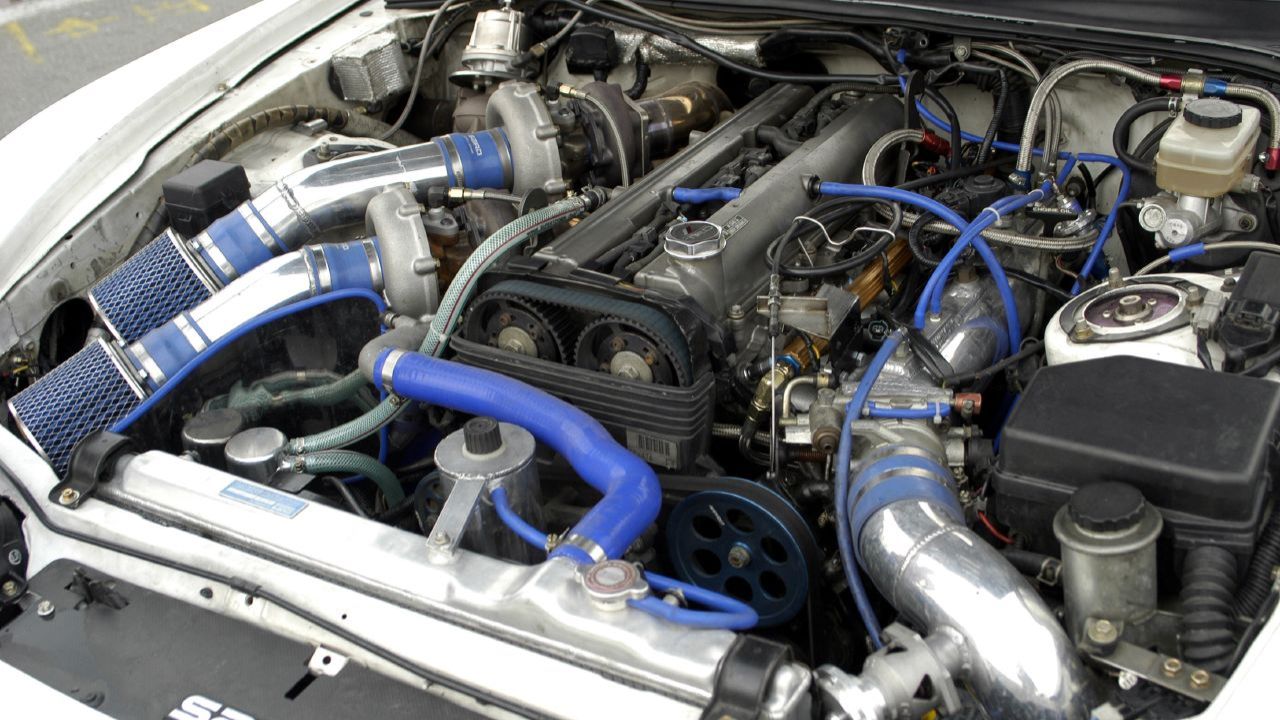
Some engines became legendary because they transformed the way manufacturers and enthusiasts approached performance. Their innovative engineering, impressive power, and tuning potential influenced generations of sports cars, muscle cars, and racing machines. These engines are also widely documented and easy to find photos of thanks to their popularity and historical significance.
Chevrolet Small-Block 350
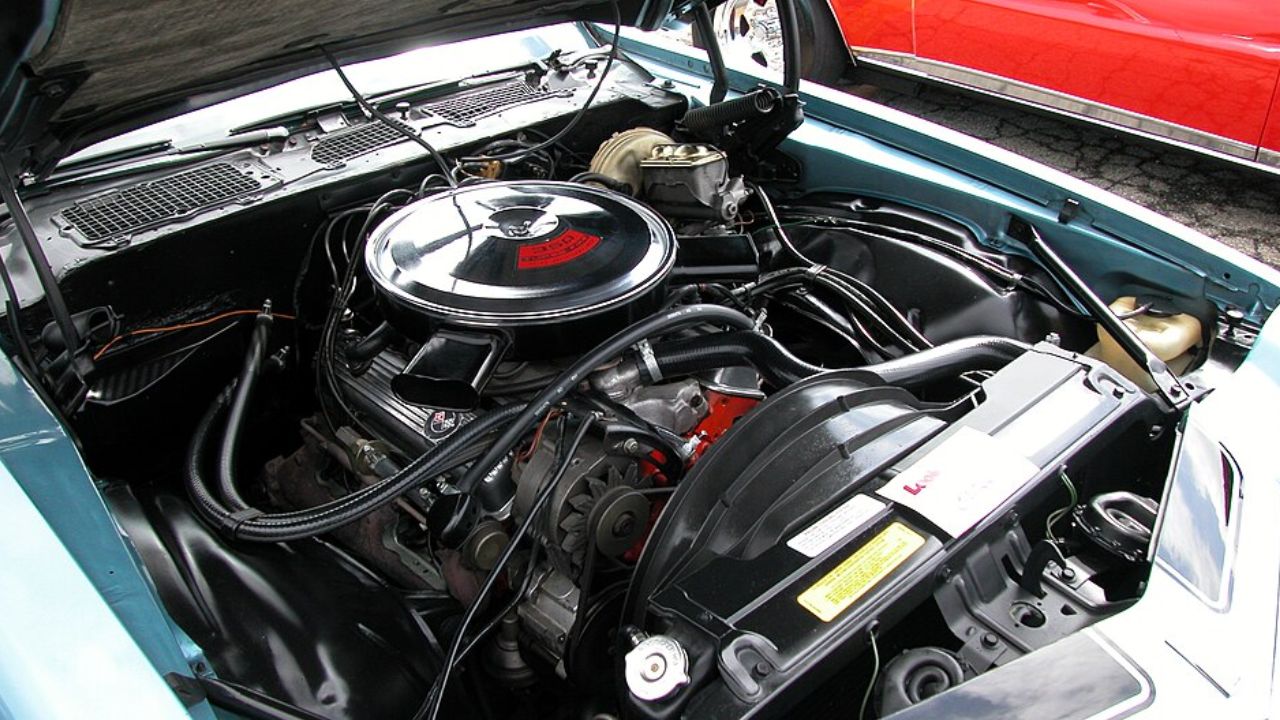
The Chevrolet Small-Block 350 is one of the most recognizable V8 engines ever built. Introduced in 1967, it became the foundation of countless performance cars, trucks, race cars, and hot rods. Its compact design, reliability, and enormous aftermarket support permanently changed American performance and made it one of the easiest engines to find in photos.
Chrysler 426 Hemi
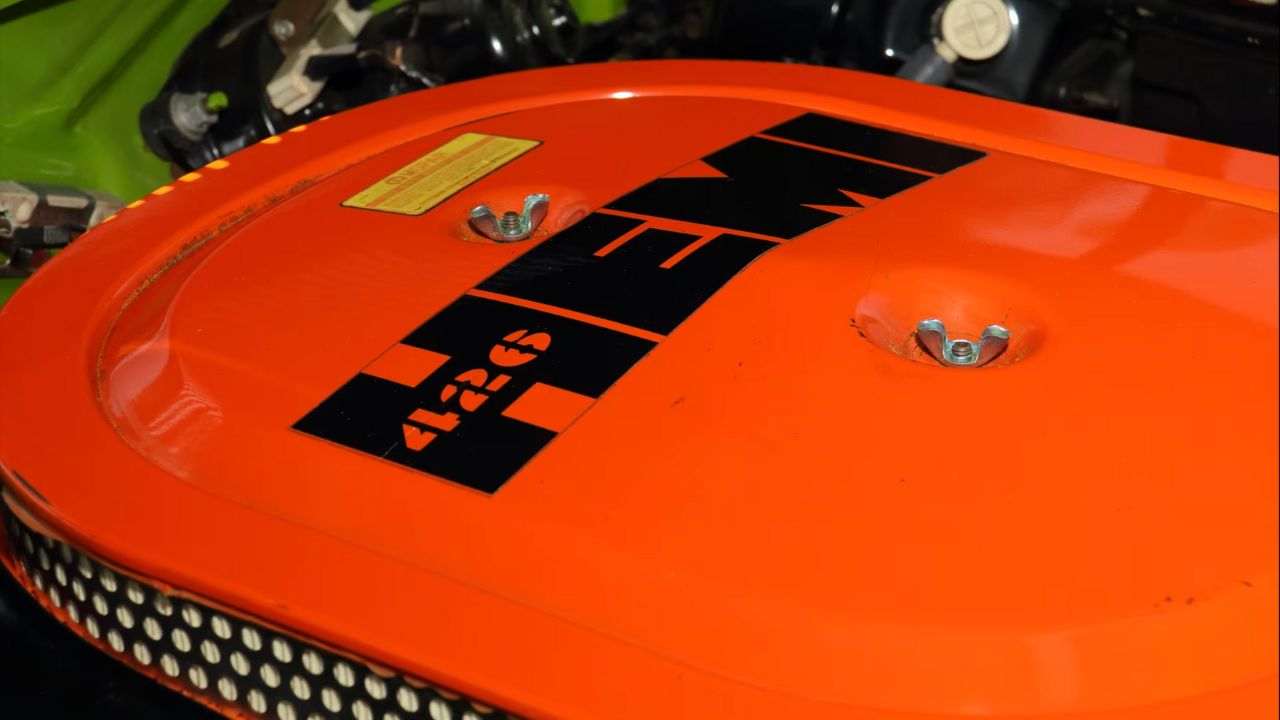
The Chrysler 426 Hemi earned legendary status through its hemispherical combustion chambers and dominant racing success. Built for NASCAR before finding its way into iconic muscle cars, it delivered remarkable horsepower for its era. The engine remains one of the most photographed American V8s thanks to its unmistakable appearance and historic reputation.
Ford 427 FE

Ford’s 427 FE V8 powered everything from Le Mans-winning race cars to legendary muscle machines. Known for exceptional strength and massive torque, it became one of Ford’s greatest high-performance engines. Its racing heritage and continued popularity among restorers make authentic images of the 427 FE widely available.
Toyota 2JZ-GTE
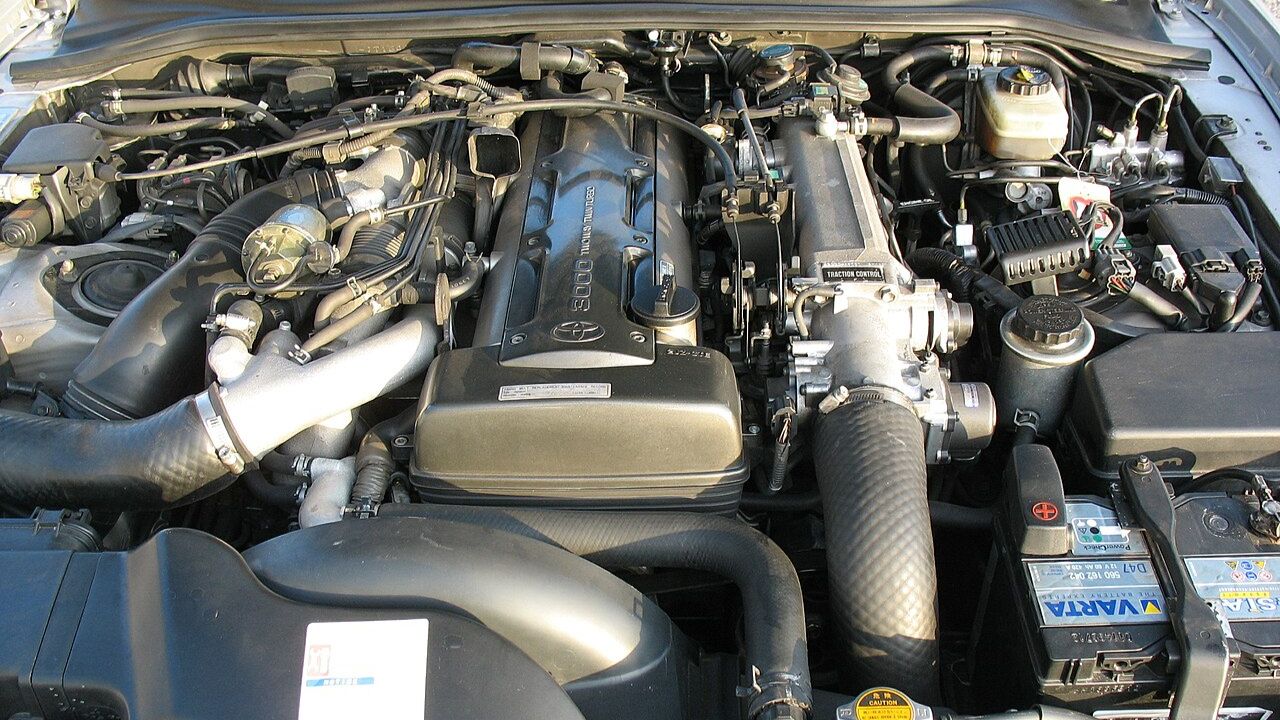
The Toyota 2JZ-GTE became famous for combining factory reliability with extraordinary tuning capability. Its iron block and twin-turbocharged design made it capable of supporting massive horsepower. Thanks to its popularity in the Toyota Supra and motorsports, it is one of the easiest Japanese performance engines to find in photographs.
Nissan RB26DETT
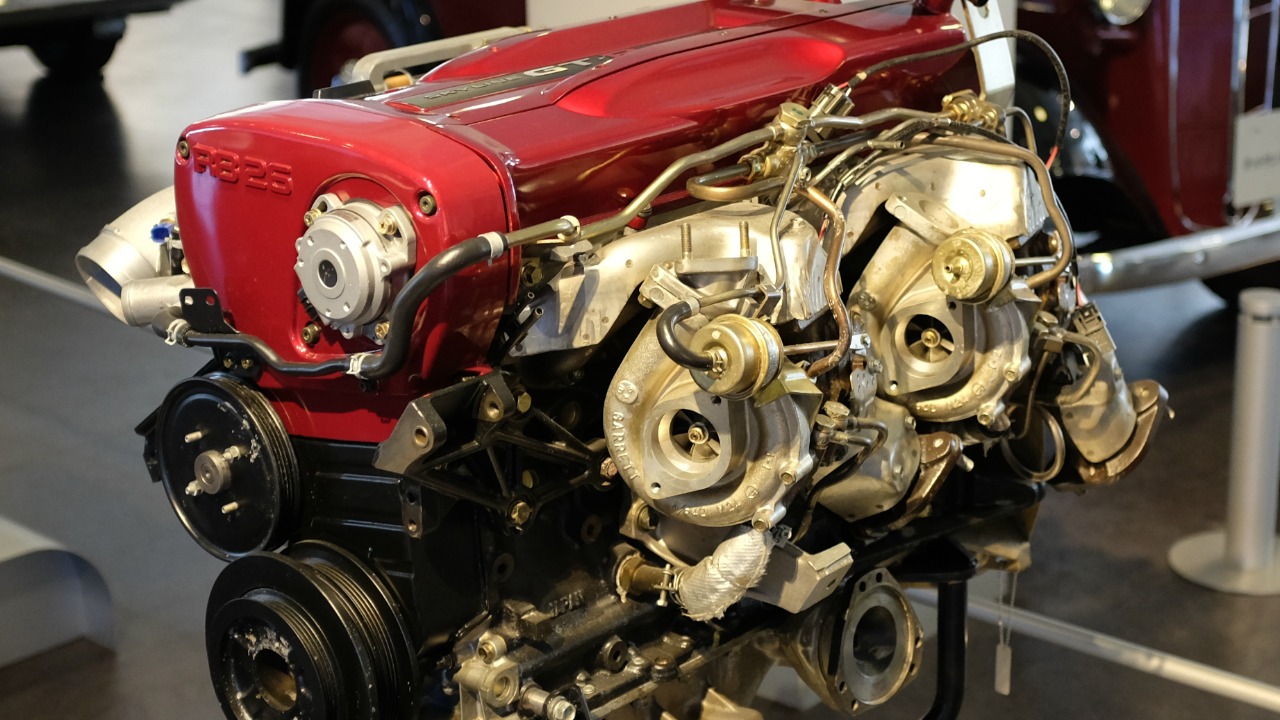
The Nissan RB26DETT achieved worldwide recognition through the Skyline GT-R and its dominance in touring car racing. Twin turbochargers, a durable iron block, and outstanding tuning potential made it legendary among enthusiasts. Its global popularity ensures there are countless high-quality images available from collectors and automotive events.
Honda B18C VTEC
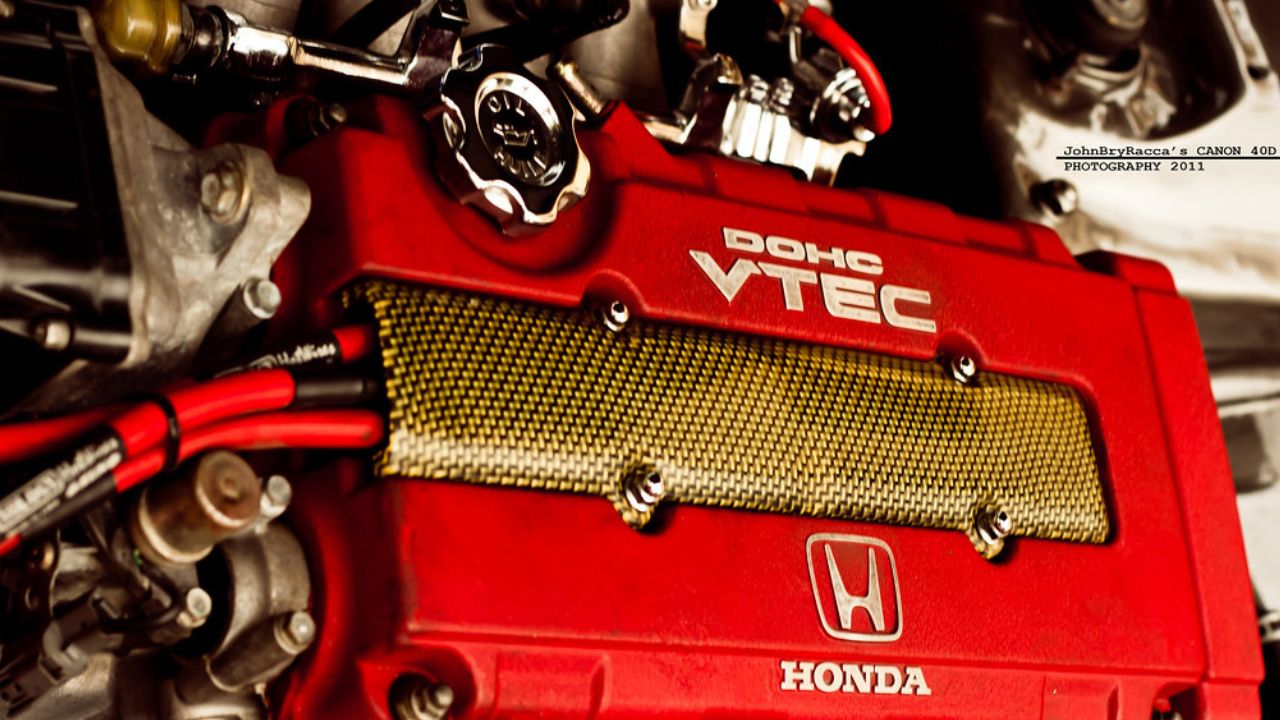
Bry™ – All rights reserved / flickr
Honda’s B18C VTEC proved that a naturally aspirated four-cylinder could deliver thrilling performance through high engine speeds and advanced valve timing. Found in the Integra Type R, it became an icon of compact performance. Its importance in Honda history makes it a frequently photographed and well-documented engine.
General Motors LS3
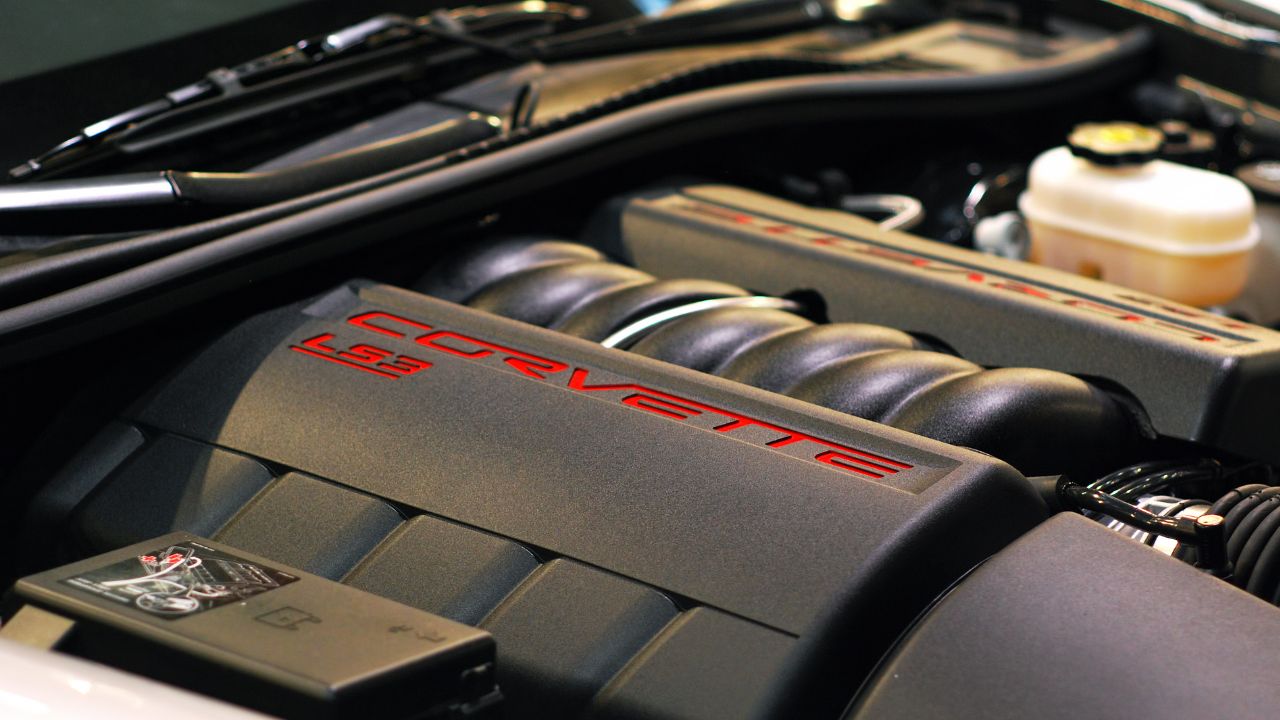
The General Motors LS3 modernized American V8 performance with lightweight aluminum construction and impressive power. It quickly became a favorite for factory performance cars and engine swaps thanks to its durability and compact size. Because of its widespread use, the LS3 is among the easiest modern performance engines to find images of.
Ford Coyote 5.0
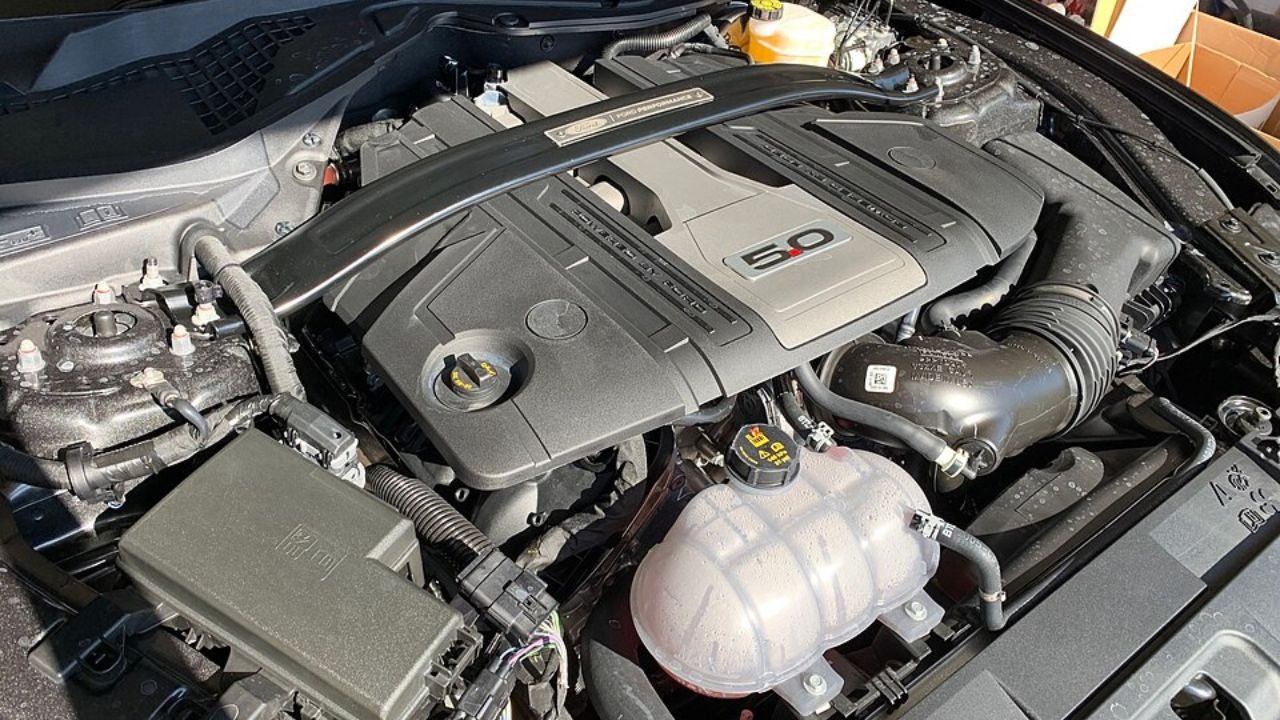
Ford’s Coyote 5.0 V8 revived the Mustang’s reputation with dual overhead cams, high-revving capability, and excellent power potential. Since its introduction in 2011, it has become one of the most popular modern American performance engines. Its continued production means detailed engine photos are readily available from numerous sources.
Chevrolet LS7

The Chevrolet LS7 remains one of General Motors’ greatest naturally aspirated V8s. Developed for the Corvette C6 Z06, its 7.0-liter displacement, titanium connecting rods, and hand-built construction created exceptional performance. Its engineering significance and popularity among enthusiasts make the LS7 one of the most commonly photographed high-performance engines.
More from Fast Lane Only
- Unboxing the WWII Jeep in a Crate
- 15 rare Chevys collectors are quietly buying
- 10 underrated V8s still worth hunting down
- Police notice this before you even roll window down
*Research for this article included AI assistance, with all final content reviewed by human editors