Not every legendary race car dominated its season or walked away with championships. Some were beaten by rivals, regulations, or bad timing—but still left a lasting impact on motorsport. These machines earned respect not because they always won, but because they changed racing, pushed technology forward, or delivered unforgettable performances that outlived their losses.
Ferrari 312T2
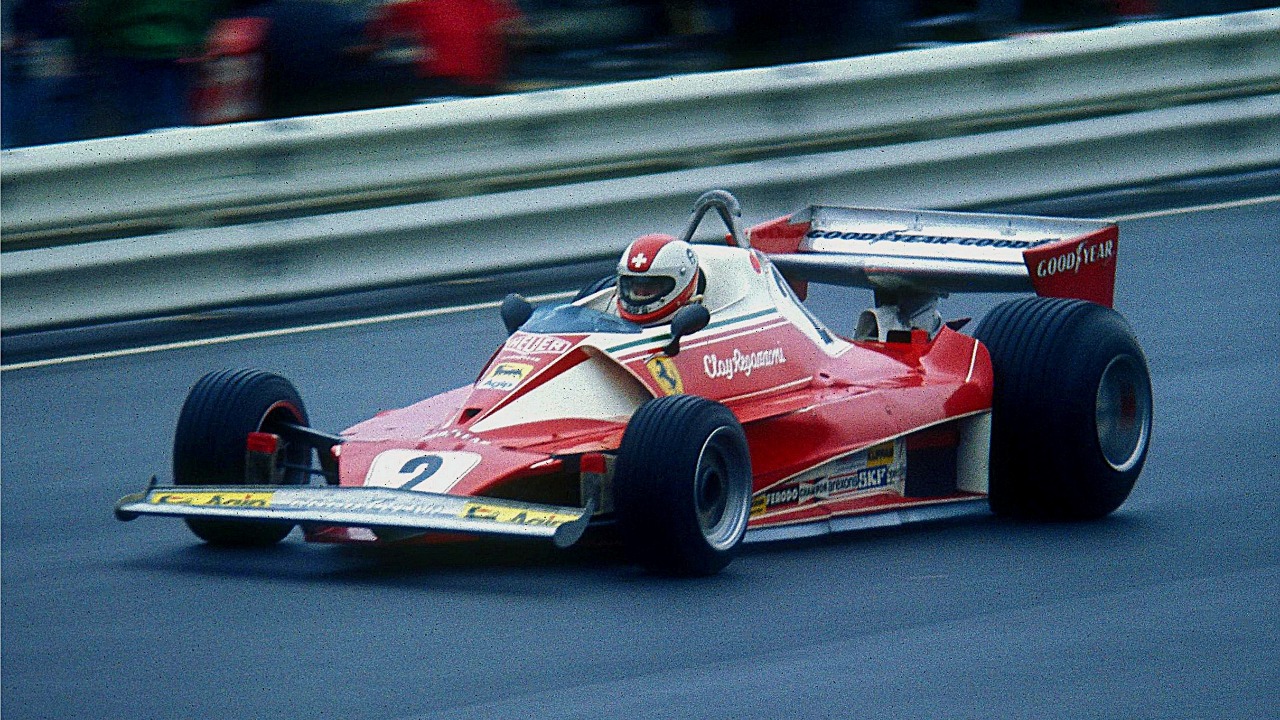
The Ferrari 312T2 is often remembered for being competitive during the mid-1970s but not always the dominant force in every title fight. While it helped Ferrari stay near the front of Formula One, it faced intense competition from rival teams that occasionally outperformed it over a full season. Despite not always securing championships, the car is celebrated for its balance, reliability improvements, and role in shaping Ferrari’s technical evolution during a highly competitive era.
Lotus 80
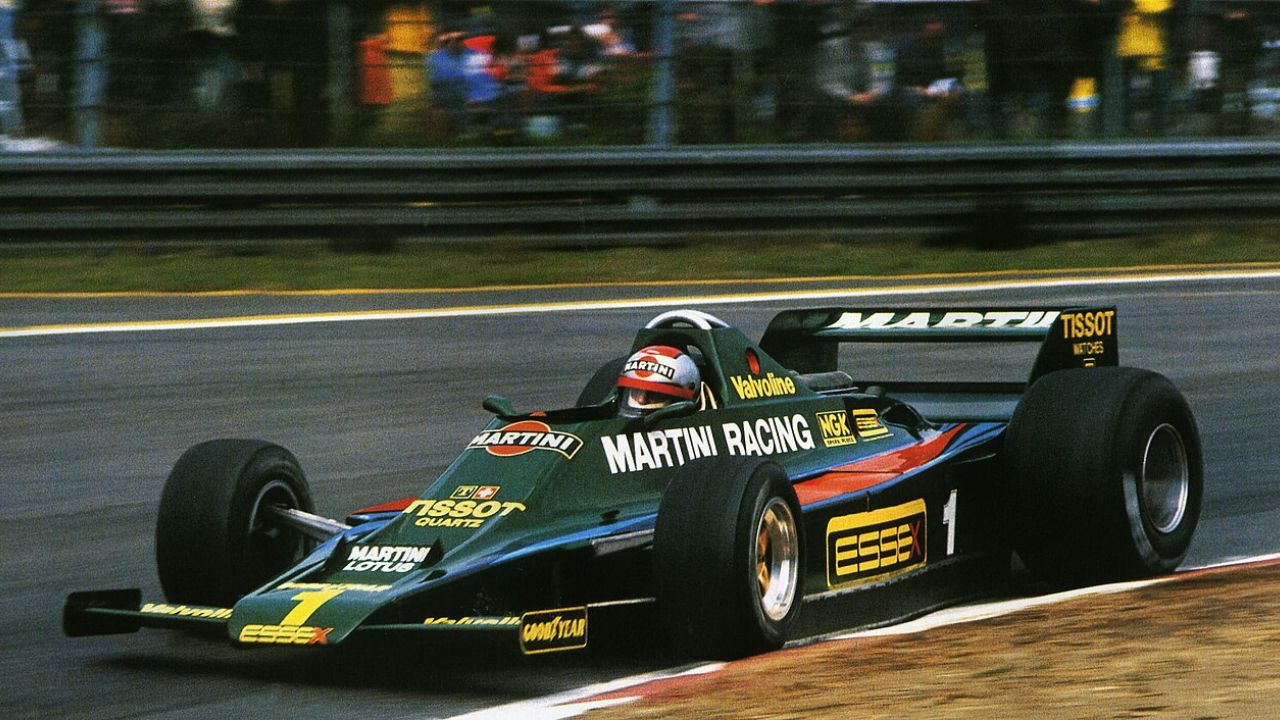
The Lotus 80 was an ambitious attempt to push ground-effect aerodynamics beyond the already successful Lotus 79. However, it struggled with unpredictable handling and failed to dominate championships as intended. Even so, it is remembered as a bold engineering experiment that showed how far designers were willing to push aerodynamic concepts. Its shortcomings helped refine future understanding of ground-effect performance in Formula One.
McLaren MP4-20
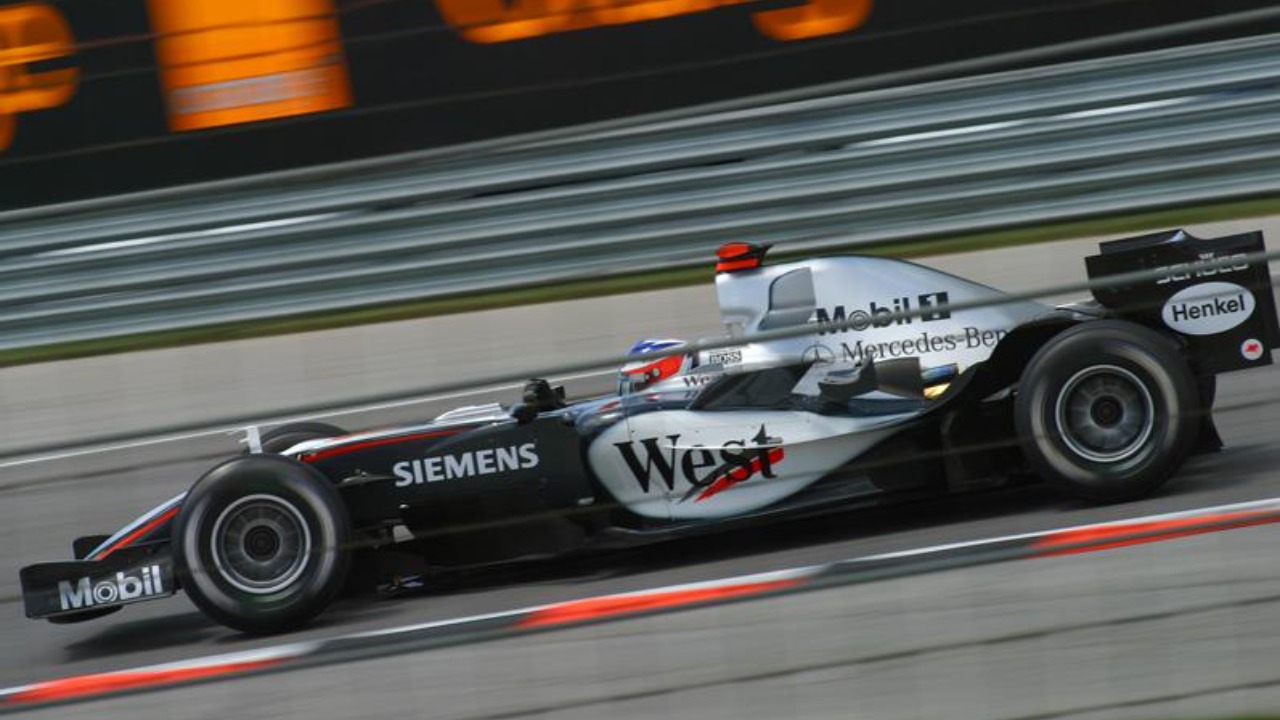
The McLaren MP4-20 delivered impressive speed and multiple race wins during its season but ultimately lost out in the championship fight due to reliability issues and stiff competition. Despite not securing the title, it became famous for its aggressive performance and striking design. The car is still admired for its raw pace and for showcasing McLaren’s ability to build front-running machines even in highly contested seasons.
Porsche 956
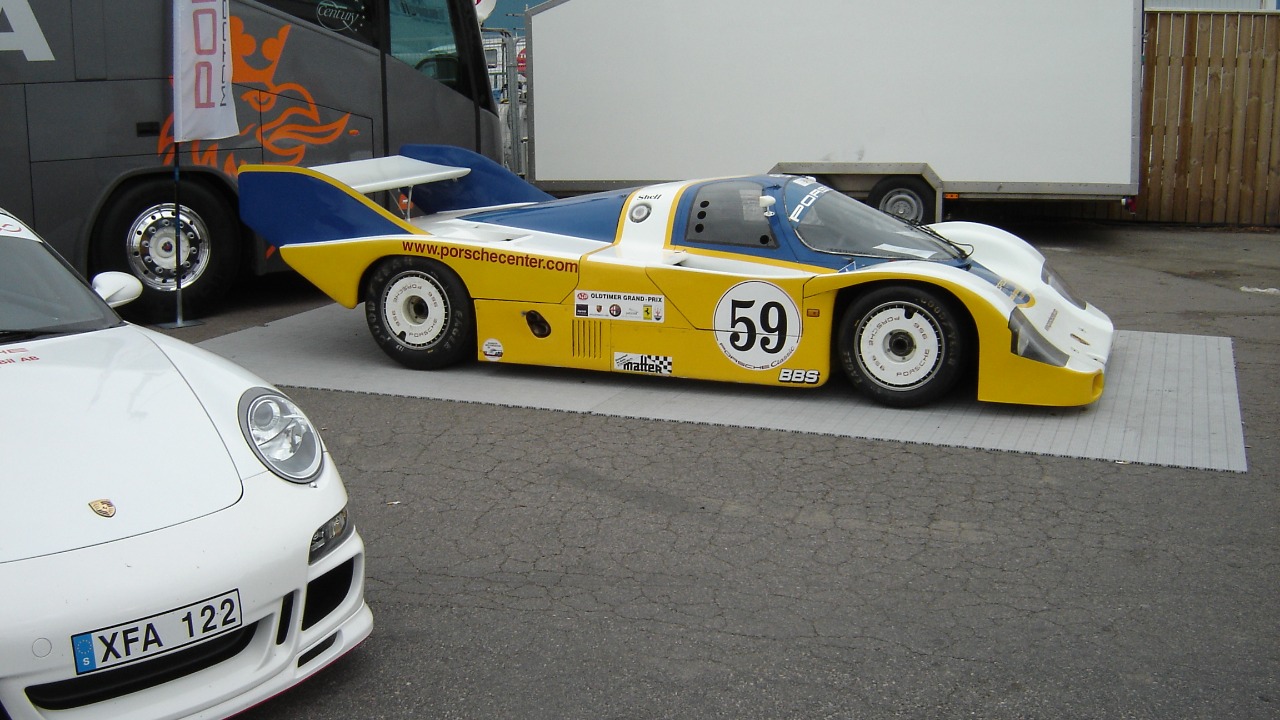
The Porsche 956 dominated endurance racing in many respects but still faced seasons and events where victory and championships slipped away due to competition or evolving regulations. Even in defeat, its engineering brilliance, ground-effect design, and consistency made it one of the most respected prototypes in motorsport history. The 956’s legacy is defined more by its innovation than by any single championship outcome.
Williams FW16
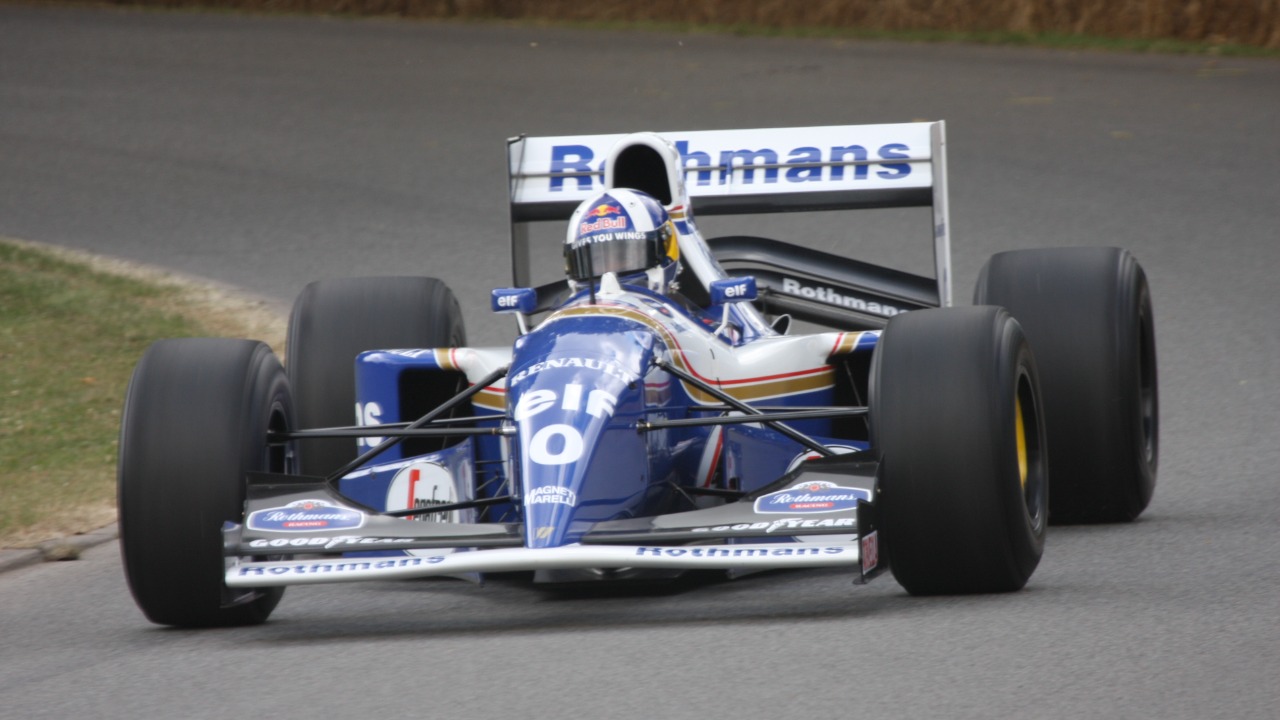
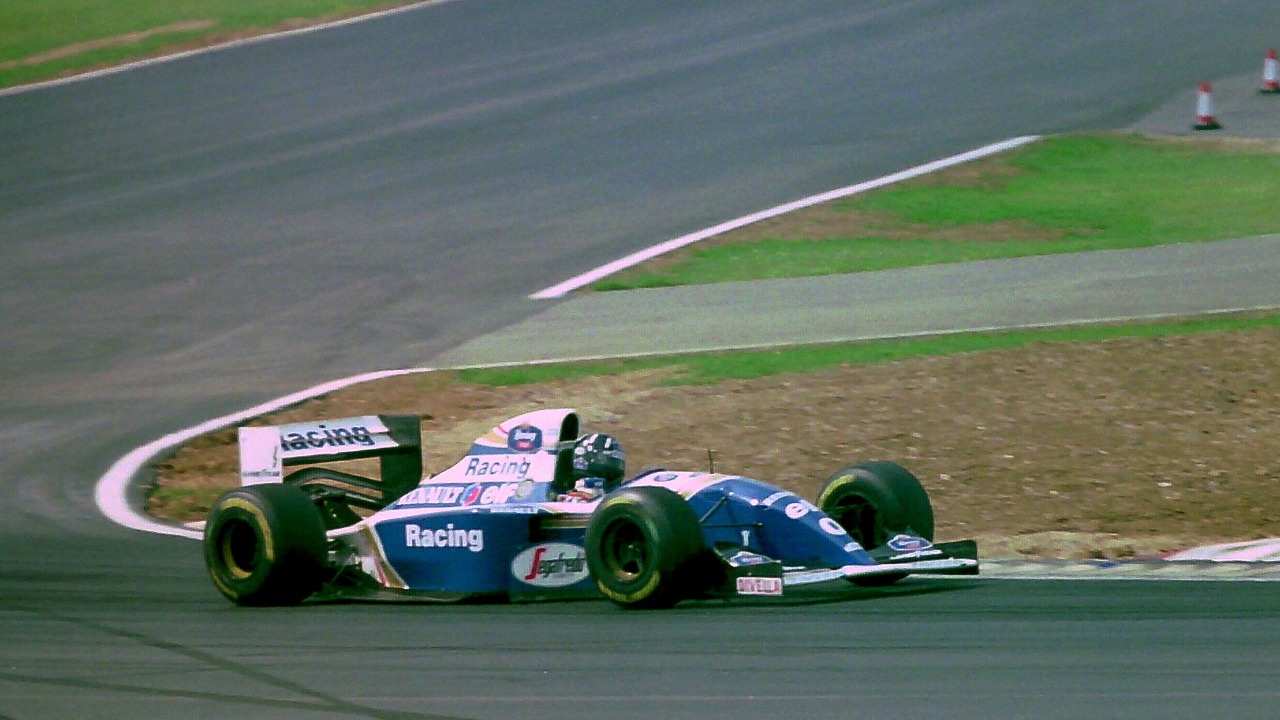
The Williams FW16 is remembered for being fast but unstable in a highly competitive and turbulent season. While it showed strong pace, it did not dominate championships as earlier Williams cars had. Instead, it became infamous for its sensitivity to setup and evolving regulations. Despite its challenges, the FW16 remains a significant part of Williams history due to its technical complexity and era-defining presence.
Audi R18 Ultra
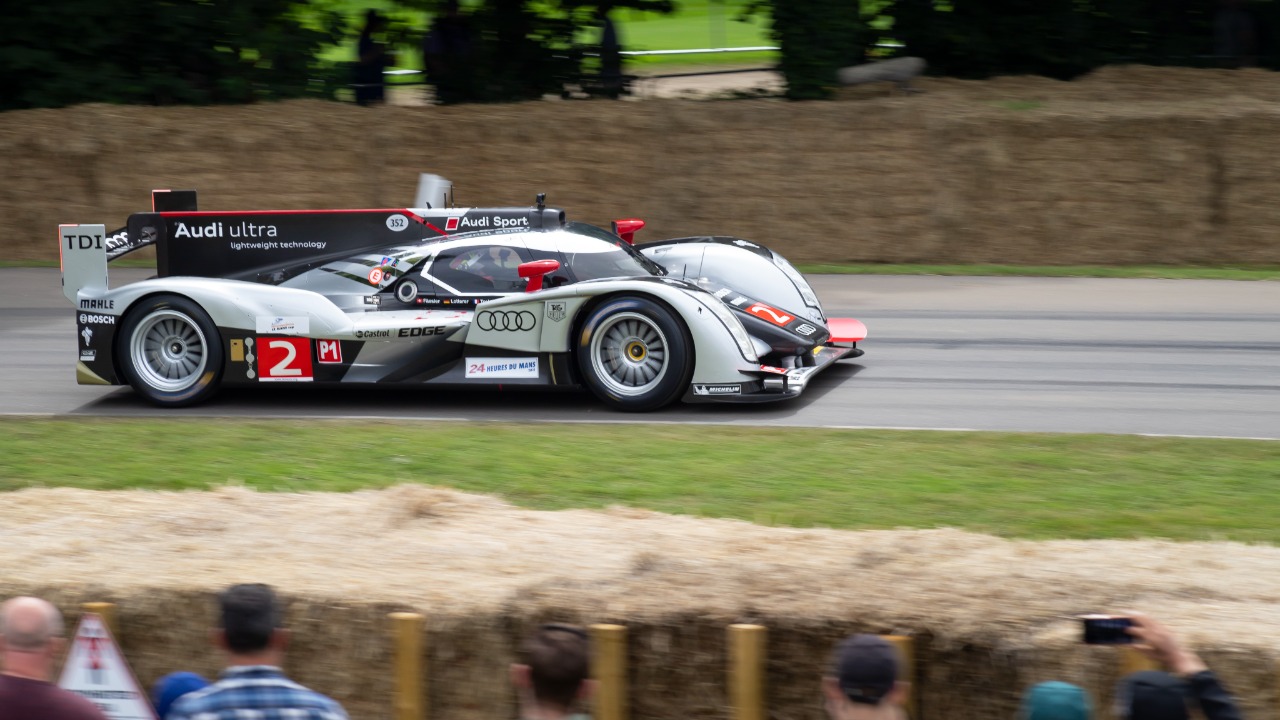
The Audi R18 Ultra competed in an extremely tight era of endurance racing where victory was never guaranteed despite strong engineering. Even when it did not always secure championships, the car demonstrated Audi’s continued innovation in diesel-powered endurance technology. Its aerodynamic efficiency and reliability helped shape modern prototype design, even when results did not always reflect its underlying performance potential.
Toyota TS050 Hybrid
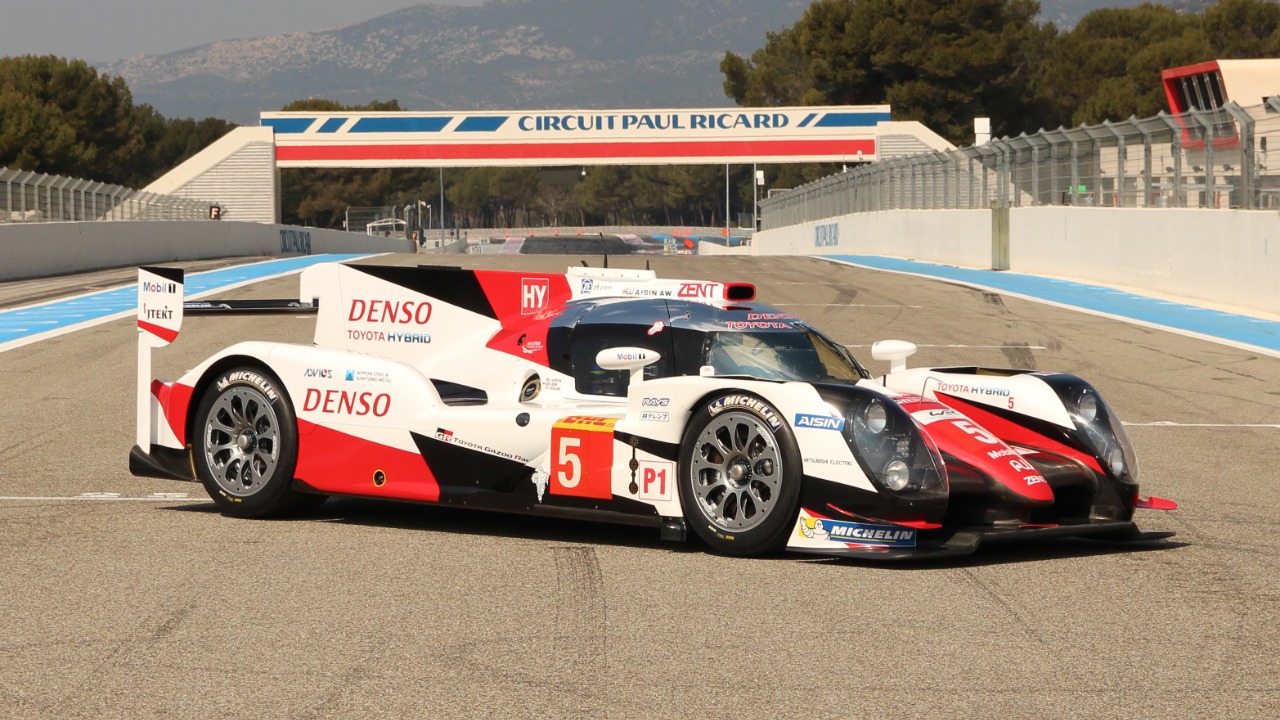
The Toyota TS050 Hybrid endured heartbreaking defeats at Le Mans before eventually achieving success later in its development cycle. Early versions of the car were fast but suffered from reliability issues and intense competition. Despite setbacks, it became a symbol of Toyota’s persistence in endurance racing. Its journey from repeated near-misses to eventual triumph made it one of the most emotionally significant modern prototypes.
Red Bull RB18
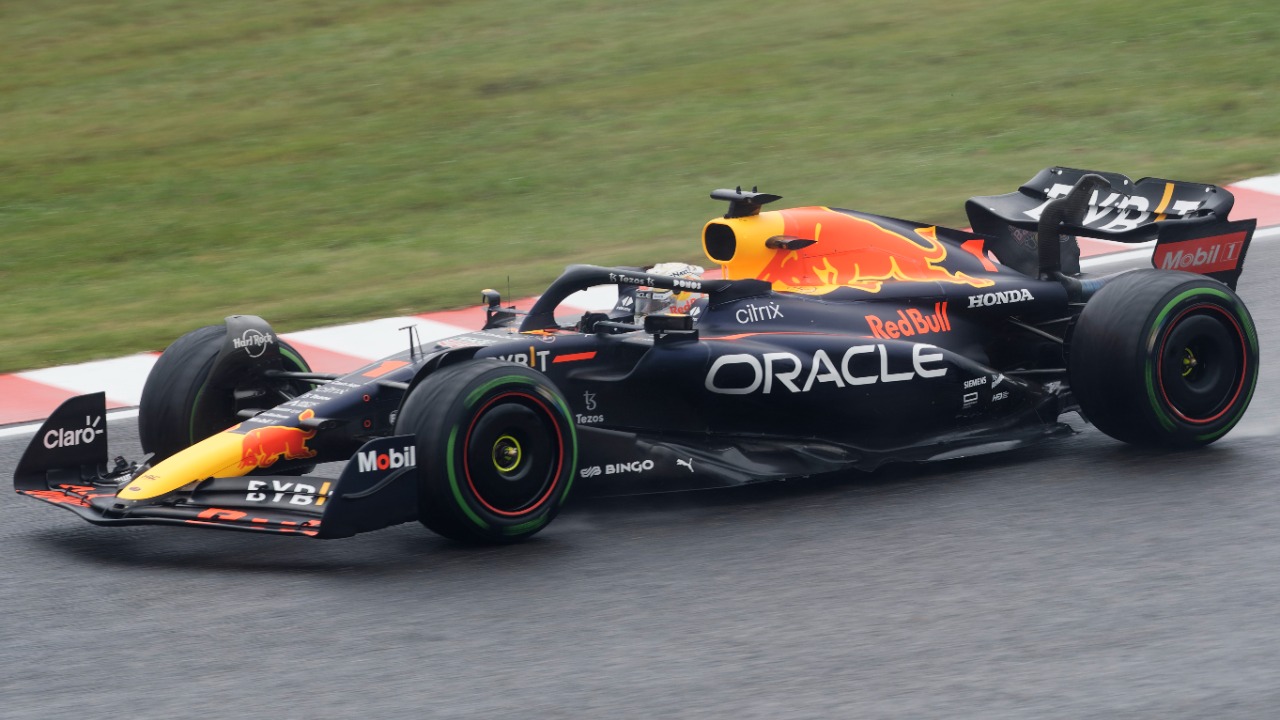
The Red Bull RB18 is actually a modern counterpoint in this list, but its inclusion reflects how even dominant cars can experience early struggles and setbacks in development phases before achieving full championship success. It represents how Formula One machines often evolve through losses, testing failures, and mid-season corrections before reaching peak dominance. Its final success came only after overcoming early-season challenges and refinement.
Peugeot 905
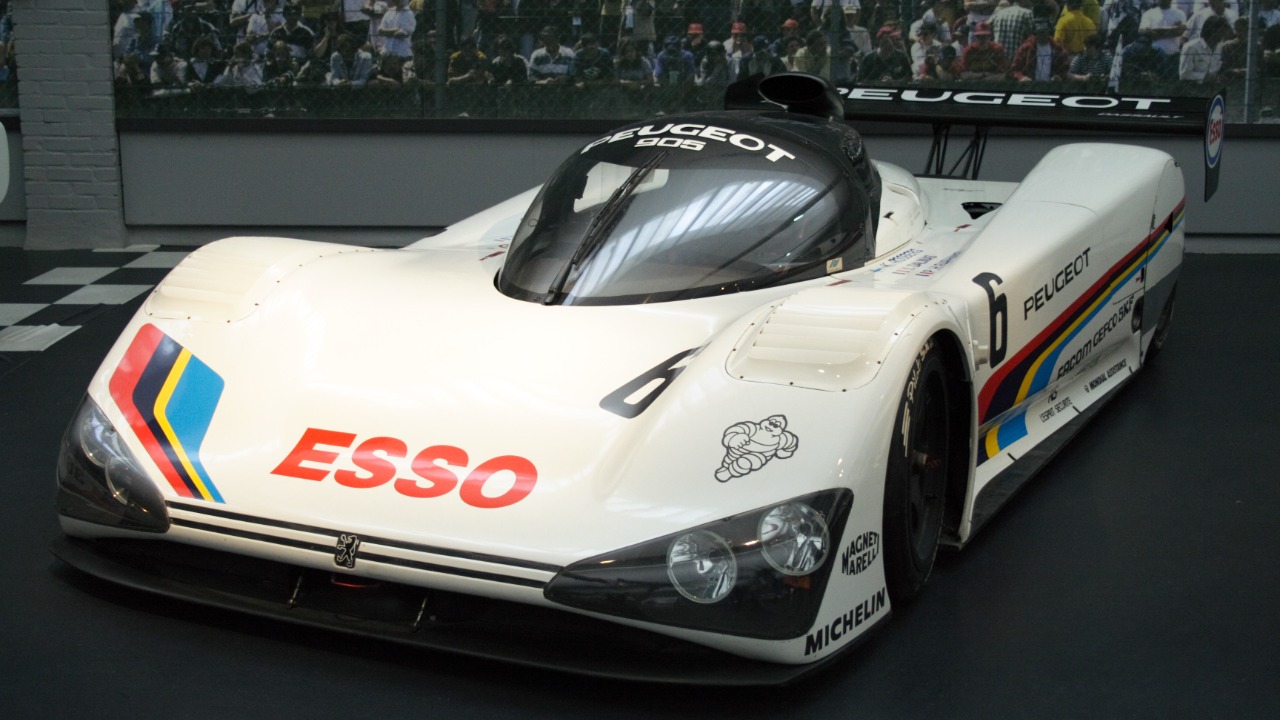
The Peugeot 905 initially struggled against established endurance giants but later evolved into a championship-winning machine. Before reaching full dominance, it endured seasons of development challenges and competitive defeats. Once refined, it became a major force in endurance racing. Its early setbacks are now seen as part of the learning process that led to its eventual success at the highest level of sportscar racing.
More from Fast Lane Only