When it comes to engines that stood the test of time, vintage V8s have a special place in the hearts of car enthusiasts and mechanics alike. These powerhouses were crafted during an era when durability and performance were king, and many are still roaring down the roads today. Let’s dive into some of the most revered V8 engines that continue to impress with their longevity and reliability.
Chevrolet 350 Small-Block V8
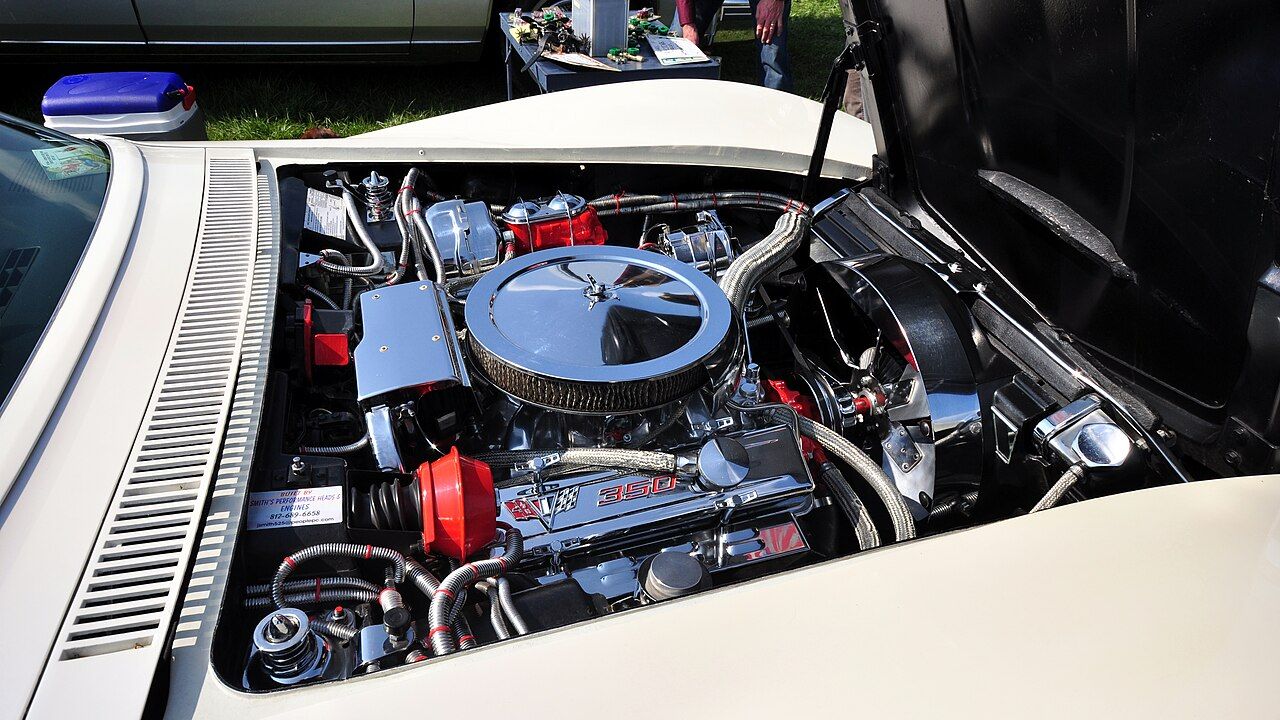
The Chevrolet 350 Small-Block V8 is the quintessential American engine, known for its robust performance and durability. Introduced in 1967, this engine became a staple in Chevy’s lineup, powering everything from the iconic Corvette to robust trucks. Its simplicity and availability of parts make it a favorite among hot rodders and restorers.
With a massive aftermarket support network, the Chevy 350 is one of the most customizable engines out there. Whether it’s a 1970 Camaro or a 1985 pickup, this engine can easily be tuned or rebuilt to fit a variety of performance needs. Mechanics appreciate its straightforward design, which contributes to its long-lasting reputation.
Ford 302 Windsor V8
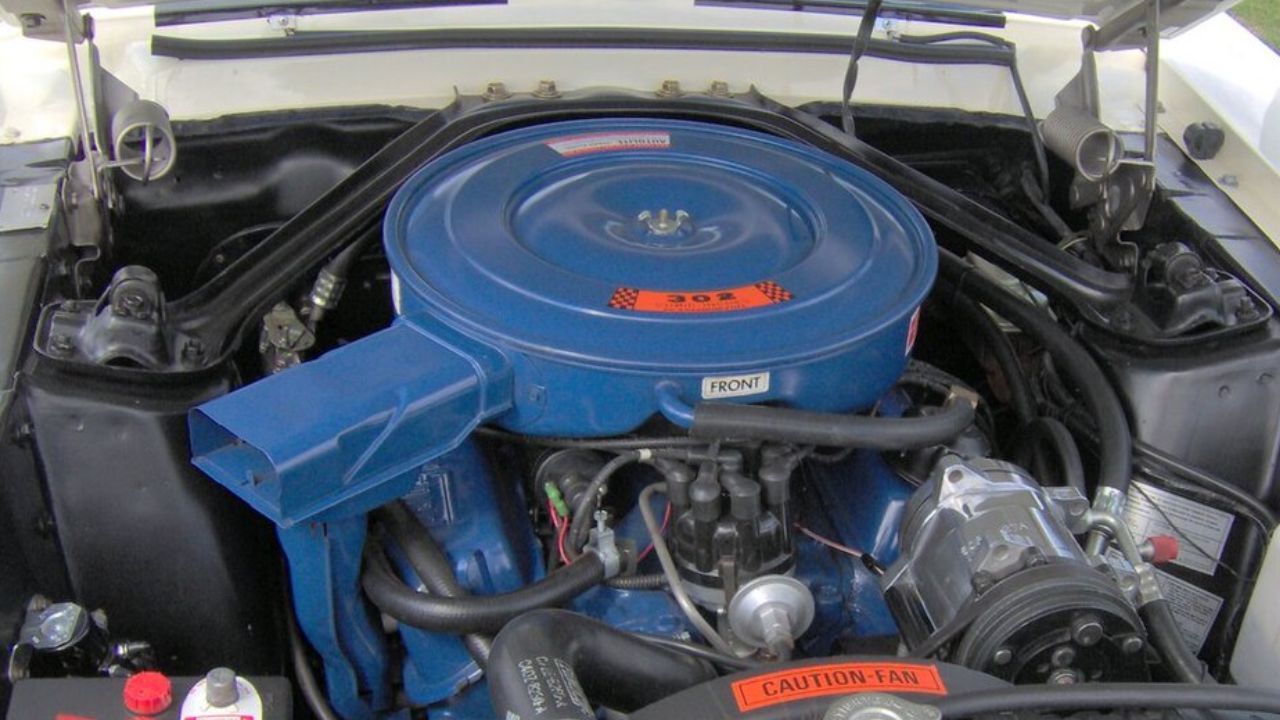
The Ford 302 Windsor V8 earned its stripes as a reliable workhorse, famously powering the Mustang and F-150. First introduced in 1968, the 302 Windsor became an icon in Ford’s engine lineup. Its versatility and reliability made it a go-to choice for both street and track applications.
This engine’s longevity is a testament to its solid construction and efficient design. The 302 Windsor was used in countless Ford vehicles, ensuring a steady supply of parts and expertise for those looking to keep these engines running strong. It’s not uncommon to see them still gracing the roads in classic car shows or as part of daily drivers.
Chrysler 440 RB V8
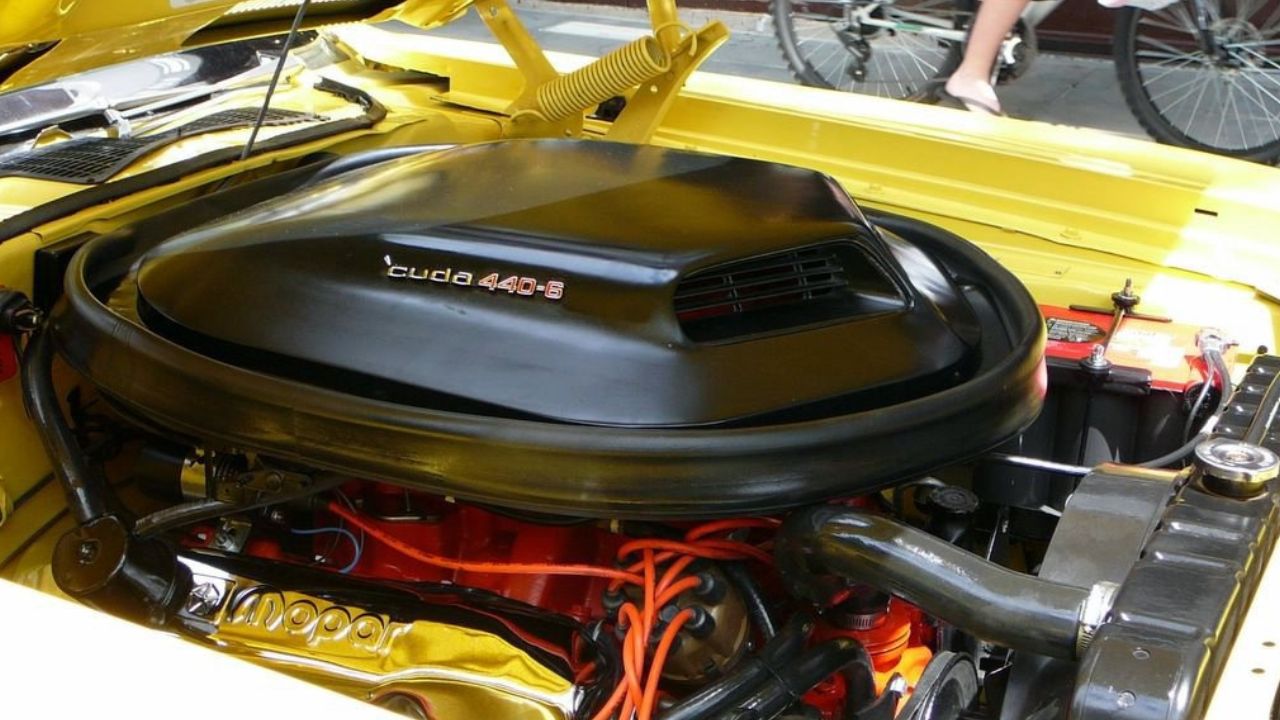
Chrysler’s 440 RB V8 was the big block muscle behind many of the brand’s iconic muscle cars in the late ’60s and early ’70s. Known for its sheer size and power, the 440 RB was a beast of an engine, powering vehicles such as the Dodge Charger and Plymouth Road Runner.
Despite its performance pedigree, the 440 RB also earned a reputation for sturdiness. For those who have a need for speed and a penchant for vintage power, this engine remains a top contender. Its robust design and capacity for high horsepower make it a favorite among drag racers and collectors alike.
Oldsmobile Rocket 88 V8
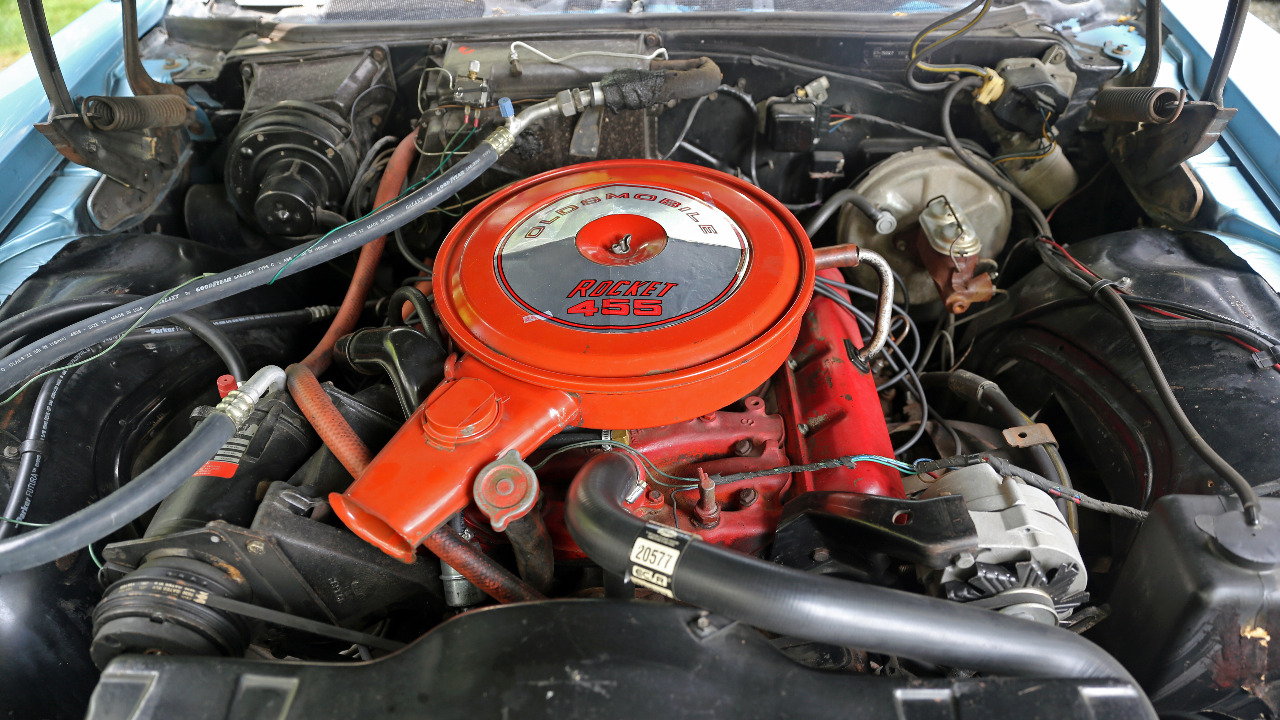
The Oldsmobile Rocket 88 V8 is often credited as one of the first muscle car engines, bursting onto the scene in 1949. Its innovative overhead valve design set the standard for future V8s and provided a glimpse into the future of performance engines.
Enthusiasts and mechanics appreciate the Rocket 88 for its groundbreaking engineering and historical significance. It powered the Oldsmobile 88, a car that became synonymous with speed and style in the 1950s. Even today, the Rocket 88 remains a cherished piece of automotive history, often found at vintage car gatherings.
Pontiac 389 V8
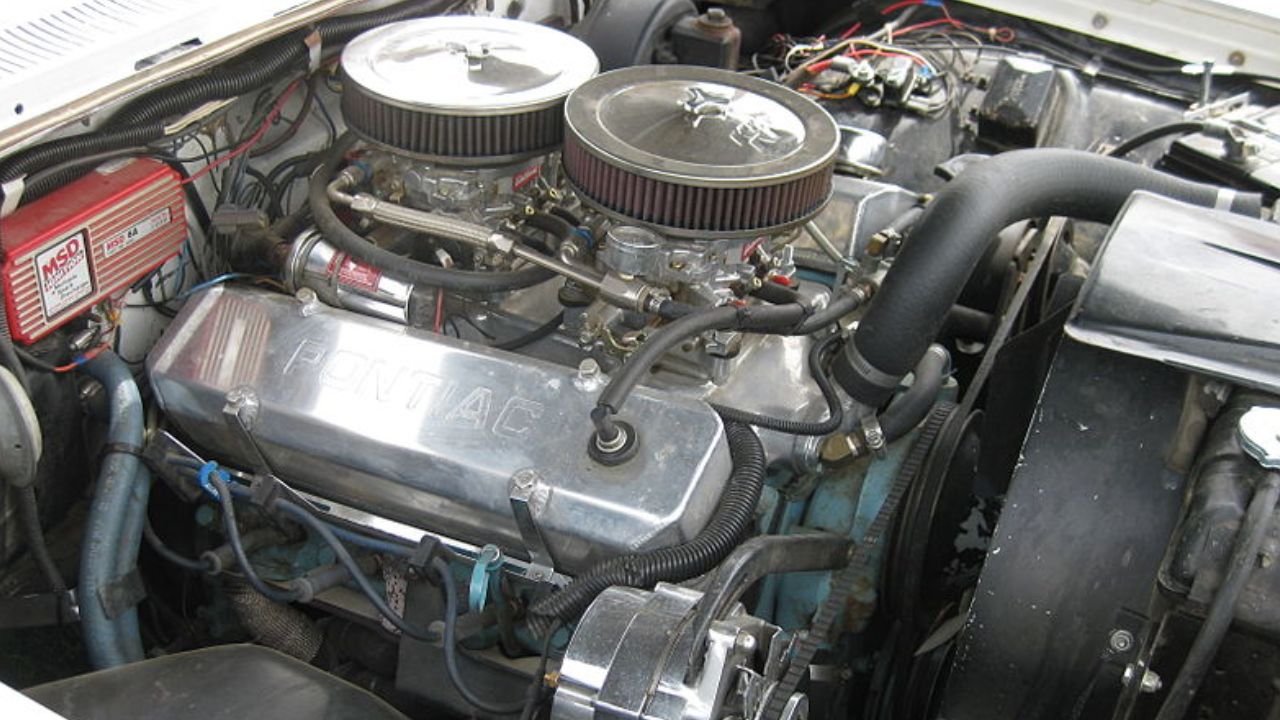
The Pontiac 389 V8 gained fame as the engine of choice for the legendary Pontiac GTO, often heralded as the first true muscle car. Introduced in the 1959 model year, the 389 V8 offered a blend of power and reliability that left a lasting impression.
Mechanics admire the Pontiac 389 for its sturdy build and ease of maintenance. It provided the foundation for the high-performance Tri-Power setup, which included three two-barrel carburetors, boosting its appeal among speed enthusiasts. The engine’s legacy lives on, celebrated by collectors and fans of American muscle.
Cadillac 472 V8
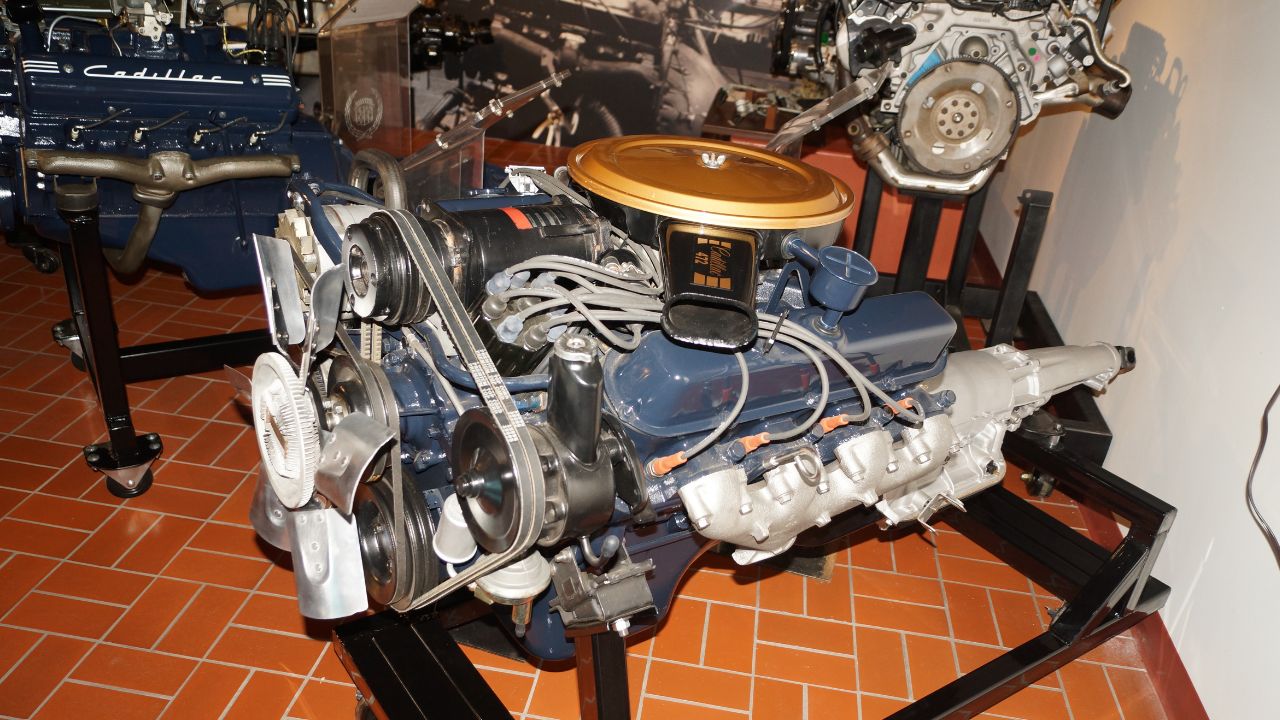
Cadillac’s 472 V8 was designed with luxury and power in mind, debuting in 1968 as part of Cadillac’s line of upscale vehicles. Known for its smooth operation and impressive torque, this engine was a staple of Cadillac’s reputation for refinement and performance.
The 472 V8 was also a marvel of engineering, offering a quiet yet powerful ride that appealed to luxury car buyers. Its longevity is attributed to its high-quality construction and careful engineering, ensuring that many of these engines are still purring under the hoods of classic Cadillacs today.
Buick Nailhead V8
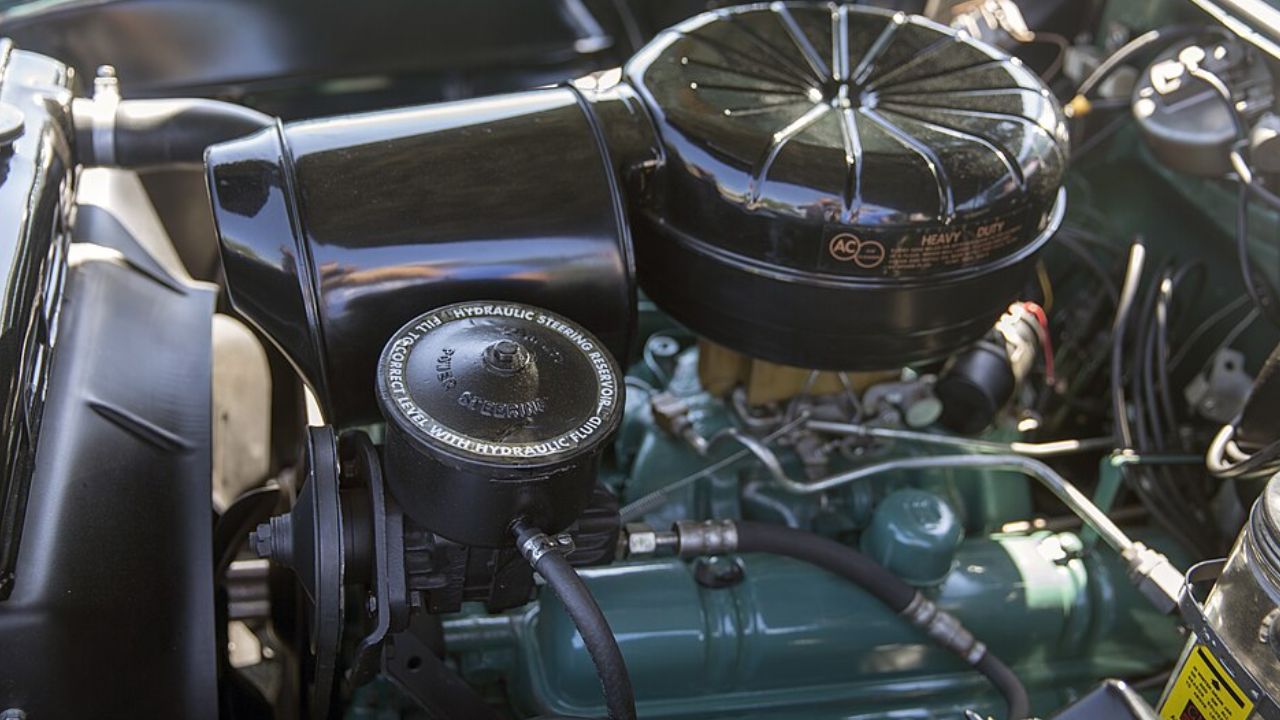
The Buick Nailhead V8, produced from 1953 to 1966, was named for its distinctive, vertically aligned valves that resembled nails. This unique design contributed to the engine’s reliable performance and made it a popular choice for hot rodders and custom builders.
Renowned for its torque, the Nailhead powered many Buick models, including the Wildcat and Riviera. Its quirky design and historical significance have made it a beloved engine among classic car enthusiasts. Despite its age, the Nailhead continues to be celebrated for its durability and distinctive character.
Dodge 318 LA V8
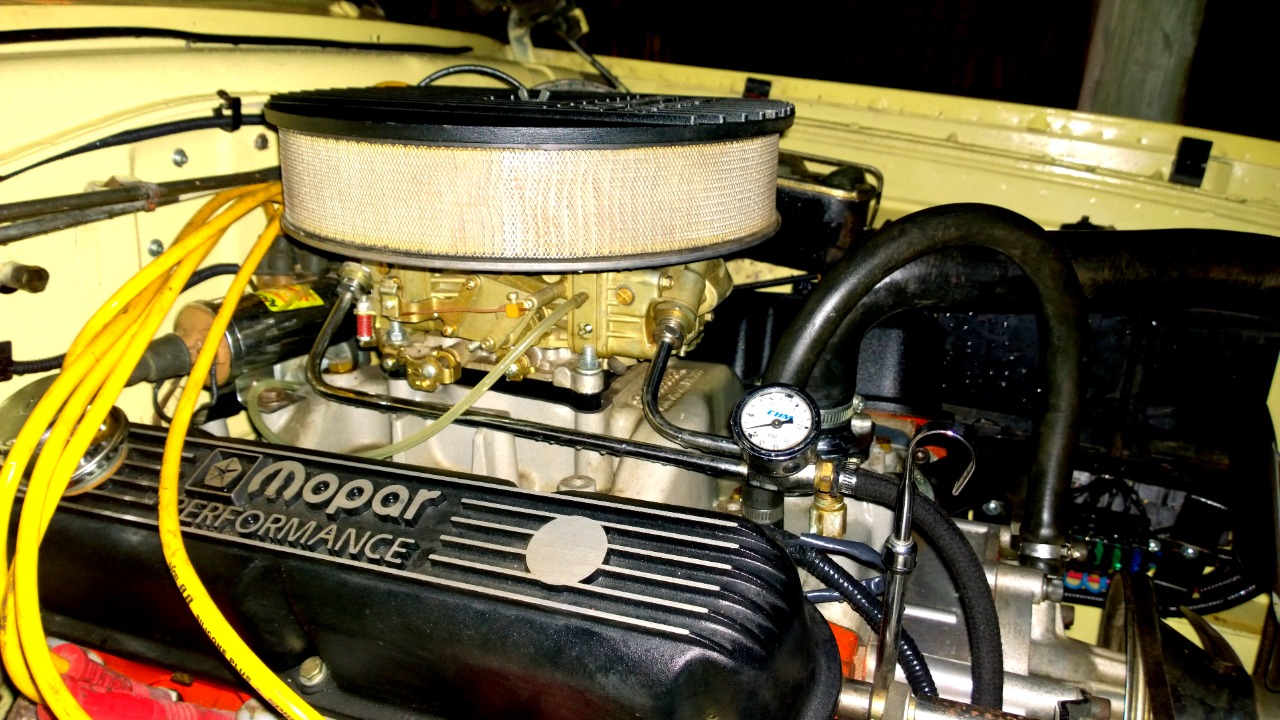
The Dodge 318 LA V8 earned a reputation as a reliable and versatile engine, used across a wide range of Chrysler, Dodge, and Plymouth vehicles. Introduced in 1967, the 318 LA was known for its balance of performance and efficiency, making it a staple for both cars and trucks.
Mechanics praise the 318 for its simplicity and longevity, with many examples still running strong after decades on the road. Its adaptability and ease of maintenance have made it a favorite for everyday drivers and project car builders alike, ensuring its place in automotive history.
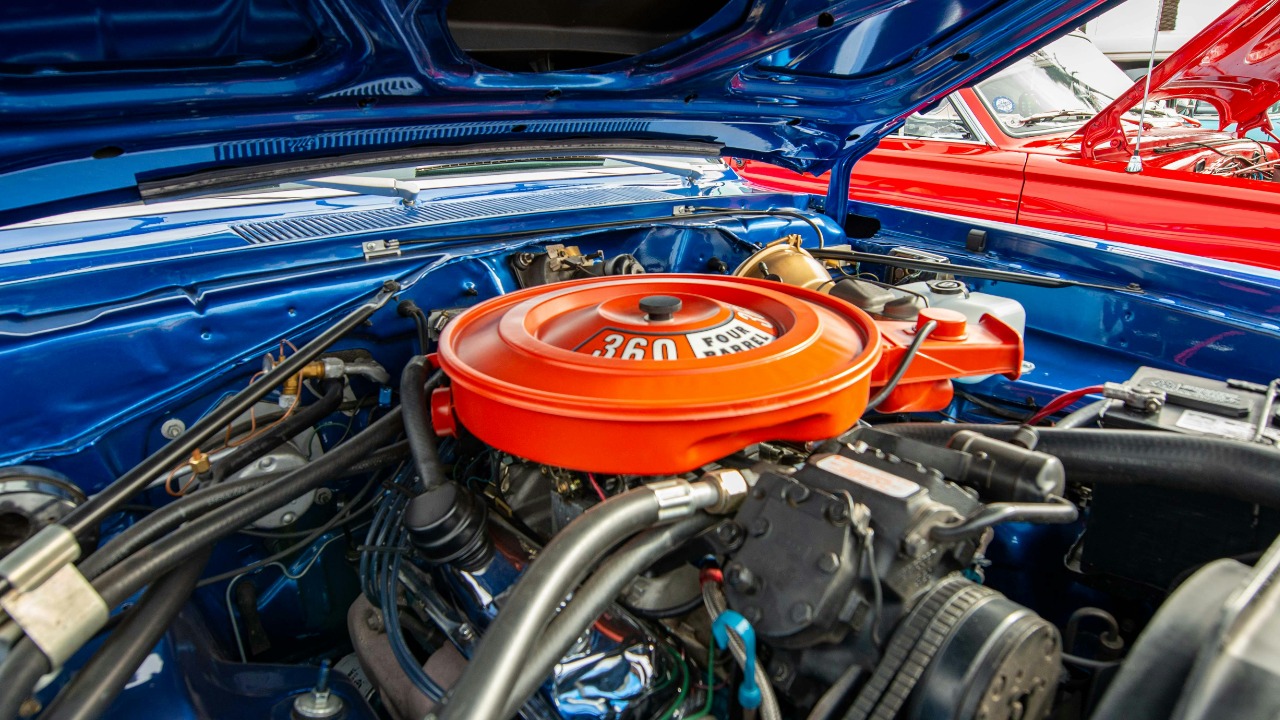
AMC 360 V8
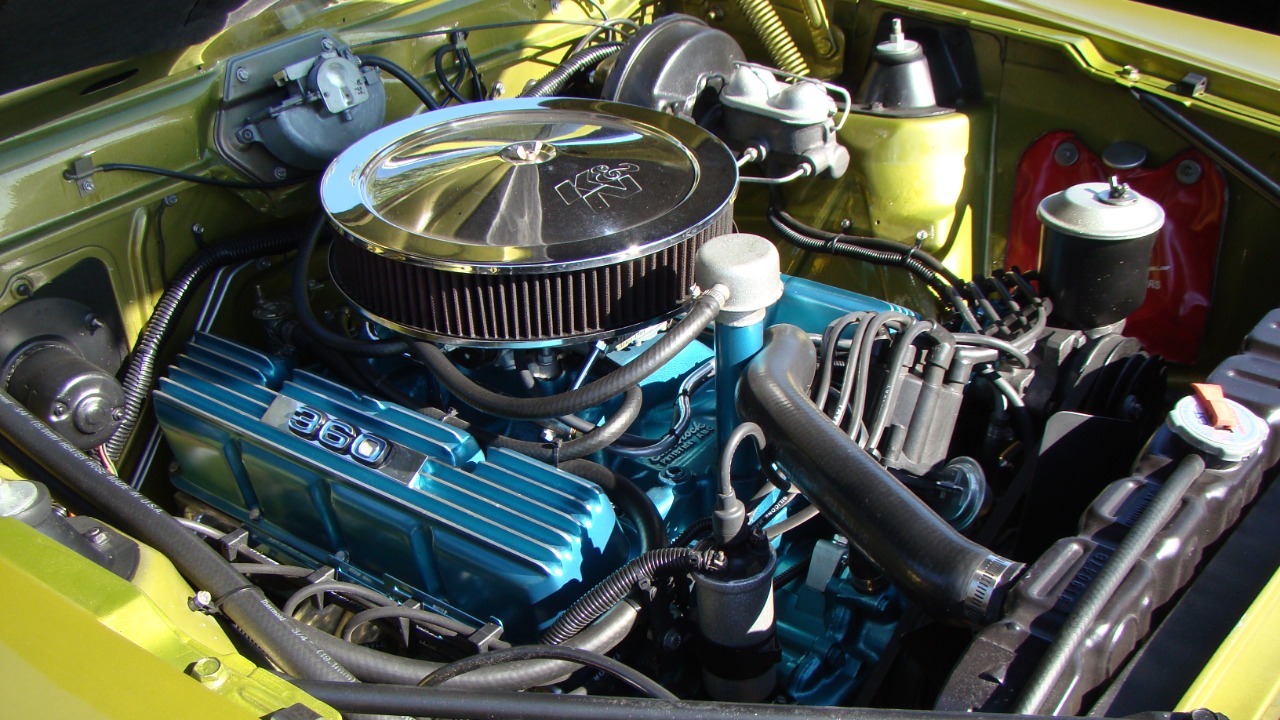
The AMC 360 V8 found its niche in American Motors Corporation’s lineup, powering a variety of vehicles from the AMC Javelin to the Jeep Wagoneer. Introduced in 1970, the 360 was praised for its durability and straightforward design, providing a reliable power source for AMC’s diverse range of cars.
Although AMC is no longer around, the 360 V8 remains a beloved engine among Jeep enthusiasts and classic car collectors. Its robust construction and availability of parts ensure that this engine continues to power vintage Jeeps and AMCs on off-road adventures and car shows alike.
More from Fast Lane Only