Classic engines have left an indelible mark on automotive design, influencing countless modern vehicles. From the roar of the V8 to the efficiency of inline-four engines, these powertrains have shaped the way cars are engineered today. Here, we delve into ten classic engines that continue to inspire innovation in design and performance.
The Ford Flathead V8
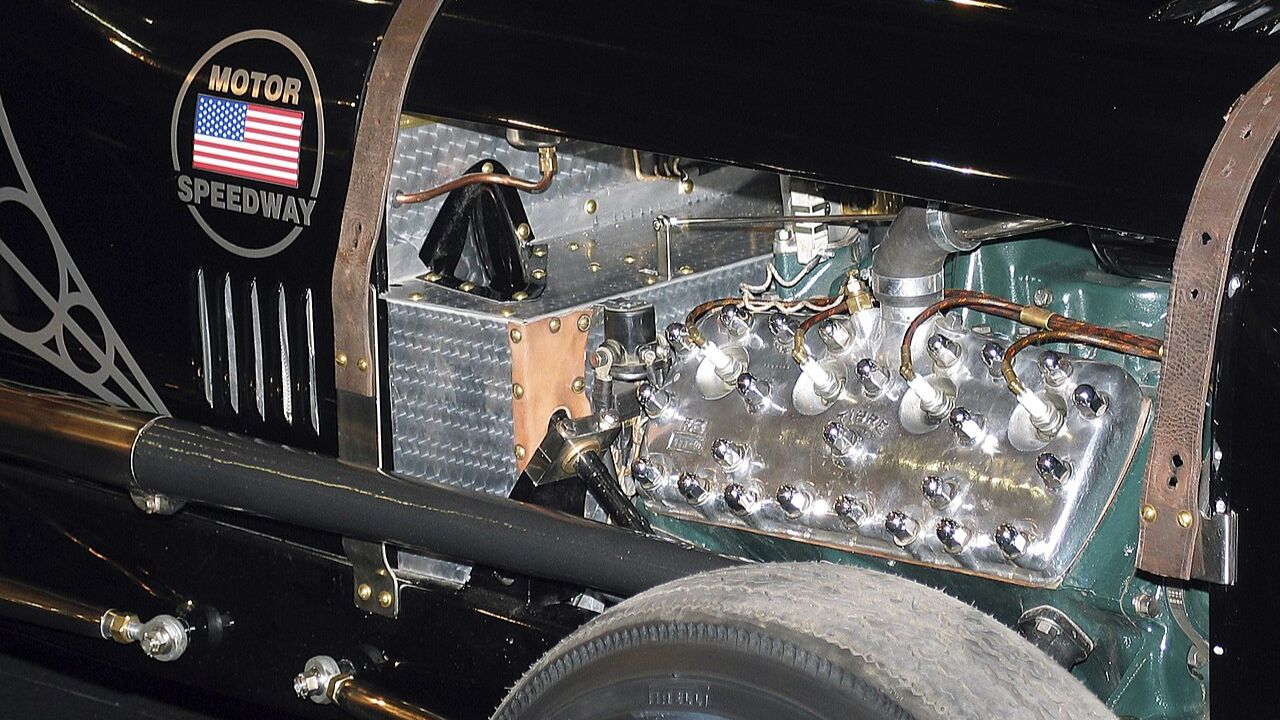
Introduced in 1932, the Ford Flathead V8 revolutionized the automotive industry by providing a powerful, affordable engine for the masses. Its design featured a simple, low-profile configuration that allowed it to fit in a variety of chassis, making it popular among hot rodders and custom builders. The Flathead’s unique ability to produce high torque at low RPMs made it a favorite for both everyday drivers and racing enthusiasts, influencing designs in engines like the modern Ford Coyote V8.
Despite being discontinued in 1953, the Flathead’s legacy lives on. Its straightforward design is echoed in many contemporary engines, emphasizing reliability and ease of maintenance. Performance enthusiasts still seek out the Flathead for vintage builds, showcasing its enduring appeal and influence on engine design.
The Chevrolet Small Block V8
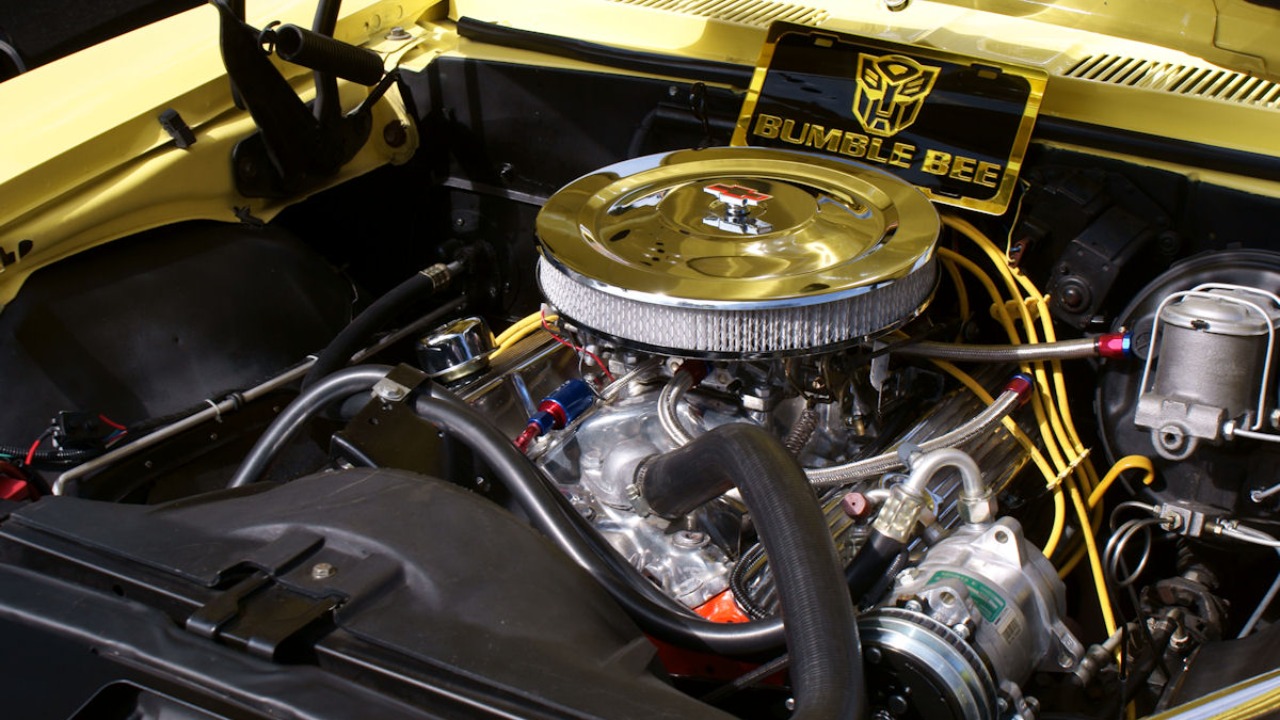
Since its introduction in 1955, the Chevrolet Small Block V8 has become synonymous with American muscle and performance. Known for its versatility and compact size, this engine has powered a wide array of vehicles, from the iconic Corvette to the Chevrolet Silverado. Its design laid the foundation for numerous variations, including high-performance iterations used in motorsports.
The Small Block’s influence extends to modern engines, where its architecture has been adapted for better fuel efficiency and performance. Innovations like variable valve timing and direct fuel injection can trace their lineage back to the principles established by this classic engine, making it a cornerstone of contemporary automotive engineering.
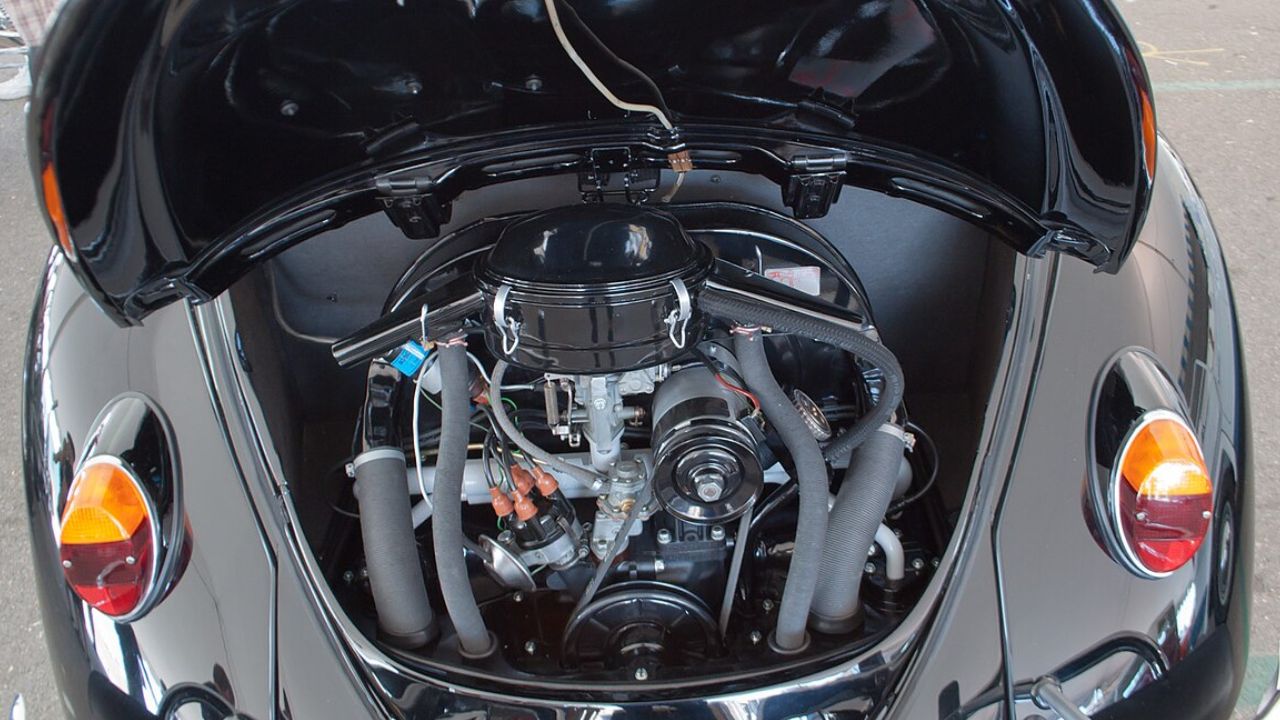
The Volkswagen Beetle Air-Cooled Engine
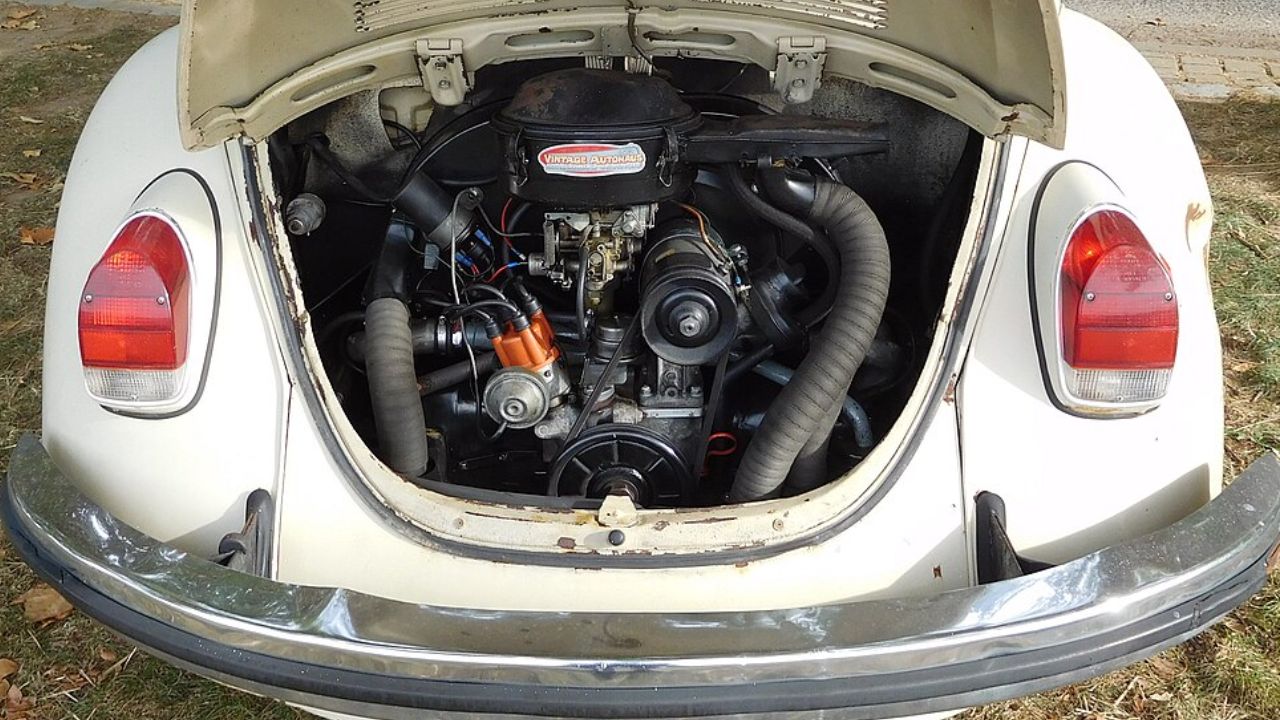
The Volkswagen Beetle air-cooled engine is a hallmark of simplicity and reliability. Designed in the 1930s, this engine was compact, lightweight, and easy to maintain, which contributed to the Beetle’s status as one of the best-selling cars of all time. Its unique horizontal layout and air-cooling system set it apart from many water-cooled counterparts, allowing for a more straightforward design.
This engine’s influence can still be seen in modern compact cars that prioritize efficiency and low weight. The principles of air-cooling and simplicity continue to inspire manufacturers focusing on reducing complexity in engine designs, proving that sometimes less truly is more.
The Jaguar XK Inline-Six
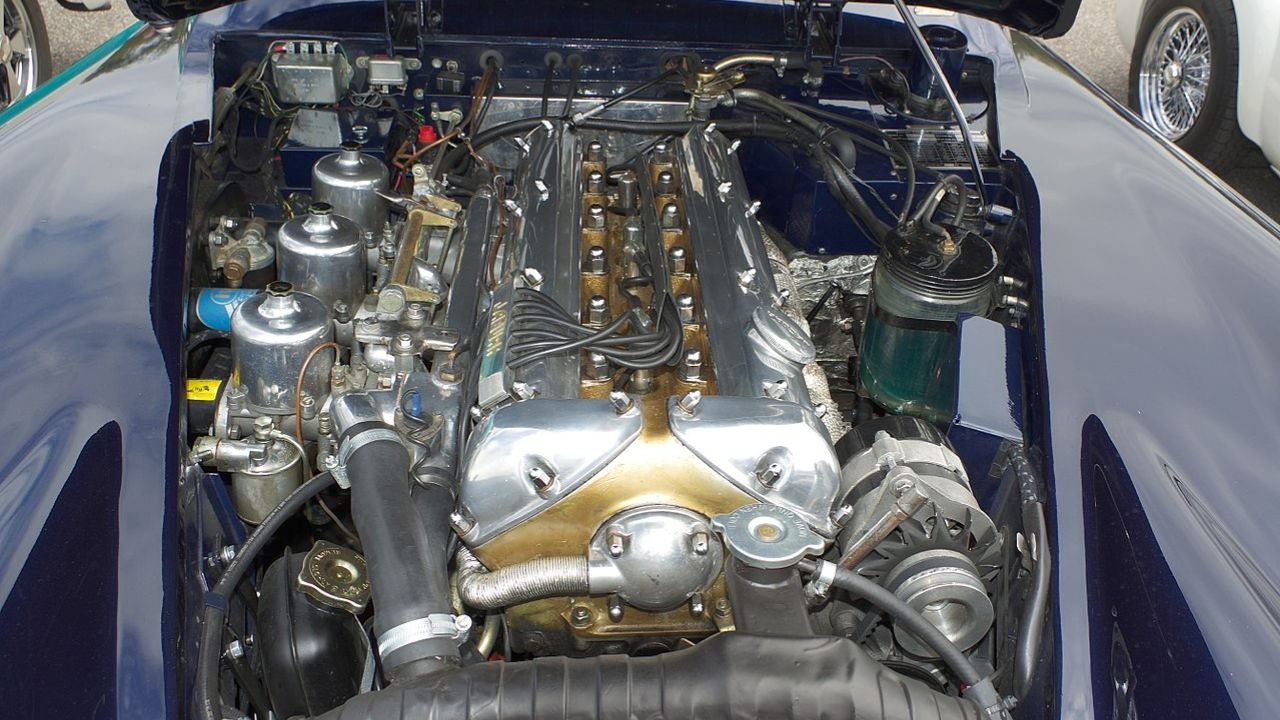
Launched in 1948, the Jaguar XK Inline-Six was revered for its smoothness and performance. With a design that prioritized balance and power, this engine became a standard for luxury and sports cars. The XK engine was notable for its innovative use of aluminum in construction, providing weight savings and improved thermal efficiency.
Modern engines, especially in the luxury segment, often echo the XK’s design philosophy, focusing on refinement and performance. The legacy of the XK Inline-Six can be seen in Jaguar’s contemporary offerings, which continue to emphasize smooth power delivery and advanced engineering.
The Porsche 911 Flat-Six
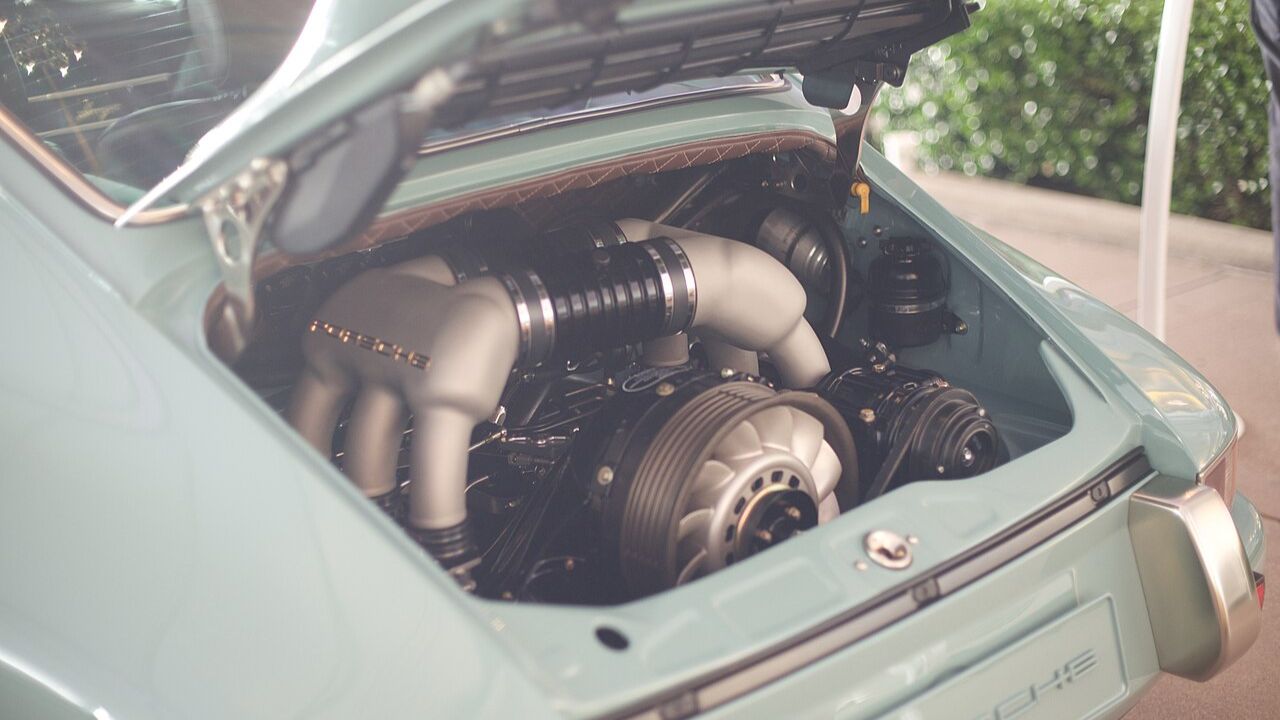
The Porsche 911 Flat-Six engine has defined the sports car experience since 1964. Its distinctive flat layout allows for a lower center of gravity, enhancing handling and stability. The engine’s ability to produce high power while maintaining smooth operation has made it a benchmark for performance-oriented designs.
Modern iterations of the Flat-Six continue to push boundaries with turbocharging and advanced fuel management. This engine’s influence is evident in the way manufacturers design sports cars today, focusing on achieving a balance between raw power and driver engagement, making it a lasting icon in automotive engineering.
The Mercedes-Benz M100 V8
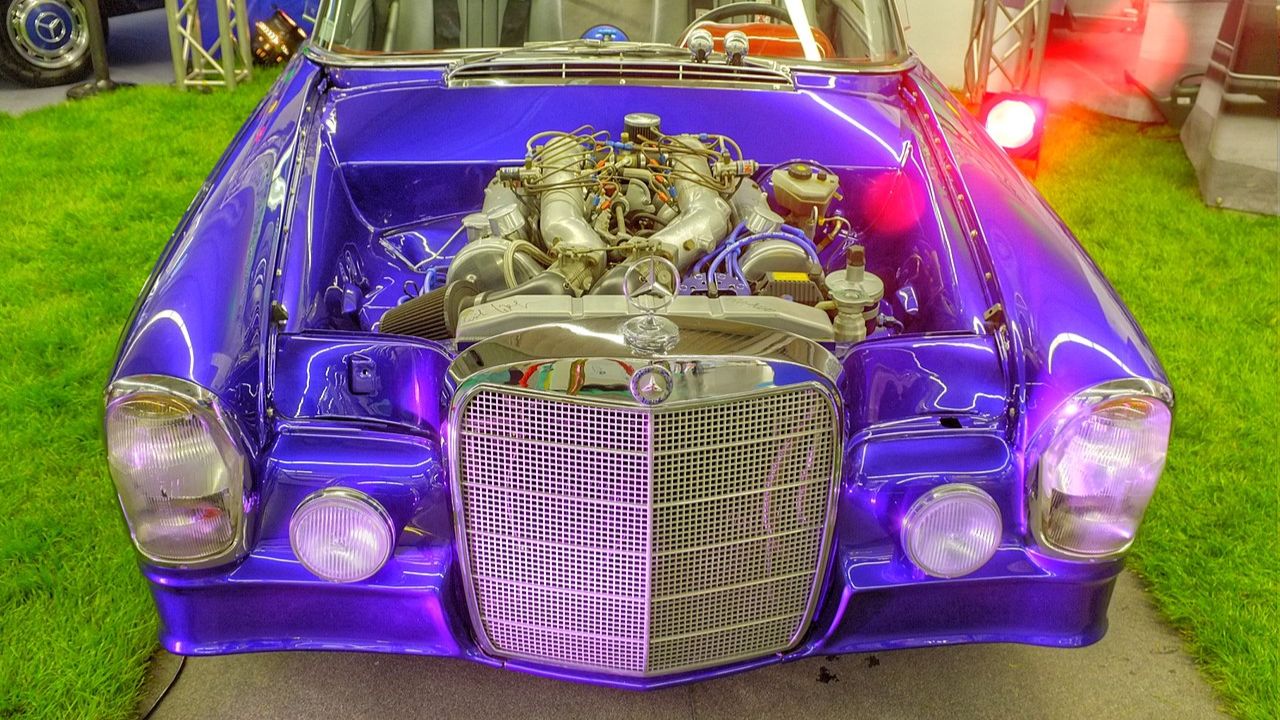
Debuting in 1963, the Mercedes-Benz M100 V8 was engineered for luxury and performance. It powered the legendary 600 model, known for its smooth ride and impressive torque. The M100’s robust construction and advanced engineering set new standards for performance in luxury vehicles.
Today, the principles of the M100 are reflected in Mercedes-Benz’s latest powertrains, which emphasize comfort without sacrificing performance. Its legacy continues to influence the design of high-performance luxury engines that provide both power and refinement.
The Honda K-Series Inline-Four
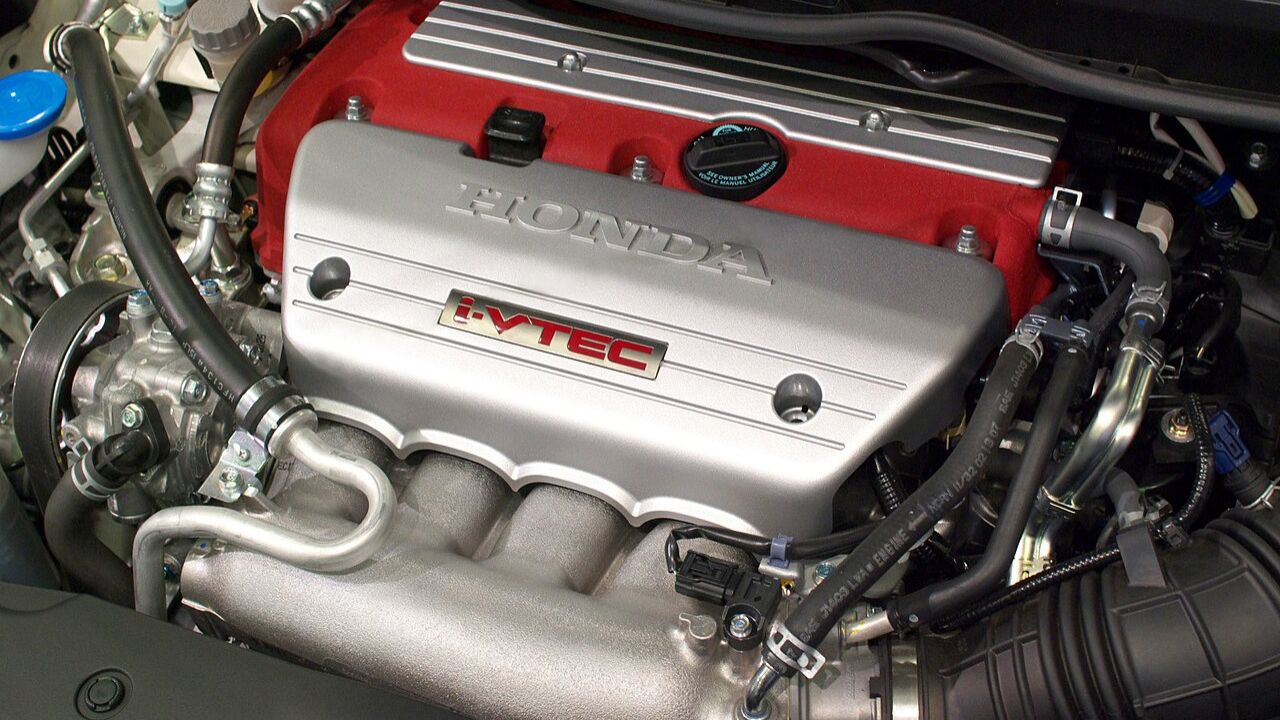
Since its introduction in 2001, the Honda K-Series Inline-Four has become a staple in the automotive world. Known for its high-revving nature and impressive power output, this engine has powered a variety of models, including the Civic and Accord. Its lightweight design and fuel efficiency have made it a favorite among performance enthusiasts and everyday drivers alike.
The K-Series engine’s influence is evident in modern turbocharged inline-fours, with manufacturers adopting its design principles to enhance performance while improving fuel economy. Its versatility has set a new standard for what can be achieved in compact engine design.
The Toyota 2JZ Inline-Six
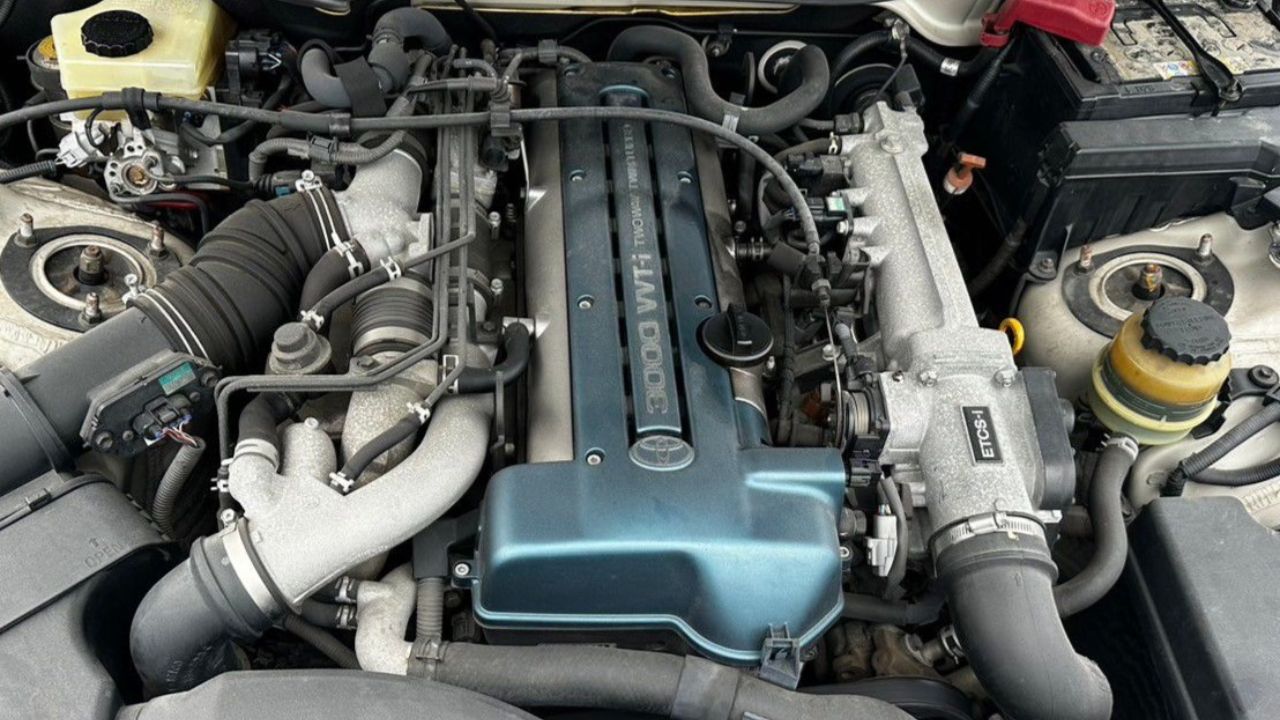
The Toyota 2JZ Inline-Six is celebrated for its durability and performance, particularly in the Toyota Supra. Known for its ability to handle significant power upgrades, the 2JZ has become a favorite in the tuning community. Its robust construction and advanced technology, like dual VVT-i, allow it to excel in both street and racing applications.
Modern performance engines often draw inspiration from the 2JZ’s capabilities, focusing on building strength and flexibility. Its legacy can be seen in the way manufacturers approach high-performance inline engines today, emphasizing the importance of a balanced design that can adapt to various power levels.
The BMW M20 Inline-Six
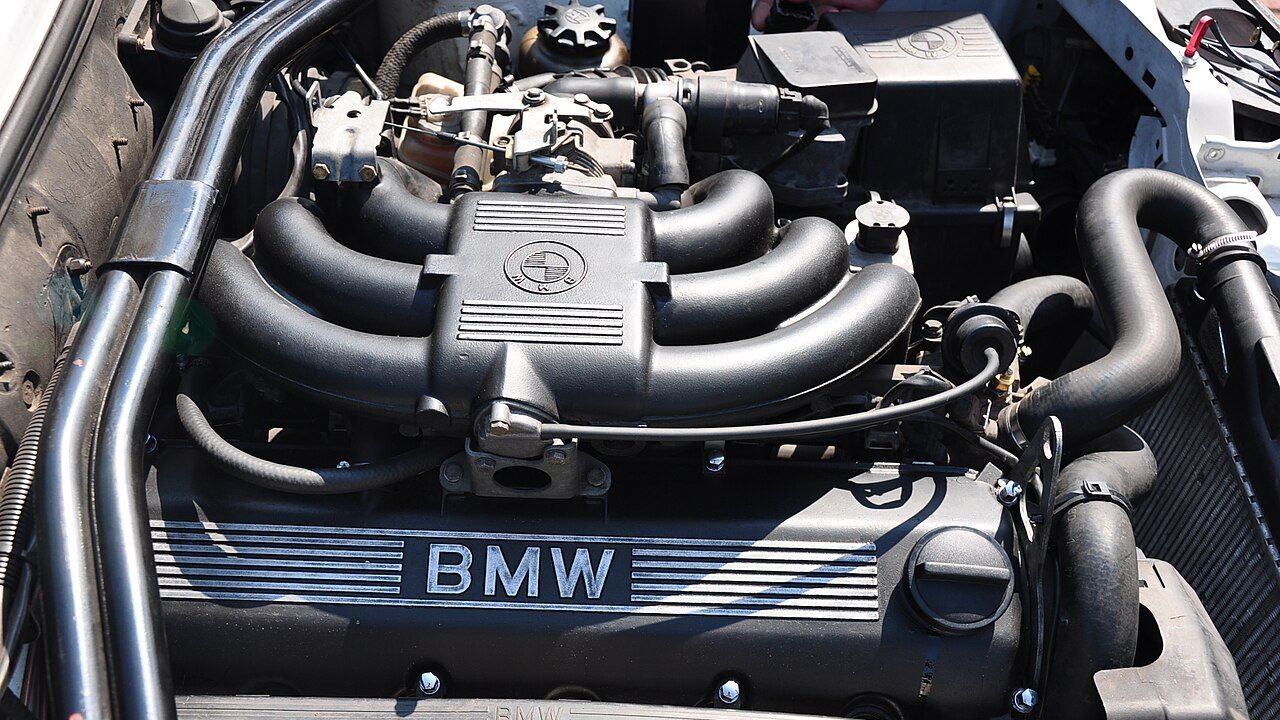
The BMW M20 Inline-Six engine holds a significant place in automotive history, introduced in the late 1970s. Known for its smooth operation and high-revving characteristics, the M20 powered various BMW models, including the 3 Series and 5 Series. Its engineering set a standard for inline-six engines and contributed to BMW’s reputation for performance and luxury.
Today, the principles established by the M20 can be seen in BMW’s modern inline-six engines, which continue to emphasize smooth power delivery and advanced engineering. Its legacy is a testament to the effectiveness of the inline-six configuration in delivering a well-rounded driving experience.
The Nissan RB26DETT Inline-Six
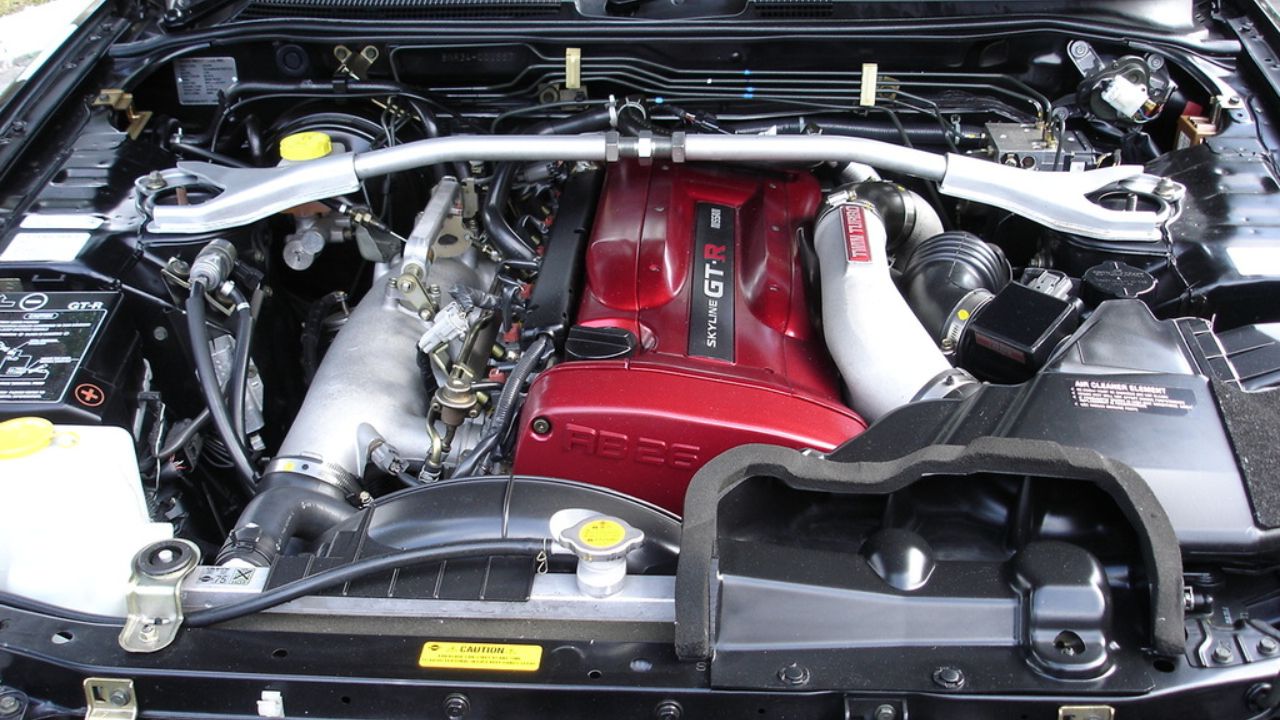
The Nissan RB26DETT Inline-Six is an iconic engine known for its performance and tuning potential, especially within the Nissan Skyline GT-R. Introduced in the late 1980s, the RB26DETT featured a twin-turbo setup and robust construction, allowing it to produce impressive power figures.
Its influence on the automotive world is profound, as many modern performance engines adopt similar turbocharging techniques and robust engine designs. The RB26DETT remains a benchmark for enthusiasts and tuners, serving as a foundation for the design of high-performance inline engines in the current market.
More from Fast Lane Only