
The 24 Hours of Le Mans is more than just a legendary endurance race; it’s a proving ground for automotive technology. Over the decades, innovations developed and honed on the Le Mans circuit have greatly influenced the design and performance of today’s road cars, making them faster, safer, and more efficient.
The History and Legacy of Le Mans

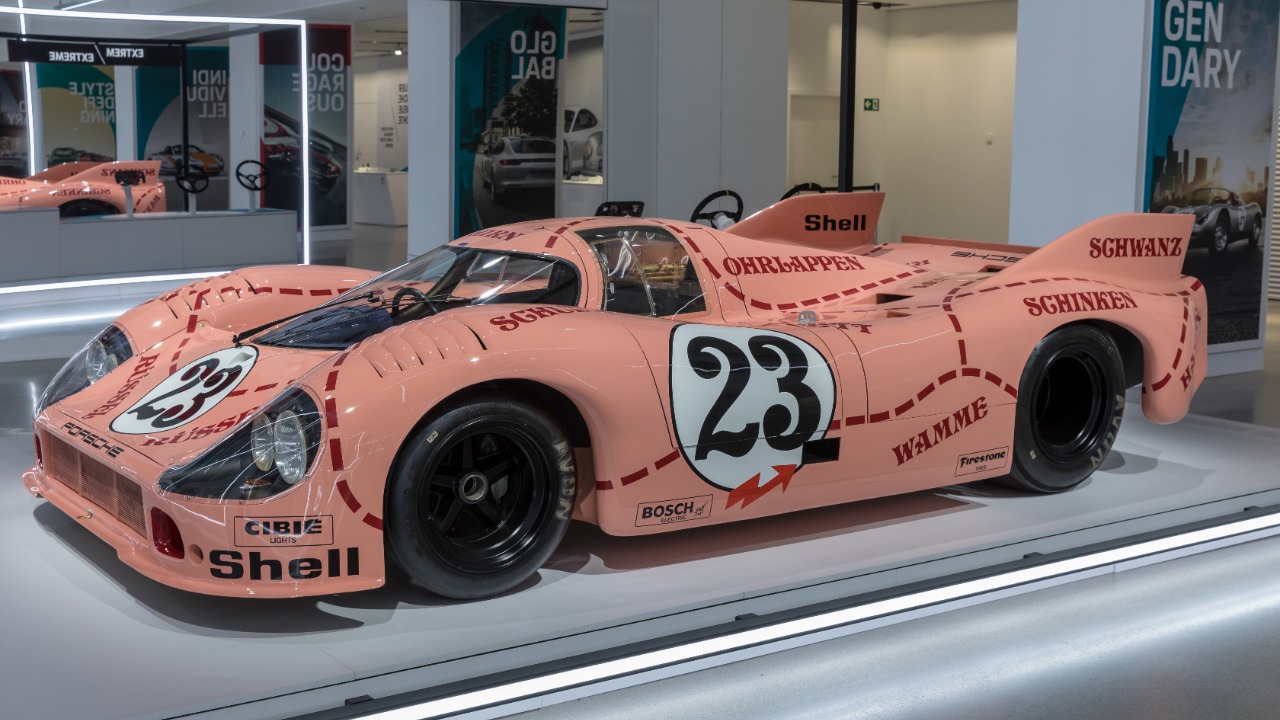
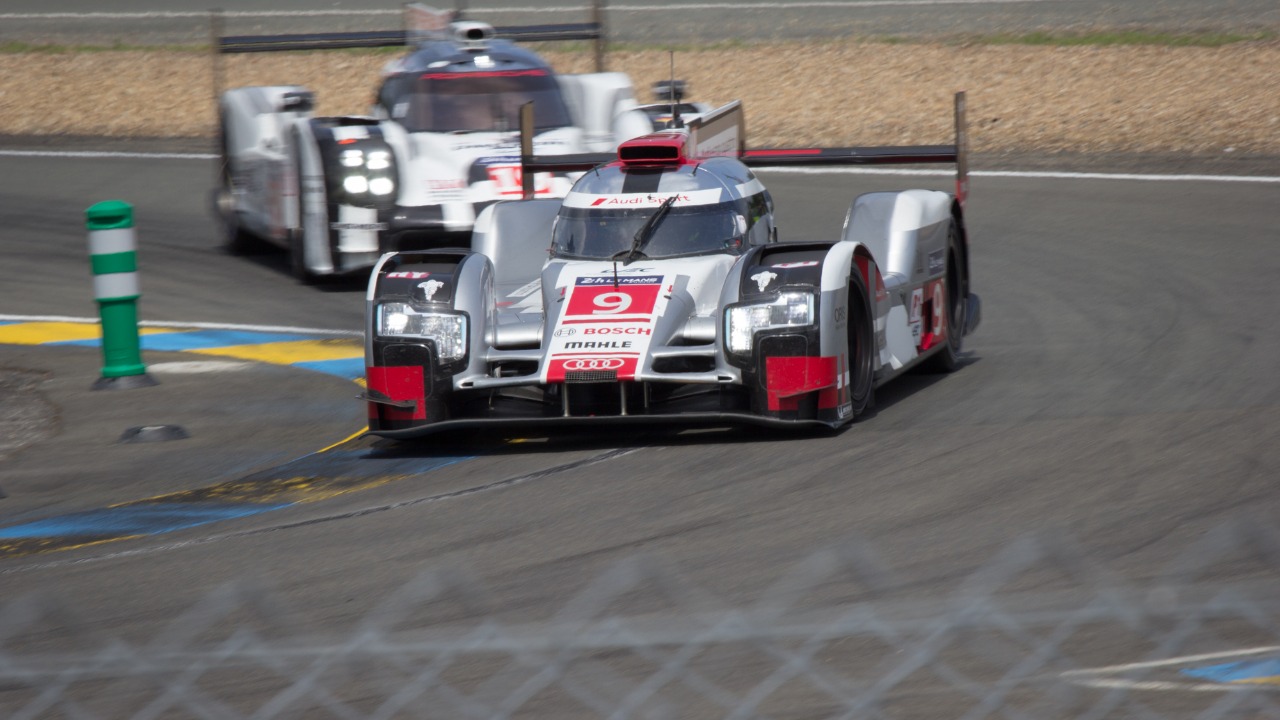
The 24 Hours of Le Mans first roared to life in 1923 as a test of both endurance and speed, initiating a legacy that continues to captivate motorsport enthusiasts. It was conceived as a platform for car manufacturers to demonstrate their engineering prowess over a grueling 24-hour period. Over the years, Le Mans has grown into one of the most prestigious events in motorsport, drawing attention from major automotive manufacturers and racing teams worldwide. Car manufacturers have long used Le Mans as a testing ground for innovative automotive technologies. The race offers a unique environment where new concepts can be trialed under extreme conditions. For instance, companies like Porsche and Audi have utilized Le Mans as a laboratory for developing technologies that eventually find their way into consumer vehicles. This approach has cemented Le Mans’ status as a pivotal influence on the automotive industry, shaping the way cars are designed and built. Throughout its history, Le Mans has been home to numerous iconic cars and milestones that have left a lasting impact on automotive design. Vehicles like the Ford GT40 and the Porsche 917 not only achieved legendary status on the track but also influenced the design and technology of future road cars. These vehicles exemplified breakthroughs in speed, endurance, and engineering, setting new standards for what was possible in car manufacturing.
Technological Innovations Born from Le Mans
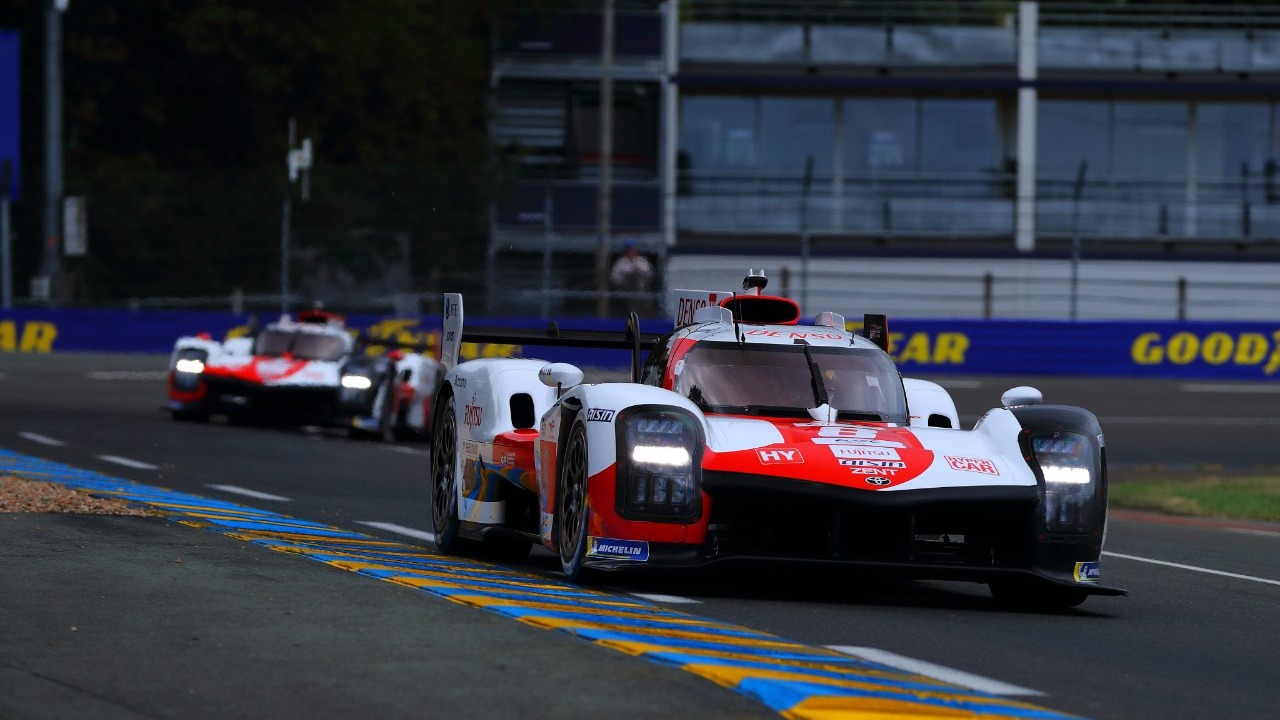
One of the most significant contributions from Le Mans to road car development is the focus on aerodynamics. The need for speed and efficiency in endurance racing has driven engineers to push the boundaries of aerodynamic design. This focus has translated into modern road cars, where improved aerodynamics contribute to better fuel efficiency and enhanced performance. The sleek designs seen in vehicles like the Toyota Prius can trace their lineage back to innovations tested on the Le Mans circuit. Engine and powertrain advancements have also been a focal point at Le Mans. The race has seen the evolution of engines and the introduction of hybrid systems that are now commonplace in everyday vehicles. For example, the hybrid technology used in the Toyota TS050 Hybrid, a Le Mans winner, has influenced the development of consumer hybrids, offering improved efficiency and reduced emissions in models like the Toyota Camry Hybrid. Safety is paramount in motorsport, and Le Mans has been instrumental in pioneering safety enhancements that are now standard in road cars. Advanced braking systems, crash structures, and improved seat designs initially developed for race car drivers’ protection have been adapted for consumer vehicles, making them safer for everyday use. These innovations highlight the direct impact of motorsport on consumer safety.
Sustainability and Efficiency
Le Mans has also been a leader in promoting alternative fuels and hybrid technology as solutions for more sustainable vehicles. The race has encouraged the development of technologies that reduce environmental impact while maintaining performance. This commitment is evident in the increasing presence of hybrid and electric vehicles on the track, which has inspired similar trends in the consumer market. The use of lightweight materials, such as carbon fiber, was first tested in the high-stakes environment of Le Mans. These materials help reduce vehicle weight and improve efficiency, ultimately leading to better fuel economy and performance. Today, carbon fiber and other advanced materials are becoming more common in road cars, demonstrating the trickle-down effect of motorsport innovations. The quest for efficiency at Le Mans has also influenced global emission standards. As manufacturers strive to develop vehicles that can compete in endurance racing while adhering to strict emissions regulations, these advancements have filtered down to consumer vehicles. The push for greener vehicles is a testament to how motorsport can drive meaningful change in the automotive industry.
The Future of Road Cars Inspired by Le Mans
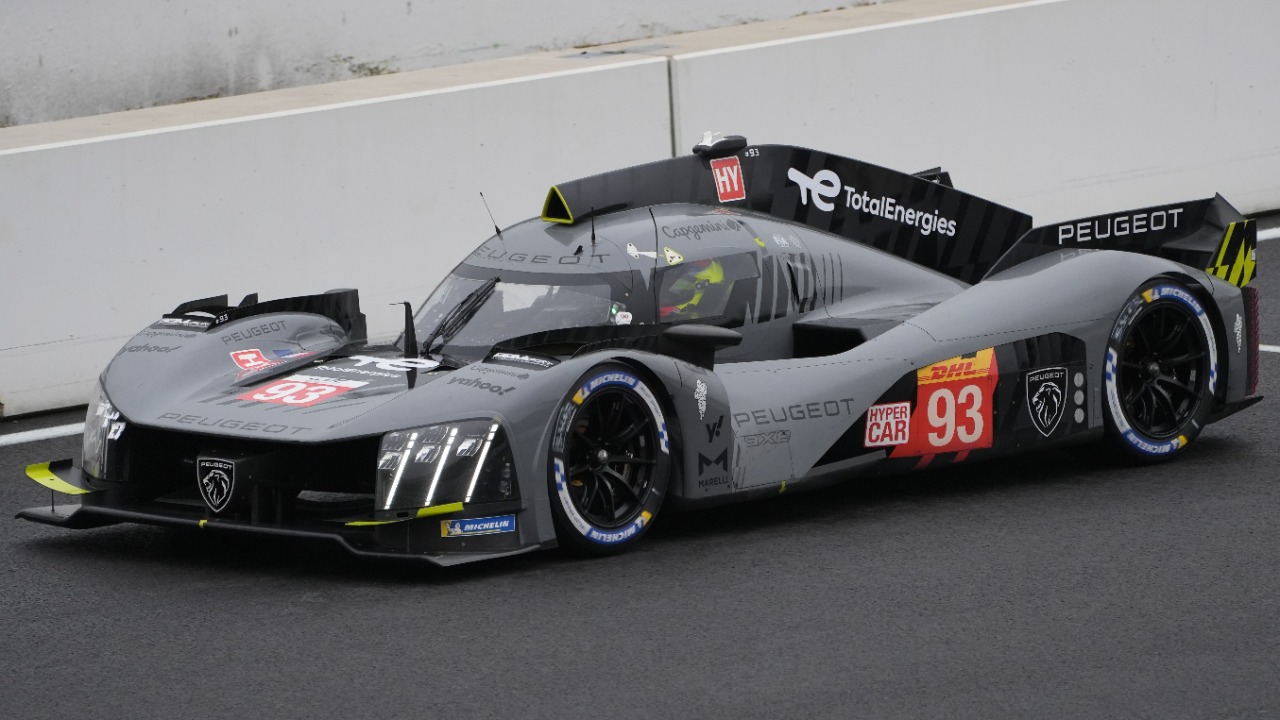
As Le Mans continues to evolve, the race is poised to shape the future of road cars with emerging technologies. Trends such as electric vehicles and autonomous driving are gaining traction, and their potential impact on consumer vehicles is significant. These innovations, initially tested on the race track, could redefine personal transportation, offering new levels of performance, efficiency, and safety. The role of regulations in motorsport is crucial for driving innovation. Changing regulations often necessitate new approaches to vehicle design and technology, pushing manufacturers to think creatively and develop cutting-edge solutions. This dynamic environment fosters advancements that could revolutionize the way we approach personal transportation in the future. Consumer expectations have been shaped by the advancements seen in Le Mans. Modern road car buyers now demand vehicles that offer exceptional performance, safety, and sustainability. This shift in expectations is a direct result of the innovations born from motorsport, showcasing the profound influence of Le Mans on the automotive industry.
Cultural and Economic Impact

The influence of Le Mans extends beyond technology, deeply impacting car culture worldwide. The race has inspired a global community of car enthusiasts and collectors who admire the engineering feats achieved on the track. This cultural phenomenon highlights the enduring appeal of Le Mans and its role in fostering a passionate automotive community.
For car manufacturers, participating in Le Mans is not only a technological endeavor but also an economic one. The financial impact of investing in Le Mans can be significant, with costs balanced by the potential for innovation and marketing success. Brands that succeed at Le Mans often experience enhanced reputation and increased consumer interest, demonstrating the economic implications of motorsport participation.
Participation in Le Mans serves as a powerful marketing tool for automotive brands. The race’s global visibility allows manufacturers to showcase their technological prowess and commitment to innovation. This exposure influences consumer perceptions and can lead to increased sales, as seen with brands like Audi, which leveraged its Le Mans success to enhance its brand image and market presence.
Like Fast Lane Only’s content? Be sure to follow us.Here’s more from us:






Leave a Reply