
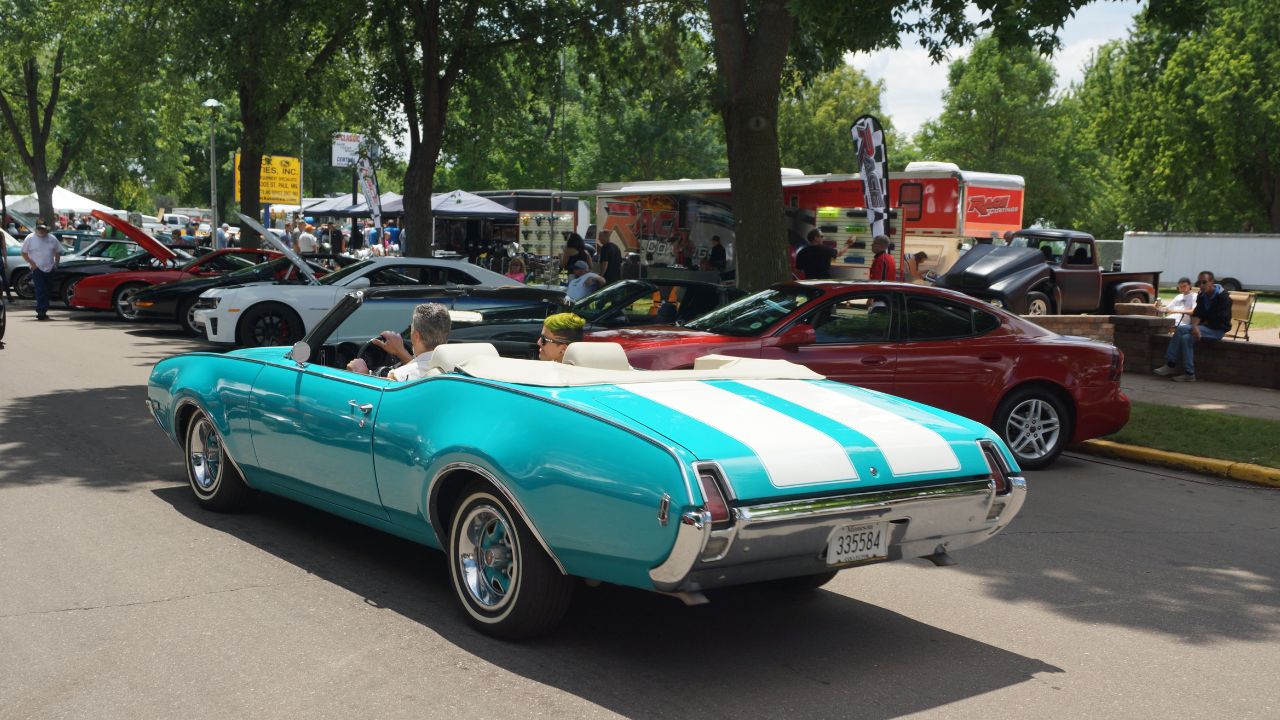
Throughout automotive history, numerous car brands have captured the hearts of drivers, only to fade into obscurity over time. These brands once boasted impressive lineups and cutting-edge designs, yet they now exist mainly in memories and classic car shows. Let’s take a nostalgic journey through some of these forgotten brands that once ruled the road.
Studebaker
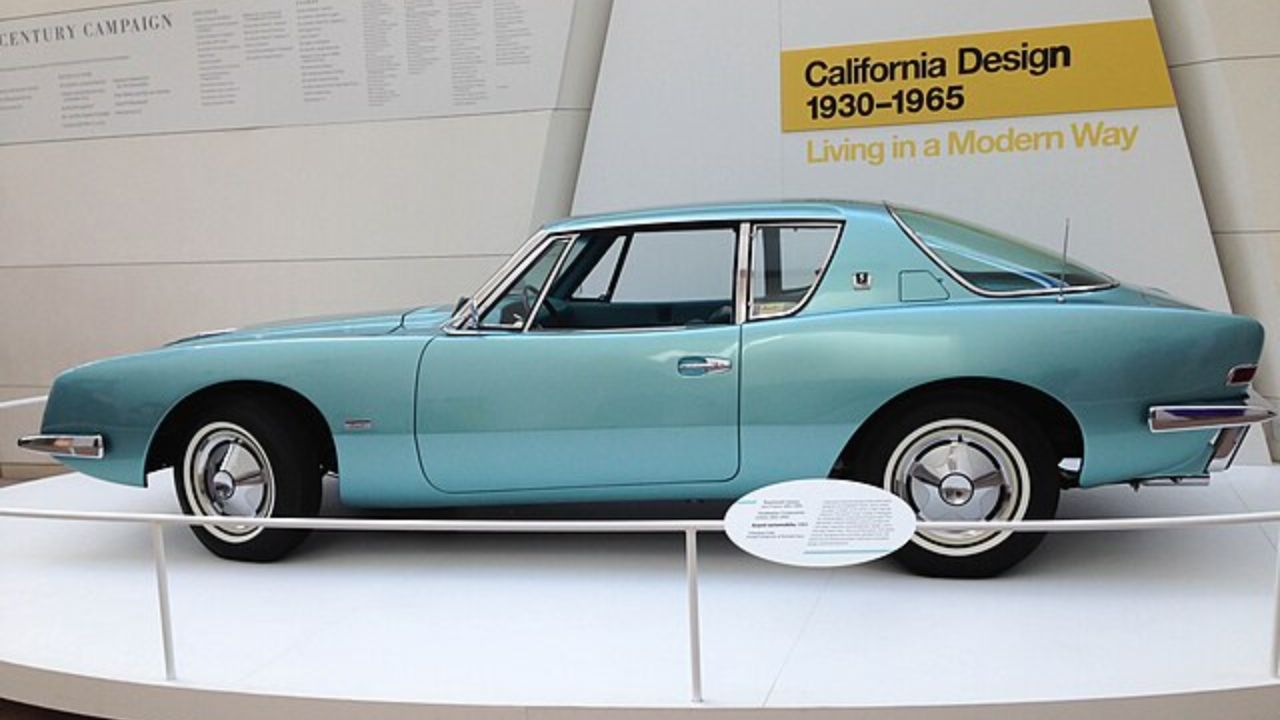
Studebaker, a name synonymous with innovation, began as a wagon manufacturer in the 19th century before transitioning to automobiles in the early 20th century. Known for its distinctive designs and engineering prowess, the company produced iconic models like the Studebaker Commander and the Avanti in the 1960s. The Avanti, with its pioneering fiberglass body and aerodynamic shape, was a testament to the brand’s forward-thinking approach.
Unfortunately, financial difficulties and increased competition led to Studebaker’s downfall. The company ceased production in 1966, but its legacy lives on in the classic car community, where enthusiasts continue to celebrate its unique contributions to automotive design.
Pontiac
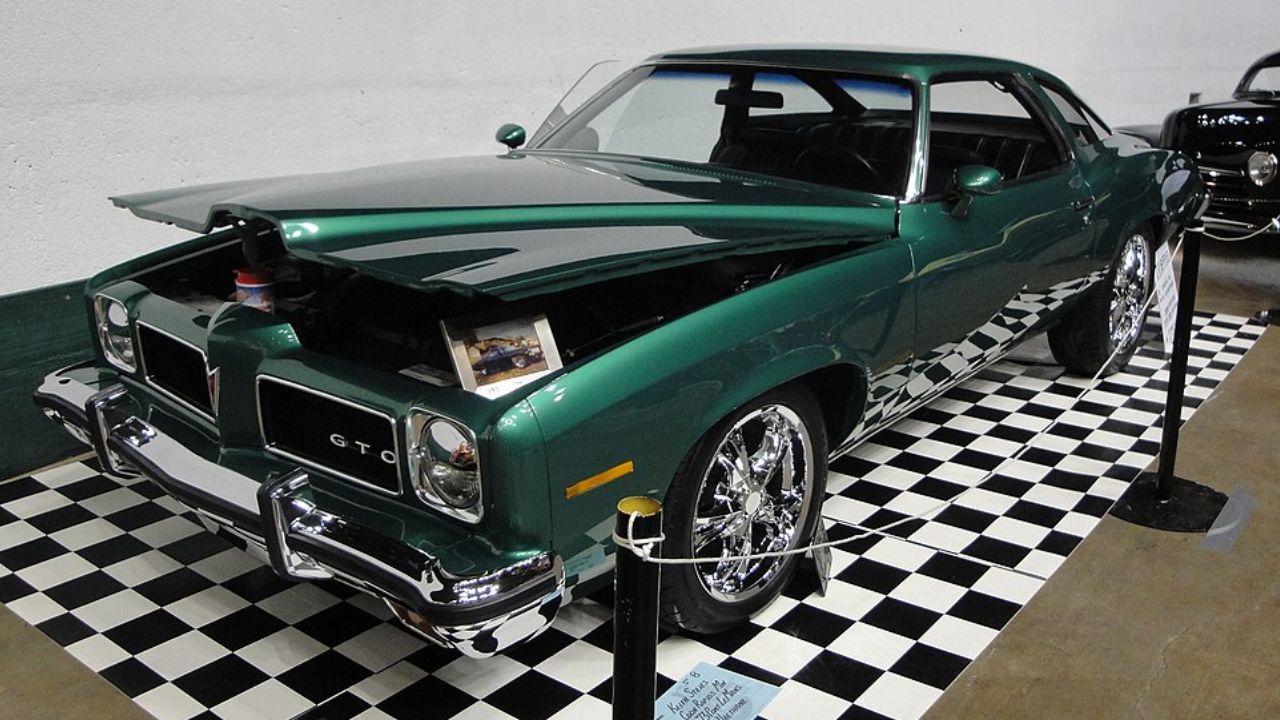
Pontiac, a division of General Motors, was renowned for its performance-oriented vehicles. Established in 1926, the brand gained a reputation for producing muscle cars like the GTO and Firebird, which became symbols of American automotive culture in the 1960s and 1970s. The GTO, in particular, is often credited as one of the first true muscle cars, offering high-performance at an affordable price.
Despite its storied history, Pontiac was discontinued in 2010 as part of GM’s restructuring efforts following the financial crisis. Today, Pontiac’s legacy endures through its iconic models, cherished by collectors and car enthusiasts alike.
AMC (American Motors Corporation)
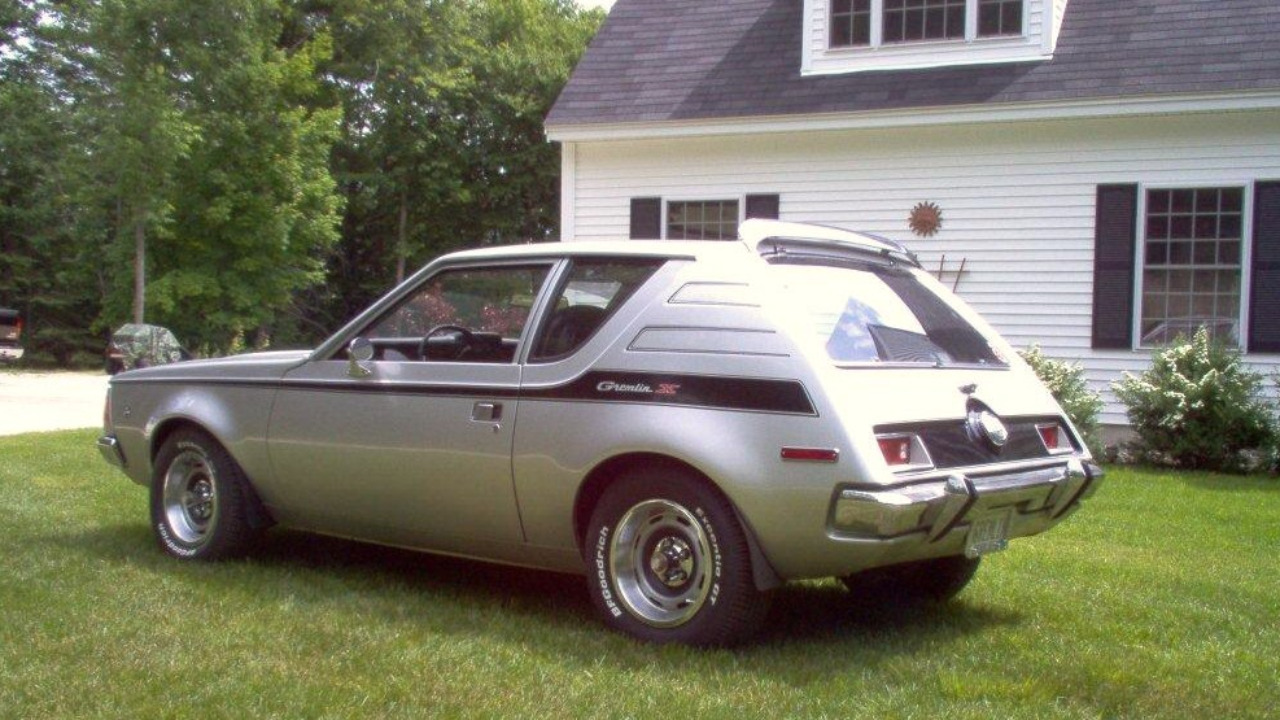
American Motors Corporation (AMC) was formed in 1954 from the merger of Nash-Kelvinator and Hudson Motor Car Company. Known for its compact and fuel-efficient models, AMC introduced vehicles like the Rambler and the AMC Gremlin. The Gremlin, launched in the 1970s, was one of the first American subcompact cars, offering a practical solution during the fuel crises of the era.
Despite its innovative spirit, AMC struggled to compete with larger automakers and was eventually acquired by Chrysler in 1987. Although AMC is no longer around, its influence is still felt, particularly in the compact car segment.
Oldsmobile
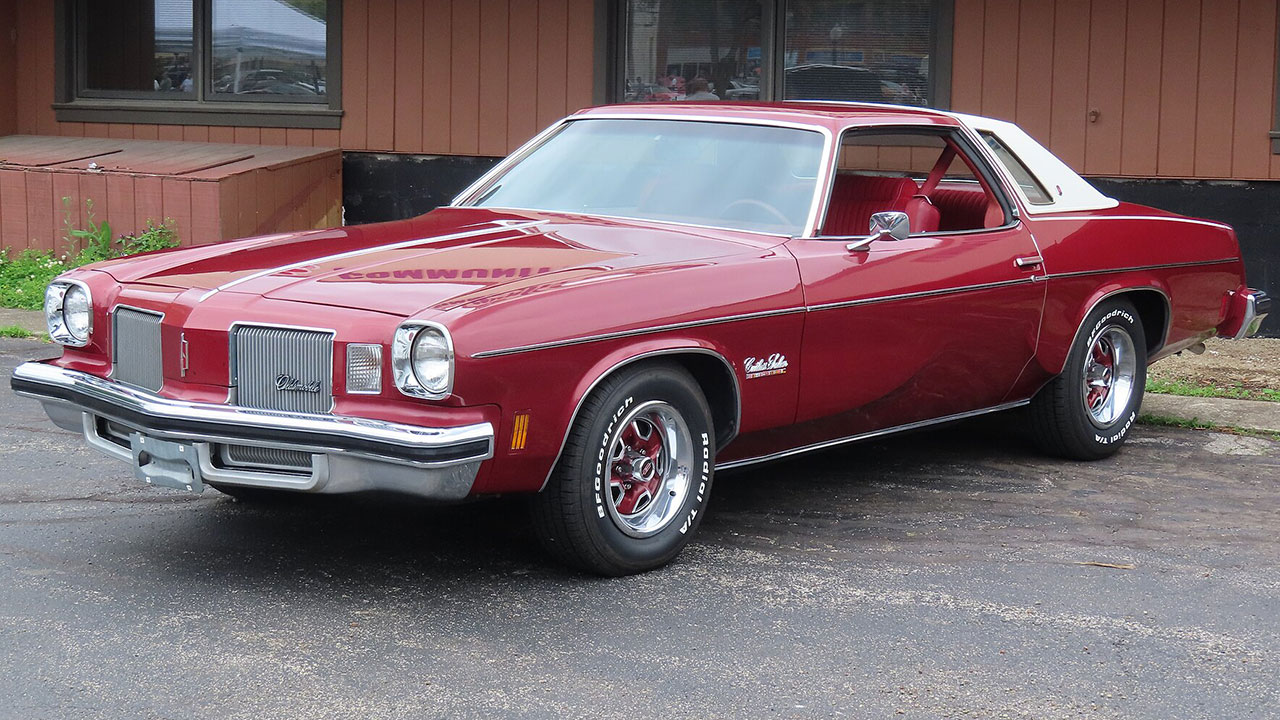
Founded in 1897, Oldsmobile was one of America’s oldest car brands and a pioneer in the automotive industry. It gained fame for models like the Oldsmobile Cutlass and the 442, which became household names in the 1960s and 1970s. The Cutlass Supreme, in particular, was a best-seller, known for its sleek design and robust performance.
Despite its popularity, Oldsmobile was phased out by General Motors in 2004 as part of a broader effort to streamline its brand portfolio. Oldsmobile’s vehicles remain a testament to the brand’s lasting legacy and innovation.
DeLorean

The DeLorean Motor Company, founded by John DeLorean in 1975, is best known for the DMC-12, a car immortalized by the “Back to the Future” film franchise. With its stainless steel body and gull-wing doors, the DeLorean DMC-12 was a futuristic marvel when it launched in 1981.
Despite the car’s iconic status, the company faced numerous financial and legal troubles, leading to its closure in 1982. The DMC-12 continues to capture the imagination of fans and collectors, often seen at car shows and events.
Packard
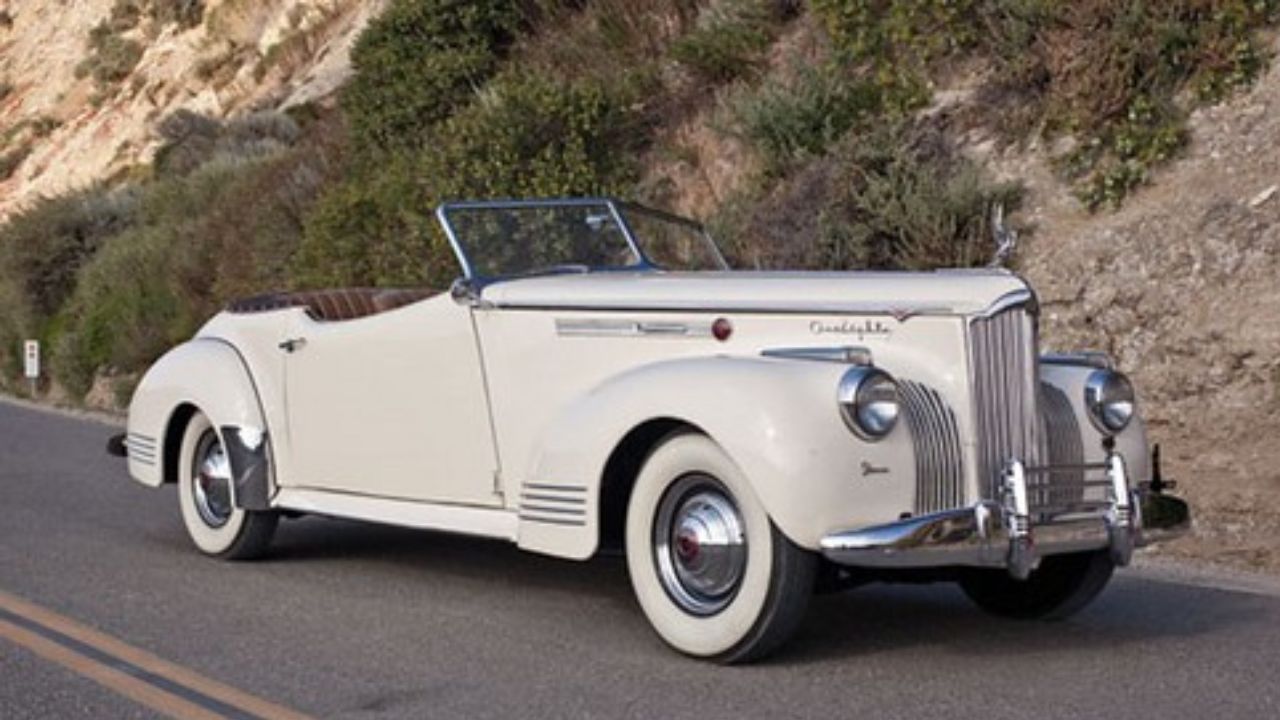
Packard was once synonymous with luxury and elegance, producing high-end automobiles from 1899 to 1958. Known for their superior craftsmanship and advanced engineering, Packard cars like the Packard Eight and the Packard Super Eight were symbols of prestige and opulence.
However, after World War II, Packard struggled to compete with larger manufacturers and eventually merged with Studebaker in an attempt to survive. Unfortunately, the merger failed to save the brand, and Packard ceased production in the late 1950s.
Nash

Nash Motors, founded in 1916, was known for its innovative designs and engineering breakthroughs. The company introduced the Nash Airflyte in the late 1940s, featuring a revolutionary aerodynamic design that was ahead of its time. The Nash Rambler, launched in the 1950s, was one of the first successful compact cars in America.
In 1954, Nash merged with Hudson to form American Motors Corporation (AMC), marking the end of Nash as an independent brand. Today, Nash is remembered for its contributions to automotive design and the compact car movement.
Plymouth
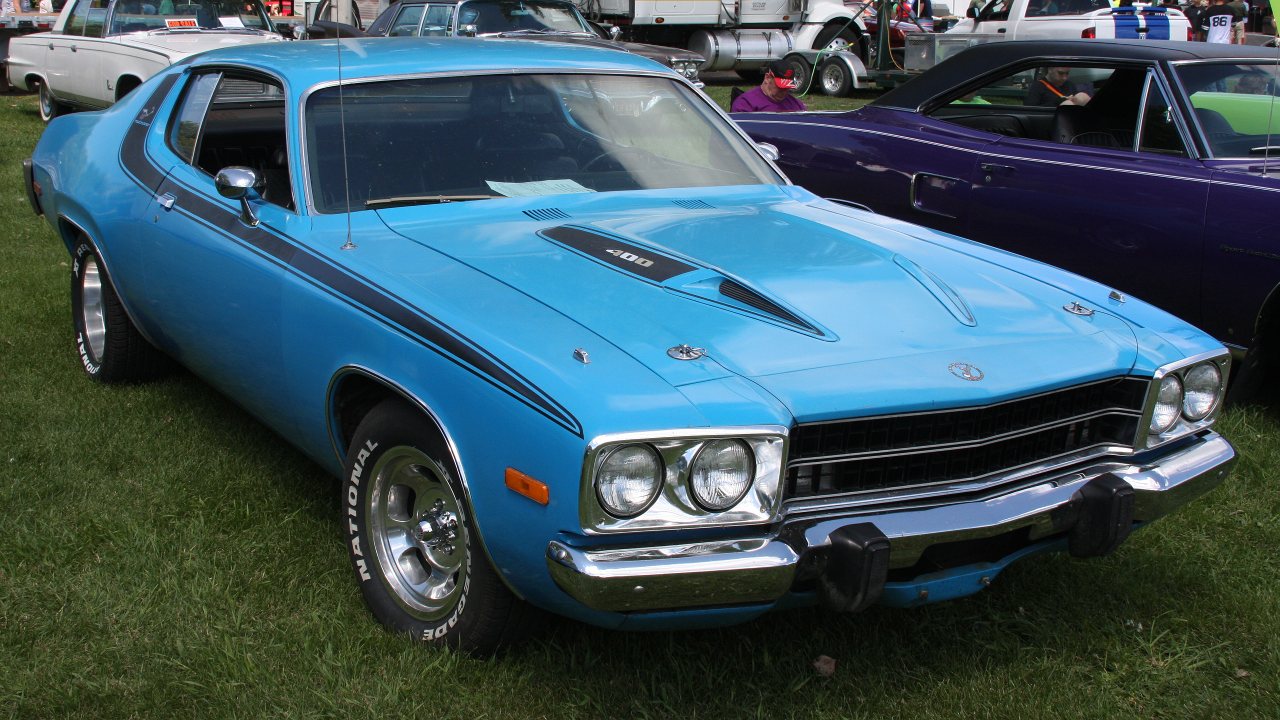
Plymouth, a Chrysler brand established in 1928, was known for its affordability and innovation. It produced popular models like the Plymouth Road Runner and the Plymouth Barracuda, which became icons of the muscle car era. The Road Runner, with its performance focus and distinctive styling, captured the essence of 1960s American car culture.
Despite its strong market presence in its early years, Plymouth was eventually discontinued in 2001 as part of Chrysler’s restructuring efforts. The brand’s iconic cars, however, continue to be celebrated by enthusiasts and collectors.
Saab

Saab Automobile, originally an aircraft manufacturer, transitioned to car production in 1949. Known for its quirky designs and emphasis on safety, Saab introduced models like the Saab 900 and the Saab 9-3, which gained a cult following for their unique styling and engineering.
The brand faced financial difficulties in the 2000s and was eventually acquired by General Motors, before being sold to Dutch automaker Spyker. Saab ceased production in 2011, but its innovative spirit and distinctive vehicles continue to be admired by fans around the world.



Leave a Reply