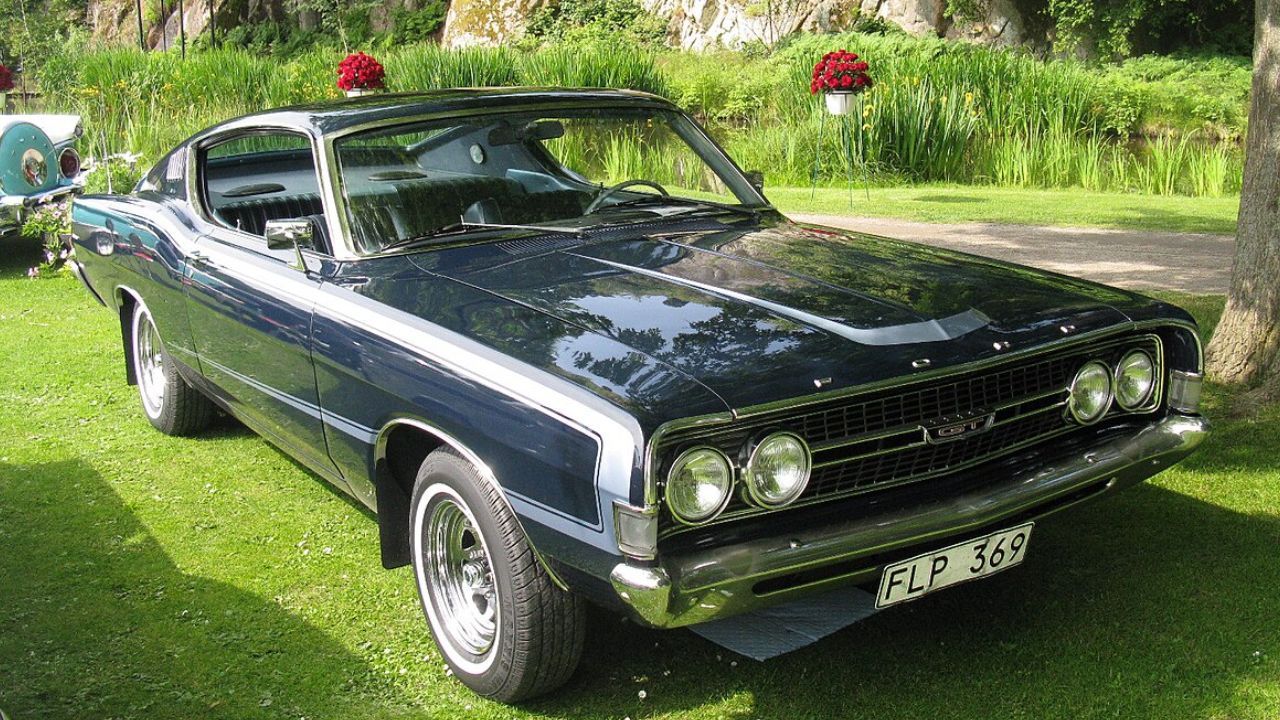
It started like the kind of favor people do all the time: a friend asked to borrow a classic car for a short errand, and the owner figured, sure, why not. The car in question wasn’t just any ride, though. It was a 1968 Ford Torino GT, the sort of muscle-era machine that turns heads at stoplights and makes strangers tell you about the one they “almost bought back in the day.”
But according to the owner, what was supposed to be a quick loan turned into a long, stressful stretch of not knowing where the car was. Days passed, then weeks, and the Torino didn’t come back. And in the age of instant pings and read receipts, not getting a straight answer can feel like its own kind of noise.
A favor that felt simple at the time
The owner said the request didn’t sound unusual. A friend wanted to borrow the Torino briefly, and the owner believed it would be treated carefully. For people who love old cars, trust is a big part of the handshake—there’s the assumption that someone who asks to borrow a classic understands what it means.
The Torino GT isn’t exactly the kind of car you “forget” in a crowded parking lot, either. It’s big, loud in all the right ways, and impossible to confuse with a modern crossover. That’s part of why the owner said the situation quickly started to feel surreal, like misplacing a full-size sofa.
Then the updates got weird
After the first missed return time, the owner said the explanations started coming in drips. A delay here, a change of plans there, and then stretches of silence. Anyone who’s loaned something valuable—whether it’s a car, a camera, or a favorite guitar—knows the moment when “running late” shifts into “something’s off.”
The owner said they tried to keep it friendly at first, assuming it was a simple scheduling mess. But as the days stacked up, the tone changed from casual checking in to real concern. It’s hard to stay relaxed when the thing that’s missing isn’t just expensive, but personal.
Why a ’68 Torino GT hits different
To a lot of people, a car is transportation. To someone who’s kept a 1968 Ford Torino GT on the road, it’s a project, a time capsule, and usually a small ecosystem of receipts, weekends, and stories. Even if it’s not a museum piece, it’s still the kind of vehicle you don’t hand over lightly.
The owner described the Torino as a pride-and-joy car, the kind that gets fussed over more than most people’s daily drivers. Older cars can be temperamental, too—fuel issues, brakes that need a specific touch, quirks you learn only by living with them. Letting someone else drive it requires not just trust, but a belief that they’ll respect the quirks instead of forcing the car to behave like it’s brand new.
Weeks without the car, and no clear location
As the owner tells it, the most unsettling part wasn’t just the missed deadline. It was not knowing where the Torino physically was. A car can be damaged, parted out, towed, or simply parked somewhere it shouldn’t be—and every day that passes makes any of those scenarios harder to unwind.
The owner said they kept trying to get a simple answer: Where is it, and when is it coming back? But the communication didn’t bring much clarity, and that uncertainty became the main source of stress. It’s tough to do anything—call a tow yard, file paperwork, even talk to insurance—when you don’t have basic facts.
The awkward reality of mixing friendship and property
This kind of situation lands in a messy middle ground that people don’t like to talk about. On one side, it’s a friendship and nobody wants to turn a personal dispute into a formal one. On the other side, a vehicle isn’t a paperback book—you can’t just shrug and replace it, especially if it has sentimental value or rare parts.
The owner said they felt torn between staying patient and protecting themselves. Push too hard and you risk blowing up the relationship; don’t push hard enough and you might never see the car again. It’s a strange emotional math problem, and there’s no option that feels totally comfortable.
What usually happens next in cases like this
Disputes over borrowed vehicles tend to follow a familiar pattern, especially when there’s no written agreement. First comes the “it’ll be back tomorrow” phase, then the “I’m dealing with something” phase, and eventually the owner starts documenting everything. Not because they want drama, but because the story needs a timeline if it ends up in front of an insurer or an officer.
In many places, the line between a civil dispute and a criminal matter depends on specifics: permission, intent, and whether the borrower is actively refusing to return the vehicle. That’s why owners often start with direct, calm requests—clear dates, clear expectations—before escalating. It’s not about being harsh; it’s about creating clarity where things have gotten blurry.
Why “just take it for a bit” can go sideways fast
Borrowing a car sounds simple until you realize how many complications come attached. If the car is involved in a crash, gets towed, or breaks down, the owner can end up fielding calls and bills even if they weren’t behind the wheel. Insurance coverage, storage fees, and liability questions don’t wait politely for the friendship to sort itself out.
Classic cars add another layer. Parts can be expensive or hard to find, and repairs can take time even in the best-case scenario. And if the car disappears into a garage “for safekeeping,” that might sound reassuring—until you need an address, a set of keys, and proof it’s actually there.
A story that’s relatable, even if the car is rare
Not everyone has a 1968 Torino GT, but plenty of people recognize the feeling: you tried to be generous, and now you’re stuck chasing your own property. It’s that specific frustration of wanting to be reasonable while also thinking, “How is this my problem now?” Even readers who’ve never touched a carburetor can understand why the owner said the weeks felt endless.
As of the owner’s account, the situation had dragged on long enough to change how they think about lending anything with an engine. It’s a reminder that trust is real, but so are boundaries. And if you’re ever tempted to loan out a beloved classic, this story has a simple moral that doesn’t need a lecture: make sure “borrow” doesn’t turn into “vanish.”
More from Fast Lane Only