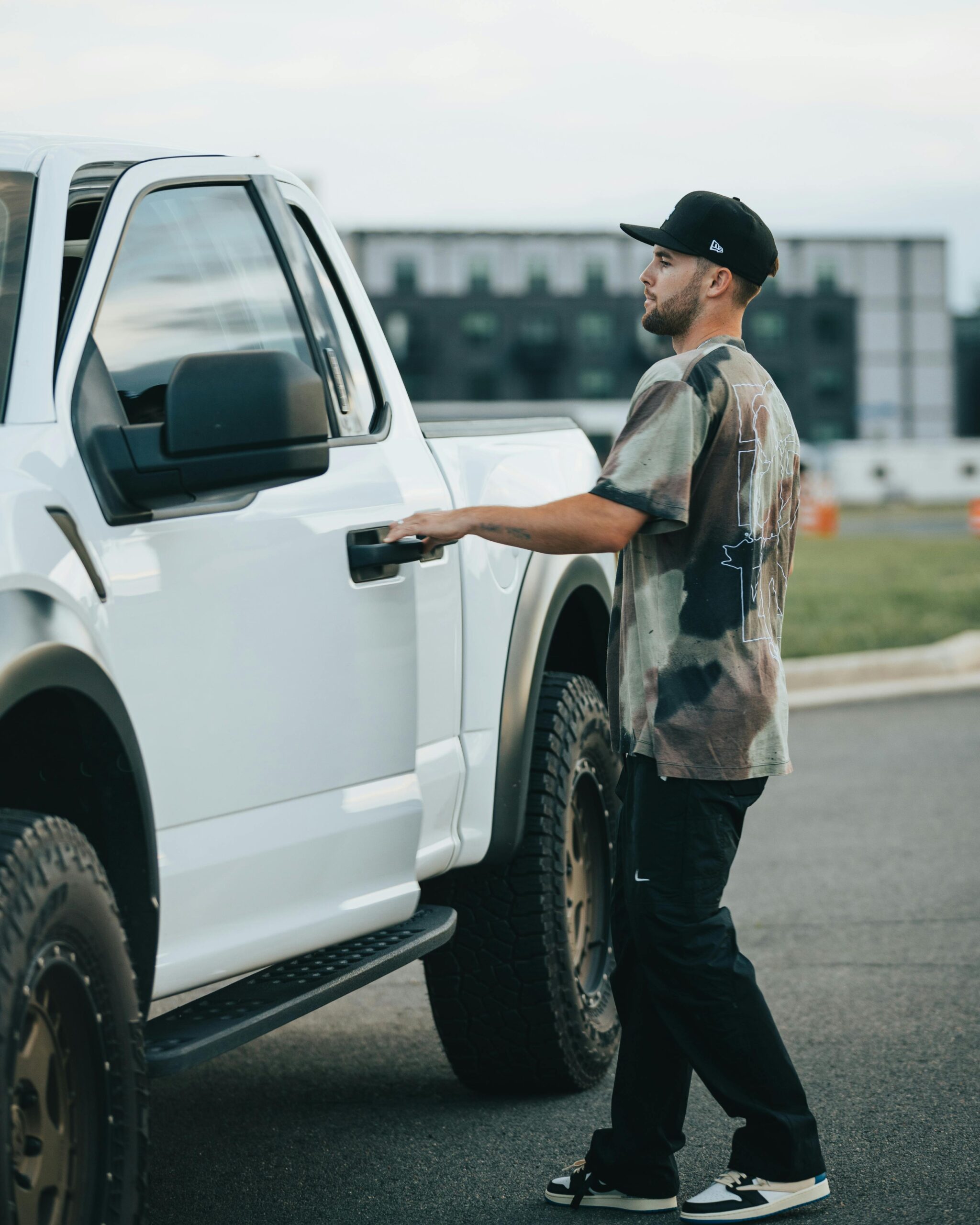
It started like a normal favor: someone needed a truck, and a friend had one to lend. A few days later, the truck came back… but not quite the same. According to the owner, the transmission suddenly wouldn’t shift properly, turning a simple good deed into a frustrating, expensive mystery.
People swap stories like this all the time—tools that come back dull, cars returned with an empty tank, borrowed items that somehow pick up “character.” But a transmission issue isn’t a missing tape measure. It’s the kind of problem that can strand you on the side of the road and drain your bank account fast.
A favor that didn’t feel like a favor anymore
The owner says the truck was running fine before it was loaned out. No warning lights, no odd slipping, no “maybe it’s time to get this checked” vibes. Then, after the friend returned it, the truck allegedly struggled to shift—either hanging in gear, shifting harshly, or refusing to move through gears the way it used to.
If you’ve ever had a vehicle problem appear right after someone else used it, you know how your brain works. You replay every moment: Was it really perfect before? Did you miss a sign? Or did something happen while it was gone? It’s an awkward situation because the mechanical facts can be murky, but the timing feels loud.
What “wouldn’t shift” can actually mean
Transmission complaints can sound simple, but the symptoms can point to a bunch of different issues. “Wouldn’t shift” might mean it won’t upshift past a certain gear, won’t downshift smoothly, or goes into a limp mode where it’s stuck in one gear to prevent further damage. Sometimes it’s accompanied by a check engine light, and sometimes it’s just weird behavior with no dashboard drama at all.
Modern trucks also rely on electronics and sensors that can make a perfectly healthy transmission feel broken. A faulty speed sensor, a failing solenoid, or even a low-voltage battery issue can cause shifting chaos. The frustrating part is that the symptoms can feel catastrophic even when the fix is relatively small—or the symptoms can feel mild while something expensive is brewing.
The big question: what could’ve happened?
When a transmission suddenly acts up after someone borrows a vehicle, people tend to picture one of a few scenarios. Hard acceleration, towing something too heavy, off-roading, or overheating the transmission are common suspects. Even something as basic as driving with low transmission fluid—or parking somewhere that causes a leak to worsen—can push a marginal situation over the edge.
But it’s also possible the timing is just cruel. Transmissions can fail gradually, and the first obvious symptom might show up on the day it comes back home. That’s not a satisfying answer, especially when you’re staring at a repair estimate, but it’s a real possibility in mechanical life.
Why towing and heat come up so often
If the borrowed truck did any towing, that detail matters because heat is one of the biggest enemies of automatic transmissions. Towing heavy loads without the right setup—or driving in hilly areas while towing—can raise transmission temperatures quickly. Once the fluid overheats, it can lose its ability to lubricate and maintain proper pressure, and shifting problems can appear soon after.
Even if the load was within the truck’s rated capacity, factors like trailer weight distribution, driving speed, and stop-and-go traffic can stress the system. A transmission cooler helps, but not every truck has an upgraded one, and not every driver watches temperature gauges. Sometimes the truck doesn’t even give you a clear warning until it’s already unhappy.
First steps: what a mechanic would likely check
In a situation like this, the practical move is to treat it like any other diagnostic problem: check the basics before assuming the worst. A shop will usually scan for trouble codes, even if the check engine light isn’t on. Codes related to shift solenoids, transmission range sensors, or gear ratio errors can narrow things down fast.
They’ll also look at transmission fluid level and condition. Low fluid can cause delayed engagement and harsh shifts, while burnt-smelling or dark fluid can hint at overheating or internal wear. If the fluid is contaminated with metal shavings, that’s when the conversation gets expensive.
The social side: friendship meets repair bills
What makes this kind of story sticky isn’t just the mechanical issue—it’s the human part. It’s tough to bring up a major repair with someone you trust, because it can sound like an accusation even if you’re trying to be calm. And if the borrower genuinely didn’t notice anything wrong while driving, they may feel blindsided too.
People who lend vehicles often do it on good faith, not with a checklist and a contract. That’s lovely, right up until something breaks. Then you’re left negotiating what’s fair: Did something specific happen? Was it bad luck? Should the borrower contribute, split the cost, or is it simply the owner’s responsibility because it’s their vehicle?
Documentation can help, even after the fact
If the owner is trying to sort out what changed, having a clear timeline helps. When was the truck loaned out, when did it come back, and when did the shifting problem appear? Receipts for recent maintenance, photos of the dashboard warnings (if any), and the mechanic’s written diagnosis can turn a heated “you broke it” debate into a more grounded conversation.
It also helps to ask neutral questions instead of launching into blame. Was anything towed? Did it get stuck anywhere? Did any lights come on? Even small details—like a long highway drive on a hot day or a sudden clunk during parking—can matter to a technician trying to connect dots.
If you ever lend out a vehicle, a few simple habits go a long way
This story is a reminder that lending a truck is a bigger deal than lending a ladder. Before handing over the keys, it’s smart to check fluid levels, make sure there are no existing warning lights, and note the fuel level and mileage. It’s not about being suspicious; it’s about having a baseline in case something goes sideways.
Clear expectations also help, especially around towing, off-roading, or long trips. A quick, friendly “Please don’t tow anything or take it on trails” can save a lot of stress. And if towing is part of the plan, agreeing on limits—weight, distance, and whether the truck has the right hitch and brake controller—can keep everyone out of trouble.
Where things stand now
For the owner, the next step is likely a proper diagnosis and a decision: repair, rebuild, or replace the transmission, depending on what a shop finds. Sometimes the fix is a sensor, a solenoid, or a fluid service that brings shifting back to normal. Other times, internal damage means the truck is headed for major work.
Either way, the story hits a nerve because it’s so relatable. Most people have been on one side of that favor—either borrowing something and praying nothing happens, or lending something and hoping it comes back the same. And when it doesn’t, you find out real quick that the most expensive part of a broken transmission might be the awkward conversation that comes with it.
More from Fast Lane Only