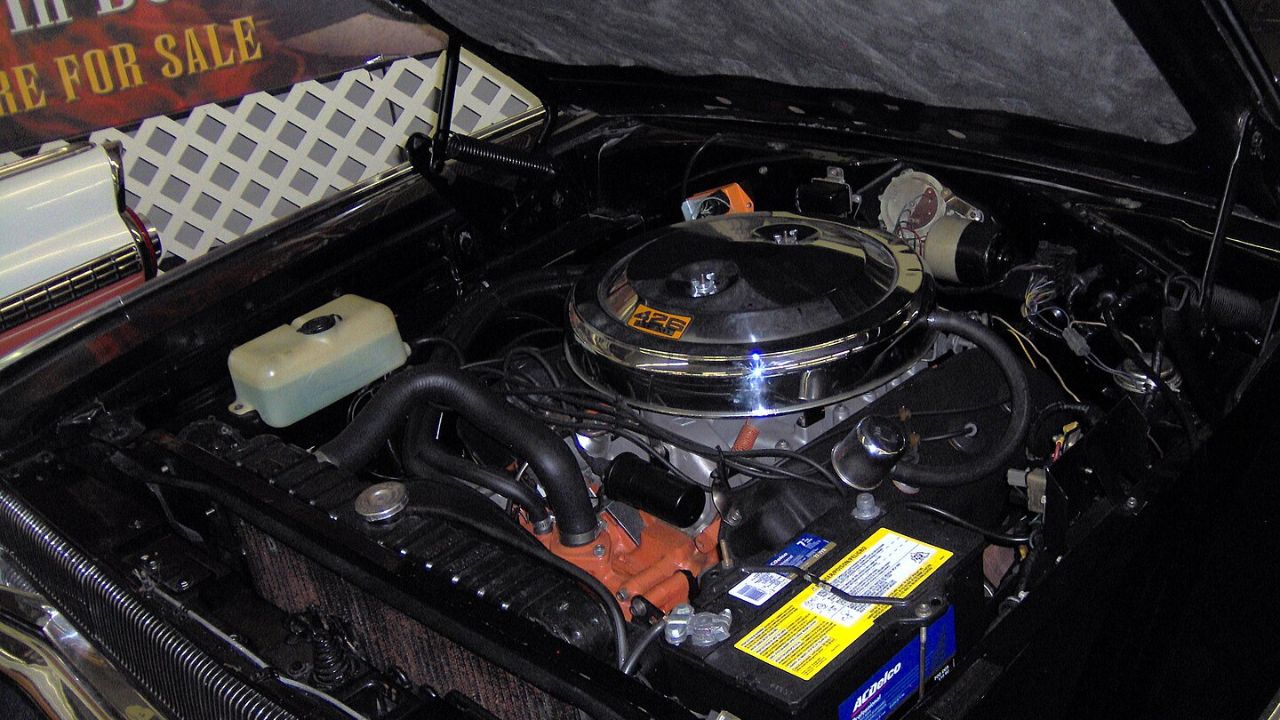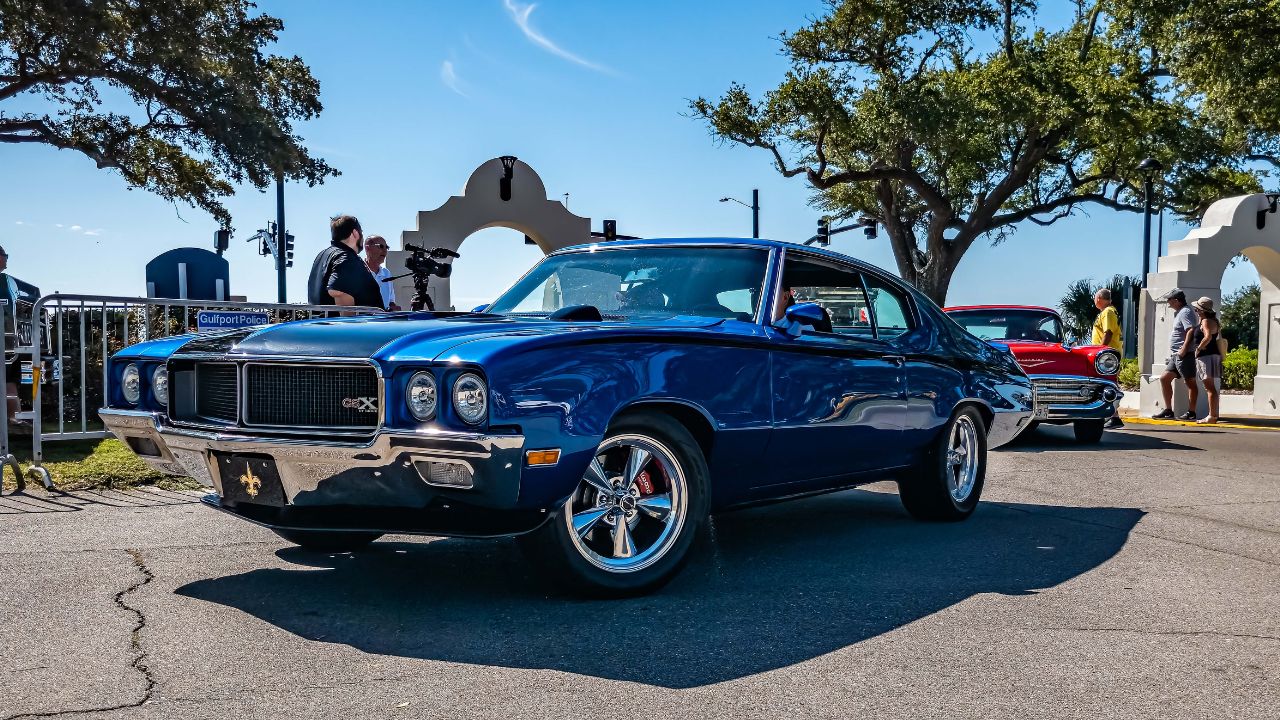
It started the way a lot of neighborhood stories do: a casual chat over the fence, a compliment about a classic car, a few questions that didn’t seem like a big deal at the time. But after weeks of repeated interest in a vintage 1970 GSX, one owner says the car vanished overnight from where it was stored. Now he’s left with an empty spot, a pile of “I should’ve…” thoughts, and a suspicion he can’t shake.
He described the GSX as the kind of car that doesn’t just sit in a driveway—it announces itself, even when it’s parked. The combination of rarity, muscle-era swagger, and the fact that the model is a known collector favorite makes it a magnet for attention. Unfortunately, the same things that make it fun to own can make it tempting to steal.
A neighbor’s curiosity that wouldn’t quit
According to the owner, the neighbor’s questions were consistent and oddly specific. It wasn’t just “Nice car” or “What year is it?”—it was more along the lines of where it was kept, how often it was started, and whether it ran. The owner says the neighbor would bring it up in short chats, then circle back again days later like it was a standing topic.
At first, it felt like harmless enthusiasm. Plenty of people love old muscle cars, and a GSX is the sort of thing you might only see at a show a couple times a year. But the owner says the frequency and detail of the questions eventually made his gut start whispering, “This is getting weird.”
The night it disappeared
He says the GSX was there one evening and gone the next morning, with no obvious sign of a messy break-in. No shattered glass, no dramatic tire marks—just absence. That clean kind of disappearance, he says, is what rattled him most, because it suggests whoever took it came prepared.
Classic-car thefts don’t always look like movie scenes. Sometimes it’s a quiet tow in the dark, sometimes it’s a quick roll-out if the car can be started, and sometimes it’s as simple as someone knowing exactly when and where to move. When a vehicle disappears without a fuss, it often means the thief had time, tools, and a plan.
Why a 1970 GSX is a prime target
A 1970 GSX isn’t just “an old car.” It’s a high-demand collector vehicle tied to the peak of American muscle, and even rough examples can be worth serious money depending on originality and documentation. Parts alone can fetch surprising prices, especially if the car has hard-to-find trim, drivetrain pieces, or correct interior components.
That value is exactly why these cars can vanish into the shadows so quickly. Some get shipped far away, some are tucked into storage under a cover, and some are dismantled and sold in pieces that are harder to trace. The owner says he always knew it was special—he just didn’t expect that “special” could turn into a target right outside his home.
The uneasy timing and the questions that linger
He isn’t saying he has proof. But he can’t ignore the coincidence: the repeated questions, then the sudden disappearance. He also says the neighbor seemed unusually aware of the car’s value, which made the attention feel less like admiration and more like inventory-taking.
It’s the kind of situation that makes you replay every conversation. Did he mention a storage spot without realizing it? Did he answer too honestly about when he’s home or when the car gets checked? Once a car is gone, those little details stop being small talk and start feeling like breadcrumbs.
How thieves pull off “overnight” classic-car thefts
People imagine stolen cars being hotwired in seconds, but many classic thefts are more boring—and that’s what makes them effective. A flatbed tow truck can look legitimate to neighbors at 2 a.m., especially if someone’s wearing a reflective vest and acting like they belong. If the car was stored in a driveway, side yard, or accessible garage, the window of opportunity can be surprisingly wide.
Then there’s the information angle. If someone knows a car is rarely moved, doesn’t have a tracker, or sits behind a predictable gate or latch, the whole job gets easier. And if the thief has a place lined up to stash it right away, the odds of recovery start dropping fast after the first day.
What he did next: the first steps that matter
He reported the theft as soon as he realized the GSX was missing, he said, because the early hours are when leads are freshest. That includes confirming the VIN and any identifying details, gathering recent photos, and noting distinguishing marks—aftermarket parts, scratches, unique decals, even a specific wheel setup. Those aren’t just sentimental details; they can be what separates “a yellow GSX” from his yellow GSX.
He also started checking the obvious places thieves try to blend in: online listings, local swap groups, and regional classic-car pages. It sounds tedious, but stolen vehicles and parts do show up in surprisingly public ways, often because someone assumes the owner won’t be looking. If you’ve ever watched a friend obsessively refresh a marketplace search, this is the one time it’s completely justified.
Neighbors, cameras, and the uncomfortable part of asking around
He says he began talking to nearby neighbors, asking if anyone saw a tow truck, heard unusual noises, or noticed headlights where they didn’t belong. Doorbell cameras and security cams have become the modern neighborhood witness, and even footage that doesn’t show the theft directly can help establish timing. A truck driving by at 3:12 a.m. can become a key detail when matched with other angles.
The awkward part, of course, is the neighbor who asked so many questions. The owner says he’s trying not to jump to conclusions, but he also doesn’t want to ignore a pattern. It’s a tricky balance: you want information, not a feud, but you also don’t want to tip off someone who might know more than they’re saying.
A reminder for other classic-car owners
This story has been making the rounds among local car folks because it hits a nerve. A lot of owners assume their car’s biggest risk is a mechanical issue or a rainy-day rust problem, not a planned overnight disappearance. But theft prevention is part of ownership now, especially for cars that are recognizable and valuable.
Simple layers help: locking storage, visible deterrents, good lighting, cameras, and—if possible—a discreet tracker. Even small habits matter, like not casually sharing where the car is kept or when it’s unattended. It’s annoying that it has to be this way, but it’s a lot less annoying than waking up to an empty space where your pride and joy used to sit.
For now, an empty spot and a lot of hope
As of now, he says he’s focused on getting the word out and keeping the details in front of the right eyes. Stolen classics sometimes resurface weeks or months later, especially if they’re moved across state lines or stored until attention cools. Recovery can happen, but it often depends on quick reporting, good documentation, and a little bit of luck.
In the meantime, he’s left with that strange mix of anger and disbelief that comes with losing something you’ve cared for over time. A 1970 GSX isn’t just transportation—it’s memories, weekends in the garage, and conversations with strangers at gas stations. And yes, it’s also a reminder that when someone keeps asking a little too much, it’s okay to smile, change the subject, and make sure your locks—and your instincts—are doing their jobs.
More from Fast Lane Only