Modern engines promise more power, cleaner emissions and better fuel economy than the stout iron blocks of the 1980s and 1990s. Yet owners increasingly see some late‑model cars needing major work before 150,000 miles while older sedans and trucks quietly pass 250,000. The gap is not nostalgia alone. A mix of tighter engineering margins, complex technology and shifting ownership patterns helps explain why some current powertrains struggle to match the reputations of their predecessors.
What happened
Engine design has changed more in the past twenty years than in the previous fifty. Carmakers have chased efficiency and emissions targets with smaller engines, higher specific output and layers of electronics. That shift brought direct fuel injection, turbocharging on mainstream models, variable valve timing, start‑stop systems and ultra‑thin synthetic oils. Each innovation has benefits, but together they create more potential failure points over long mileage.
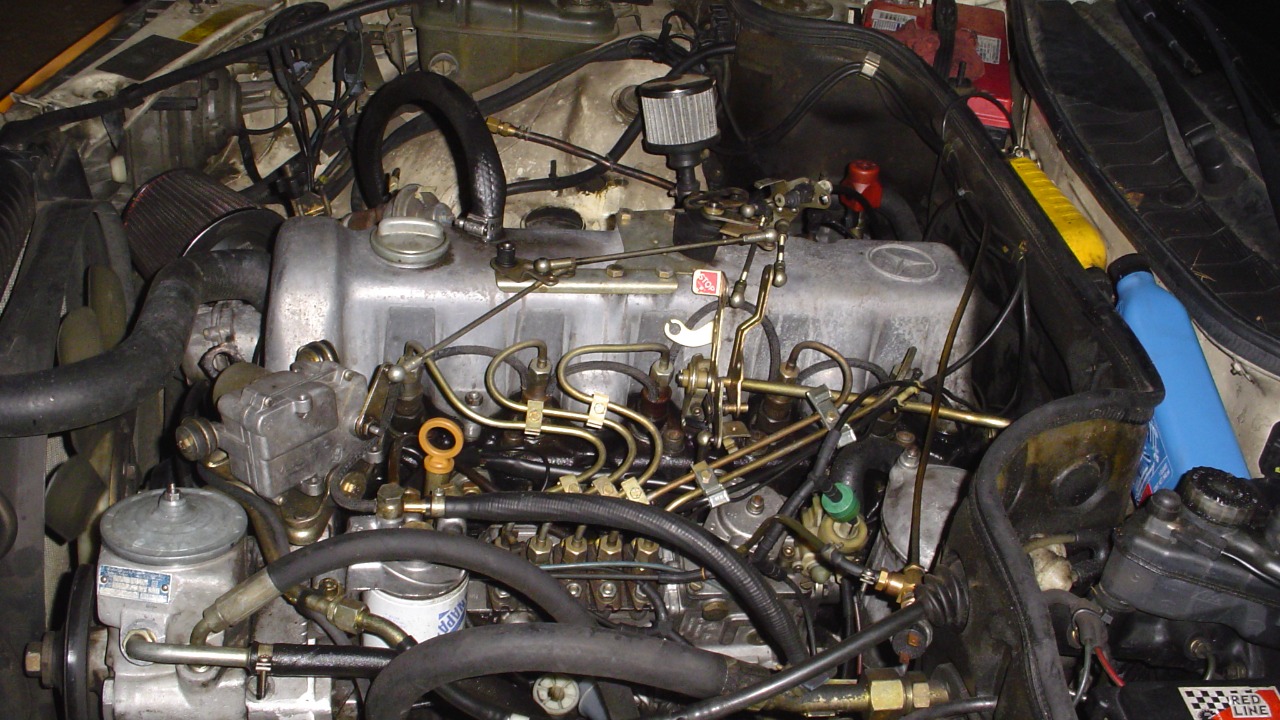
By contrast, older naturally aspirated engines often operated with generous safety margins. A 3.0‑liter V6 that produced 180 horsepower in the early 1990s rarely approached its mechanical limits in daily driving. Many of those engines used relatively low compression, simple port fuel injection and conservative ignition timing. The result was modest performance but forgiving hardware that tolerated abuse, skipped oil changes and poor fuel quality.
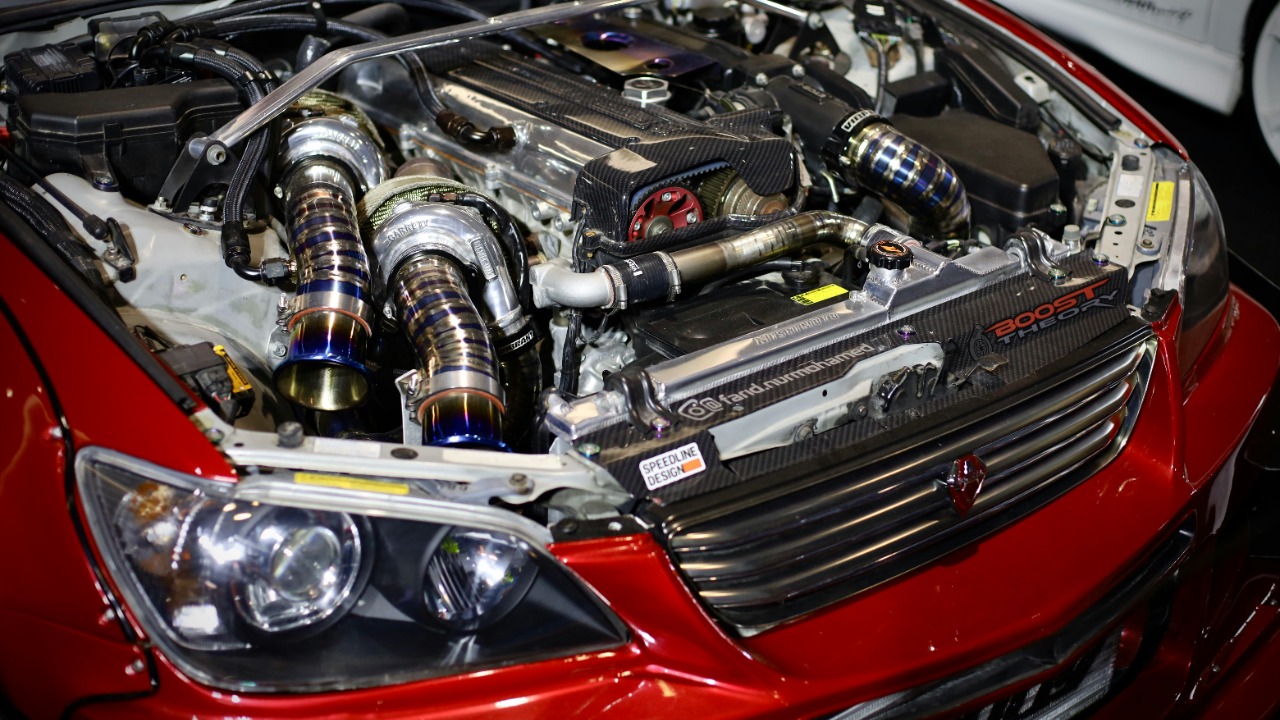
Today, a 2.0‑liter turbocharged four‑cylinder in a midsize sedan can deliver 250 horsepower or more from a much smaller displacement. That output requires higher cylinder pressures and temperatures, along with precise fuel and spark control. Components such as turbochargers, high‑pressure fuel pumps and intercoolers introduce new wear paths. When any of those parts fail or perform poorly, the base engine often suffers knock, oil dilution or overheating that shortens its life.
Manufacturers have also extended oil change intervals and adopted low‑viscosity lubricants to improve fuel economy figures. Many service schedules now stretch to 10,000 miles or more between changes under normal conditions. Real‑world driving, however, often qualifies as severe use: frequent short trips, long idling, towing or high‑temperature operation. In those scenarios, long intervals can accelerate sludge formation and timing chain wear, especially in engines that run hot or share oil with turbo bearings.
Modern emission control strategies add another layer. Exhaust gas recirculation, complex catalytic converters and particulate filters keep tailpipes clean, but they also raise backpressure and heat in ways that older designs did not. Some direct‑injected engines suffer from carbon buildup on intake valves because fuel no longer washes those surfaces. Without periodic cleaning, that buildup can restrict airflow and cause misfires, which in turn stress ignition coils and catalytic converters.
At the same time, the typical ownership pattern has shifted. Many buyers lease or finance new vehicles for four to seven years, then move on. Automakers optimize designs and warranties around that window. Powertrains are validated to survive their warranty period with a margin, not necessarily to run trouble‑free for 300,000 miles. When the second or third owner inherits the car, they may be dealing with the accumulated effects of deferred maintenance and design compromises that were invisible during the early years.
High mileage itself is no longer the automatic death sentence it once was. Some late‑model engines that receive regular fluid changes and software updates still run smoothly past 200,000 miles. Analysis of high‑mileage engines shows that wear patterns often depend more on maintenance quality and operating conditions than on raw odometer readings. The problem is that modern engines are less tolerant of neglect. A missed oil change or ignored warning light can do damage that older, lower‑stressed designs might have shrugged off.
Repair economics also shape perceptions. When a 1995 compact car needed a head gasket, the job was relatively straightforward and inexpensive compared with current engines packed tightly into smaller bays. Replacing a timing chain, turbocharger or high‑pressure fuel pump today can require extensive labor and specialized tools. Owners who face a repair bill that rivals the value of a ten‑year‑old car often choose to scrap or trade it rather than fix it, which reinforces the sense that modern engines do not last.
Why it matters
Engine longevity sits at the center of three competing pressures: environmental policy, consumer cost and manufacturer strategy. Each new generation of powertrain technology aims to reduce emissions and fuel consumption, yet shorter engine life can quietly undermine those gains. Building a new car consumes substantial energy and materials. If vehicles are retired earlier because engines or related systems fail, the total environmental footprint per mile can rise even if tailpipe emissions fall.
For households, the stakes are financial. Engines and transmissions remain the most expensive components to repair. A failed turbocharged engine outside warranty can cost several thousand dollars to replace, not counting ancillary parts. When that failure arrives earlier in the car’s life, it can disrupt budgets, especially for second‑hand buyers who rely on used vehicles for affordability. The perception that a fifteen‑year‑old car is a risky purchase pushes some families toward longer loans on newer vehicles, which increases debt loads and interest costs.
Resale values reflect these concerns. Used‑car shoppers track which engines develop timing chain problems, oil consumption issues or carbon buildup. Models associated with early failures often depreciate faster, even if the rest of the vehicle ages well. That dynamic can punish brands that pushed aggressive engineering without matching durability testing or clear maintenance guidance. It also rewards automakers that found a balance between efficiency and long‑term reliability.
There is a safety angle as well. Engine failures on the road can create hazardous situations, especially on highways or in extreme weather. While catastrophic mechanical failures remain rare compared with other crash causes, any increase in unexpected power loss raises risk. Recalls related to engine defects, such as bearing failures or fuel system leaks, have highlighted how design decisions can ripple into safety outcomes years after launch.
Policy and regulation play a quieter but significant role. Emissions and fuel economy rules incentivize manufacturers to downsize engines and rely on technologies that deliver test‑cycle gains. However, those standards typically focus on performance over a defined useful life, not on the extended lifespans that many owners expect. If engines meet emissions targets for the regulatory period but then suffer premature wear, the long‑term environmental and economic costs fall on consumers and the broader used‑car market.
Meanwhile, the shift toward electric vehicles changes the calculus for how long internal combustion engines are expected to remain in service. Some manufacturers may view current gasoline engines as a bridge technology that does not need to match the legendary durability of older platforms. That mindset can influence investment decisions in materials, cooling systems and long‑term testing. Owners who plan to keep vehicles for a decade or more feel the consequences if engines are engineered primarily for shorter horizons.
Maintenance culture has to adapt to this reality. Older engines could survive inconsistent service; modern powertrains rarely can. Oil quality, coolant health and software updates all matter more when engines operate closer to their limits. Yet service intervals and dashboard reminders sometimes present a simplified picture that does not account for harsh conditions. Drivers who rely solely on optimistic maintenance schedules may unknowingly shorten engine life, especially in turbocharged or direct‑injected models that are sensitive to oil breakdown and contamination.
Independent repair shops face their own challenges. Specialized tools, diagnostic software and training are increasingly necessary to service late‑model engines. Smaller garages that cannot justify those investments may turn away complex jobs, leaving owners with fewer options and higher dealer prices. That environment can discourage proactive repairs such as intake cleaning or timing chain inspection, which in turn raises the likelihood of major failures later.
For enthusiasts and long‑term owners, the shift reshapes how vehicles are chosen and cared for. Instead of assuming that any well‑built engine will last indefinitely with basic maintenance, buyers now scrutinize specific engine codes, production revisions and service bulletins. Some deliberately seek out simpler, naturally aspirated powertrains in new or lightly used vehicles, trading peak performance for perceived longevity. Others accept the complexity but budget for preventative work such as more frequent oil changes, transmission fluid service and periodic carbon cleaning.
What to watch next
The next decade will test whether automakers can reconcile efficiency targets with durability at high mileage. Several trends bear close watching. First is the evolution of direct injection and turbocharging. Engineers continue to refine combustion strategies, fuel spray patterns and cooling systems to reduce hotspots and deposits. Improved piston designs, stronger bearings and more robust timing components can extend life if paired with realistic maintenance guidance.
Hybrid powertrains present both an opportunity and a challenge. In many hybrids, the gasoline engine runs less often or at more stable loads, which can reduce wear. However, frequent start‑stop cycles and complex cooling circuits introduce their own stress points. As hybrid systems become more common in mainstream models, long‑term data will reveal whether their engines age more gracefully than purely combustion counterparts or simply fail in different ways.
Software updates will play a larger role in engine health. Modern engines rely on control units that manage fuel, spark and boost pressure. Manufacturers can adjust those calibrations over time to address issues such as low‑speed pre‑ignition or excessive carbon buildup. Owners who skip updates, whether out of inconvenience or distrust, may miss fixes that prevent costly damage. Clear communication about what those updates change, and how they affect durability, will influence adoption.
Oil technology continues to advance as well. New formulations aim to resist breakdown at high temperatures, reduce deposits and protect timing chains. Even the best oil, however, cannot compensate for overly long intervals or severe use that the schedule does not anticipate. Expect more debate over whether official service intervals should be shortened for certain engines or driving patterns, and whether onboard monitoring can better assess oil condition instead of relying on fixed mileage.
Regulators may also revisit how they define useful life for emissions compliance. If evidence grows that some engines meet standards early but degrade quickly afterward, there could be pressure to extend durability requirements or tie them more directly to real‑world mileage. Such moves would encourage manufacturers to design engines that maintain both emissions performance and mechanical integrity deeper into their lifespan.
The used‑car market will continue to act as an early warning system. Auction data, extended warranty claims and fleet maintenance records often reveal which engines struggle at higher mileage. When certain models show repeated failures at similar odometer readings, word spreads quickly among dealers and buyers. That feedback loop can push manufacturers to revise designs, issue service campaigns or quietly adjust maintenance recommendations for future production.
Electrification adds another variable. As battery costs fall and charging networks expand, some owners may choose to retire combustion vehicles earlier than mechanical wear alone would dictate. If that shift accelerates, manufacturers might allocate fewer resources to refining the longest‑term durability of new gasoline engines, reasoning that many will leave the road for economic or regulatory reasons before hitting very high mileage. On the other hand, in regions where electric adoption lags, buyers will continue to depend on internal combustion engines for decades, and they will demand powertrains that can handle that duty.
More from Fast Lane Only