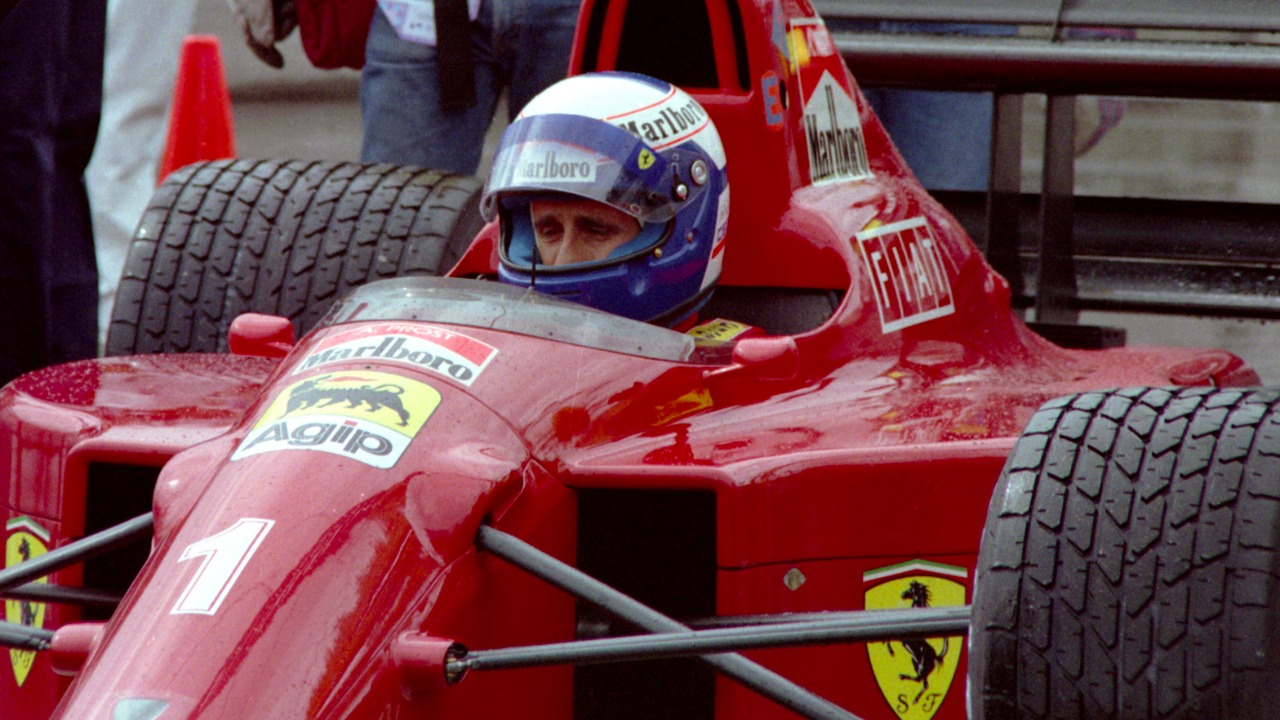
Alain Prost changed how Formula 1 thought about winning long races, turning restraint and calculation into weapons as sharp as outright speed. His smooth, economical style did more than earn him trophies, it helped push the sport toward the data driven, strategy heavy contests that define modern grands prix.
By treating every lap as a resource management puzzle rather than a flat out sprint, Prost showed that the fastest way to the flag was often the one that used the least energy, fuel and rubber. I see echoes of that mindset in today’s tyre offset gambits, fuel saving windows and pace delta targets, all of which trace a clear line back to the man the paddock came to call “The Professor”.
From “The Professor” to strategic benchmark
The foundation of Prost’s influence is the way he fused raw talent with a methodical, almost academic approach to racing. As a French driver who earned the nickname “The Professor” for his cerebral racecraft, Alain Prost built his reputation on thinking further ahead than the rivals around him. That label was not a marketing gimmick, it captured a driver who treated every stint as a moving equation, balancing track position, tyre life and fuel load with an eye on the final laps rather than the next corner.
His record underlines why that mindset still matters when teams debate the greatest drivers in history. Universally regarded as one of Formula One’s greatest drivers, Alain Prost stacked up 51 G Grand Prix victories across a 12 year career, a tally that came not from relentless qualifying fireworks but from relentlessly efficient race execution. When I look at how modern strategists talk about “maximising points over the season” rather than chasing every win at any cost, I hear the same logic that once guided The Professor through championship campaigns decided by a single result.
Why smoothness became a strategic weapon
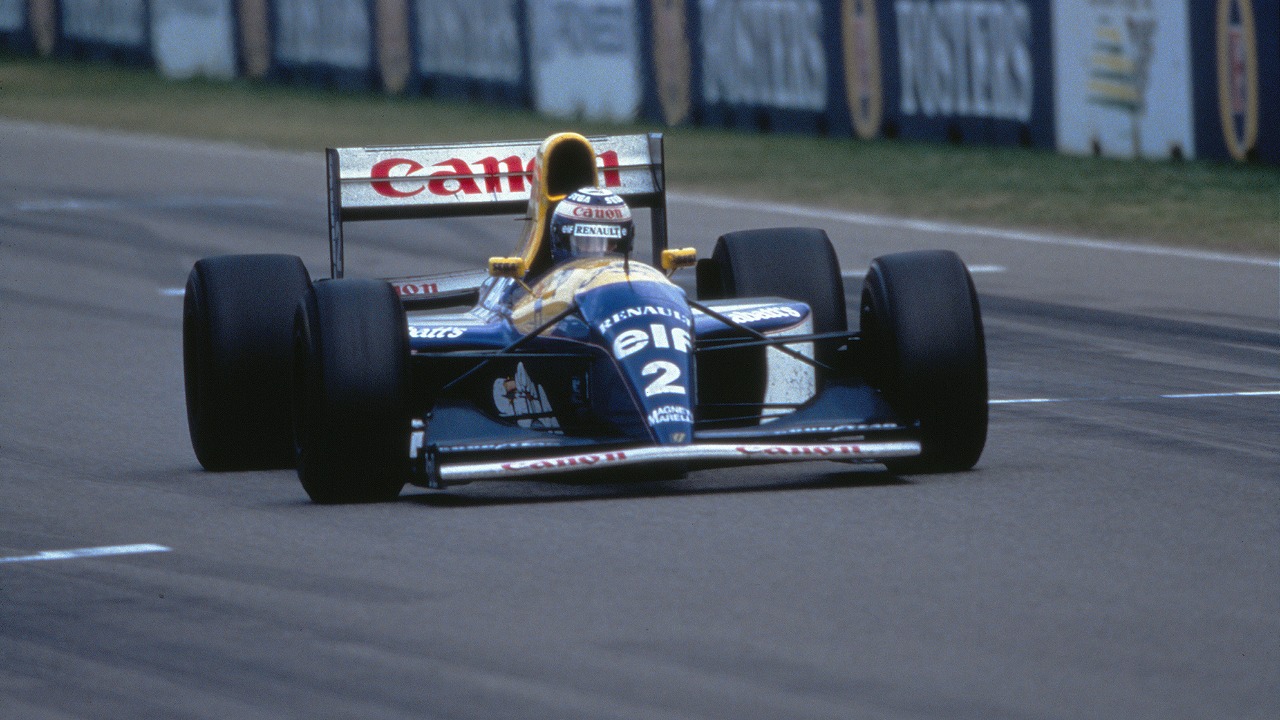
Prost’s trademark smoothness was not just an aesthetic choice, it was born from necessity and then refined into a competitive edge. He has described how, early in his career, he simply could not afford to break the car, a constraint that forced him to drive with mechanical sympathy and to feel the limit without abusing it, a point that has been highlighted in reflections on how Alain developed his smooth driving style. That habit of preserving machinery naturally translated into better tyre life and fewer reliability scares, long before engineers had the live telemetry tools they rely on today.
On track, that smoothness often disguised how fast he was actually travelling. Even contemporaries noted that Prost’s unhurried inputs could hide his true pace, a perception echoed in accounts that Prost sometimes masked his raw speed with a style that looked deceptively gentle. In modern terms, he was managing his “delta” long before that language entered the radio, keeping enough in reserve to respond when rivals attacked while still protecting his tyres. That is exactly the balance current drivers chase when they are told to lift and coast for fuel or to hold a target lap time to keep a one stop strategy alive.
Driving Style and Strategic Approach in detail
What set Prost apart was how deliberately he linked his technique behind the wheel to a broader race plan. His Driving Style and Strategic Approach has been described as the antithesis of flamboyance, with Prost Known for smooth, tyre saving driving that prioritised consistency over showmanship, a philosophy captured in analyses of Driving Style and Strategic Approach. I see that as the template for the modern “tyre whisperer”, the driver who can extend a stint by several laps and suddenly make an undercut or overcut viable when the strategy models said it was marginal.
Prost himself has admitted that he did not always get this balance right, recalling how Sometimes he preferred to tackle the turns at full speed rather than lift, before learning to adapt his approach to the car and conditions, a reflection that appears in his own recollections of being a strategy professor. That willingness to adjust, to trade short term aggression for long term gain, is exactly what today’s engineers demand when they ask a driver to abandon a preferred driving style to protect a fragile compound or to hit a fuel number. Prost turned that adaptability into a hallmark, and in doing so he helped normalise the idea that the cleverest driver is the one who can change his rhythm to suit the plan.
How Prost anticipated modern tyre and fuel strategy
Modern Formula 1 is obsessed with tyre degradation curves, stint lengths and offset strategies, and Prost’s races read like early case studies in that playbook. Fans still trade anecdotes about how he would sit several seconds off the lead, nursing his tyres and fuel, only to unleash a decisive burst of pace when it mattered, a pattern that surfaces in discussions where Sep comments note that They are all at an extremely high level today compared with the past but still single out an amazing bit about his driving style. That ability to time his push phase to the moment rivals hit the cliff is exactly what current strategists model on their laptops.
Even specific race examples echo what we now call “tyre offset” tactics. In one widely cited case, fans recall how he could be Not 5 to 10 seconds down on the leaders and still turn the race around, with one Example being the 1982 South African GP where his pace management and timing flipped the script, a story that lives on in threads dissecting South African GP strategy. When I watch current teams deliberately sacrifice early track position to have fresher tyres at the end, I see the same logic that Prost applied instinctively, only now backed by reams of data and simulation.
The Professor’s legacy in today’s F1 culture
Prost’s impact is not just technical, it is cultural, shaping how the paddock talks about intelligence and restraint as virtues rather than signs of weakness. Official histories describe how Alain Prost, nicknamed The Professor for his cerebral approach, needed all his brainpower and driving skill to take on fierce rivals and even join Ferrari at a pivotal moment in his career, a perspective captured in the sport’s own drivers’ hall of fame. That framing matters, because it positions strategic thinking as a core part of greatness, not an optional extra.
Contemporary commentators echo that respect. Some describe how, to them personally, Alain is a complete racing driver, a man and a true champion, language that underlines how his calm, analytical persona became part of his legend as much as his speed, as seen in tributes on Alain Prost as a racing driver. When I listen to how teams now praise drivers who can “think in the car”, manage complex steering wheel settings and co author race plans in real time, I hear the language that once surrounded The Professor becoming the default expectation for any title contender.
From past master to modern reference point
Prost’s career has become a touchstone for how the sport values strategic intelligence across eras. Profiles of his achievements stress that Prost ( Alain Prost )’s career is characterised by remarkable achievements, a strategic mindset and dedication to the sport, qualities that helped make him one of the sport’s greatest icons, as highlighted in assessments of Prost. I see that as a recognition that his influence extends beyond his own statistics, into the way teams now design cars and strategies around drivers who can replicate that blend of pace and calculation.
Even debates about the greatest of all time keep circling back to his example. When fans and writers weigh up the claims of different champions, they routinely note how Jun and others still place The Professor in the conversation, not only for his titles but for the way he changed the sport’s understanding of what a complete driver looks like. In an era where strategy groups, tire engineers and simulation teams can decide a race as much as a qualifying lap, the template Alain Prost set, smooth, strategic and relentlessly efficient, looks less like a relic of the past and more like the blueprint for Formula 1’s present.