Engineers design modern engines to run in a narrow temperature window where power, efficiency, and emissions all line up. The thermostat sits at the center of that control, opening and closing a coolant path so the engine reaches and holds its ideal temperature.
Why engine temperature matters for performance and durability
Combustion works best when metal parts sit warm enough to vaporize fuel but not so hot that they deform. I see that balance in how a cold engine wastes fuel and how an overheated one risks warped cylinder heads or blown head gaskets. Automakers calibrate most gasoline engines to operate near a specific coolant temperature, often around 90 degrees Celsius, because that range supports stable combustion, consistent lubrication, and predictable emissions behavior, as detailed in many engine-management references.
Thermal control also protects the oil film that separates moving parts. Thin, overheated oil loses viscosity and can no longer keep bearings, cam lobes, and piston skirts apart. Thick, underheated oil drags on every rotation and slows response. Engineers use thermostats, coolant passages, and oil coolers so the lubricant reaches a sweet spot where viscosity, film strength, and pump effort all line up, a relationship described in lubrication studies that chart viscosity against temperature.
How the thermostat works inside the cooling system
Coolant flows through the engine block and cylinder head, then either loops back through a bypass or passes through the radiator. I watch the thermostat act as the gatekeeper between those two paths. A wax-filled capsule inside the thermostat expands as coolant warms, pushing a plunger that lifts the valve off its seat. That simple mechanical motion, described in component guides, lets the thermostat meter flow without electronics.
Most designs keep the valve closed when coolant sits below a calibrated threshold. I see that behavior in typical 88 degree Celsius thermostats used in many compact cars, which stay shut until the wax pellet reaches its setpoint. Once the pellet expands, the valve opens progressively, not like a light switch. That staged movement lets the thermostat trim flow so coolant temperature hovers near the target, a behavior confirmed in aftermarket technical notes that show opening curves rather than a single on off point.
Warm-up phase: why the thermostat stays closed at first
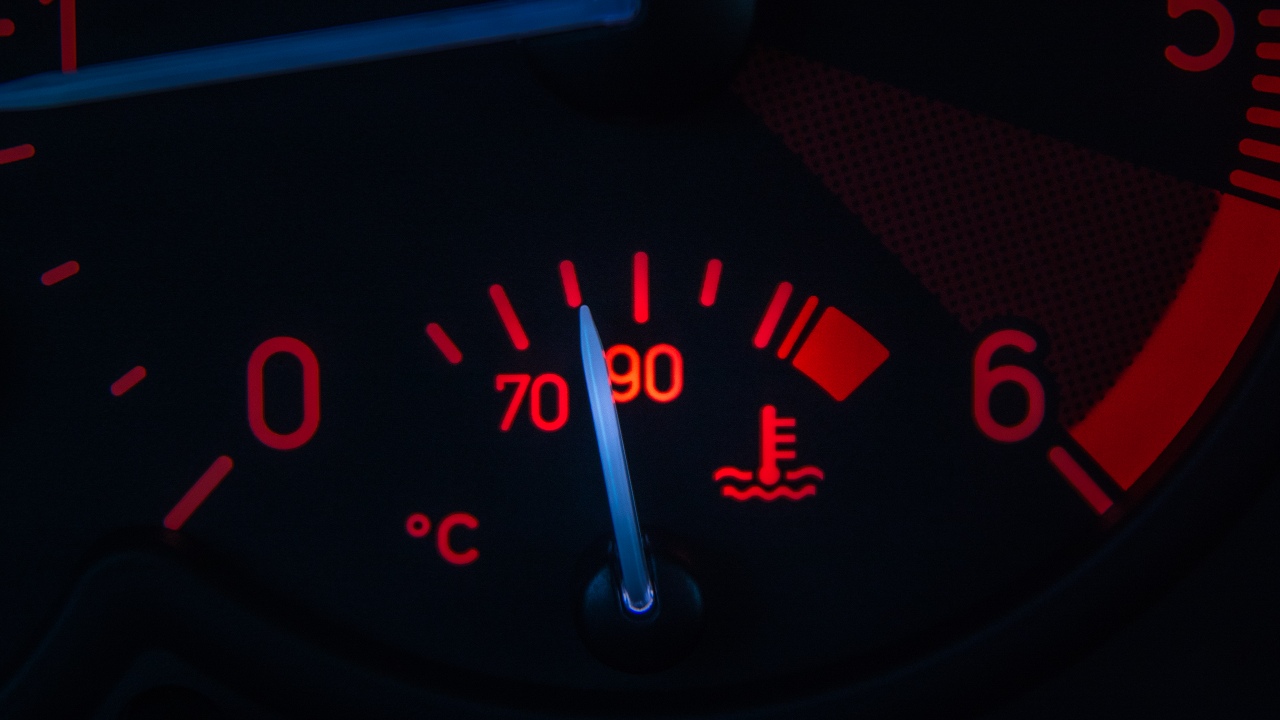
Cold starts punish engines more than steady cruising because metal parts sit tight and oil flows slowly. I notice that a closed thermostat shortens this vulnerable period by keeping coolant inside the block and head instead of sending it to the radiator. Heat from combustion then raises metal temperature quickly, which thins the oil and lets it reach critical surfaces faster, a relationship highlighted in oil classification data that link viscosity grades to temperature.
Drivers feel this strategy in cabin comfort as well. Many vehicles, such as a 2018 Toyota Camry or a 2020 Ford F-150, route heater core flow from the engine side of the thermostat. I see that routing choice because the cabin heater starts blowing warm air long before the radiator warms up. By holding coolant in a smaller loop during warm up, the thermostat helps the engine reach its calibrated temperature faster, which also lets the engine control unit switch from rich warm up fueling to leaner, cleaner operation, a transition described in emissions test procedures that track cold start phases.
Steady-state control: holding the engine at its ideal temperature
Once coolant reaches the thermostat’s setpoint, the job shifts from warm up to fine control. I see the thermostat start to open, sending more coolant through the radiator as load and ambient temperature rise. On a highway climb in a Honda Civic or a Chevrolet Silverado, the valve may open wider to shed extra heat, while on a gentle cruise it may sit only partly open. That modulation keeps coolant temperature near the design target, a behavior that matches the thermal maps engineers publish for steady driving.
Cooling systems rarely rely on the thermostat alone. Electric radiator fans, multi speed water pumps, and grille shutters all join the control loop in newer vehicles. I see the thermostat as the first mechanical layer, with the engine control unit trimming fan speed and pump output around it. When the thermostat holds temperature near its setpoint, the control unit can keep fans off more often, which saves electrical power and improves fuel economy, a tradeoff described in efficiency studies that quantify accessory loads.
Modern variations: map-controlled and dual thermostats
Electronic control has pushed thermostats beyond a single fixed opening temperature. I see map controlled thermostats in many European models, including BMW 3 Series and Volkswagen Golf variants, where a heating element inside the thermostat receives commands from the engine control unit. Under light load, the control unit can let coolant run hotter to reduce friction and improve efficiency. Under heavy load, it can preheat the wax element so the valve opens earlier, keeping combustion chambers cooler and reducing knock, a strategy outlined in supplier briefings on variable temperature control.
Some engines split coolant flow with dual thermostats. I notice this layout in V type engines and high output turbocharged units, where one thermostat manages the block and another manages the cylinder heads or turbocharger circuit. That separation lets engineers hold the head slightly cooler for knock resistance while keeping the block warmer for efficiency. Technical diagrams in service discussions show how separate thermostats and bypasses route coolant differently under various loads, giving a more precise temperature profile across the engine.
What happens when a thermostat fails
Thermostats usually fail in two ways, stuck open or stuck closed. I see a stuck open thermostat in cars that never reach full temperature, with the gauge sitting low and the heater blowing lukewarm air. Fuel economy drops because the control unit keeps enrichment active, and oil stays thicker than intended. Diagnostic guides in coolant temperature sensor references describe how prolonged low temperature readings trigger fault codes and poor driveability.
Stuck closed thermostats create more dramatic symptoms. I have watched temperature gauges climb rapidly, coolant boil in the overflow tank, and upper radiator hoses stay cool because flow never reaches the radiator. Prolonged overheating can warp aluminum cylinder heads, crack plastic intake manifolds, or damage head gaskets, failures documented in safety investigations where cooling problems led to engine damage. Replacing a faulty thermostat often restores normal temperature control, but any overheating event still warrants checks for leaks, warped surfaces, and contaminated oil.