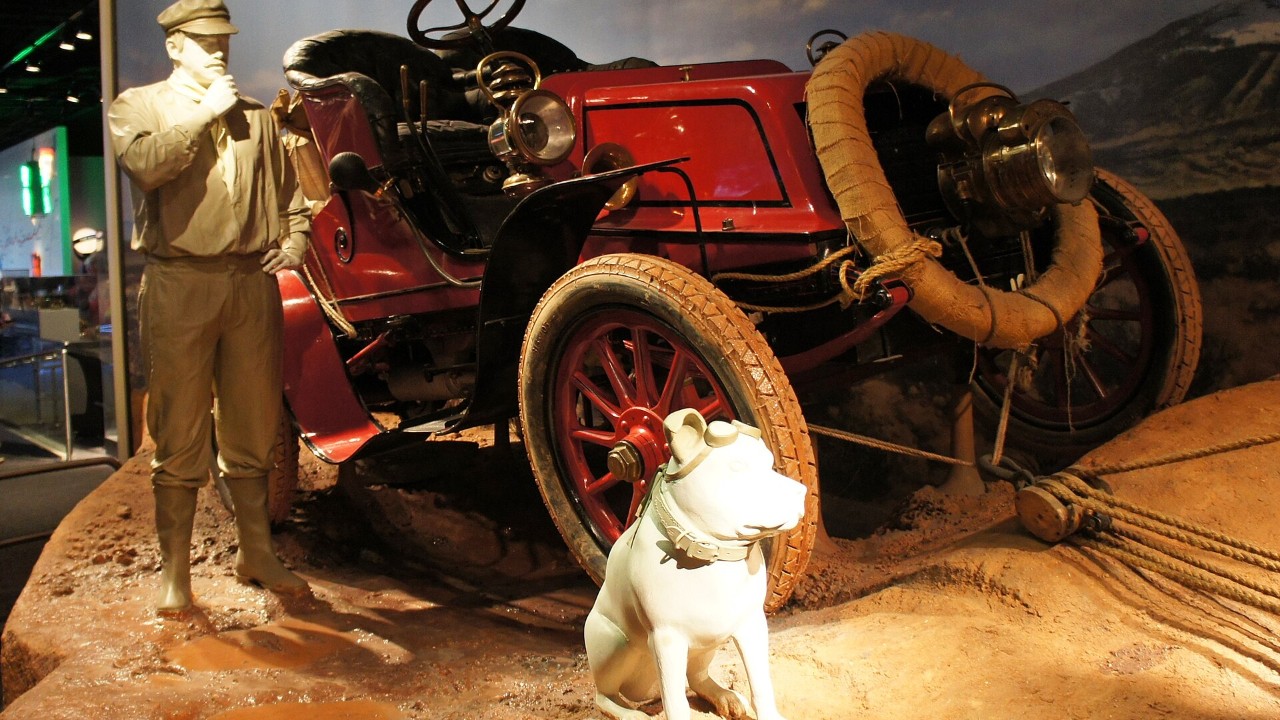
American classics are no longer just nostalgia pieces, they are increasingly treated as serious assets with clear upside. From muscle cars and early performance icons to under-the-radar models still trading under $50,000, the market is rewarding vehicles that blend cultural impact with scarcity and usability. I see a pattern emerging in the data and recent sales: the most compelling opportunities sit where generational demand, documented price trends and broader collector behavior intersect.
That shift is happening inside a wider boom in collectible assets, from rare coins to first-edition novels and even high-end watches. As markets post solid gains across 2025, investors who already hold appreciated positions are looking for ways to diversify into tangible objects that can be driven, displayed or read, not just stored in a brokerage account. American classics, in all their forms, are increasingly positioned to capture that capital.
Muscle cars and icons moving from nostalgia to blue-chip
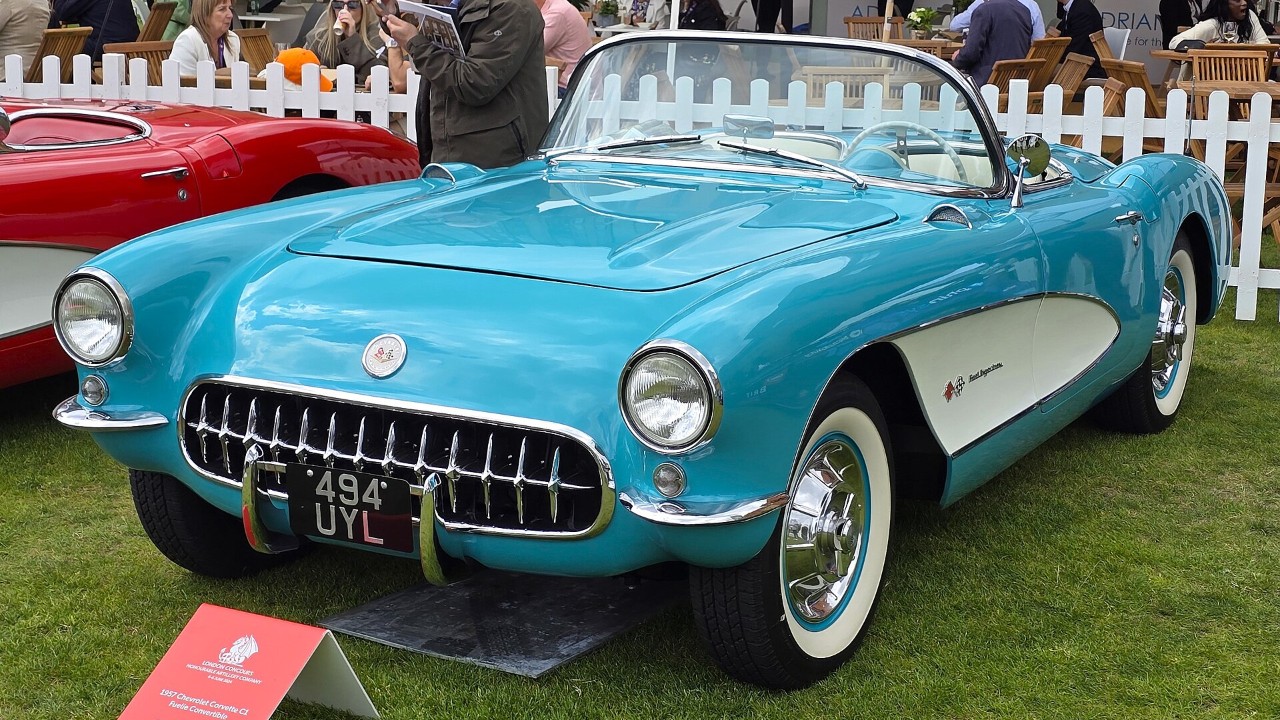
The clearest candidates for major value gains are the American performance cars that already command headlines at auction. When a short list of American classics now regularly sells for more than $500,000, it signals that the upper tier of this market has crossed into blue-chip territory, with buyers paying for cultural status as much as horsepower. I see that dynamic in coverage of 15 standout American models whose prices have surged dramatically, where the reporting notes that the market for these particular American classics has witnessed a dramatic surge in value and that they continue to capture hearts and command astonishing prices.
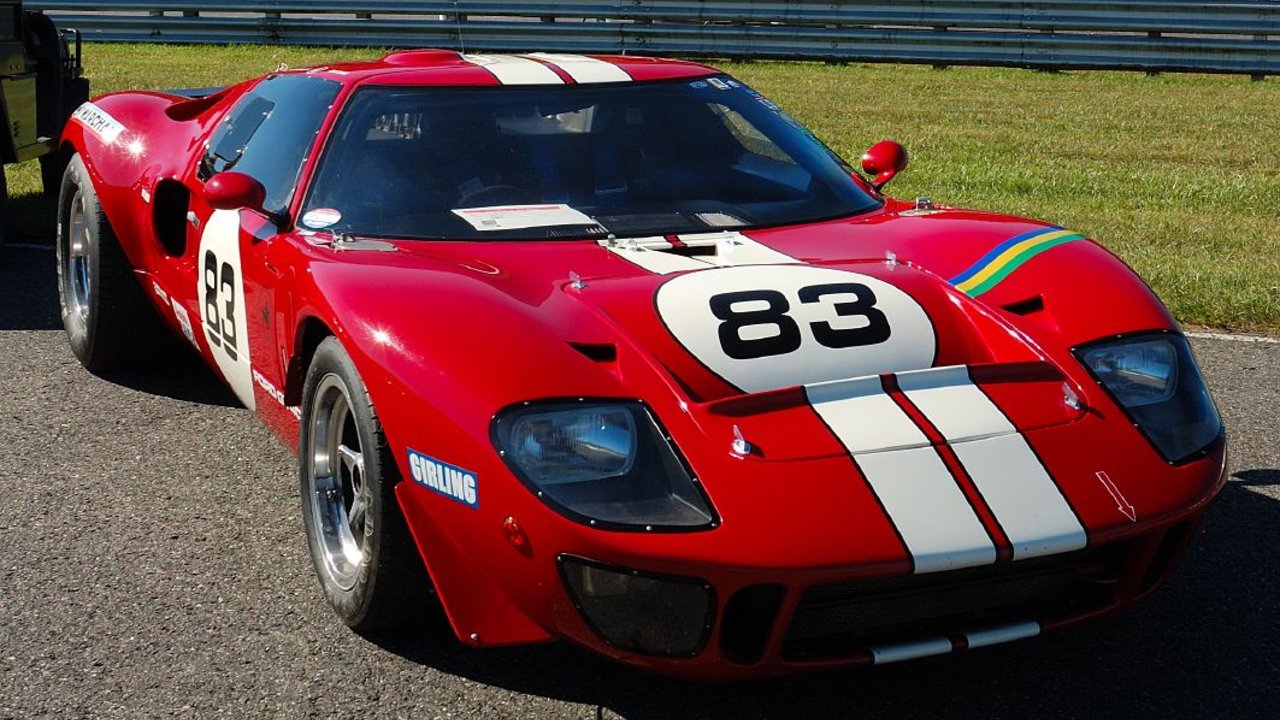
Recent sales of halo cars underscore how far this segment has come. A report on 11 American classics that just sold for what it calls “insane money” highlights how machines tied to motorsport history, including record-shattering GT40s and the timeless elegance associated with Shelby Cobr models, are now treated as rolling trophies rather than weekend toys. That kind of bidding war is not just about rarity, it is about the story buyers are purchasing, from Le Mans victories to the Shelby name itself, and it sets a reference point that can pull up values of related models and trims that share the same lineage.
Data shows a maturing, expanding classic car market
Behind the headline sales, the business infrastructure around collectible cars has grown into a substantial industry, which is one reason I expect further appreciation. A detailed Market Research Report on Classic Car Dealers in the US pegs industry Revenue at $2.5bn, with 2,906 Employees spread across 348 businesses. Those figures show that classic vehicles are no longer a fringe hobby handled in backyards and small-town lots, but a professionalized market with dedicated dealers, valuation tools and specialized services that support higher, more transparent pricing.
Broader forecasts for the sector point in the same direction. One analysis projects the global classic cars market to reach USD 77.8 billion by 2032, growing at an 8.7 percent compound annual rate, and notes that generational shifts are influencing preferences, with Millennials and Gen Z showing interest in modern classics such as the Mazda RX-7 and Acura NSX. Another industry report on Classic Car Dealers emphasizes that Millennials and Gen buyers are driving sales of affordable classics, suggesting that demand is not confined to older enthusiasts. When younger collectors start with accessible models and then trade up, that pipeline supports sustained price growth across the spectrum.
Undervalued American metal under $50,000
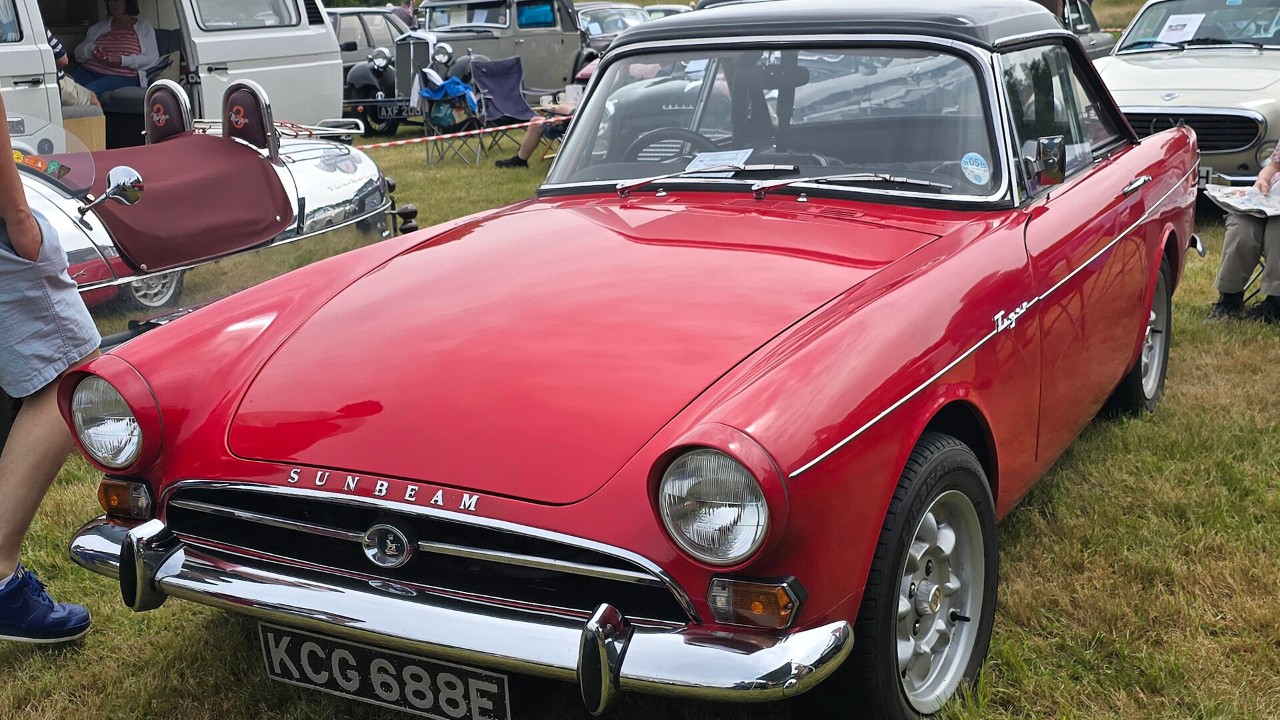
For investors who are not shopping half-million-dollar auction stars, the most interesting opportunities sit in the sub-$50,000 bracket where appreciation has started but is not yet fully priced in. A focused analysis of undervalued classic cars under $50K in 2025 argues that these under-$50K classics offer unique opportunities to own appreciating automotive history without premium price tags, and explicitly frames them as tools for building value-driven portfolios. I read that as a sign that the market is beginning to treat mid-tier classics as structured investments, not just passion purchases, especially when they combine limited production, strong enthusiast communities and usable performance.
Specialist shipping and logistics firms are reinforcing that narrative by highlighting regulatory advantages and cross-border demand that can further support prices. When a company that moves vehicles globally points to Conclusion These under-$50K classics as strategic buys, it reflects real-world transaction data on where cars are flowing and what buyers are willing to pay to import them. Paired with the detailed pricing histories available through valuation tools that track auction and insurance data, such as the widely used Hagerty valuation tools and the resources offered by Hagerty Classic Car Insurance, investors now have the information needed to spot American models that are still cheap relative to their peers but show clear upward momentum.
Younger generations and the culture engine behind demand
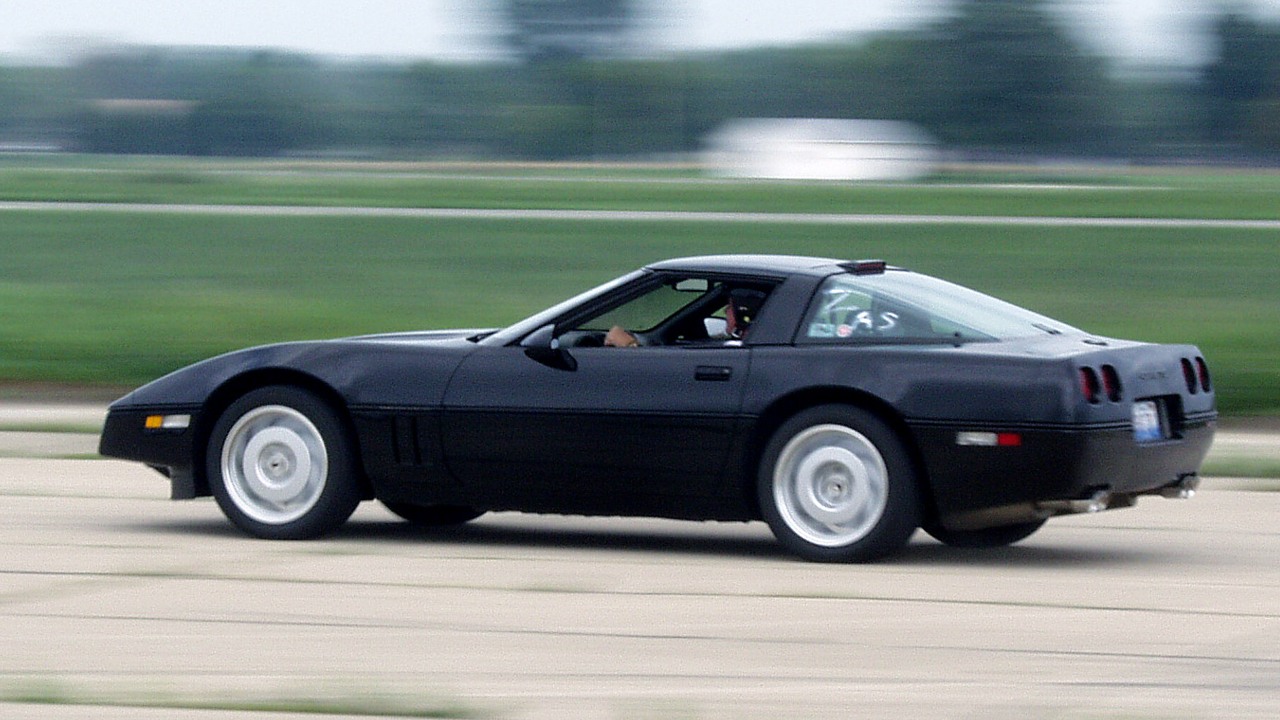
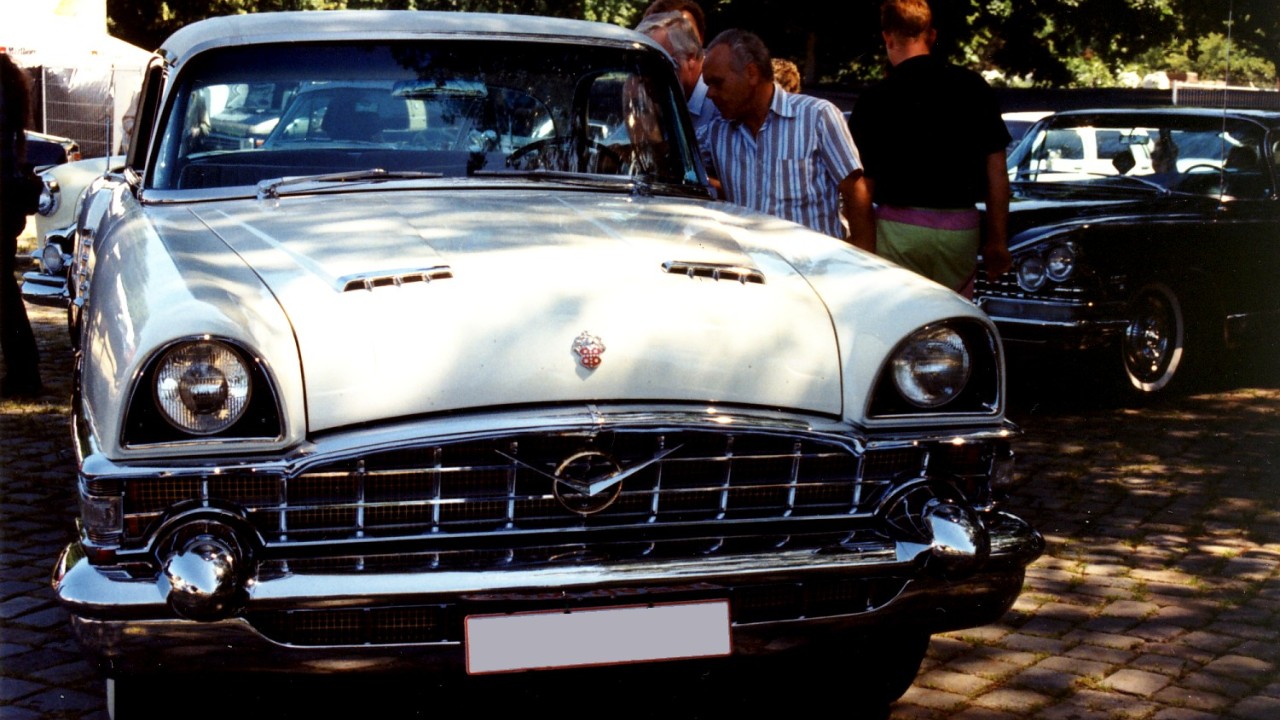
Price charts alone do not explain why certain American classics are poised to climb faster than others, so I look closely at who is actually buying. Reporting on younger generations and classic cars notes that Today, the muscle and performance cars adored by baby boomers are finding traction with younger generations, and that Data from insurance quotes and valuation tools shows a clear uptick in interest from drivers who were not alive when these cars were new. That generational handoff is crucial, because it means demand will not evaporate as older owners age out of the market, and it favors models that resonate through movies, music and social media.
Another analysis of the rising market for collectible vehicles points out that Classic cars are often immortalized in film, television and music, which keeps specific shapes and nameplates in the spotlight and ensures lasting demand. When a car becomes a recurring character in popular culture, from a big-block muscle coupe in a franchise film to a convertible cruising through a music video, it gains a second life that can matter more to a 30-year-old buyer than its original sales brochure. That same cultural engine is visible in other categories, such as Vintage Watch models, where rare, limited-production pieces are gaining popularity in 2025 and their scarcity in the market makes them highly desirable. The parallel suggests that American classics with strong screen time or pop-culture associations are likely to see outsized value gains as younger collectors chase the icons they grew up watching.
Lessons from coins, books and philanthropy for classic car investors
To understand where American automotive icons might be headed, I find it useful to look at how other American classics have behaved as assets. In numismatics, for example, the 1913 Liberty Head nickel is so rare that each time one appears at auction, it is described as a major numismatic event, with collectors converging in Chicago and beyond to compete for ownership. That pattern, where a tiny supply of culturally significant objects commands intense bidding, mirrors what is happening with top-tier American cars tied to motorsport history or pivotal design eras. The same logic applies in literature, where lists of American classics such as To Kill a Mockingbird by Harper Lee, which carries a 4.26 rating from 6,825,113 ratings on a major reading platform, show how enduring cultural status can translate into strong demand for first editions and signed copies.
The broader investment environment is also pushing more capital toward tangible collectibles. Guidance for financial advisors on year-end philanthropy notes that With the market posting solid gains across much of 2025, many clients now hold positions that have appreciated significantly and could be strong candidates for charitable giving. When investors donate stock and rebalance, they often look for alternative assets that can diversify their portfolios while offering personal enjoyment, and classic cars fit that brief neatly. At the same time, mainstream automotive awards, such as the recognition of the 2025 Honda Civic Hybrid as North American Car of the Year, show how quickly contemporary models can gain prestige. As today’s winners age, some will become tomorrow’s modern classics, especially when they carry the backing of brands like Honda Motor Co and earn early acclaim across North Americ markets.
For buyers approaching this space as an investment, the most disciplined strategies I see combine these lessons. They start by using structured tools, such as the Hagerty Bull Market List referenced in guidance on Buying the Right Classic Car for Investment, to identify models with documented appreciation and strong enthusiast support. They then cross-check those candidates against broader market data, including the projected USD 77.8 billion size of the classic cars market and the role of Millennials and Gen Z in driving demand, and finally filter for cultural relevance, whether that is a Liberty Head level of rarity, a To Kill a Mockingbird degree of recognition, or the kind of screen presence that keeps a car in the public imagination. American classics that clear all three hurdles are the ones I expect to be best positioned for major value gains in the years ahead.