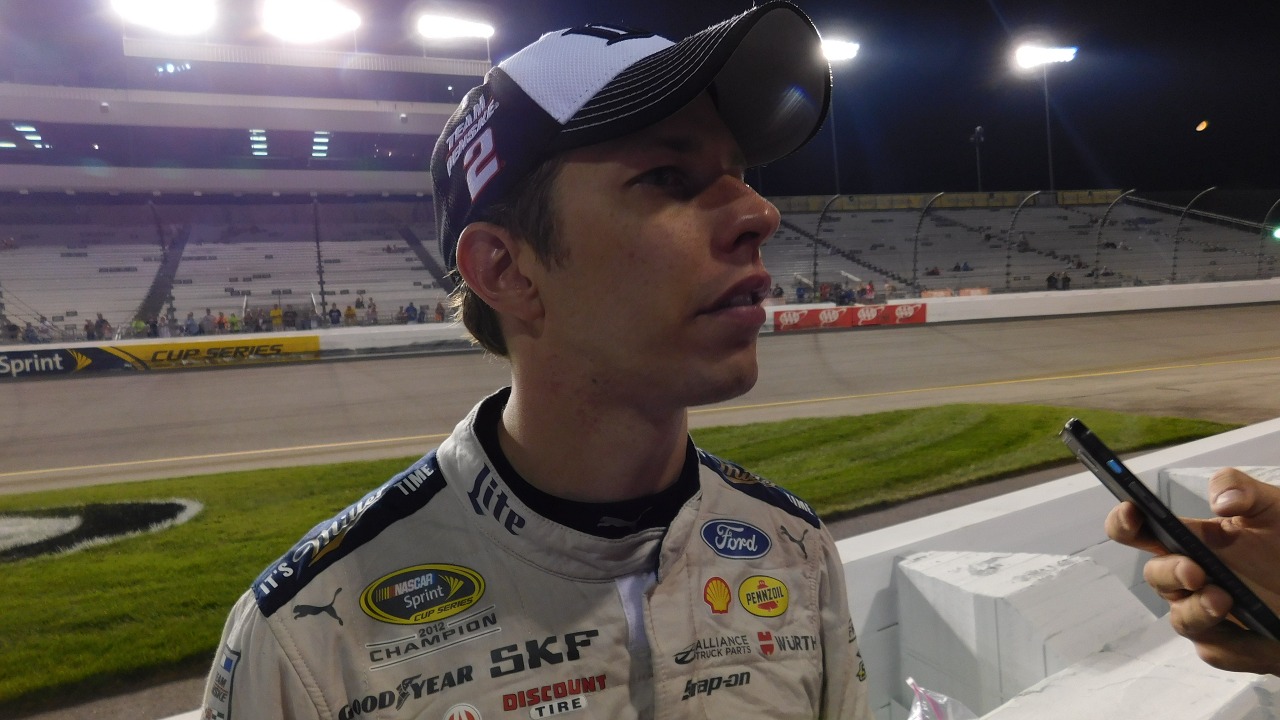
Brad Keselowski’s reputation as one of NASCAR’s sharpest thinkers did not appear out of thin air. It grew from a blend of blue-collar roots, technical curiosity, and a willingness to treat every lap as a problem to be solved rather than a script to be followed. When people in the garage talk about his strategy skills, they are really talking about a lifetime spent turning information, risk, and preparation into an edge.
From fuel-mileage gambles to ownership decisions, Brad Keselowski has built a career on seeing angles others miss and then having the nerve to act on them. His path from family shop floors to the top of the NASCAR garage shows how a driver can turn manufacturing know-how, data, and a contrarian mindset into a competitive identity that holds up under pressure.
From the shop floor to the spotter stand: strategy rooted in manufacturing
When I look at how Brad Keselowski races, I see the fingerprints of his upbringing in Manufacturing all over his decision-making. Long before he became a NASCAR champion, Brad grew up around a family business that treated precision and process as nonnegotiable, and he has described how those roots shaped the way he thinks about performance and problem-solving. In his own telling, that background did more than give him a work ethic, it taught him to see every part, tool, and process as a lever he could pull to go faster and make smarter calls with his team.
That mindset shows up in the way Brad talks about the feedback loop between the shop and the track. Instead of treating the car as a fixed piece of equipment, he and his engineers use their own manufacturing capability to design, build, and refine components in-house, then rush those ideas into real-world use. He has described how his group can move from concept to track utilization in under a day, a pace that turns the race weekend into a live laboratory rather than a static test. That rapid iteration is not just about speed, it is about strategy, because it lets Brad and his team respond to what they see in practice and competition with tangible changes instead of wishful thinking.
The “Professor of Speed” and a contrarian approach to risk
Brad Keselowski’s reputation as a strategist really took hold when he started winning races in ways that challenged the sport’s groupthink. He has been willing to gamble on fuel mileage and track position in situations where conventional wisdom said to play it safe, and that contrarian streak earned him a “Professor of Speed” label from observers who saw a pattern in his choices. Rather than simply following the dominant pit strategy, he has often been the driver who stretches a tank of fuel, flips a stage on its head, or stays out on older tires to gain clean air, trusting his calculations and feel for the race over the comfort of the crowd.
That approach is not reckless, it is analytical. Commentary on his style has pointed out how groupthink can trap teams into making the same conservative calls, even when common sense suggests that a bolder move might pay off. Brad’s willingness to step outside that herd mentality, especially in fuel-mileage situations, reflects a belief that carefully measured risk can lead to great things when the rest of the field is boxed into similar strategies. In other words, his “Professor” persona is less about showmanship and more about a driver who is constantly running scenarios in his head, weighing probabilities, and choosing the line that gives him a chance to win rather than a guarantee of blending in.
Fuel-saving masterclasses and the art of reading a race
One of the clearest windows into Brad Keselowski’s strategic mind came at the Indianapolis Motor Speedway, where his fuel-saving skills nearly turned a long-shot scenario into a statement victory. During that race, spotter Freddie Kraft broke down how Brad managed his pace, throttle, and track position to stretch a tank of fuel far beyond what most drivers could realistically attempt. The analysis made it clear that this was not a lucky guess, it was a deliberate plan executed lap after lap, with Brad constantly balancing the risk of running dry against the reward of stealing a win.
What stood out in that Indianapolis run was how Brad blended instinct with information. He leaned on data from his team, but he also trusted his own sense of how much speed he could give up without surrendering critical track position. Kraft’s breakdown highlighted how Brad adjusted his line and timing to save fuel in the least painful parts of the lap, then used bursts of pace when he needed to defend. Even though the No. 6 Ford did not ultimately win that day, the performance left insiders convinced that he had come close to pulling off a Joey Logano style masterclass, and it reinforced the idea that Brad’s reputation is built on repeatable, teachable racecraft rather than one-off miracles.
Owning the call: how leadership and business sharpened his race IQ
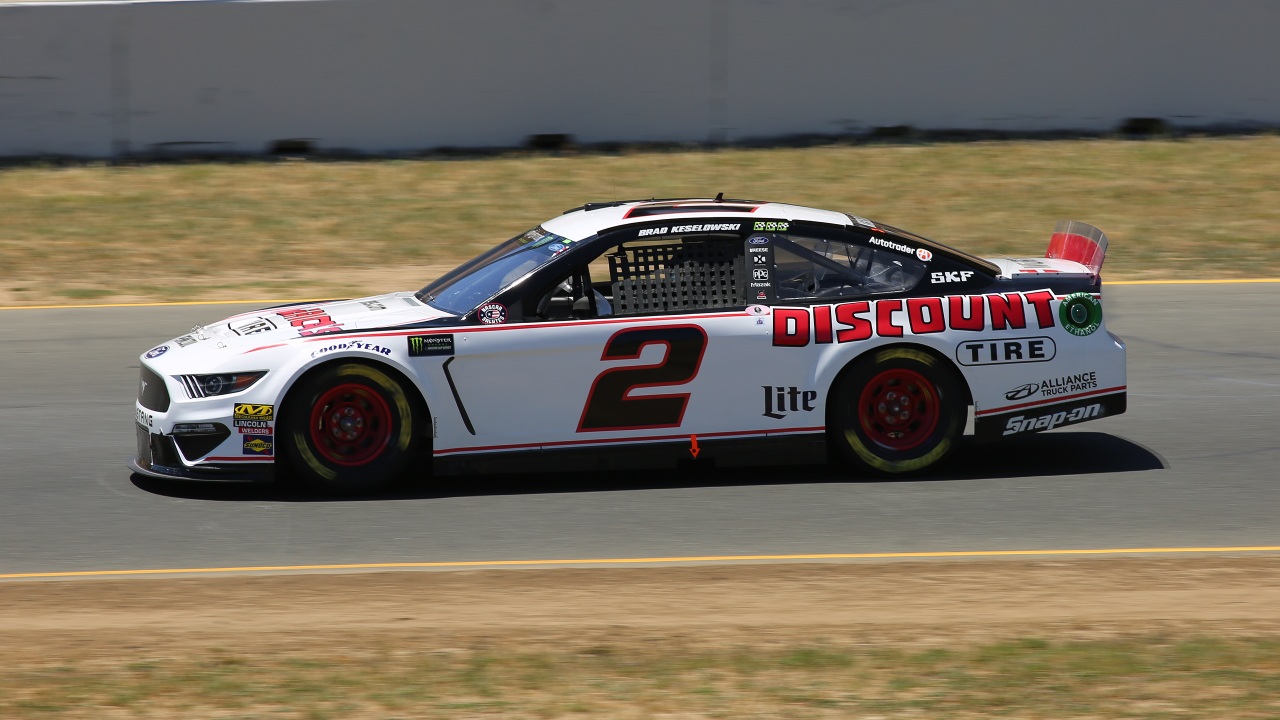
Brad Keselowski’s strategy skills are not limited to what happens inside the car. His move into team ownership forced him to think about risk and reward on a much broader scale, and that perspective has fed back into the way he races. His first foray into ownership, which ran for a decade from 2007 to 2017, gave him hands-on experience managing people, budgets, and long-term plans while helping launch the careers of several NASCAR drivers. That period taught him how to weigh investments in equipment and talent against the realities of sponsorship and performance, a balancing act that mirrors the tradeoffs he faces on the track.
When Brad Keselowski joined RFK Racing as a driver and co-owner, he brought that hard-earned business sense into a historic organization that needed fresh ideas. The team’s own biography of Brad Keselowski notes that he arrived with a track record of success and a willingness to engage in ventures beyond simply driving the car. That dual role means he is often the one helping set the strategic direction for the organization, from competition decisions to technology partnerships, and it reinforces his image as someone who sees the sport as a complex system rather than a series of isolated races.
Data, “failing virtually,” and mastering NASCAR’s variables
In recent years, Brad Keselowski has leaned even harder into technology as a way to sharpen his strategic edge. A high-tech partnership between RFK Racing and Trimble highlighted how Keselowski and his team are using advanced modeling and simulation tools to test ideas before they ever reach the track. Brad has described the importance of “failing virtually,” a phrase he uses to explain how digital twins and simulation can expose weak strategies, inefficient lines, or flawed setups in a low-cost environment. By making mistakes in the virtual world, he can arrive at the real race weekend with a more refined plan and a clearer sense of which risks are worth taking.
That approach fits neatly with how Brad talks about the nature of NASCAR itself. In a detailed breakdown of Talladega, he called NASCAR “one of the last variable-controlled sports out there,” a place where mastering the interplay of aerodynamics, drafting, pit cycles, and caution timing is not something you can fake. At a track where the “Big One” always looms, he framed success as a matter of understanding and managing those variables better than the competition, not simply hanging on and hoping for luck. When you combine that philosophy with his embrace of simulation and data, you get a picture of a driver who treats every race as a complex equation, one he is determined to solve with preparation and clear-eyed analysis.
Veteran status and a reputation that keeps evolving
All of these threads, from Manufacturing roots to digital experimentation, feed into the way Brad Keselowski is viewed inside the garage today. His official biography describes him as one of the veterans of the NASCAR garage and one of the most successful drivers of the last 11 seasons, a status that reflects both his on-track results and his influence on how teams think about strategy. That veteran label is not just about age or tenure, it is about the way younger drivers and engineers look to him as a reference point for how to blend driving talent with intellectual curiosity.
At the same time, Brad Keselowski continues to add new layers to his reputation. As a driver, owner, and manufacturing-minded problem solver, he keeps pushing for faster feedback loops between the shop, the simulator, and the race itself. As a strategist, he remains willing to challenge groupthink, whether that means stretching fuel at the Indianapolis Motor Speedway, embracing “failing virtually” with partners who can model his every move, or treating Talladega as a controlled experiment in chaos rather than a lottery. Put together, those choices explain why his name so often comes up when people talk about the smartest racers in the sport, and why his influence on NASCAR strategy is likely to outlast his final lap behind the wheel.
More from Fast Lane Only: