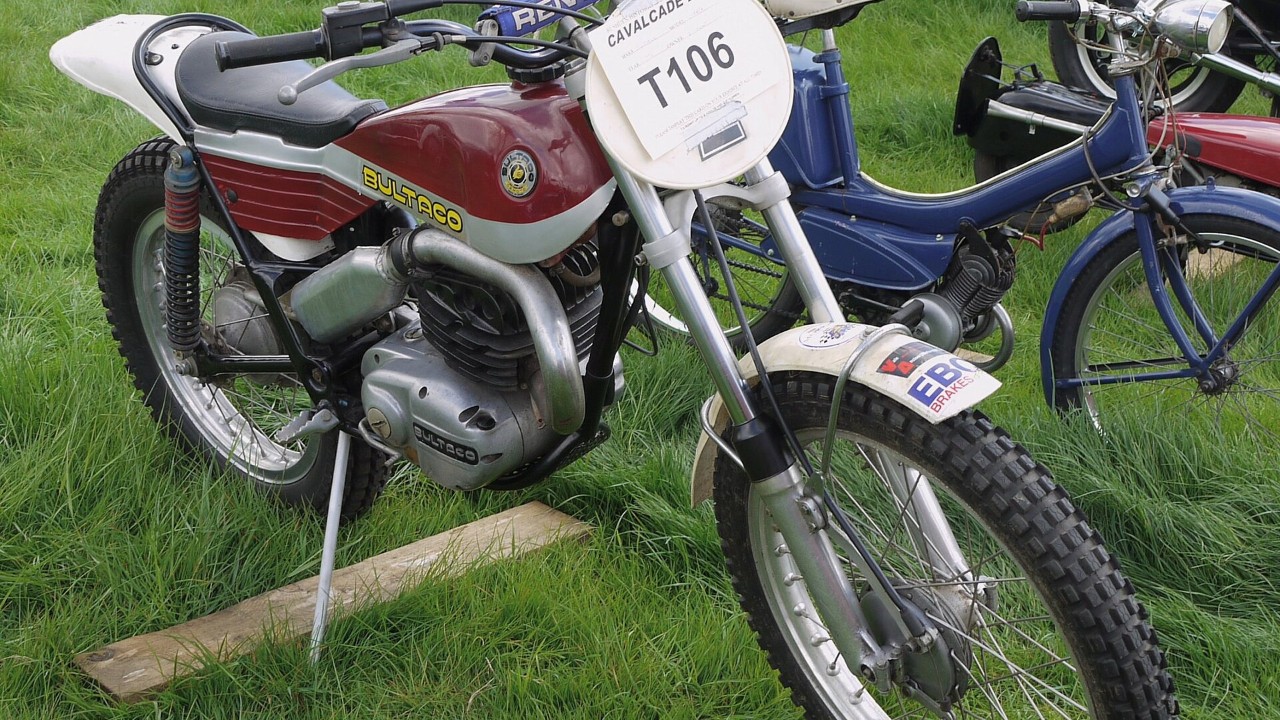
Bultaco began with a boardroom vote. In May 1958, Montesa’s board decided to quit international grand prix road racing, and Francisco Bulto, who had driven that racing program, resigned. Within a decade his new company had built road racers, trials bikes, scramblers and the Bultaco Metralla roadster.
The name itself arrived in February 1959. It joins Bulto and Paco, the Spanish nickname for Francisco. The eight models below trace the firm’s first decade, from the 125 cc Tralla 101 to the 360 cc El Bandido.
1. 1959 Bultaco Tralla 101
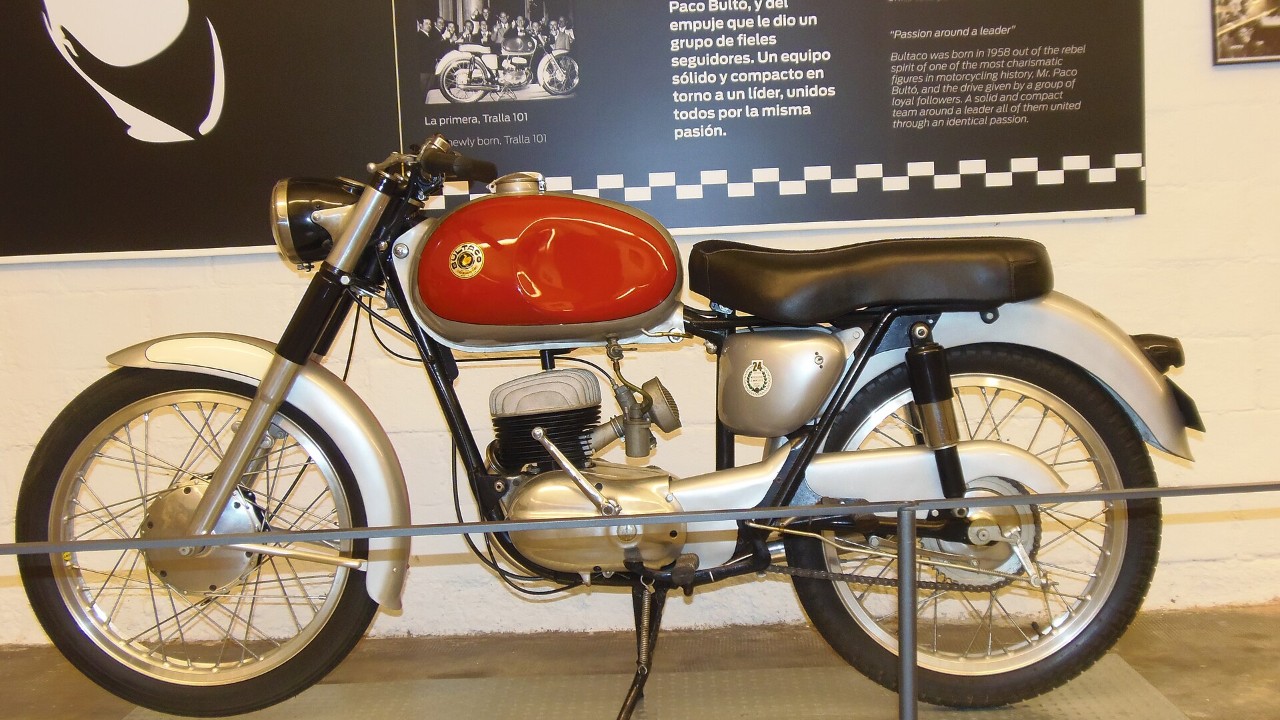
The first Bultaco was a 125 cc two-stroke single with a bore and stroke of 51.5 by 60 mm. It made 12 bhp and reached 71 mph. In short, the new company started small.
It also proved itself quickly. At the May 1959 Spanish Grand Prix, Bultacos took second through ninth in the clubman class, and Marcello Cama later won at Zaragoza, according to Cycle World’s 1970 history of the marque. As a result, buyers took 1,136 Tralla 101s in the first year.
2. 1960 Bultaco Sherpa N
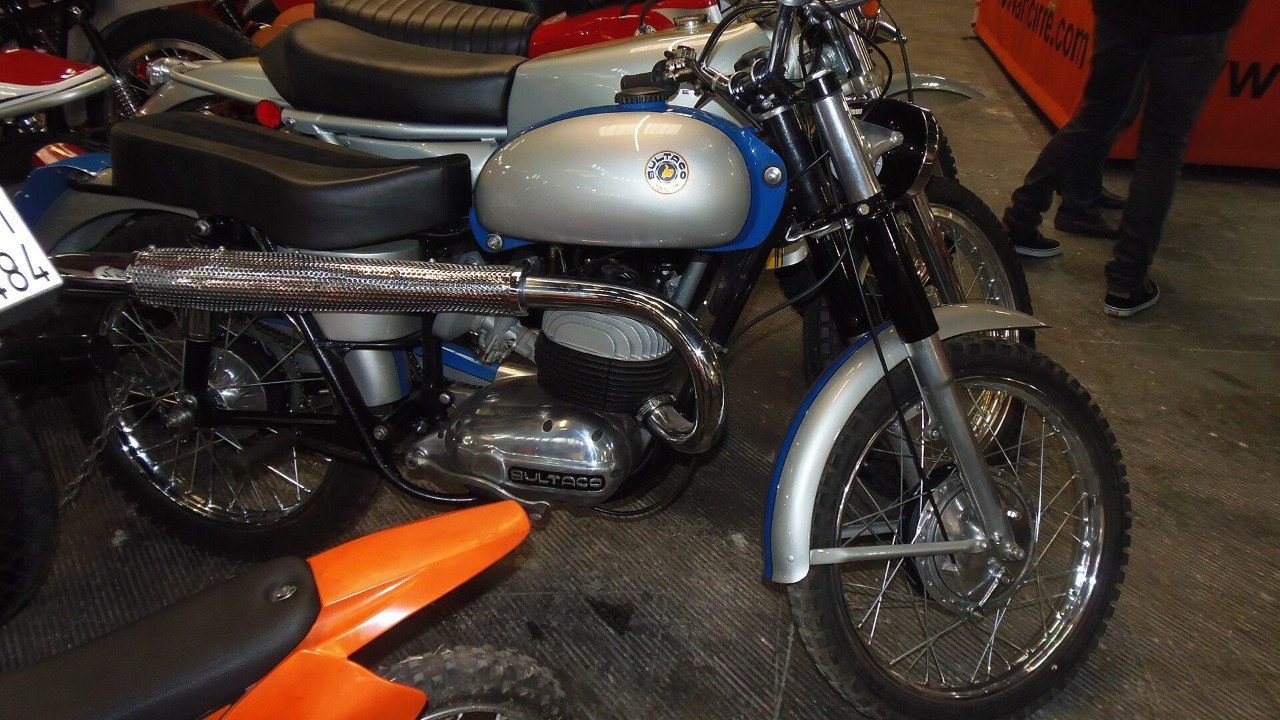
Bultaco’s next step was off the pavement. The Sherpa N was a roughstuff model with a bigger 155 cc engine. It also had wide-ratio gears, an upswept exhaust and knobby tires.
Because of that, sales grew fast. In fact, Cycle World credits the Sherpa N with helping push Bultaco’s sales to 4,171 during 1960, nearly four times the Tralla’s first-year total.
3. 1962 Bultaco Metralla
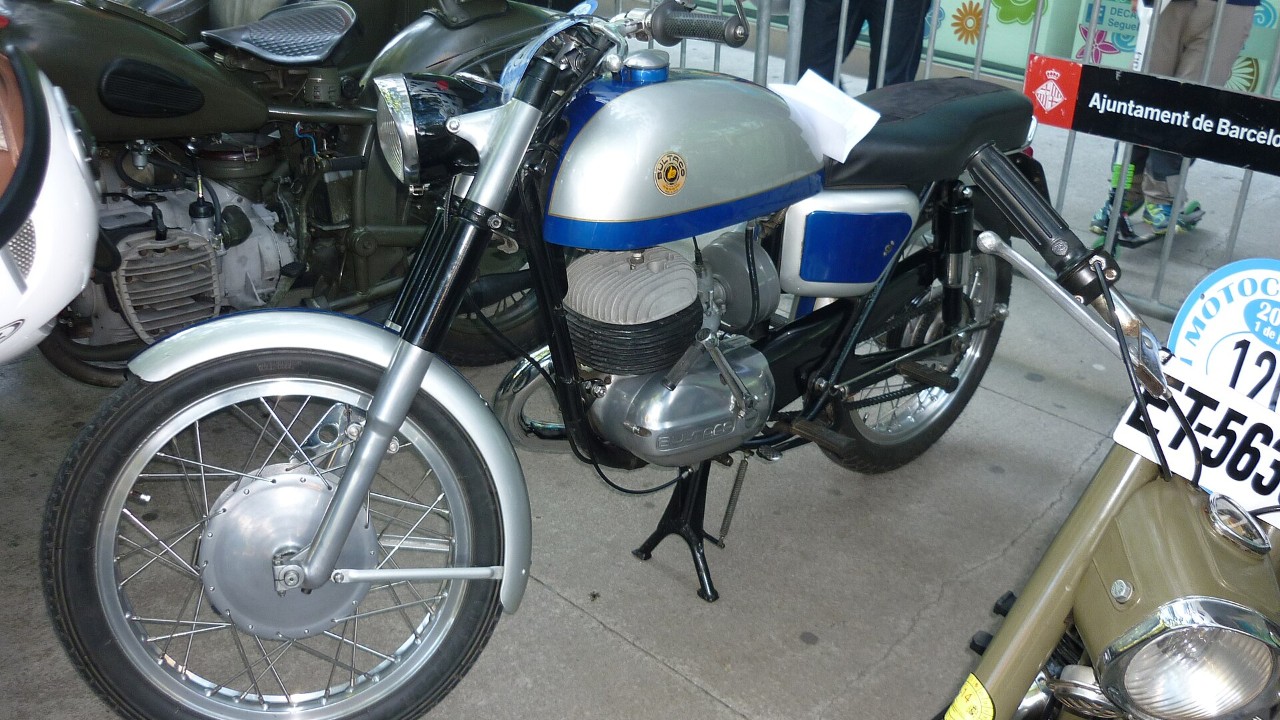
The first Metralla came from stretching the Tralla’s engine. Old Bike Australasia says Bultaco over-bored it to 196 cc, the largest size the original crankcases allowed. However, Cycle World rounds it to 200 cc.
Either way, the result was a quick roadster of about 200 cc. Cycle World rated the 1962 model at 22 bhp at 7,000 rpm, with an 84-mph top speed. Meanwhile, the name carried its own warning, because “metralla” is Spanish for shrapnel.
4. 1963 Bultaco TSS 200
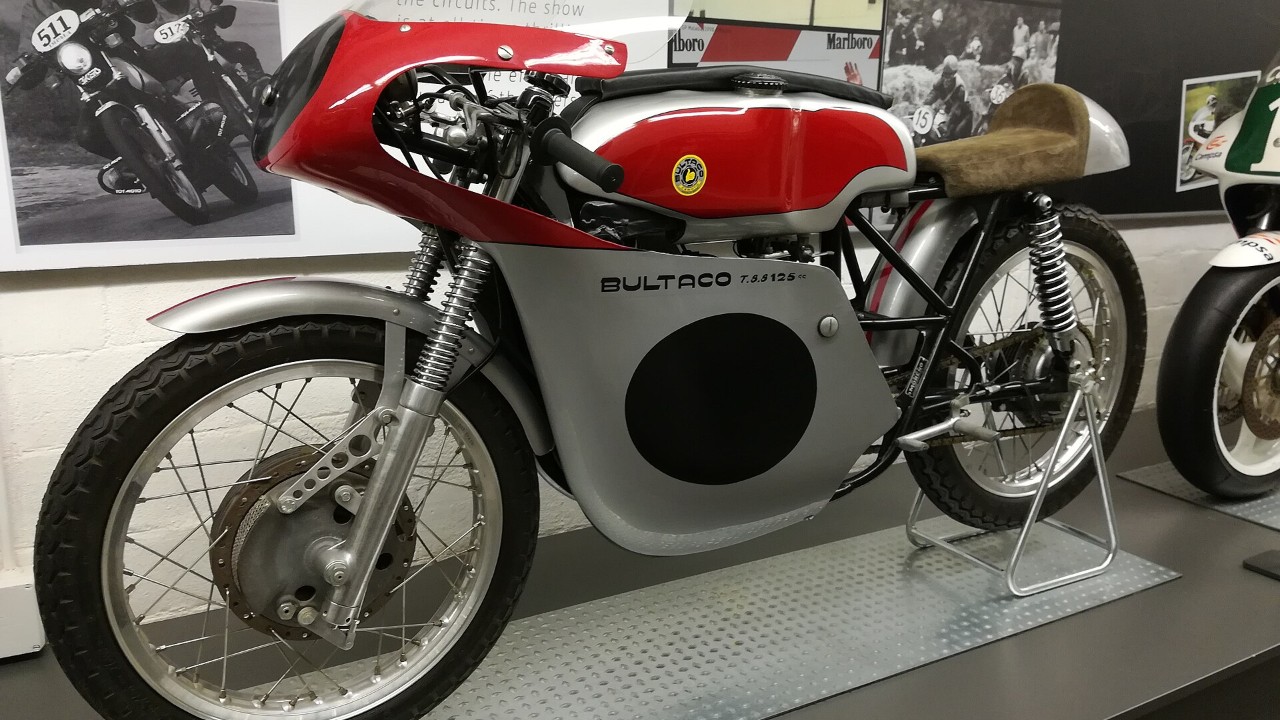
The TSS was Bultaco’s road racer, and it started as a 125 in 1961. Even then, that first version made 20 bhp. In the same year, R.B. Rensen rode one to sixth in the Isle of Man ultra-lightweight TT and earned Bultaco’s first world championship point.
For 1963, the TSS grew to 200 cc. Its engine then made 30 bhp at 9,500 rpm, Cycle World reported. Later, TSS models won national championships in Spain, Argentina and Uruguay.
5. 1965 Bultaco Sherpa T
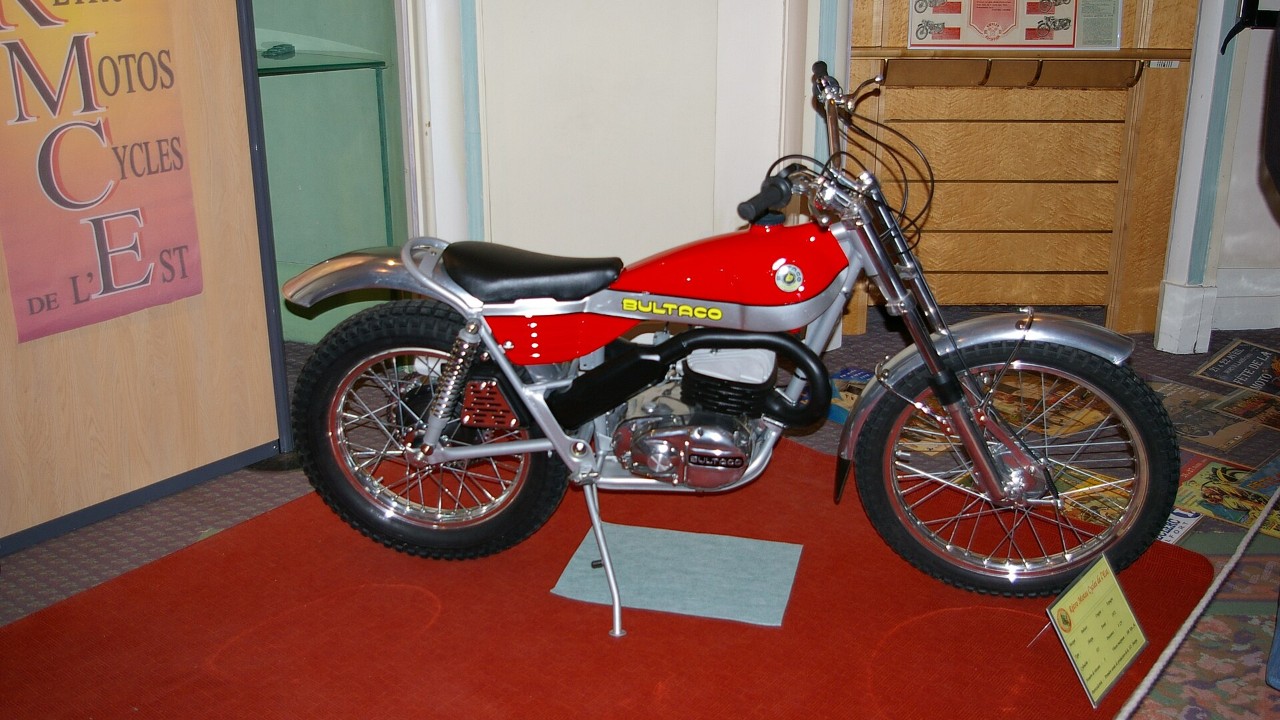
Bultaco built the Sherpa T trials bike with Irish rider Sammy Miller, who had already won every trials title there was. Cycle World’s 1967 road test called it one of the shortest development projects in motorcycling, at just 12 days. That test listed the price at $795.
The 72 by 60 mm engine made 18 bhp at 8,000 rpm. Then, in 1965, Miller won the Scottish Six Days Trial on it. That was also the first win in that event for a two-stroke or a non-British bike. For 1968, the Sherpa T became a five-speed.
6. 1966 Bultaco Metralla Mk2
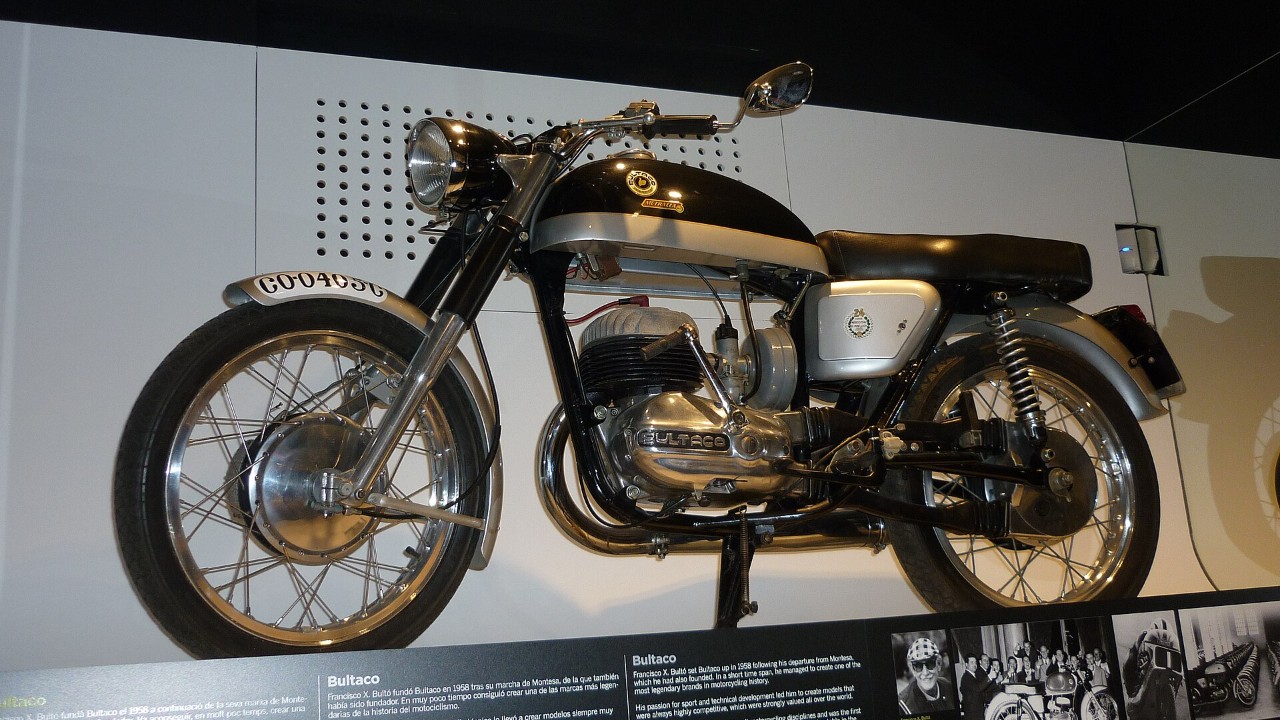
The second Bultaco Metralla moved up to 244 cc and a five-speed gearbox. Old Bike Australasia puts its output at 27.6 hp at 7,500 rpm. That was enough for a genuine 100 mph.
It won production races, too. Factory bikes took the 1967 Isle of Man Production 250 TT, with Bill Smith winning at an average of 88.63 mph and Tommy Robb second. Metrallas also won the Bathurst 250 Production race in 1967 and 1969. Even so, only 5,508 Mk2s were made between 1966 and 1974.
7. 1967 Bultaco Pursang
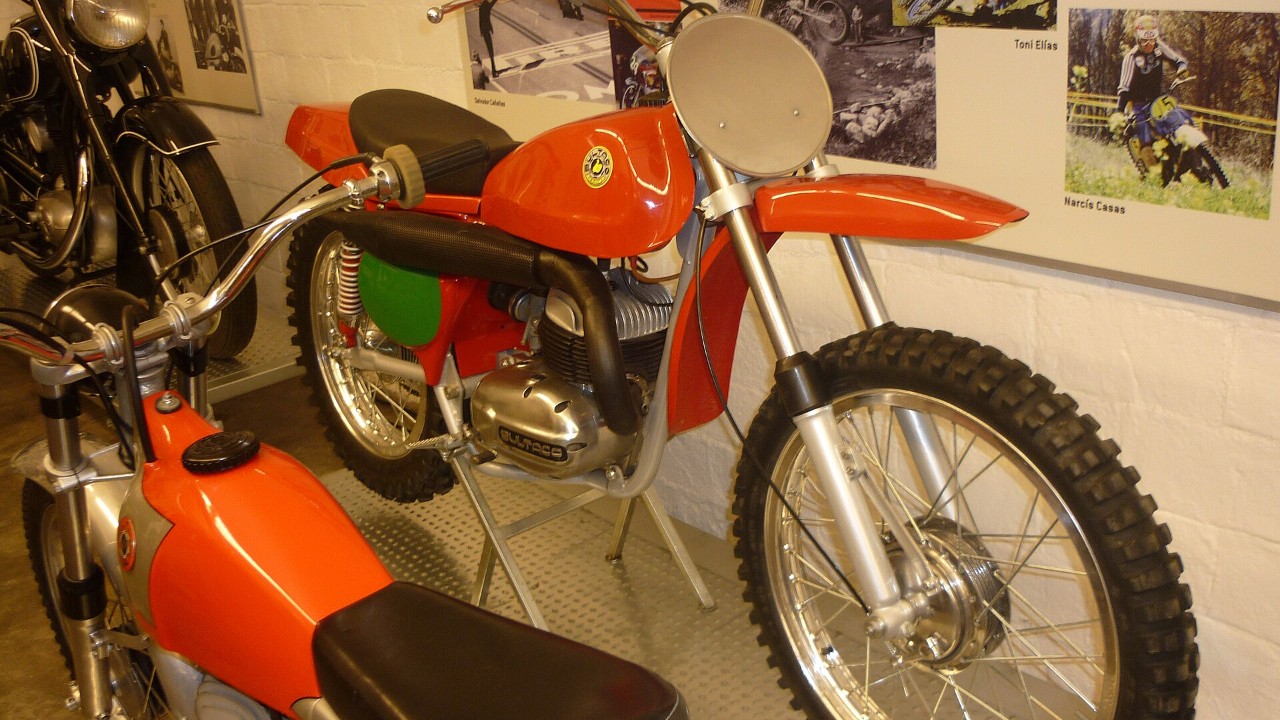
The Pursang began as a motocross bike. In 1965, the 250 cc Pursang-Metisse paired the Rickman-Metisse frame with a 36-bhp engine. It became very popular with American riders in TT-style scrambles.
By 1967, Cycle World named the five-speed Pursang as one of two big reasons for Bultaco’s success in the U.S. The magazine also called it a 34-bhp scrambler that was always hard to beat in the 250 class. In addition, it said the Pursang helped make Bultaco a leader in American off-road competition.
8. 1968 Bultaco El Bandido
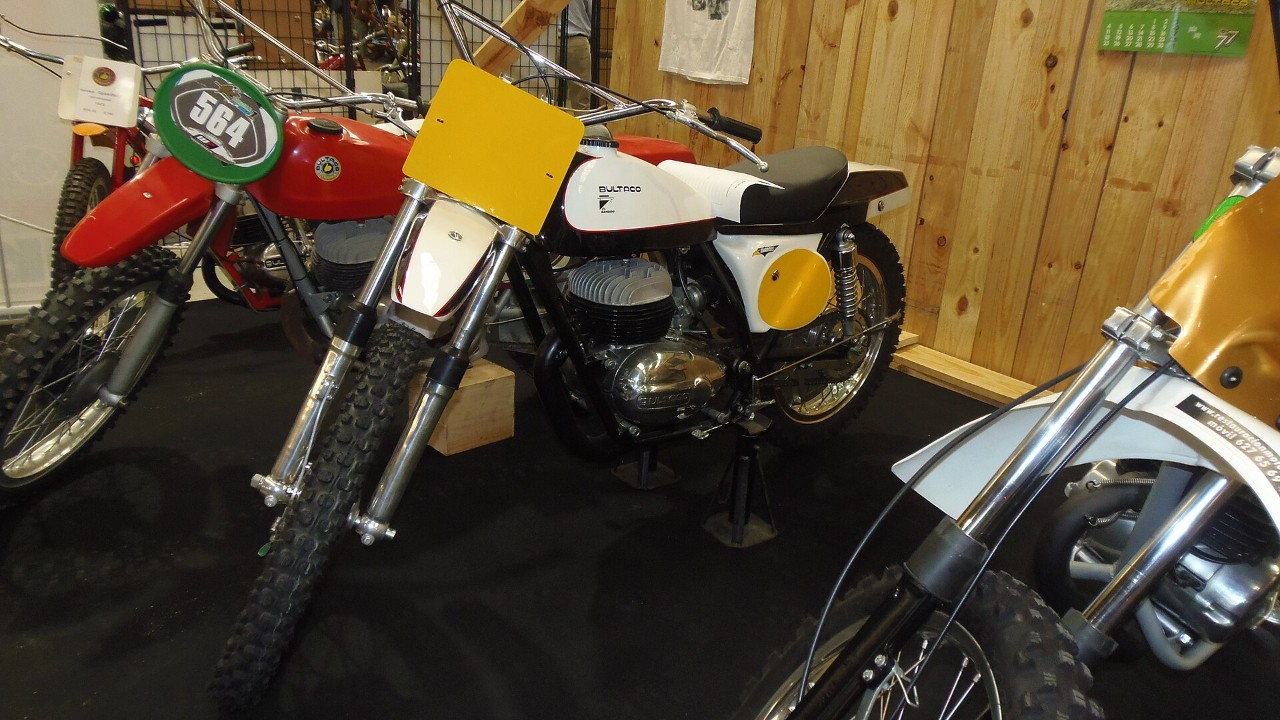
The El Bandido arrived in 1968 as a motocrosser. Its 360 cc two-stroke used an 85 by 64 mm bore and stroke. Cycle World put its output at 43.5 bhp at 7,500 rpm.
It looked different, too. Bultaco used fiberglass for the El Bandido’s fuel tank, fenders and seat, in what Cycle World called a rather striking way. That 43.5 bhp was more than three times the output of the 12-bhp Tralla 101 that had started the company nine years earlier.
More from Fast Lane Only