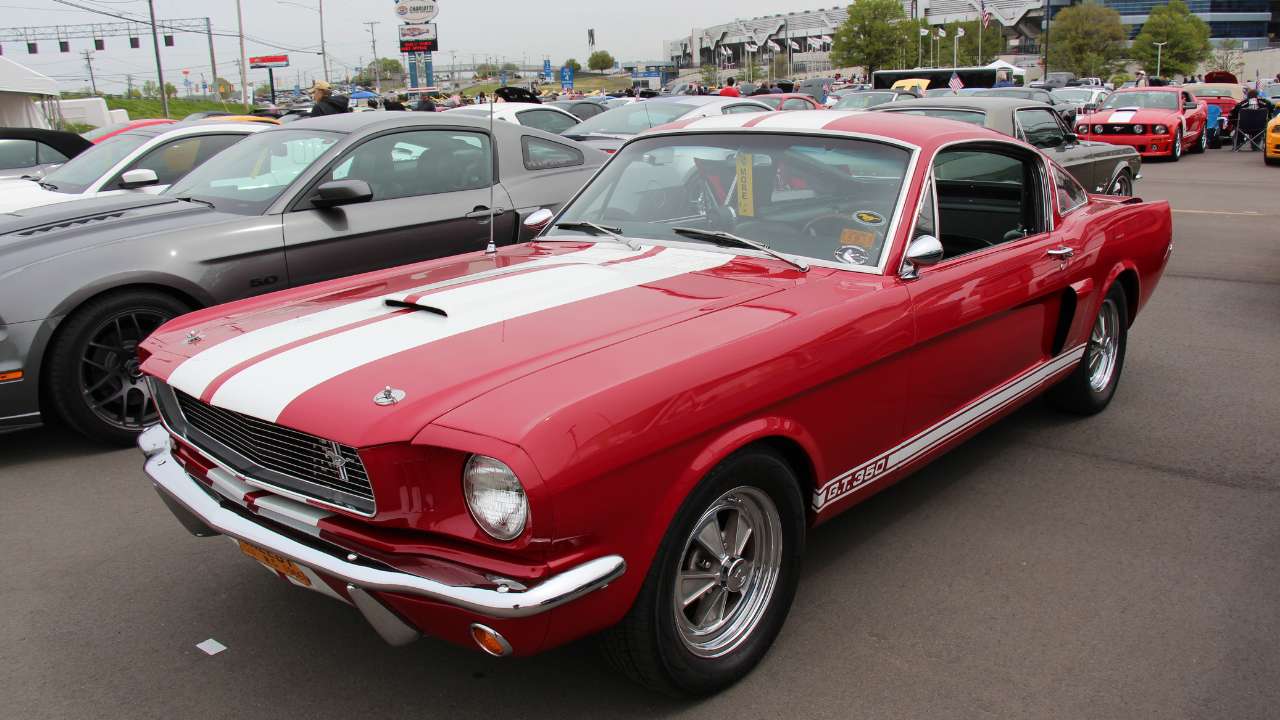
It started the way a lot of dream-car stories do: a classic Mustang, a quick handshake, and a stack of cash that made the whole deal feel satisfyingly old-school. No financing, no waiting on approvals, no monthly payments hanging over anyone’s head. Just a clean swap—car for cash—and everyone goes home happy.
Then, two days later, the phone rang. It wasn’t a friend asking for a ride or a neighbor wanting to see the car. It was the bank, and they had questions.
A “simple” cash deal that suddenly wasn’t
Cash purchases have a reputation for being the smoothest kind of transaction. You don’t need a loan officer, you don’t need to sign a mountain of finance documents, and you don’t need to wonder whether the interest rate will change before the ink dries. That’s why people love them—especially for private-party car sales.
But the bank’s call is a reminder that “cash” isn’t invisible. Even when you’re not borrowing a dime, the banking system still watches big cash movements closely, and for good reason. When a large deposit shows up—especially in actual paper bills—it can trigger automated monitoring and a follow-up from the branch.
Why a bank would call after a cash purchase
Banks are required to keep an eye out for potential fraud, money laundering, and other suspicious activity. If someone deposits a large amount of cash or makes multiple deposits that look like they’re trying to avoid reporting thresholds, that can set off internal alerts. Sometimes the bank simply wants to document where the money came from, so it can satisfy compliance rules.
It can feel personal, like someone’s accusing you of doing something shady. Most of the time, it’s not that dramatic. It’s more like a standardized “help us understand this transaction” moment, the financial version of a store employee checking a big bill under the light.
The big reporting rule people hear about (and often misunderstand)
A lot of folks know there’s a magic number—$10,000—that makes banks pay attention. When someone deposits more than $10,000 in cash, banks generally must file a report with the government called a Currency Transaction Report (CTR). That report isn’t automatically a sign of wrongdoing; it’s a routine requirement tied to the size and type of transaction.
What actually gets people into trouble isn’t the report itself. It’s trying to dodge it by breaking cash deposits into smaller chunks over several days. That pattern is called “structuring,” and banks are trained to look for it, even when the person doing it swears they were just trying to be convenient.
“So… where did this money come from?”
The bank’s questions in situations like this are usually straightforward: Was the cash from a car sale, a business, a withdrawal from another account, or something else? They may ask for details like the date of sale, the approximate amount, and whether there’s a bill of sale. Sometimes they’ll also ask why the transaction was done in cash instead of a cashier’s check or wire transfer.
That can feel a little awkward, especially if you’re the type who considers your finances none of anybody’s business. But from the bank’s perspective, they’re not gossiping—they’re documenting. The more clearly you can explain it, the faster the conversation ends.
The paperwork that makes this easier (and the paperwork people skip)
Private car sales often run on trust, but paperwork still matters. A simple bill of sale that lists the vehicle, purchase price, date, and both parties’ signatures can be a lifesaver when questions pop up later. It’s also helpful to have a copy of the title transfer paperwork or a receipt for any related transaction.
Many people don’t bother because they’re excited, or because the deal seems straightforward. Then the bank calls, and suddenly everyone wishes they’d spent five extra minutes printing a template and signing it. It’s not glamorous, but it’s the kind of boring detail that keeps a fun purchase from turning into a headache.
Could the bank freeze the deposit?
In most normal cases, no dramatic freeze happens just because you deposit cash from a legitimate sale. But banks can place holds, delay availability, or file additional reports if something looks inconsistent or suspicious. That might include stories that change, deposits that don’t match stated income patterns, or cash that appears to be broken up to avoid reporting.
If everything is legitimate, the fastest path is simple: give a consistent explanation and provide any documentation you have. Think of it like airport security—annoying when you’re in a hurry, but it goes quicker when you follow the process.
What the bank is really worried about
The big concerns usually fall into three buckets: fraud, stolen money, and compliance risk. If someone is depositing a lot of cash, the bank has to be comfortable it’s not tied to illegal activity. They also want to avoid being the place where questionable money quietly enters the system.
There’s also a practical concern: counterfeit bills. Large cash deposits mean the bank may want extra verification, and if some bills don’t pass inspection, it can become a messy situation. That’s another reason banks prefer cashier’s checks or wires for big purchases—less risk, fewer surprises.
Why classic car deals attract extra attention
Classic cars sit in a weird space: they’re everyday objects, but they can also function like collectibles with fluctuating values. Two people can agree on a price that seems high or low depending on who’s looking. Add cash into the mix, and you’ve got a transaction that can look unusual to an algorithm scanning for patterns.
It doesn’t mean the bank thinks the car is a front for anything. It just means the transaction has a couple of “flags” that are common in compliance playbooks: large cash, private-party sale, and an asset that’s easy to move or resell.
How to handle the call without making it weird
The best approach is calm and simple. Explain that the cash came from selling a vehicle, share the date and approximate details, and offer a bill of sale or title transfer copy if you have it. If you withdrew the cash from your own account earlier, mention that too, since it creates a clean trail.
What doesn’t help is getting defensive or trying to be overly clever. Jokes about “it’s none of your business” might feel satisfying, but they can drag the process out. Treat it like customer service: answer, document, move on with your day—and maybe go take the Mustang for a victory lap afterward.
A smarter way to pay for a car next time (even if you hate financing)
If the whole point was avoiding loans, there are still safer, cleaner options than showing up with a duffel bag of bills. A cashier’s check, bank wire, or even meeting at a bank to do an on-the-spot transfer can reduce the scrutiny that follows. It also protects both sides by creating a clear record.
Cash can still work, but it’s worth thinking through the aftereffects. The purchase might feel “simple” in the driveway, yet complicated once the money hits the banking system. The good news is that a bank call usually isn’t a disaster—just a reminder that even old-school deals still live in a modern, heavily monitored financial world.
More from Fast Lane Only