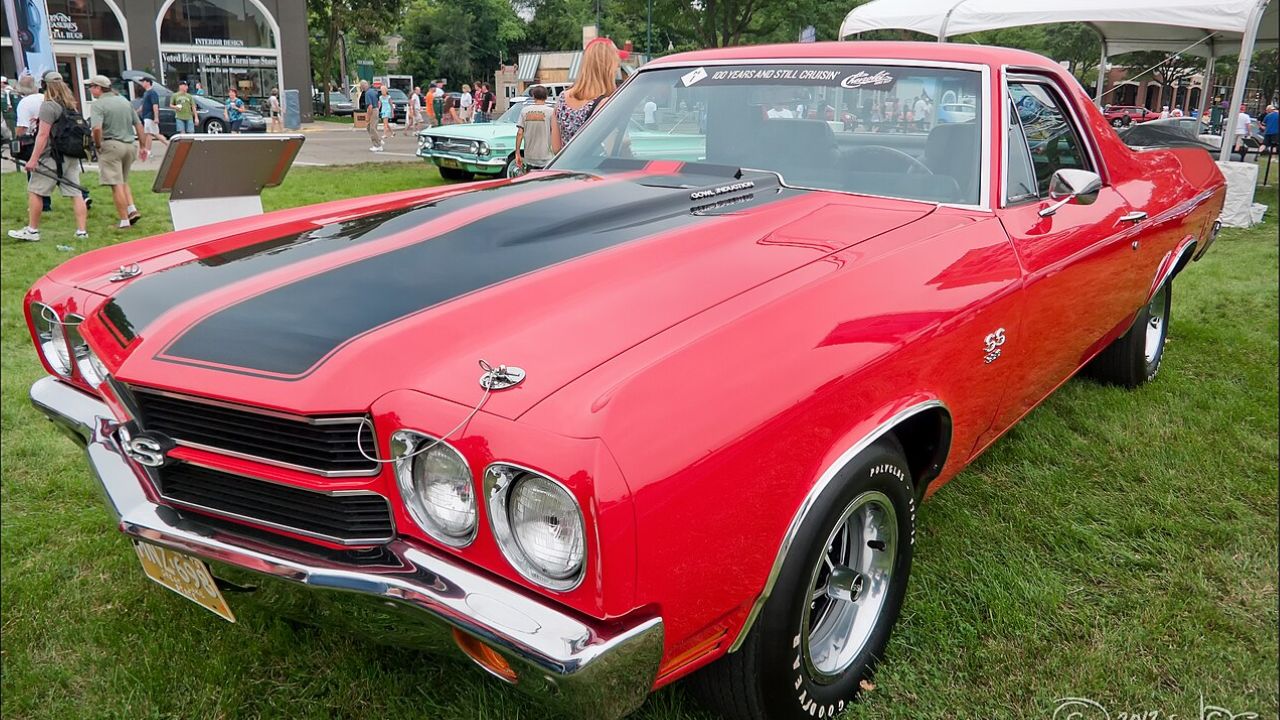
It was supposed to be a simple classic-car win: a 1970 El Camino with a little patina, a little rumble, and a lot of weekend potential. The new owner said the seller pitched it as a straightforward project—solid bones, a few quirks, nothing unusual for a 50-plus-year-old truck-car mashup. Then came the glovebox.
While rummaging for the owner’s manual and maybe an old insurance card, they found a folded receipt tucked behind a stack of yellowed papers. At first, it looked like the usual: faded ink, old parts-store letterhead, a few lines of labor. But the details on that slip of paper didn’t match the story they’d been told, and it sent the new owner down a rabbit hole that turned a casual purchase into a full-blown mystery.
A Classic Buy That Felt Normal—At First
According to the new owner, the El Camino was advertised as a “mostly original” 1970 model, with an engine that “ran when parked” and a transmission that “just needed a little love.” If you’ve ever shopped for vintage cars, you know those phrases can mean anything from “easy fix” to “bring a trailer and a therapist.” Still, the price was right, and the body looked decent enough to justify the gamble.
The seller reportedly said it had been in the family for years and had seen light use in its later life. The new owner expected the usual surprises—worn bushings, brittle hoses, maybe a wiring gremlin or two. What they didn’t expect was evidence that the car had lived a completely different life than the one described.
The Glovebox Discovery
The receipt was found under a thin layer of dust, pressed flat like it had been intentionally hidden rather than accidentally forgotten. It wasn’t just a quick oil-change ticket, either. It listed parts, labor, and—most importantly—identifying information that made the new owner pause.
The paperwork appeared to include a VIN or partial VIN reference, along with a shop name and a date from decades ago. The amount was surprisingly high for the era, suggesting major work rather than routine maintenance. And the line items weren’t small potatoes: engine-related parts, suspension pieces, and notes that hinted at repairs following a serious incident.
What the Receipt Said (and Why It Raised Eyebrows)
The new owner said the biggest shock wasn’t the cost—it was the context. The receipt described work that sounded like a rebuild after significant damage, with wording that implied the vehicle had been “recovered” and then repaired. That word alone was enough to make anyone’s mind start spinning.
Even more confusing, the receipt’s identifying details didn’t neatly line up with what the seller had shared. The date predated the alleged “long-term family ownership” timeline, and the shop location suggested the El Camino had spent time in a different region entirely. In other words, either the seller didn’t know the full history, or the history being shared had been edited for convenience.
A Quick Reality Check: Receipts Don’t Lie, But They Can Mislead
Anyone who’s bought an old car knows gloveboxes are basically time capsules. They’re full of old registrations, service stickers, mystery keys, and the occasional fast-food napkin that’s somehow survived multiple administrations. A receipt can be a goldmine, but it can also be incomplete—cars change hands, paperwork gets mixed, and people shove things wherever they fit.
Still, the new owner said this one felt too specific to ignore. It wasn’t the kind of generic slip you’d accidentally leave in any vehicle. It looked connected to this El Camino, and it hinted at a story that didn’t match the one that came with the keys.
Connecting the Dots: VIN Clues and Old Records
After the initial surprise, the new owner reportedly started cross-checking the receipt against the car itself. Classic cars offer plenty of breadcrumbs: VIN plates, trim tags, engine stampings, and casting numbers. Even when parts have been swapped, certain identifiers tend to leave a trail.
The receipt’s numbers appeared to match at least some of the markings on the vehicle, suggesting it wasn’t just random paperwork. That’s where the situation got interesting. If the receipt belonged to this El Camino, then the work described likely happened to this car, which meant its past included major repairs that were never mentioned.
The Seller’s Story Suddenly Felt… Flexible
The new owner said the seller didn’t seem suspicious during the sale—more like someone repeating a version of the story they’d heard themselves. That’s a common thing in the classic-car world: owners pass along folklore like it’s factory documentation. Over time, “I think it was my uncle’s” turns into “It’s been in the family forever,” and nobody even feels like they’re lying.
But the receipt introduced details that were hard to chalk up to simple confusion. Big-ticket repairs, a location that didn’t fit, and hints of a recovery or incident raised the possibility that the El Camino had been through something serious—maybe an accident, maybe theft, maybe a salvage event. And suddenly, “mostly original” started sounding more like “mostly present.”
Why This Matters for a 1970 El Camino
With classics, history is value. A documented, clean chain of ownership and consistent records can make a car more desirable, easier to insure, and simpler to resell. On the flip side, an unexpected past—especially one involving major damage—can change what the car is worth and what it’ll take to make it safe and reliable.
That doesn’t automatically mean the car is a bad buy. Plenty of rebuilt classics are great drivers, and some are better than “survivors” because the weak spots were addressed properly. The issue is transparency: buyers want to know what they’re getting, not find out via a crumpled receipt after they’ve already fallen in love with the thing.
What the New Owner Did Next
Rather than panic, the new owner reportedly treated it like a puzzle. They started gathering all the glovebox documents, taking photos, and organizing anything with dates, shop names, or identifying numbers. That’s smart, because even small scraps—an emissions test sheet, an alignment printout—can help build a timeline.
They also began inspecting the car with fresh eyes, looking for signs of old repairs: mismatched welds, uneven seams, overspray in hidden areas, and replacement panels. Classic cars can hide a lot under shiny paint, but they also tend to leave clues if you know where to look. And once you suspect a previous major event, you start noticing details you would’ve brushed off before.
A Familiar Lesson for Anyone Shopping Vintage
This kind of surprise isn’t rare—it’s just rarely this cinematic. People imagine barn finds coming with a perfect backstory and a neatly labeled folder of receipts. In reality, you’re more likely to get a handful of cryptic documents and a story that sounds confident until you ask one follow-up question.
The good news is that a discovery like this can actually help. It gives a buyer leverage to renegotiate, a roadmap for what to inspect, and a chance to learn the car’s real quirks before they become expensive surprises. And if nothing else, it makes for one heck of a glovebox story at the next cars-and-coffee.
Where the Mystery Stands Now
As of the latest update shared by the new owner, the receipt hasn’t answered every question—it’s just changed the questions. Instead of “How fast can this be road-ready?” it’s now “What exactly happened to this El Camino, and when?” That’s a very different project, mentally and financially.
But there’s also a kind of charm in it. A 1970 El Camino already lives in a strange, lovable category all its own, and apparently this one brought extra lore along for the ride. Sometimes you buy a classic for the looks and the sound, and sometimes you buy one and accidentally inherit a decades-old mystery folded into the glovebox.
More from Fast Lane Only