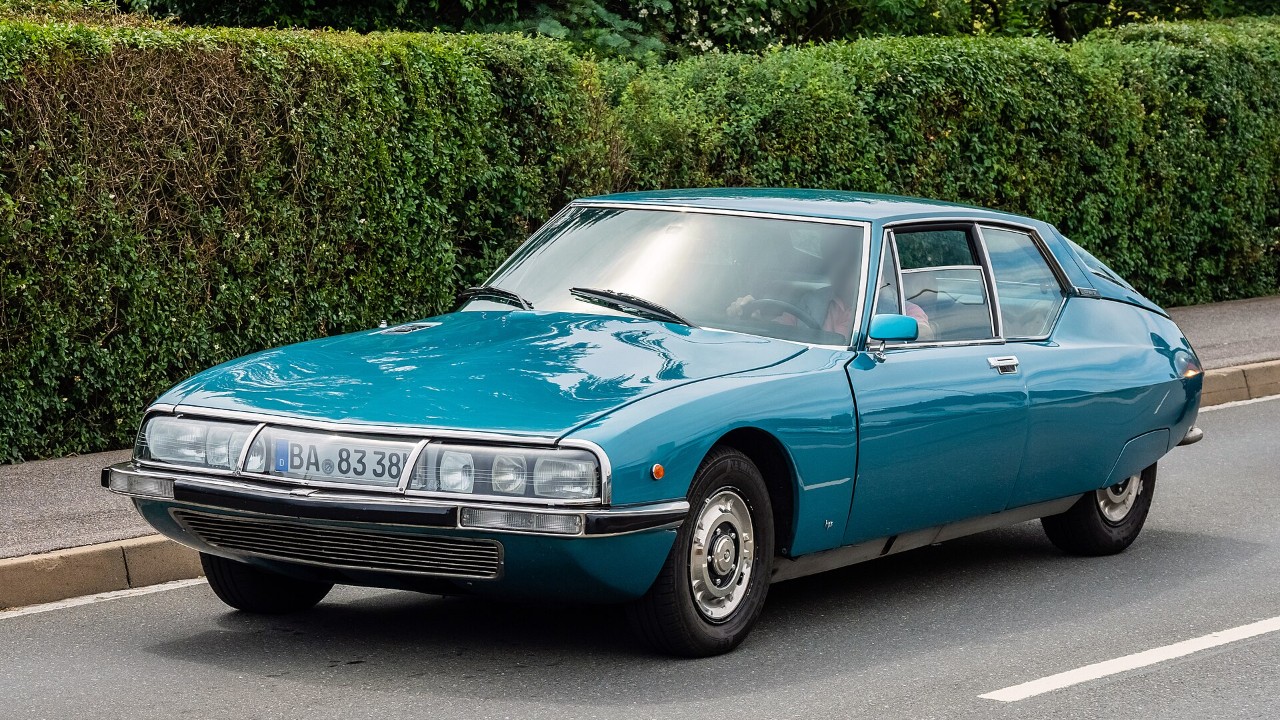
It started like a normal used-car meetup: a quick hello in a parking lot, a few polite questions, and that familiar mix of excitement and caution. But something felt off almost immediately. He says the seller kept checking the time, pushing paperwork forward, and brushing past details like they were speed bumps.
At first, he figured the seller was just busy. Maybe there was a shift starting, a kid to pick up, or another buyer waiting in the wings. Still, the pace was weirdly urgent—like the goal wasn’t to sell a car so much as to get it out of sight.
A Sale That Moved Too Fast
He’d come prepared, too. He had a checklist on his phone, a flashlight in his pocket, and the kind of cautious optimism you get from watching one too many “what to look for” videos. He expected the usual back-and-forth: maintenance records, a quick look under the hood, a short test drive, maybe a little negotiating.
Instead, he says the seller steered the conversation away from anything that required time. “It runs great,” “no issues,” “clean title,” came out in rapid-fire bursts. When he asked about service history, the seller reportedly shrugged and said something like, “It’s been solid, never needed much.”
Then came the part that really set the tempo. The seller suggested skipping the test drive because “it’s just like any other one,” and offered to knock a little off the price if they could “do this right now.” That’s a pretty tempting sentence when you’re already half in love with a car and the deal seems decent.
The Tiny Red Flags That Add Up
Looking back, he says the signs were there, just subtle enough to ignore if you wanted to. The seller kept the engine running while they talked, which can be innocent… or can keep you from noticing a rough cold start. The hood popped open for only a quick glance, and the seller stood a little too close, blocking angles that might’ve shown leaks or frayed belts.
Inside, the cabin smelled strongly of air freshener—one of those “mountains and mystery” scents that can cover a lot of sins. The infotainment screen was already on a menu, and the radio was louder than it needed to be. If you’ve ever tried to listen for a knock, squeal, or rattle while someone’s blasting music, you know how that goes.
And then there was the paperwork. He says the seller had everything ready—bill of sale, title, even a pen placed neatly on top—like they were running a checkout counter. Efficient? Sure. But also a little too polished for someone who couldn’t find a single maintenance receipt.
Why He Went Through With It Anyway
He admits he talked himself into it. The exterior looked good, the tires had decent tread, and the price felt like it sat right in that sweet spot: low enough to feel like a win, not so low it screamed “problem.” Plus, the seller was friendly—just fast.
He also didn’t want to be “that person” who nitpicks everything. A lot of buyers worry about coming off suspicious or annoying, especially in a parking lot exchange with a stranger. So when the seller repeated, “It’s good to go,” he took it as reassurance instead of pressure.
They finalized the deal. A handshake, a key handoff, a quick goodbye. And with that, he drove off feeling relieved—right up until the car started telling a different story.
The First Drive That Changed Everything
It didn’t take long. Within the first few minutes, he says the steering wheel started to vibrate at highway speed. Not a minor tremble, either—more like the kind of shake that makes you loosen your grip because you’re suddenly aware of every tiny movement in your hands.
Then came the braking. The pedal felt soft, and the car pulled slightly to one side when he slowed down. It wasn’t dramatic enough to be instantly dangerous, but it was the kind of “that’s not right” feeling that makes your stomach sink.
The biggest surprise showed up when he stopped at a light. The idle dropped, the engine hesitated, and a warning light flickered on like it had been waiting for privacy. He described it as the automotive version of someone acting normal until the door closes, then immediately admitting they’ve been holding in a cough all day.
The Rushed Sale Starts to Make Sense
Once the warning light appeared, he did what most people do: pulled out his phone and started searching symptoms. A shaky steering wheel can be as simple as unbalanced tires—or as annoying as worn suspension parts. Soft braking and pulling can point to uneven pad wear, a sticking caliper, air in the lines, or warped rotors.
But the way it all showed up immediately is what bothered him most. He started replaying the sale in his head: the engine already running, the push to skip the test drive, the loud radio, the hurry to sign. It wasn’t just impatience anymore. It felt like strategy.
He stopped at an auto parts store to use a free code reader. The scan brought up a fault related to misfires, the kind of issue that can be anything from a simple spark plug to deeper engine trouble. Either way, it wasn’t “no issues,” and it definitely wasn’t something you’d want to learn about after the money changed hands.
What a Mechanic Typically Looks For in This Situation
He later took it to a shop for an inspection. In cases like this, mechanics usually start with the basics: tires, wheels, and brakes, then move into suspension and engine diagnostics. They’ll check for uneven tire wear, bent rims, loose tie rods, worn control arm bushings, and any signs of accident repairs that didn’t quite go back together correctly.
For the engine hiccup and misfire-related codes, they’ll often inspect plugs and coils, look for vacuum leaks, and check fuel delivery. They may also look for signs someone recently cleared codes to hide a check-engine light—because yes, that happens. If the light comes back quickly after a sale, it can be a clue the problem wasn’t new.
The frustrating part is that none of these checks require magic. They require time. And time, he says, was exactly what the seller seemed determined not to give.
How Buyers Can Slow Things Down Without Making It Awkward
His experience has people talking, mostly because it’s so relatable. Nobody wants to get hustled, but in the moment it’s easy to confuse urgency with confidence. If a seller’s rushing, one simple line can reset the tone: “I’m interested, but I’m not buying without a test drive and a quick look.”
If the seller won’t allow an inspection, that’s useful information all by itself. A pre-purchase inspection can cost money, but it’s often far cheaper than surprise suspension work or chasing a mystery misfire. And if you can’t do that, even a longer test drive—city streets, bumps, a little highway—can reveal a lot.
It also helps to insist on a cold start. If the car is already warmed up when you arrive, ask to come back later or schedule a time when it hasn’t been running. Cold starts can expose rough idles, weak batteries, startup smoke, and other issues that magically disappear once everything heats up.
The Lesson He Says He Won’t Forget
He doesn’t claim every fast seller is hiding something. Some people really are busy, and some are just efficient. But he says he learned to treat pressure like a warning sign, not a sales technique.
Because once he felt that shake in the steering wheel and saw that light flicker on, the rushed goodbye suddenly had a new meaning. The seller didn’t just want the deal done. He wanted it done before the car had a chance to introduce itself.
More from Fast Lane Only