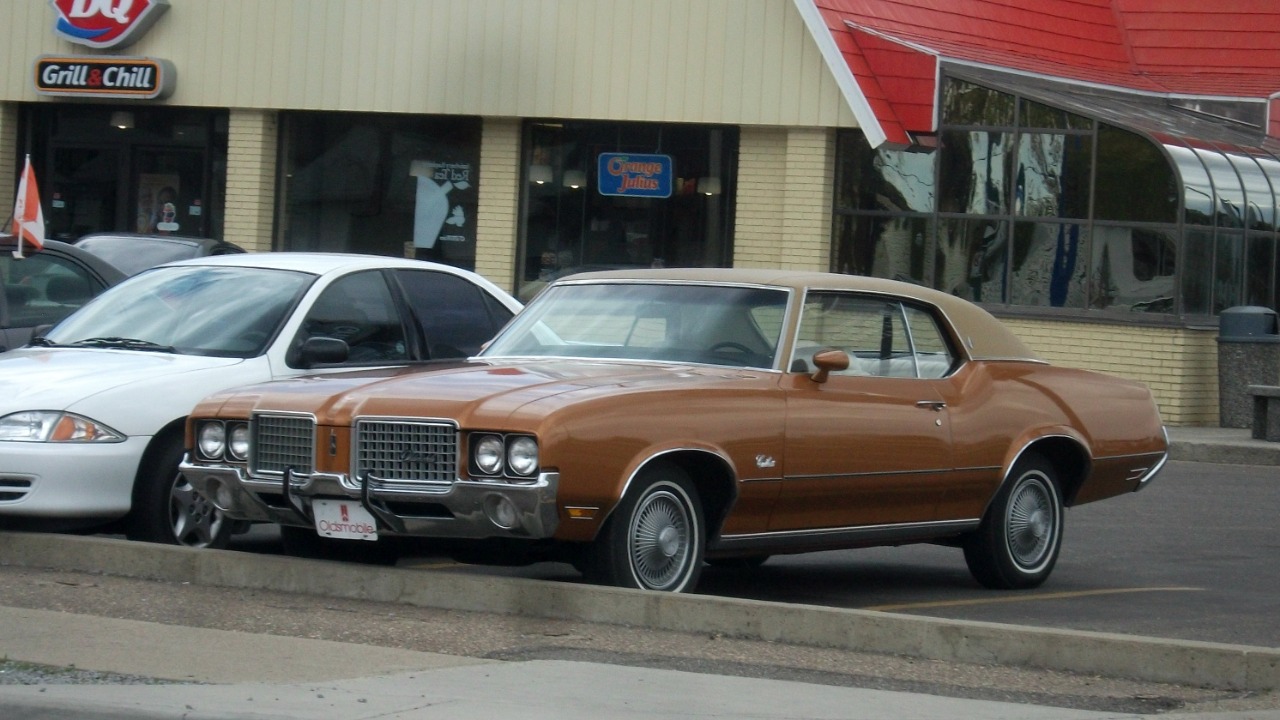
It was supposed to be a simple classic-car win: a 1972 Cutlass, a handshake deal, and the kind of weekend plans that involve polishing chrome and arguing about the “right” motor oil. But after bringing the car home, she ran into a surprise that doesn’t show up in glossy listing photos. The title, it turned out, had been transferred twice in one week—without her ever being told.
And while that doesn’t automatically mean someone’s running a scam, it’s the kind of paperwork twist that can turn a fun purchase into a frustrating puzzle. The good news is that title tangles can be fixed. The bad news is they can also snowball if you don’t deal with them quickly.
A dream car with a paper trail nobody mentioned
She’d been hunting for something old-school and honest, the kind of car that smells faintly like vinyl and history. The Cutlass checked the boxes: decent body, solid interior, and an engine bay that looked like it had been cared for—at least enough to feel promising. The seller seemed straightforward, and the price felt like a fair “classic car in 2026” compromise.
She got a signed title, a bill of sale, and the keys. The plan was simple: head to the DMV, pay the taxes and fees, and leave with everything in her name. Instead, the clerk took one look at the title and paused in that way that makes your stomach drop.
The DMV moment that changed the mood
The title showed recent activity—too recent. According to the records, the car had moved from one owner to another, and then to another, all within about a week. The date stamps didn’t line up with the story she’d been told, and the seller’s name didn’t match the most recent transfer the clerk had on file.
She wasn’t accused of anything, but the message was clear: the DMV couldn’t process the registration as-is. In plain terms, she couldn’t just “put it in her name” because the state’s paperwork trail didn’t clearly show that the person selling the car had the legal right to sell it.
So how does a title get transferred twice that fast?
There are a few common ways this happens, and not all of them are sinister. Sometimes a buyer picks up a car, transfers the title, then immediately sells it again—maybe they found hidden issues, maybe they flipped it, maybe they bought it for someone else and plans changed. It can also happen when a car moves through a small dealer or reseller who processes paperwork quickly.
But there’s another scenario that pops up a lot with older cars: “title jumping,” where someone buys a car and resells it without registering it in their name to avoid taxes, fees, or a paper trail. It’s not just a technicality—many states treat it as illegal, and it can leave the next buyer holding the problem. It’s like being handed a relay baton after someone skipped their leg of the race.
Why it matters more than people think
On the surface, a title is just a document. In reality, it’s the thing that proves who can legally sell the vehicle, and it’s what allows a new owner to register it, insure it properly, and drive it without worry. If the chain of ownership is broken, the state may refuse to issue a new title until the missing link is fixed.
And if there’s a lien involved—whether it’s old, mistakenly recorded, or very real—things can get even messier. A lienholder can sometimes have a legal claim to the car, even if it changed hands. That’s not the kind of surprise anyone wants after buying a classic that already comes with enough surprises under the hood.
What she did next: screenshots, receipts, and a lot of questions
First, she gathered everything: the bill of sale, any text messages about the deal, photos of the listing, and a clear picture of the VIN plate. The DMV clerk explained that if she could document the transaction and contact the prior titled owner—or at least the person the state recognized as the most recent owner—she might be able to straighten it out.
Then she called the seller. The explanation was shaky at first: a friend had “helped sell it,” it had “just been in the family,” the title was “definitely fine.” But when she pressed about the dates and the mismatched names, the story shifted into something closer to the truth: the seller hadn’t actually put the car in their name after buying it.
The fix depends on the state, but the options are usually familiar
DMV rules vary, but the solutions tend to fall into a few buckets. One is getting the correct person—the last titled owner on record—to sign the title properly over to her, sometimes with a corrected bill of sale. Another is having the intermediate buyer (the person who “skipped” the title transfer) register it first, pay what’s owed, and then sell it properly.
In some places, there’s also a bonded title process, which is basically the state saying, “We’ll issue a title if you buy a surety bond and follow these steps, in case someone later claims ownership.” That can work well, but it takes time and extra money. For a buyer who thought the big expense was going to be new tires and a carb rebuild, it’s a rude detour.
Red flags that classic-car buyers can watch for
This situation is more common than people admit, especially with older cars that have bounced between hobbyists. A big red flag is when the seller’s ID doesn’t match the name on the title, or when they say they’re “selling it for a buddy” but can’t produce a legal authorization. Another is a title that looks altered, has cross-outs, or includes signatures that don’t match the printed names.
Also worth noticing: a seller who pushes urgency around paperwork, like “DMV is a pain, but you can handle it,” or “Just sign here and you’re good.” It might be said casually, but it’s often a clue that the seller knows the paperwork won’t sail through. With classic cars, confidence is great—until it’s used to rush you past the boring stuff that actually matters.
A simple pre-buy habit that prevents most title surprises
If there’s one practical move that saves the most headaches, it’s verifying the VIN and title status before money changes hands. Many states allow buyers to check title status, branding (like salvage), and liens using the VIN, either online or through a phone call. And if you’re buying privately, meeting at the DMV or a tag office to process the transfer on the spot can be the smoothest option.
It’s not romantic, sure. But neither is buying a car you can’t legally register while it sits in your driveway looking gorgeous and slightly smug.
Where things stood after the discovery
In her case, the next steps depended on whether the seller would cooperate and whether the prior titled owner could be reached to correct the chain of ownership. The DMV wasn’t treating her like she’d done something wrong, but they also weren’t going to bend rules just because the Cutlass was a looker. Paperwork, unfortunately, doesn’t care about how good a car sounds at idle.
For now, the Cutlass is still hers in the practical sense—she has the car, the keys, and proof she paid. But until the title trail is cleaned up, it’s stuck in that awkward limbo between “cool new project” and “expensive driveway décor.” It’s a reminder that when you buy a classic, you’re not just buying a car. You’re buying its history, for better and occasionally for weirder.
More from Fast Lane Only