When it comes to American muscle cars, few rivalries run as deep as Camaro versus Mustang. Both started as youthful challengers in the mid-1960s and have since carved out their own loyal followings. Over the years, they’ve battled on the street, the track, and in pop culture, each pushing the other to raise the bar. Whether you lean toward Chevy’s aggressive styling or Ford’s balanced performance, understanding what sets these two apart is key. Let’s break down ten important facts that show why this showdown still matters today.
Origins and Early Impact
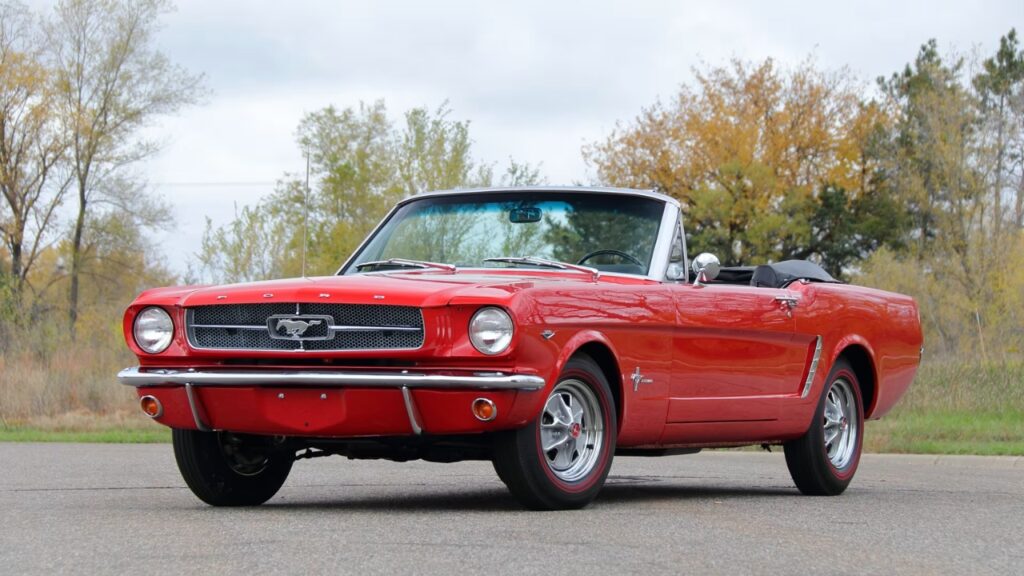
The Mustang hit the streets in 1964, sparking a new pony car craze. Its affordable price and sporty look made it an instant hit. Chevy responded quickly, introducing the Camaro in 1967 as a direct competitor. Both cars were built on compact platforms, targeting young buyers who wanted style and performance without breaking the bank.
Under the hood, the first Mustangs offered inline-6 and small V8 engines, while early Camaros leaned on straight-sixes and V8s as well. The rivalry was clear from the start, with each brand pushing the limits on power and handling to capture muscle car fans.
Engine Options and Performance

Both Camaro and Mustang have long been known for offering a wide range of engines. The Mustang’s 5.0-liter V8, for example, delivers around 450 horsepower in recent models, balancing power with drivability. Camaro’s SS trims feature a 6.2-liter V8 pumping out roughly 455 horsepower, giving it a slight edge in raw output.
That said, both cars offer turbocharged four-cylinder and V6 engines for more budget-conscious buyers. These smaller engines still provide decent performance but appeal mostly to those looking for a balance between fuel efficiency and muscle car flair.
Handling and Suspension
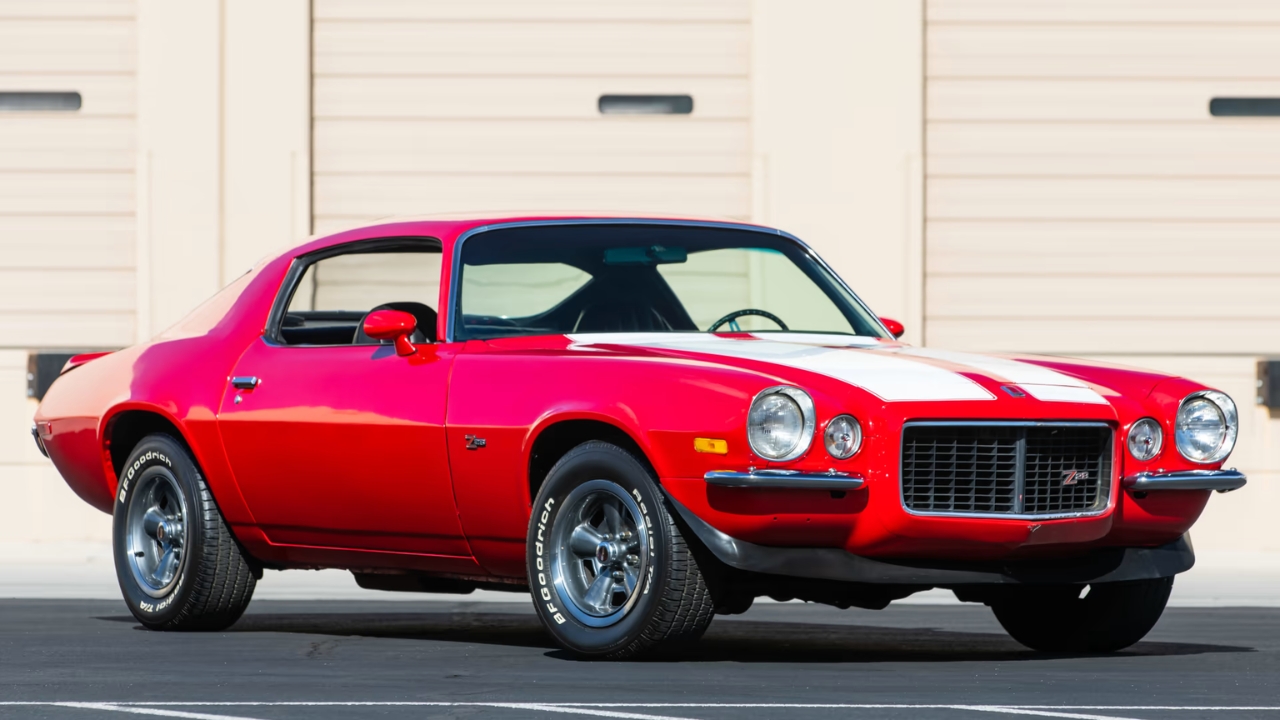
When it comes to handling, both cars have evolved significantly. Modern Mustangs use independent rear suspension for the first time in 2015, improving cornering and ride quality. Camaros have featured independent rear suspension since 2010, giving them an early advantage in handling dynamics.
Both cars offer performance packages that tune suspension stiffness and braking to satisfy more spirited driving. The Camaro often gets credit for sharper road manners, while Mustang’s feel leans toward a more balanced, comfortable drive.
Interior Comfort and Design

The interiors of both cars have come a long way from their spartan muscle car roots. Mustangs typically emphasize driver-focused layouts with clean lines and available digital displays. Camaros offer a more cockpit-like feel but have been criticized for tighter visibility and less rear-seat space.
Materials and tech have improved in both, with options like heated seats, premium audio, and infotainment systems supporting Apple CarPlay and Android Auto. For daily use, Mustang’s cabin feels more open, while Camaro focuses on creating a sporty, enclosed environment.
Technology and Features

Tech-wise, the Mustang and Camaro are fairly even. Both offer touchscreen infotainment, smartphone integration, and driver-assist features like blind-spot monitoring and rear cross-traffic alerts. The Mustang sometimes leads with advanced options like adaptive cruise control and line-lock for drag racing.
Chevy has pushed digital instrumentation and customizable heads-up displays in the Camaro. For buyers who like tweaking settings and performance data, both cars provide tools, but the Mustang edges slightly ahead in user-friendly tech.
Fuel Economy and Practicality

Muscle cars aren’t known for fuel economy, but both Mustang and Camaro offer decent efficiency for their class. The base four-cylinder Mustangs can get around 25 mpg combined, with V8s closer to 15-20 mpg depending on driving style. Camaros with the turbo-four deliver similar numbers, but their V8s generally consume a bit more fuel.
In terms of practicality, Mustang’s trunk and rear seat space are a touch better, making it more suited for occasional passengers and gear. Camaro’s lower roofline and tighter cabin limit space but keep the car feeling sporty and compact.
Track Performance and Editions
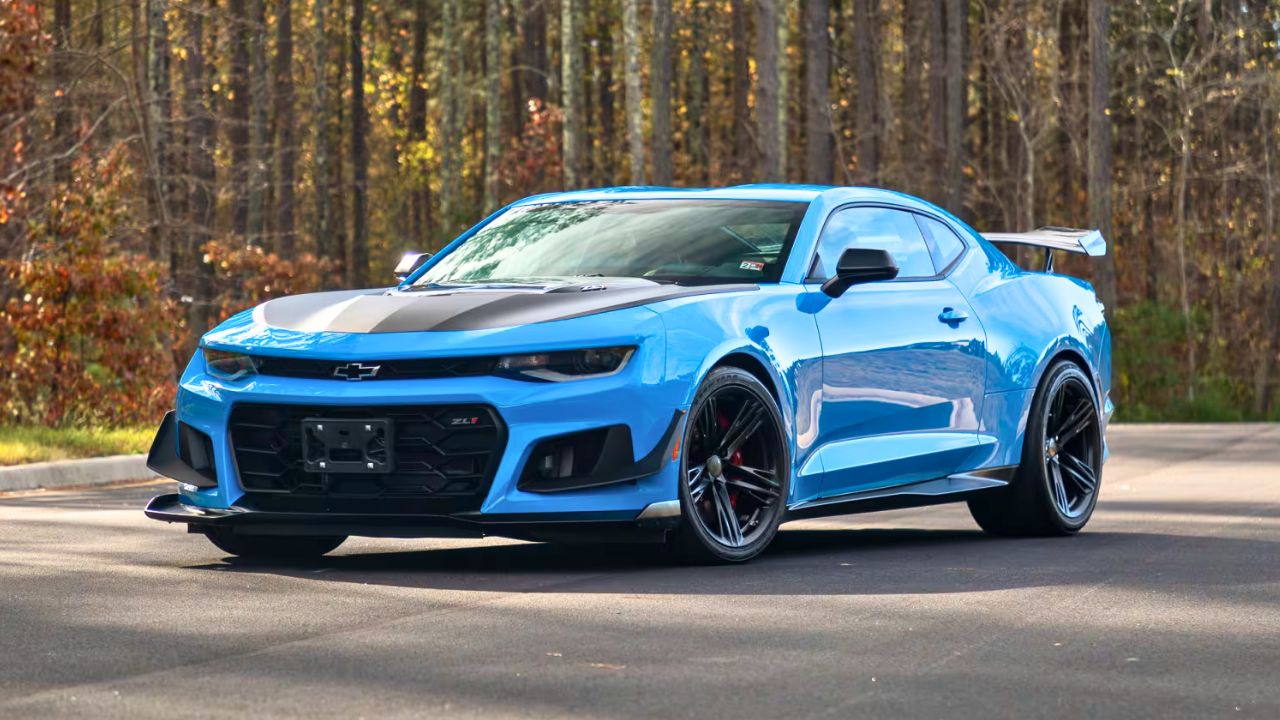
Both cars have special editions built with the track in mind. The Mustang GT350 and GT500 offer high-revving engines and track-tuned suspensions. The GT500, in particular, pushes over 700 horsepower, showing Ford’s serious approach to performance.
Camaro counters with the ZL1, a supercharged beast with similar horsepower and aggressive aerodynamics. Both cars come with Brembo brakes and magnetic ride control suspension for sharp handling. On the track, it often comes down to driver preference and specific conditions.
Price and Value Proposition

Pricing for both cars starts in the mid-$20,000 range for base models. Moving up to V8 trims pushes the price into the mid-$40,000s and beyond, especially with added performance options. Special editions can easily climb past $70,000.
Value-wise, Mustang tends to offer more standard features at the base level, while Camaro sometimes feels more option-heavy. Both hold their value reasonably well, with strong enthusiast followings keeping interest alive decades later.
Design Evolution Over the Years

The Mustang has maintained a recognizable shape since the ’60s, with modern versions blending retro cues and contemporary styling. Its long hood and short rear deck remain signature elements, evolving subtly but staying true to its roots.
Camaro’s design has been more dramatic, with big breaks between generations. The modern Camaro embraces a more aggressive, angular look compared to earlier, softer shapes. Both cars reflect their eras well but show different approaches to muscle car aesthetics.
Cultural Impact and Legacy

Mustang’s launch arguably kicked off the pony car segment, influencing countless competitors. It’s featured in movies, music, and motorsports, cementing its place as an American icon. Camaro followed close behind and has cultivated a loyal fan base through decades of ups and downs.
Both cars symbolize more than horsepower—they represent a lifestyle and attitude. This rivalry has pushed each to improve continually, keeping muscle cars relevant in an ever-changing automotive world.
Like what you read? Here’s more by us:
*Created with AI assistance and editor review.