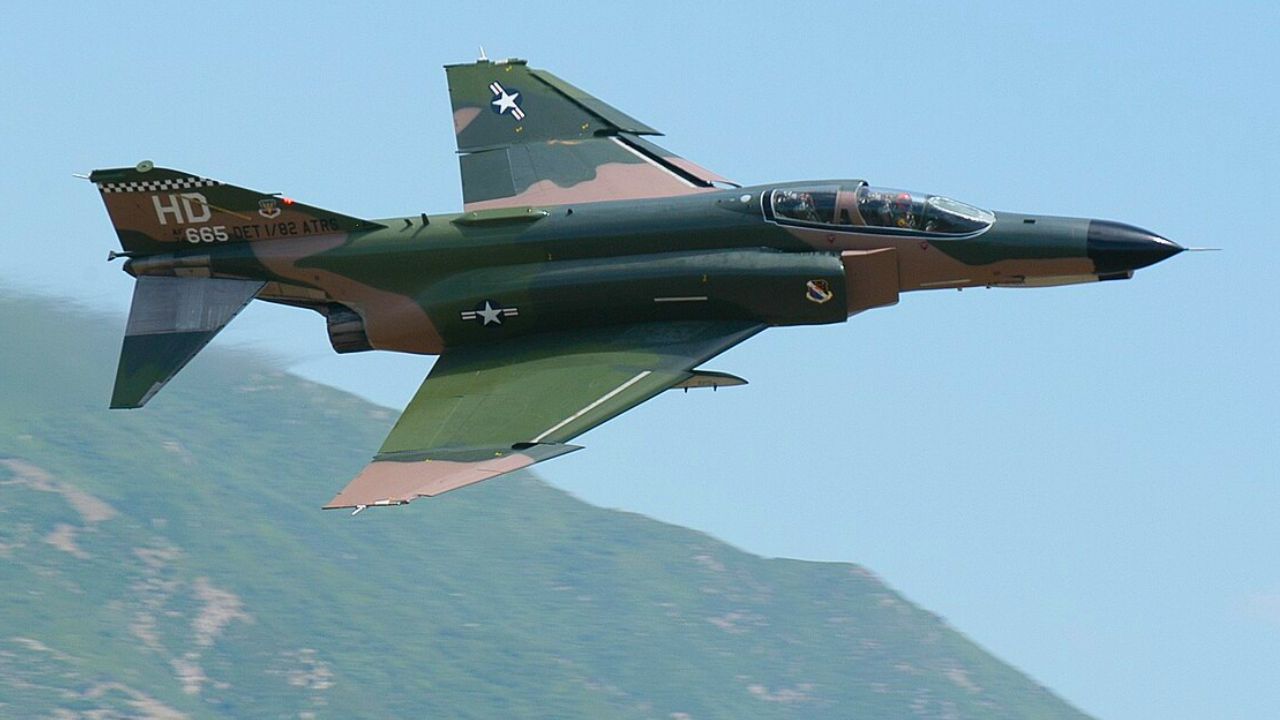
Some military vehicles don’t just get the job done—they become legends. Whether they rolled across the battlefield, flew over enemy lines, or dropped into chaos with troops on board, these rides earned their reputation the hard way. They weren’t built for show or comfort—they were built to survive, adapt, and keep moving no matter what.
From tanks that tipped the balance in global wars to aircraft that could chew up armor from the sky, each machine on this list left a serious mark. These are the rides soldiers trusted when everything else fell apart.
Humvee (HMMWV)

The Humvee replaced the Jeep as America’s do-it-all battlefield workhorse. Introduced in the 1980s, the High Mobility Multipurpose Wheeled Vehicle could carry troops, tow equipment, and even mount weapons like .50-cal machine guns. It had a wide stance, high ground clearance, and was built to go places trucks had no business going.
Under the hood, most Humvees ran a 6.2L or 6.5L V8 diesel, pushing roughly 150 horsepower and enough torque to scale rough terrain with ease. Its sheer versatility made it the backbone of U.S. ground transport from Panama to Iraq. Civilian Hummer spin-offs owe their existence to this machine.
M1 Abrams Tank
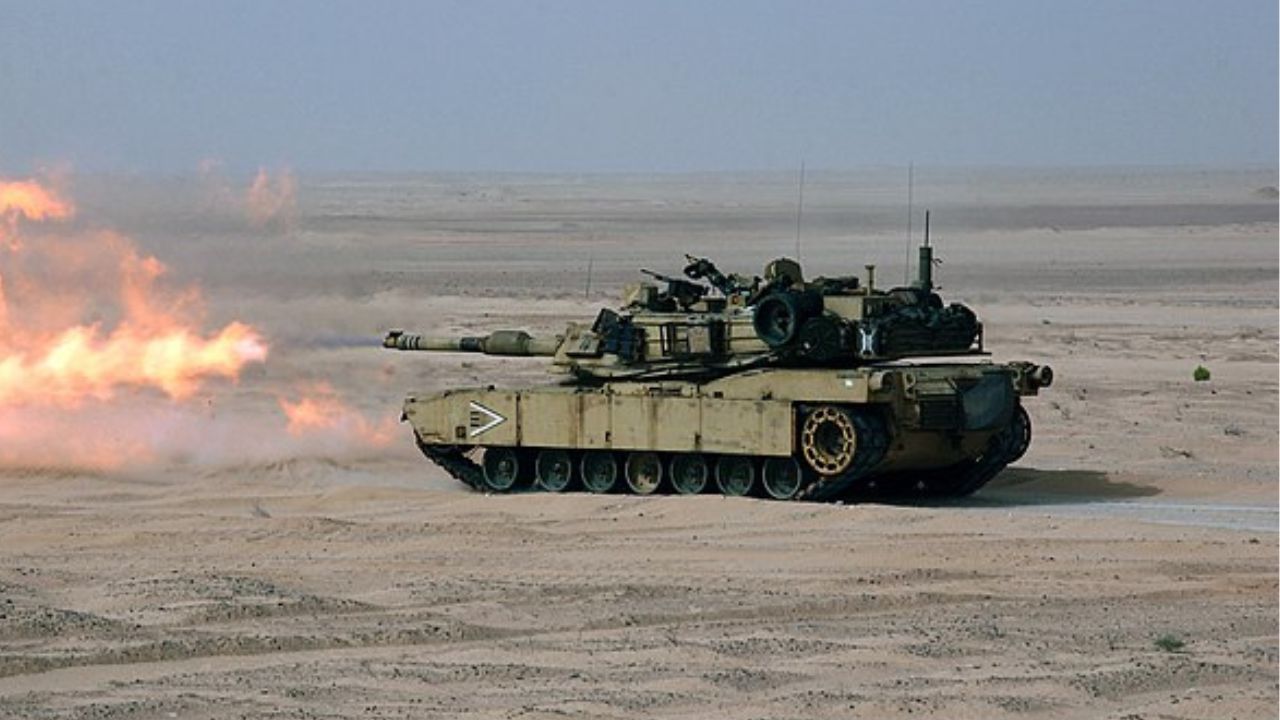
Since its debut in 1980, the M1 Abrams has set the standard for modern tanks. Powered by a gas turbine engine producing over 1,500 horsepower, the Abrams isn’t just armored—it’s fast for its size, hitting 45 mph on road and plowing through rough terrain like it’s nothing.
Its main gun is a 120mm smoothbore cannon, capable of taking out enemy armor from a distance. With advanced armor systems and electronics, it’s a rolling fortress. The Abrams has been the centerpiece of American armored divisions for decades and remains one of the most feared tanks on any battlefield.
A-10 Thunderbolt II “Warthog”
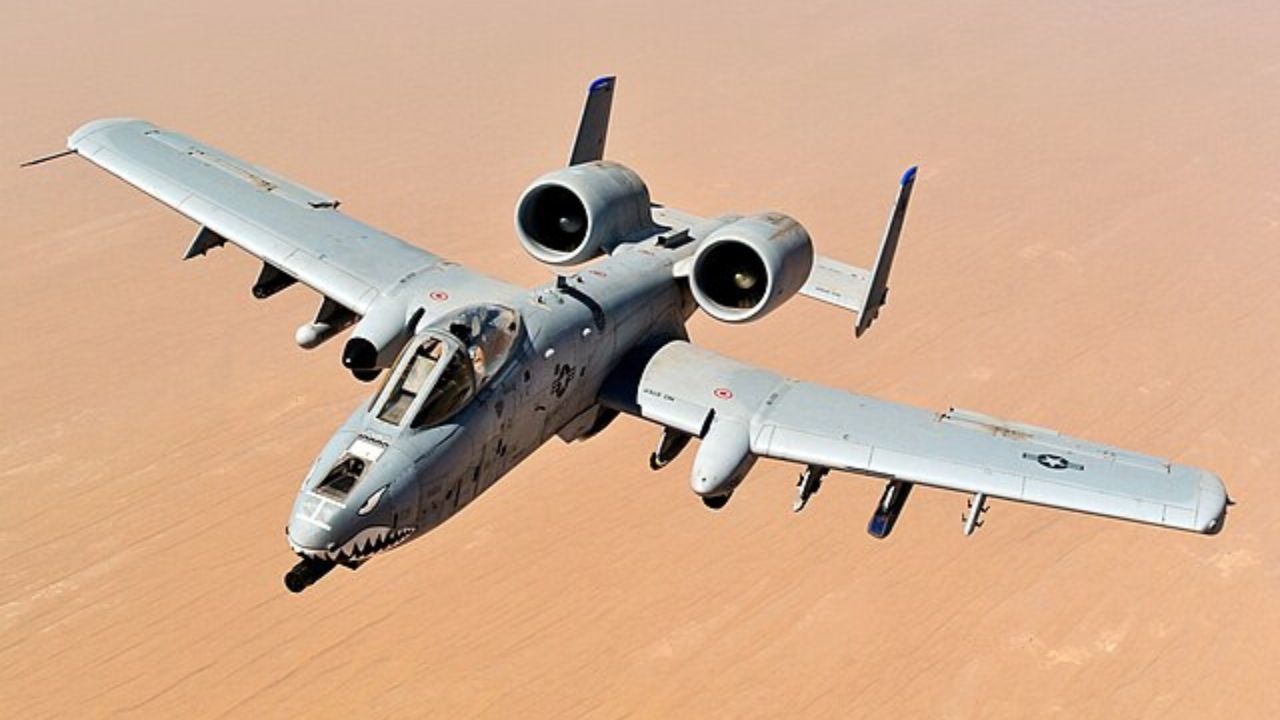
The A-10 was never about speed or flash—it was built for one job: destroying tanks and getting back home in one piece. Introduced in the mid-1970s, it was built around the 30mm GAU-8 Avenger cannon, a monster weapon that spits out armor-piercing rounds at an alarming rate.
The Warthog’s twin-engine layout and high-mounted wings gave it survivability, while titanium armor protected the pilot like a flying bunker. It could absorb hits and still limp back to base. Ground troops trust it, enemies fear it, and decades later, it still hasn’t been fully replaced.
F-4 Phantom II

The F-4 Phantom II was the muscle car of the skies. Entering service in the 1960s, this twin-engine jet could exceed Mach 2 and carried an impressive mix of air-to-air missiles and bombs. It served in both Navy and Air Force roles, making it a true jack-of-all-trades.
Phantoms saw extensive action in Vietnam and later conflicts, where their speed and payload capacity made them formidable. While not the most agile jet, it packed a punch and had a commanding presence. Over 5,000 were built, making it one of the most widely used U.S. fighters of its time.
Sherman Tank

The M4 Sherman wasn’t the biggest or toughest tank of WWII, but it was reliable, easy to produce, and there were a lot of them. Powered by a variety of engines, including radial aircraft engines and straight-six diesels, it generally made around 400–500 horsepower.
Shermans helped the Allies overwhelm German armor with sheer numbers. Their 75mm main gun wasn’t always enough against Tigers, but upgraded variants with 76mm or even 105mm guns helped even the odds. It wasn’t glamorous, but the Sherman was essential to Allied ground operations and remains one of the most iconic tanks ever built.
Jeep Willys MB
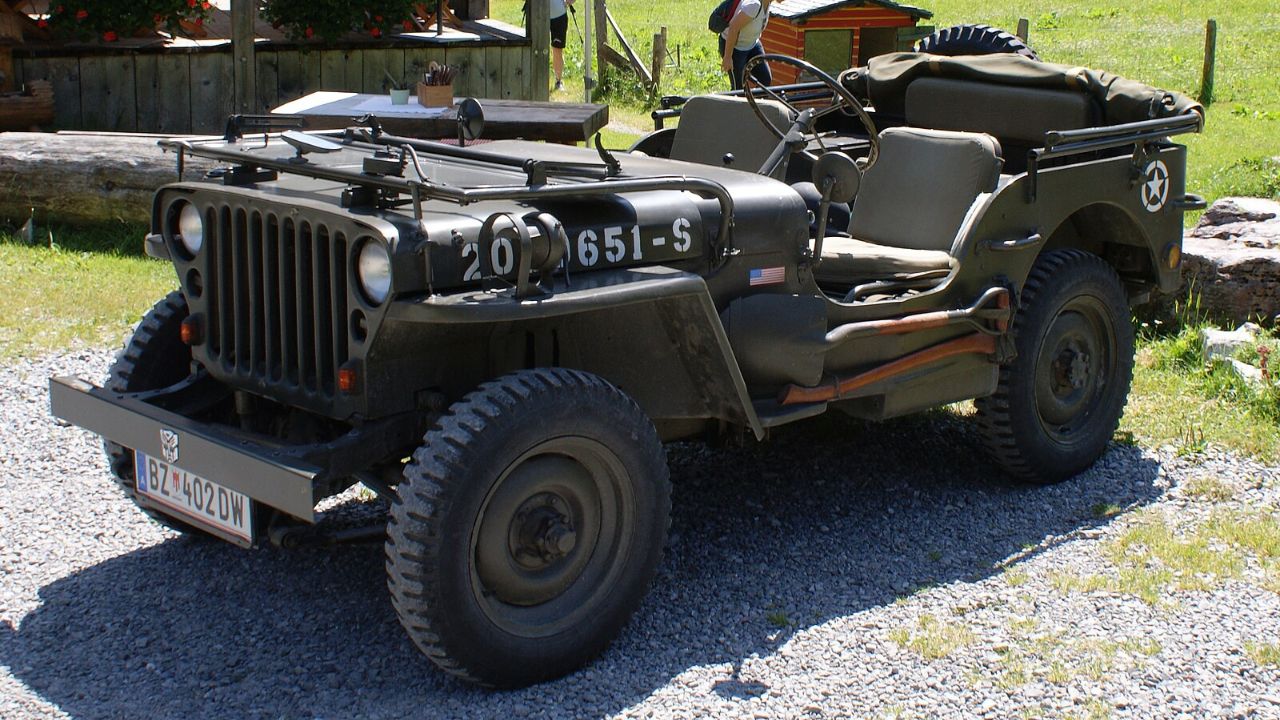
If one vehicle defined WWII, it was the Willys Jeep. Lightweight, nimble, and nearly indestructible, the Jeep MB became the go-anywhere machine for the Allied forces. It had a 2.2L four-cylinder engine making just 60 horsepower, but that was more than enough for its compact frame.
The Jeep was easy to maintain, quick to produce, and adaptable—serving as transport, ambulance, radio truck, and even machine gun platform. After the war, it sparked the civilian 4×4 craze and helped launch the SUV as a concept. Its legacy is still rolling strong today.
UH-1 Huey Helicopter
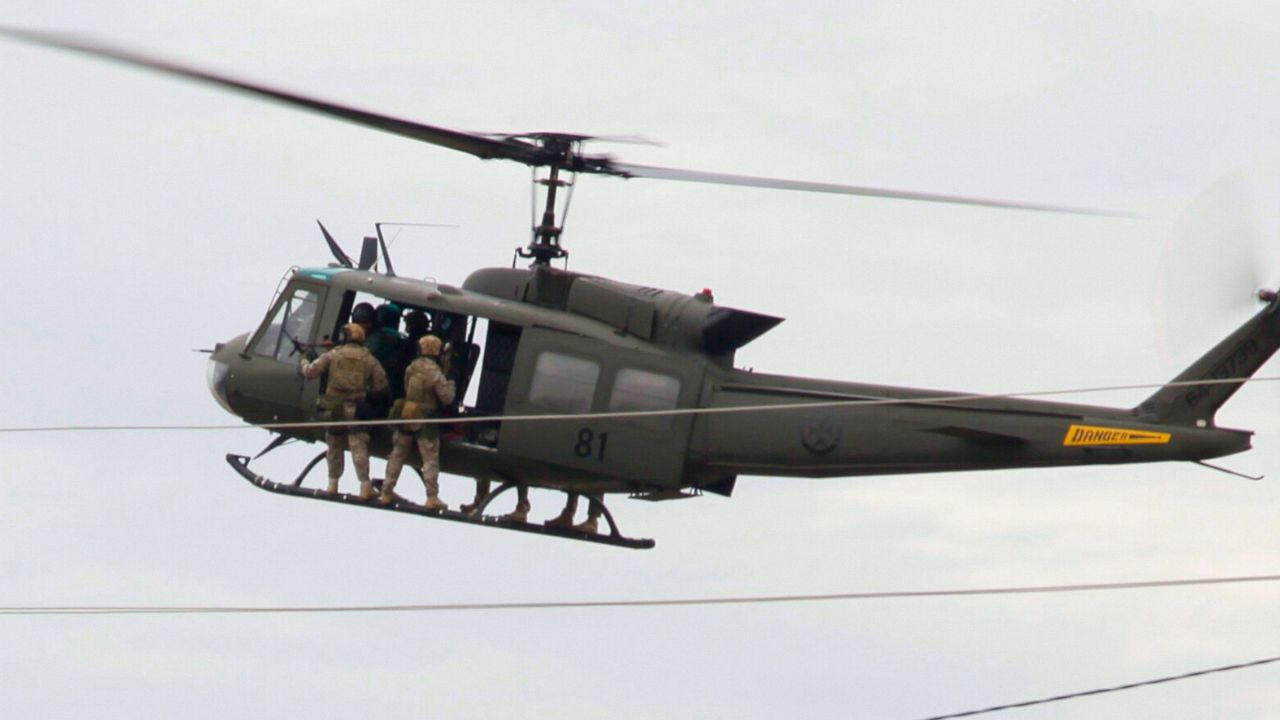
Few sounds are as recognizable as the whop-whop of a Huey approaching. The Bell UH-1 first entered service in the 1950s and became a symbol of the Vietnam War. With a single turboshaft engine and a two-blade main rotor, it could haul troops, medics, or fire support into the jungle and back out again.
The Huey was fast, agile, and reliable under fire. Its modular design meant it could be adapted into gunships or medevacs as needed. The Huey didn’t just move people—it helped save lives and change the way modern armies think about mobility.
C-130 Hercules
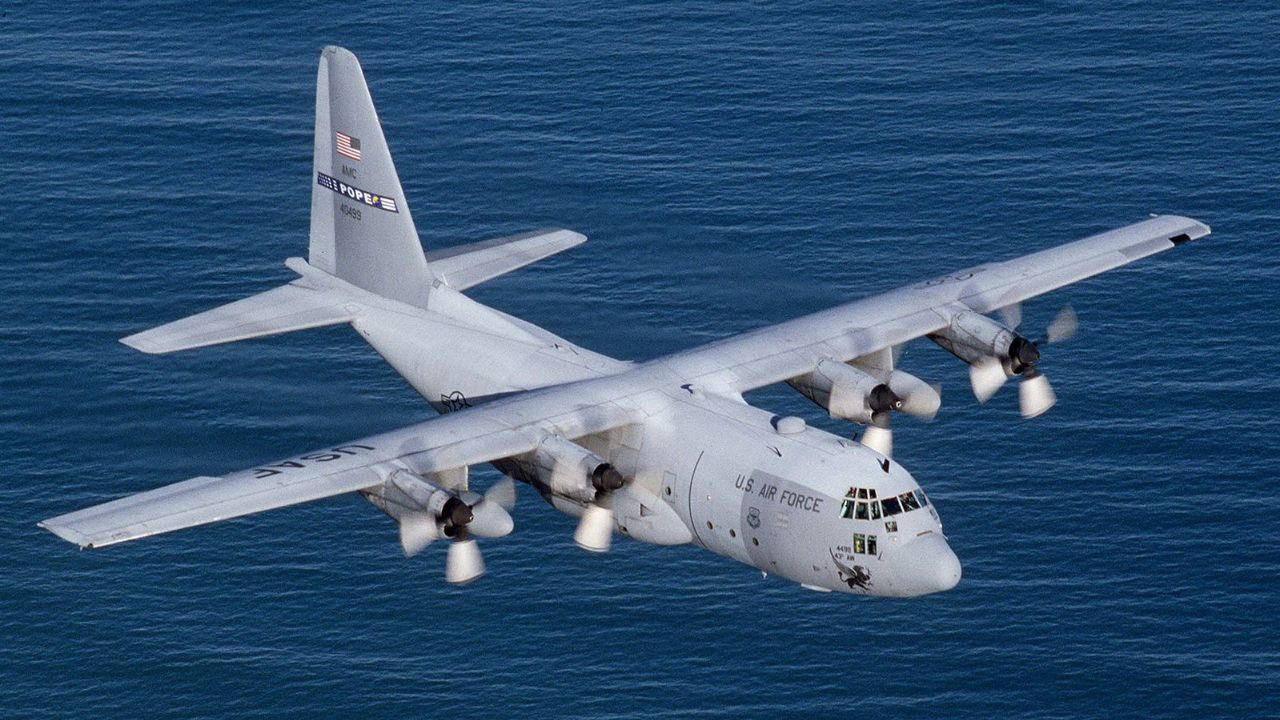
The Lockheed C-130 Hercules has been flying since 1956 and shows no signs of slowing down. It’s the ultimate do-it-all cargo plane, used for troop movement, air drops, medevac missions, and even gunship duty as the AC-130.
Four turboprop engines power this beast, giving it the muscle to take off from short, rough runways with a full load. It’s rugged, flexible, and battle-tested across every continent. From natural disaster relief to combat operations, the Hercules is the workhorse of the skies and has earned its place in military history.
M113 Armored Personnel Carrier
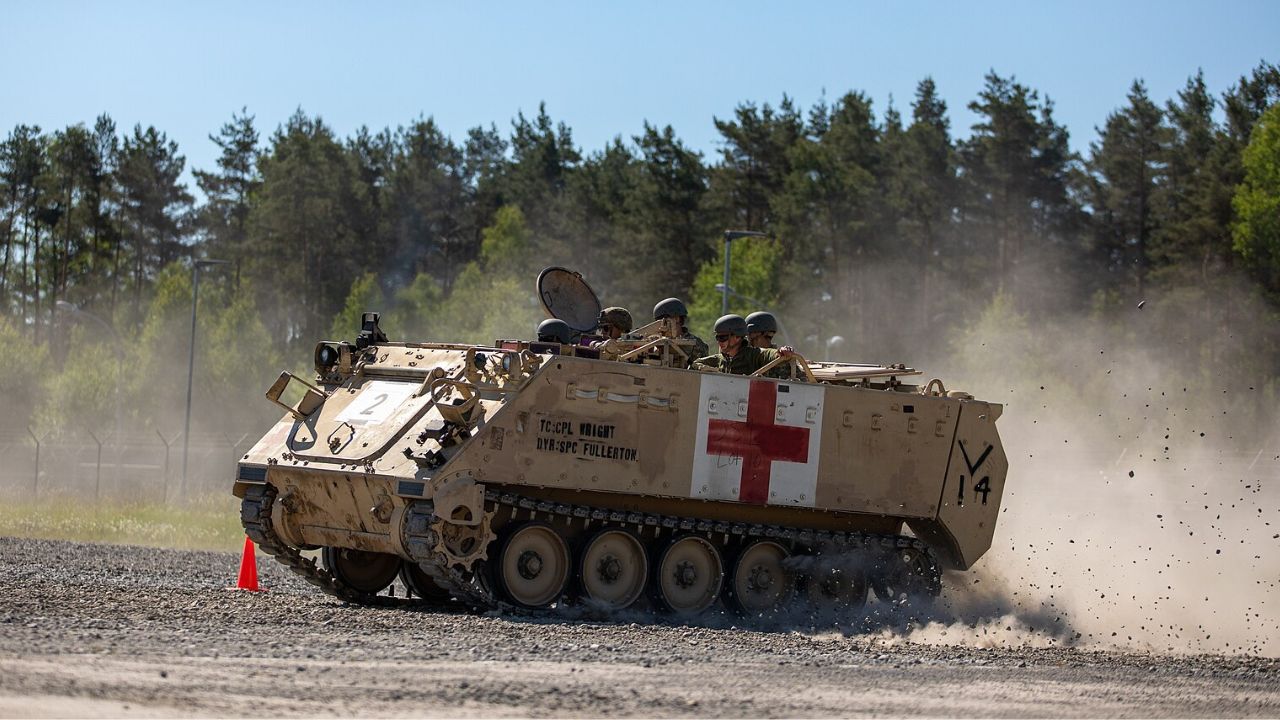
The M113 was the U.S. military’s first aluminum-hulled tracked vehicle and a big leap forward in troop mobility. First fielded in the early 1960s, it could carry 11 troops plus a driver and gunner. It had a Chrysler V8 making around 215 horsepower and could reach 40 mph.
It wasn’t heavily armed—usually just a single .50-cal machine gun—but its light weight made it air transportable. M113s served in Vietnam and dozens of other conflicts, and even today, many are still in use around the world in upgraded roles. It’s not flashy, but it was everywhere.
CH-47 Chinook

The Boeing CH-47 Chinook looks like a flying school bus, but don’t let the looks fool you. This heavy-lift helicopter has been a battlefield staple since the 1960s. It’s powered by two massive turboshaft engines and features tandem rotors that make it incredibly stable and strong.
It can haul over 20,000 pounds of cargo, including vehicles, artillery, and soldiers. Chinooks have seen action from Vietnam to Afghanistan, moving troops and gear faster than anything else in the field. Its unmatched lift capacity makes it one of the most valuable aerial transports in military history.
Like what you read? Here’s more by us:
*Created with AI assistance and editor review.