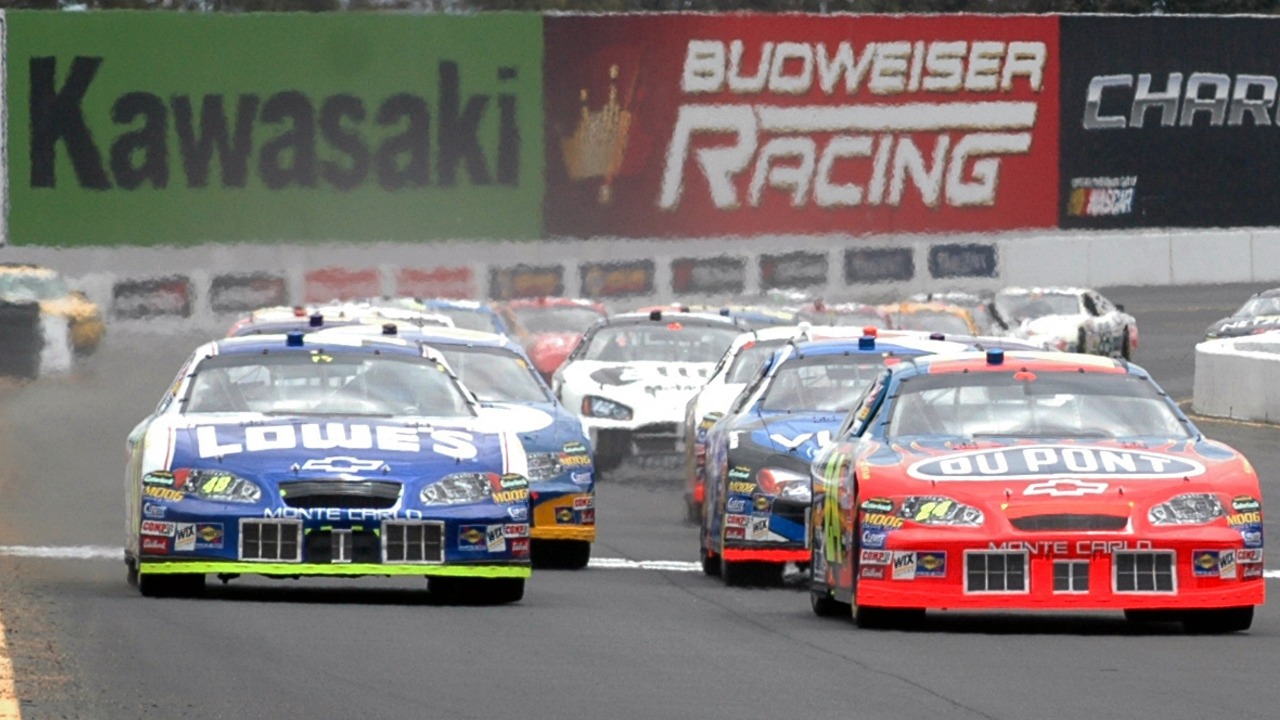
NASCAR has ended one of the most consequential power struggles in its modern history, finalizing a new charter deal with race teams and settling a federal antitrust case that threatened to upend the business model of the Cup Series. The agreement locks in permanent charters, reshapes how money flows through the sport, and gives team owners a level of security they have chased since the system was introduced.
What began as a narrow lawsuit from two organizations has effectively rewritten the rulebook for every chartered team on the grid, with investors already claiming franchise values have surged in the aftermath. I see this as a turning point that will define how drivers, owners, and NASCAR itself share power and profit for years to come.
How a 14‑month legal fight forced NASCAR to the table
The settlement traces back to a 14‑month legal battle in which 23XI Racing and Front Row Motorsports accused NASCAR of anticompetitive behavior tied to its charter system. The case, which reached a federal antitrust trial, centered on claims that NASCAR controlled race entries and revenue distribution in ways that left teams with little leverage despite their heavy investment in cars, personnel, and sponsorship. After eight to nine days of testimony and cross‑examination in court, the standoff had grown serious enough that both sides faced the risk of a judge reshaping the sport’s economics for them, rather than through negotiation.
Instead of letting the trial run to a verdict, NASCAR and the two teams agreed to settle the antitrust case and end the proceedings on Day 9 of the trial. Reporting on the deal describes it as a closely watched test of whether NASCAR’s single‑sanctioning‑body model could withstand modern competition law, especially around how charters could be revoked and how media and prize money were shared. By choosing a negotiated outcome, NASCAR avoided a potentially damaging legal precedent while opening the door to a broader charter framework that would apply to all Cup Series teams, not just the two plaintiffs.
From expiring licenses to permanent charters
At the heart of the settlement is a fundamental shift in what a charter represents. Under the previous system, charters were tied to specific media rights cycles and could, in theory, be allowed to lapse or be restructured at the end of each long‑term broadcast agreement. Teams argued that this left them exposed, because their primary asset could be weakened or even taken away just as its value peaked. The new framework converts those licenses into permanent, or evergreen, charters that no longer hinge on the length of a single media deal, giving owners a more stable foundation for long‑term planning and investment.
Details emerging from the agreement indicate that all 15 Cup Series teams that held charters are now covered by the new structure, not only 23XI Racing and Front Row Motorsports. NASCAR retains operational control of the series, including scheduling and competition rules, but teams now hold permanent rights to their race entries and a defined share of revenue. An insider description of the evergreen charters underscores that they are no longer tethered to a single media rights term, which is a major departure from the original 2016 charter agreement and a direct response to the concerns that fueled the lawsuit.
Money, strikes, and leverage: what teams actually gained
For team owners, permanence is only part of the story. The settlement also reshapes how money is distributed and how charters can be lost, two areas that had been flashpoints in the dispute. Earlier versions of the system included a “three strikes” mechanism, where a team that failed to qualify or perform at a certain level over a defined span could see its charter revoked. Over the span of the original agreement, that rule gave NASCAR a powerful tool to police underperforming entries, but it also made investors nervous about the durability of their asset. The new deal refines those conditions, with reporting indicating that teams retain their charters on a permanent basis while NASCAR still holds authority over competition standards.
Financially, the settlement appears to have delivered a significant win for the plaintiffs and, by extension, for other chartered organizations. Legal analysis of the case notes that 23XI Racing and Front Row Motorsports secured a substantial monetary settlement, with commentary from Bob Pacris and Jenna Frier highlighting that the payout and revised revenue terms materially improve the teams’ position. Team investors now claim that charter values have roughly doubled since the lawsuit settlement, a sign that the market sees the new structure as more secure and more lucrative. That jump in valuation gives owners more collateral to attract sponsors, raise capital, or sell stakes, and it validates their argument that a stronger charter system would benefit the entire ecosystem.
Why teams pushed back on the old charter model
To understand why the settlement matters, it helps to look at what teams disliked about the previous charter arrangement. Despite rising charter prices on the secondary market, owners argued that the system did not adequately cover their costs or reflect the risk they carried. They shouldered the burden of building and staffing multi‑car operations, yet their share of media and prize revenue was constrained by a formula they did not fully control. That tension grew as sponsorship became harder to secure at pre‑Next Gen levels, leaving some organizations reliant on owner funding to stay competitive even as the theoretical value of their charters climbed.
Reporting on how the charter system works after the antitrust settlement notes that teams were particularly frustrated by the combination of limited revenue growth and the possibility of losing their charters through performance‑based strikes. In their view, NASCAR held too much unilateral power over race entries and purse distribution, while teams had few formal protections beyond the language of the original agreement. By forcing a renegotiation through the courts, 23XI Racing and Front Row Motorsports effectively compelled NASCAR to address those structural complaints. The resulting post‑settlement system now locks in permanent charters and a clearer revenue framework, which is exactly the kind of security owners had been seeking.
What the new deal means for NASCAR’s future
From NASCAR’s perspective, agreeing to permanent charters and revised revenue terms is a significant concession, but it also buys stability at a critical moment. The series is navigating a changing media landscape, with streaming, cord‑cutting, and shifting fan habits all affecting how rights deals are structured. By settling the federal antitrust case and locking in a charter framework that teams accept, NASCAR reduces the risk of future legal challenges just as it negotiates or executes major broadcast contracts. Officials have framed the outcome as ultimately positive for fans, arguing that a more secure team base will lead to better competition and more predictable fields.
For the teams, the new charter deal marks a shift from survival mode to long‑term strategy. With evergreen charters and higher valuations, organizations can plan multi‑year driver lineups, invest in technology, and court outside investors with a clearer story about return on capital. The settlement that ended the Charter Lawsuit in CHARLOTTE has effectively turned Cup Series entries into more traditional sports franchises, with all the leverage and responsibility that entails. I see that as a recalibration of power rather than a transfer, one that keeps NASCAR firmly in charge of the show while finally recognizing teams as long‑term partners instead of replaceable tenants.
More from Fast Lane Only: