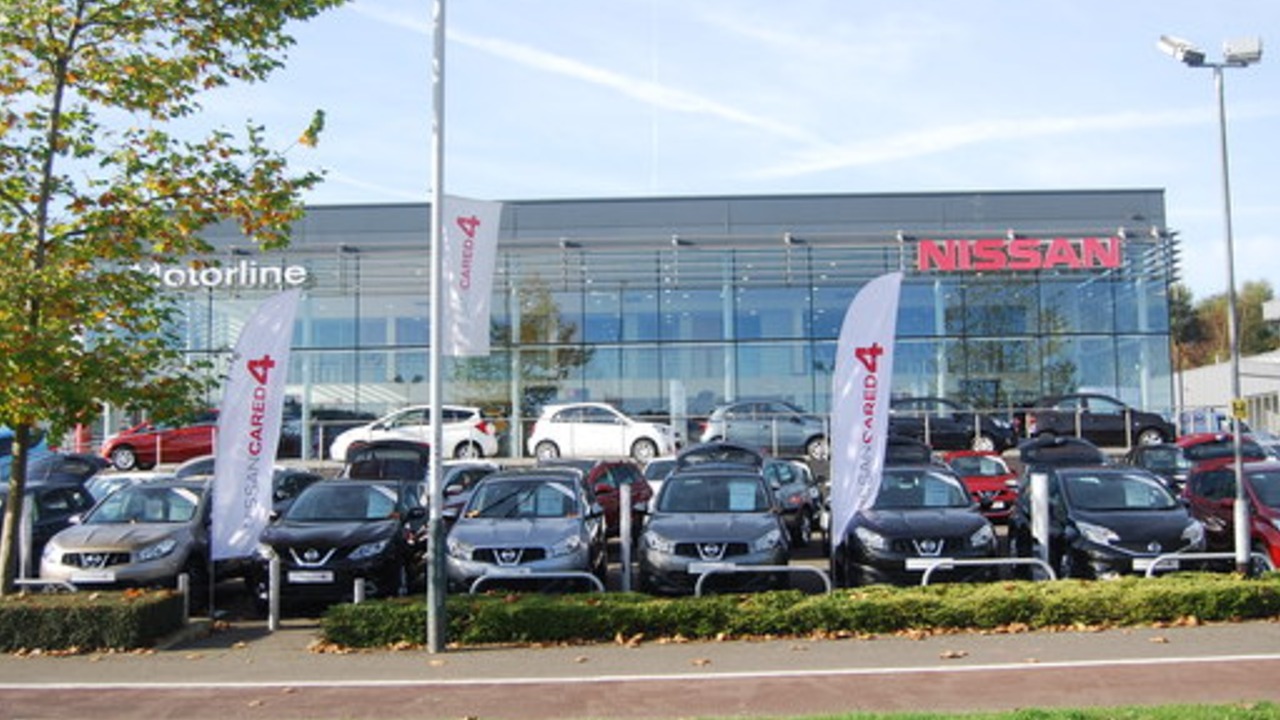
A cyberattack tied to a third-party supplier has pushed Nissan to warn customers that the fallout may arrive not in their mailboxes, but on their phones. After attackers accessed customer data used in sales operations, the automaker is urging owners to brace for targeted calls, texts, and emails that exploit stolen details to look legitimate.
The breach, which affected thousands of people connected to Nissan’s Japanese sales network, highlights how a compromise far from the vehicle itself can still put drivers at risk. I see this as a textbook example of how supply chain weaknesses can turn into highly personalized scams that follow customers long after the servers are secured.
What the Nissan breach exposed, and what stayed safe
Nissan Motor Co has confirmed that a cyberattack on systems linked to Red Hat exposed personal information for approximately 21,000 customers. The incident centers on data used in sales activities, including names, addresses, contact details, and information tied to vehicle purchases. Reporting on the incident notes that the affected records were connected to Nissan Fukuoka Sales Co, a regional arm that relies on shared infrastructure from Nissan Motor Co, Ltd, which means the breach hit a specific slice of the company’s customer base rather than every Nissan driver worldwide.
Crucially, Nissan says the attackers did not obtain credit card numbers or other banking data, and there is no confirmed evidence so far that the stolen information has been misused. The company has framed the incident as a supply chain problem linked to Red Hat infrastructure, with attackers reportedly gaining access to customer-related information stored on third-party systems. That distinction matters, because it shows how a compromise in a partner’s environment can still expose sensitive customer records even when core financial systems remain intact.
From stolen records to ringing phones
Even without card numbers, the type of data taken is exactly what scammers need to craft convincing messages. Names, addresses, phone numbers, and details about a customer’s relationship with a dealer can be stitched together into phishing texts, fake support calls, or emails that appear to come from a local showroom. Nissan has explicitly warned that Phone and Mail Scams are a Concern, and that owners should be alert to unexpected outreach that references their vehicle or recent service history in suspicious ways.
In practice, that could look like a caller claiming to be from Nissan Fukuoka Sales Co, asking a customer to “reconfirm” their payment method after the cyberattack, or a text that appears to offer a free software update for a specific model year in exchange for logging into a spoofed portal. Because the attackers have legitimate contact details and sales-related context, they can bypass the usual red flags that tip people off to generic spam. Nissan has acknowledged this risk while also stressing that it has found no evidence so far to show that the stolen data is already being used in such schemes.

How the Red Hat-linked attack unfolded
According to incident summaries, the breach traces back to infrastructure associated with Red Hat and GitLab that supported Nissan’s customer management systems. On one affected environment, attackers were able to access volume snapshots stored in S3 buckets, which contained data for approximately 21,000 individuals tied to Nissan Fukuoka Sales Co. That makes this a classic supply chain breach, where the weakest link is not the automaker’s own production network but the third-party systems that help it manage customers.
Security analysts have pointed out that this is not the first time the Automaker has faced questions about its defenses, describing the Red Hat incident as the company’s third security snafu in three years. In this case, the attackers reportedly exfiltrated data used in sales and marketing, then attempted to pressure the organization by listing the stolen trove on an extortion platform. Nissan has responded by apologizing to affected customers, notifying regulators, and working with partners to tighten access controls and incident response protocols across its supply chain.
Why phone-focused scams are the next wave of risk
Once attackers hold a detailed customer list, the most profitable move is often not to sell it in bulk, but to weaponize it in targeted social engineering. I expect the biggest risk for Nissan owners to come from voice phishing and text-based fraud that leans on the stolen records to sound authentic. A scammer who knows a customer’s full name, dealership, and approximate purchase date can convincingly pose as a service advisor, then steer the conversation toward “updating” a payment method or installing a fake app that harvests banking credentials.
Reports on the breach repeatedly flag Phone and Mail Scams as a Concern, and that warning fits a broader pattern in recent cyber incidents. Attackers increasingly pivot from data theft to direct outreach, using SMS, messaging apps, and robocalls to reach victims on their personal devices. For Nissan customers, that means the most immediate danger is not a direct hit to their bank account from the breach itself, but a second-stage fraud attempt that arrives as a call or message referencing the cyberattack as a pretext.
How Nissan owners can protect their phones and accounts
For affected customers, the most effective defense starts with assuming that any unexpected contact about their vehicle could be malicious. I recommend treating unsolicited calls that reference the breach with skepticism, hanging up, and then dialing a verified Nissan or dealer number printed on official paperwork or the company’s main website. The same caution should apply to texts and emails that include links or attachments, especially if they claim to offer compensation, extended warranties, or urgent security updates tied to the incident.
There are also practical steps that can blunt the impact of any data already in criminal hands. Customers can enable multifactor authentication on banking and email accounts, monitor statements for unusual activity, and use call-filtering tools on their smartphones to block known spam numbers. Nissan has urged owners to be cautious about sharing personal information in response to unsolicited outreach and to report suspicious contact that appears to misuse their data. While the company maintains that it has seen no confirmed misuse so far, the scale of the breach, affecting approximately 21,000 individuals, means vigilance on the customer side will be just as important as any technical fixes Nissan and its partners implement.
More from Fast Lane Only: