He walked into the inspection station expecting the usual: a quick once-over, maybe a note about wiper blades, and a sticker on the windshield. Instead, he got the kind of story that makes other drivers squint and say, “Wait, it failed for what?” It passed the normal checks with room to spare, then flunked on a detail so strange that even the tech had to double-check the rulebook.
The punchline wasn’t a bald tire, a noisy exhaust, or a “check engine” light that mysteriously disappears the moment you pull into a shop. It was something no one sees coming until it happens to them: the car’s onboard diagnostics reported that everything was fine, but the inspection system couldn’t verify the car’s identity the way it expected. The vehicle didn’t fail for being unsafe so much as for being… unreadable.
A Routine Inspection, Until It Suddenly Wasn’t
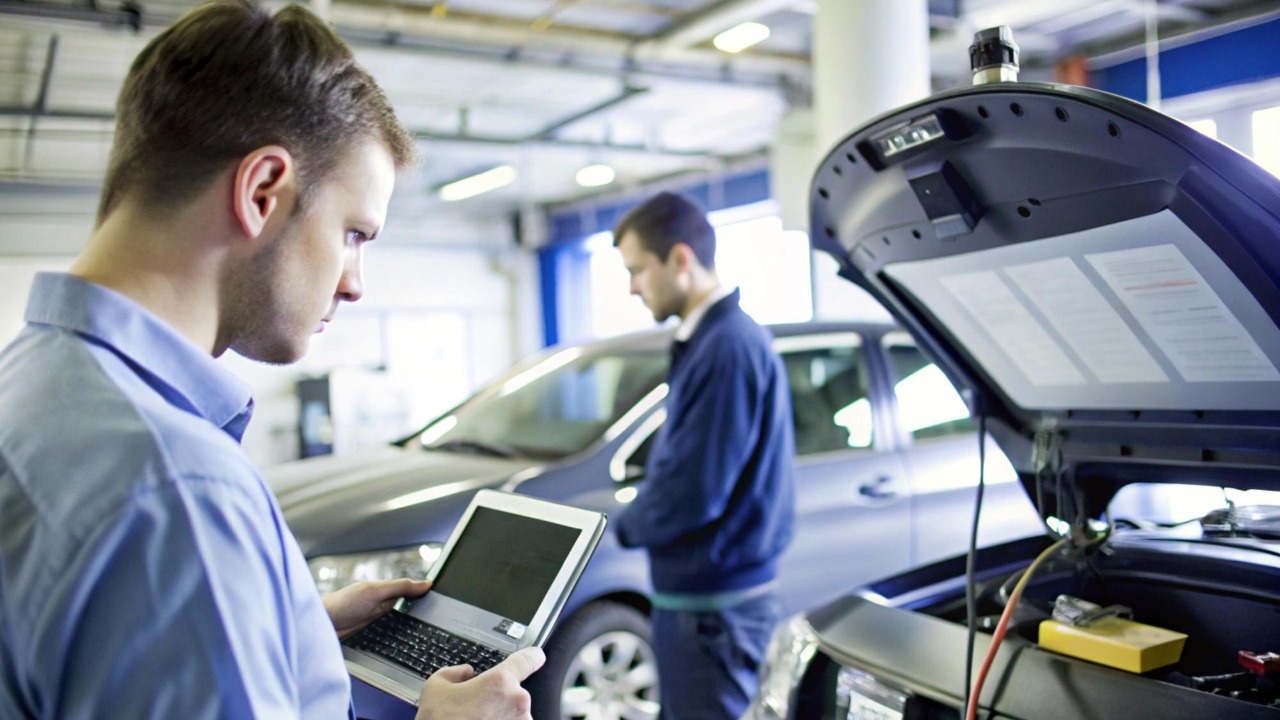
According to the driver, the appointment started off almost boring. The tech checked the lights, looked over the tires, glanced for obvious leaks, and plugged in the scanner for the emissions portion. The dashboard wasn’t lit up like a Christmas tree, and the car idled smoothly, so the vibe was “this will be easy.”
Then the scanner paused longer than usual. The tech tried again, watched the screen, and frowned in a way that wasn’t dramatic but definitely wasn’t casual. The driver said the tech finally admitted, “It’s not failing because it’s dirty or broken. It’s failing because the system won’t accept what it’s seeing.”
The Unexpected Fail: A Mismatch the Computer Wouldn’t Ignore
The issue boiled down to a mismatch between what the inspection computer expected and what the car’s onboard computer reported. In many states and provinces, modern inspections don’t just “sniff” tailpipe emissions; they rely heavily on OBD-II data—readiness monitors, trouble codes, and identifying information that’s supposed to match the vehicle record. If the scanner can’t pull that data cleanly, or if it doesn’t line up, the test can stop right there.
In this case, the car reportedly showed an identification inconsistency—think of it like the digital version of a smudged ID card. The engine control module still ran the car normally, but the inspection tool couldn’t confirm key details with enough confidence to pass it. It’s the kind of failure that feels less like a mechanical problem and more like being locked out of your own account because a website doesn’t recognize your password.
How Can a Car Run Fine but “Fail to Identify Itself”?
Cars today are basically rolling networks. The ECU (engine control unit) and other modules store information used for diagnostics, anti-theft functions, and compliance checks. When an inspection station plugs into the OBD-II port, it’s not just asking, “Are you polluting?” It’s also asking, “Who are you, and are you the same vehicle the paperwork says you are?”
If something along that chain is off, the car can behave perfectly on the road but still fail the administrative side of a test. Sometimes it’s a communication error. Sometimes it’s a module that was replaced at some point and not programmed the way the inspection equipment expects. And sometimes it’s a tiny electrical issue that only shows up when a scanner asks a very specific question.
Common Culprits: From Harmless to Head-Scratching
One common trigger is recent battery trouble. If the battery was disconnected, died, or was replaced, readiness monitors can reset, and some jurisdictions won’t pass a vehicle until those monitors complete their self-tests. That’s not exactly “unexpected,” but plenty of drivers still get blindsided—especially if they did the battery swap in the driveway and assumed it couldn’t affect anything beyond the clock.
Another possibility is aftermarket equipment. Remote starters, alarms, and even some stereo installations can introduce wiring quirks near the diagnostic port or vehicle network. Most of the time they’re fine, but an imperfect ground or a noisy connection can make the scanner’s job harder. It’s like trying to have a phone call in a tunnel: you can hear enough to get by, but the important details keep cutting out.
Then there’s the more niche scenario: a replaced ECU or instrument cluster that wasn’t coded correctly. Some repairs require programming so the car’s modules agree with each other. A shop might replace a computer, get the vehicle running, and send it out the door—only for an inspection system to notice that the reported identifiers don’t match the official record.
Why Inspection Stations Can’t Always “Just Let It Slide”
It’s tempting to think a tech could simply shrug and pass the car if it looks safe and drives well. But many inspection programs are locked down by design, and the station’s software won’t allow a pass if required data is missing or inconsistent. The tech isn’t being picky; the system is built to reduce fraud and ensure that what’s being tested is actually the vehicle on file.
That’s also why these failures feel so personal. The driver isn’t being told, “Fix your brakes.” He’s being told, “The computer can’t vouch for you.” It’s a weirdly modern problem, like getting carded by a self-checkout machine.
What the Driver Did Next (and What Others Can Do)
After the surprise fail, the driver asked for the exact reason code or printout from the station. That’s a smart move, because “it didn’t communicate” can mean a dozen different things. The paper trail helps a repair shop narrow it down quickly instead of guessing, swapping parts, and charging for the privilege.
From there, the next step is usually a proper diagnostic scan at a shop with higher-end tools than a basic inspection reader. A technician can check whether the car’s VIN is being reported correctly through the OBD system, verify module communication on the vehicle network, and look for signs of tampering or misprogramming. In many cases, the fix is annoyingly simple—cleaning up wiring at the diagnostic port, repairing a ground, or updating module software.
For drivers hoping to avoid the same headache, the best practical advice is boring but effective. If the battery was recently disconnected or replaced, drive enough to complete readiness monitors before heading in. If you’ve had a computer module replaced, ask the shop directly whether it was programmed and whether the VIN and immobilizer functions were synced properly.
A Modern Twist on an Old Ritual
Inspections used to be mostly about what you could see and smell—rust holes, smoke, worn tires, loud exhaust. Now they’re also about what the car can prove about itself in a quick digital conversation. Most of the time, that’s faster and fairer. But when it goes wrong, it can feel like failing a test you didn’t know you were taking.
The driver left without a sticker, but also with a story that’s oddly reassuring for anyone who’s ever worried their car was secretly falling apart. Sometimes the vehicle is fine. It’s the paperwork side of the machine—buried in modules and data—that needs a little help remembering who it is.
More from Fast Lane Only