Drivers in several neighborhoods are swapping the same story at drop-off lines, coffee shops, and group chats: they’re getting school zone camera tickets when the flashing lights aren’t even on. Some say the notices show times that don’t match the posted “school days” schedule, or they swear the sign was dark and the street felt like any normal mid-morning drive. “I’m not mad about slowing down near kids,” one parent said, “I’m mad about the rules feeling like they changed without anyone telling me.”
The complaints have picked up since the city rolled out a new batch of automated school zone cameras earlier this winter. Officials describe the program as a safety tool—one that’s supposed to operate only during specific hours when children are likely to be walking or biking. But a growing number of drivers say the cameras appear to be enforcing speeds outside those windows, and they want answers before more tickets land in mailboxes.
“I checked the sign twice” — what drivers say they’re seeing
Several drivers describe the same basic pattern: a ticket timestamped well after the morning rush, or early enough that school hadn’t started. In a few cases, people said they were cited on days they believed school was out, like teacher workdays or during breaks. A delivery driver who passes multiple schools a day said the inconsistency is what’s throwing everyone off: “Some zones make sense, some feel like a guessing game.”
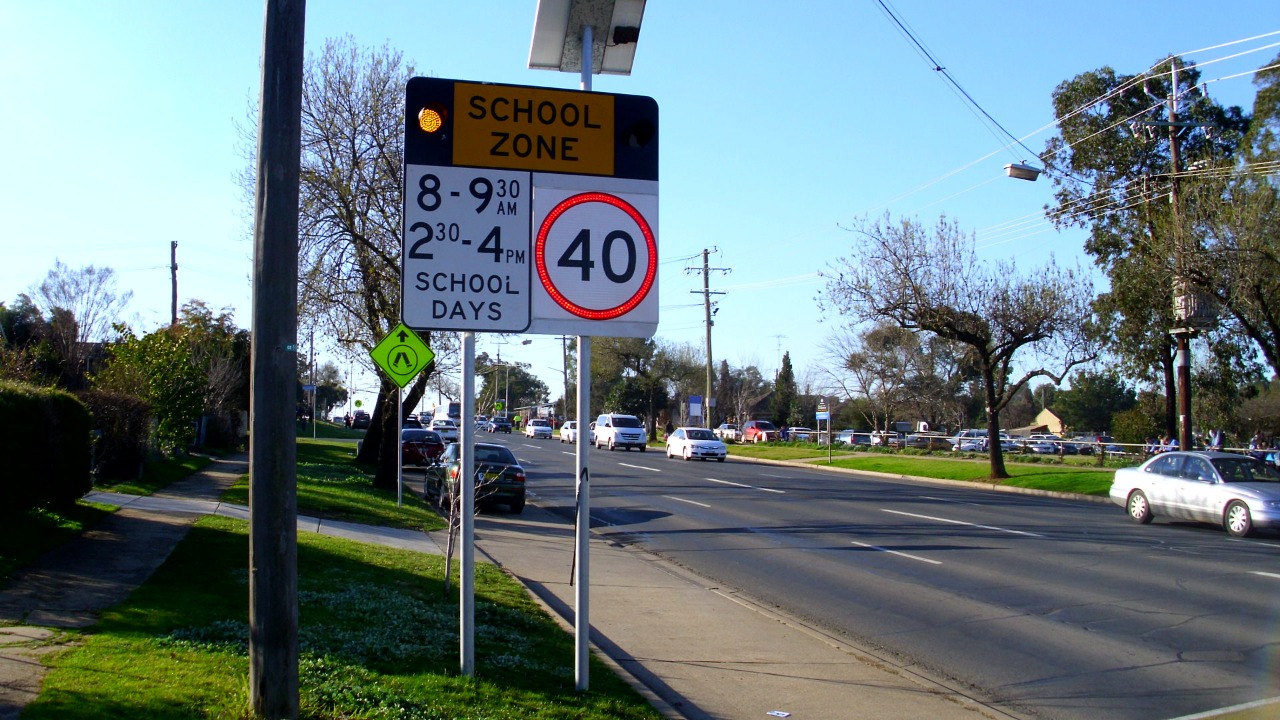
Drivers also point to confusing signage. Many school zones rely on a mix of fixed “School Speed Limit” signs, time-and-day plaques, and separate flashing beacons that indicate when the reduced limit is active. If the camera is following one definition of “active” while drivers follow another, it’s easy to see how tempers rise—especially when the bill shows up weeks later.
How school zone cameras are supposed to work
Most automated school zone enforcement systems are programmed around a schedule: specific weekdays, specific hours, sometimes tied to the academic calendar. In many places, the reduced speed limit is only enforceable when the zone is “in session,” which can mean the posted hours on a sign, the times when beacons flash, or both. That’s where it can get tricky, because not every school zone uses the same combination of signs and signals.
Some cities also use remote monitoring for beacons and cameras, which can be helpful—until a clock drifts, a schedule file is wrong, or a device fails in a way that isn’t obvious from the road. If a beacon is supposed to flash but doesn’t, a driver might reasonably assume the regular speed limit applies. A camera doesn’t make assumptions; it just follows whatever it’s been told is “on.”
Officials say they’re reviewing timing and equipment logs
City transportation officials say they’ve received complaints and are looking into whether any cameras were misconfigured. A spokesperson said the system keeps detailed logs, including activation times and captured vehicle data, and that technicians can compare those records against posted schedules. The city also said it’s working with its camera vendor to verify that each school zone’s enforcement window matches signage and local ordinances.
At the same time, officials emphasized that school zones are a high-risk area for crashes and near-misses, and that automated enforcement is meant to encourage consistent slowing. Still, they acknowledged that enforcement has to be clear and predictable. “Drivers shouldn’t have to be detectives,” one resident put it, “just to avoid a ticket.”
Where confusion often starts: signs, beacons, and “school days”
A lot of the frustration comes down to what the sign actually says—and what people think it means. A plaque that reads “7–9 AM, 2–4 PM” feels straightforward, but questions pop up fast: Does that include early-release days? What about summer school? What if the zone serves a nearby park program, not the school itself?
Then there’s the beacon factor. In some school zones, the reduced speed only applies when lights are flashing, which makes things intuitive: lights on, slow down; lights off, normal limit. In other places, beacons are meant as an extra warning, but the enforceable hours are still the times printed on the sign. If a city has a mix of both styles, it’s no surprise drivers are comparing notes—and getting different answers.
A few tickets are getting extra attention
Several residents say they’ve started documenting their commutes, snapping photos of dark beacons, and saving dashcam clips that show the posted hours. Some neighborhood associations are collecting ticket timestamps to see if there’s a pattern around particular schools or particular days. One organizer joked that the block has become “the least fun data-science project ever.”
Local elected officials have also begun asking for briefings on the rollout. When automated enforcement is new—or newly expanded—public trust tends to hinge on two things: whether the rules are crystal clear, and whether there’s a fast way to fix mistakes. Even people who strongly support slower driving near schools say a buggy launch can backfire by making everyone feel defensive instead of careful.
What to do if you got a ticket and think it’s outside posted hours
If you believe a school zone camera ticket was issued outside the posted enforcement window, start with the basics: check the notice for date, time, location, and the measured speed. Then look up the school zone’s signage in person if you can, and take clear photos showing the posted hours, the speed limit, and whether a beacon is present. If you have dashcam footage or a phone’s location timeline, that can help confirm conditions at the time.
Most cities have an appeals process with a deadline, so don’t sit on it. When you contest, be specific: “The posted sign says 7–9 AM; ticket time was 10:12 AM,” or “Beacon was off; here’s video from the same pass.” And if the city offers a way to request maintenance checks, submit that too—because even if your ticket stands, a broken signal shouldn’t stay broken.
What residents say would make it feel fair
Drivers aren’t asking for school zones to disappear. Many say they’d feel better with clearer, more consistent signs—ideally the same format across the city—plus beacons that reliably reflect when enforcement is active. A few suggested adding small “Camera Enforced During Posted Hours” plaques to remove ambiguity.
Others want a short grace period during rollout, like warning notices for first offenses or a temporary review of tickets issued during the first month. That kind of approach can help separate real speeding problems from setup glitches. As one resident put it, “If the goal is safety, clarity is part of safety.”
For now, the city says it’s continuing to review reports and will make adjustments if any cameras were incorrectly timed. In the meantime, drivers are doing what drivers always do when something feels off: slowing down, swapping screenshots, and watching the signs like hawks—especially when the flashing lights aren’t flashing.
More from Fast Lane Only