Some driving habits are remarkably stubborn, lingering long after the rules of the road and the realities of aging have changed. Among older motorists, familiar routines can feel like proof of experience, yet a growing body of safety research shows that a few of these rituals quietly raise the risk of serious crashes. As the population skews older and more people drive later in life, those ingrained behaviors are colliding with new laws, new vehicle technology, and the physical changes that come with age.
I see a clear tension between independence and safety. Older adults often rely on their cars to stay connected to work, family, and community, but the habits that once felt harmless now play out in faster traffic, denser suburbs, and more distracted drivers around them. The challenge is not to sideline older motorists, but to recognize which patterns are outdated and how to adapt without giving up the keys too soon.
The aging driver paradox: safer in some ways, at higher risk in others
It is easy to stereotype older motorists as inherently unsafe, yet the data complicate that picture. Research highlighted by The American Automobile Association shows that drivers in their 60s are often among the most cautious on the road, and Most older adults are explicitly described as NOT unsafe drivers. Careful speed choices, consistent signaling, and a reluctance to take chances can make older drivers a model to all drivers, especially compared with younger motorists who are more likely to speed or use phones behind the wheel. At the same time, federal crash statistics show that Drivers aged 70 and older have higher crash death rates per 1,000 crashes than middle aged drivers, largely because age related changes in the body make injuries more severe and recovery harder.
Demographics are amplifying this paradox. Federal workplace safety researchers note that by 2030, 32% of the United States population is expected to be age 55 or older, a sharp rise from just a few years ago. Another analysis of older motorists at work underscores that as this share grows, more people will be driving with chronic conditions, medications, and slower reaction times that affect how they respond to sudden hazards. Public health agencies point out that Age, sex, and age related changes are major risk factors for crash outcomes, even when an older driver is technically obeying the law. The result is a group that often behaves responsibly behind the wheel, yet faces outsized consequences when something goes wrong.
Old habits that quietly became illegal or unsafe
Some of the most persistent behaviors among older drivers are holdovers from a very different era of motoring. One widely reported example is Riding Without a Seatbelt, a practice that older relatives sometimes recall with nostalgia from the days of bench seats and low speed local roads. A recent rundown of outdated habits notes that this is a classic old driving habit that grandparents may still remember fondly, yet it is now illegal in most jurisdictions and dramatically increases the risk of death in a crash. Safety agencies stress that decisions about your ability to drive should never be based on age alone, but they are unequivocal that buckling up on every trip is non negotiable, especially for older bodies that are more vulnerable to impact forces.
Other habits fall into a gray zone where they may not be explicitly illegal, but they are out of step with modern traffic conditions. Analysts who study Driving patterns among older motorists point to behaviors like rolling through stop signs on familiar neighborhood streets, braking late because Reaction time has slowed, or drifting slightly within a lane while scanning for addresses. Occupational health experts and driver safety programs list warning signs such as Slowing or stopping inappropriately at green lights, driving too fast for road conditions, or driving so slowly that traffic backs up. These patterns can confuse other drivers and increase the odds of rear end collisions, even if the older motorist believes they are simply being cautious.
How aging bodies clash with yesterday’s driving style
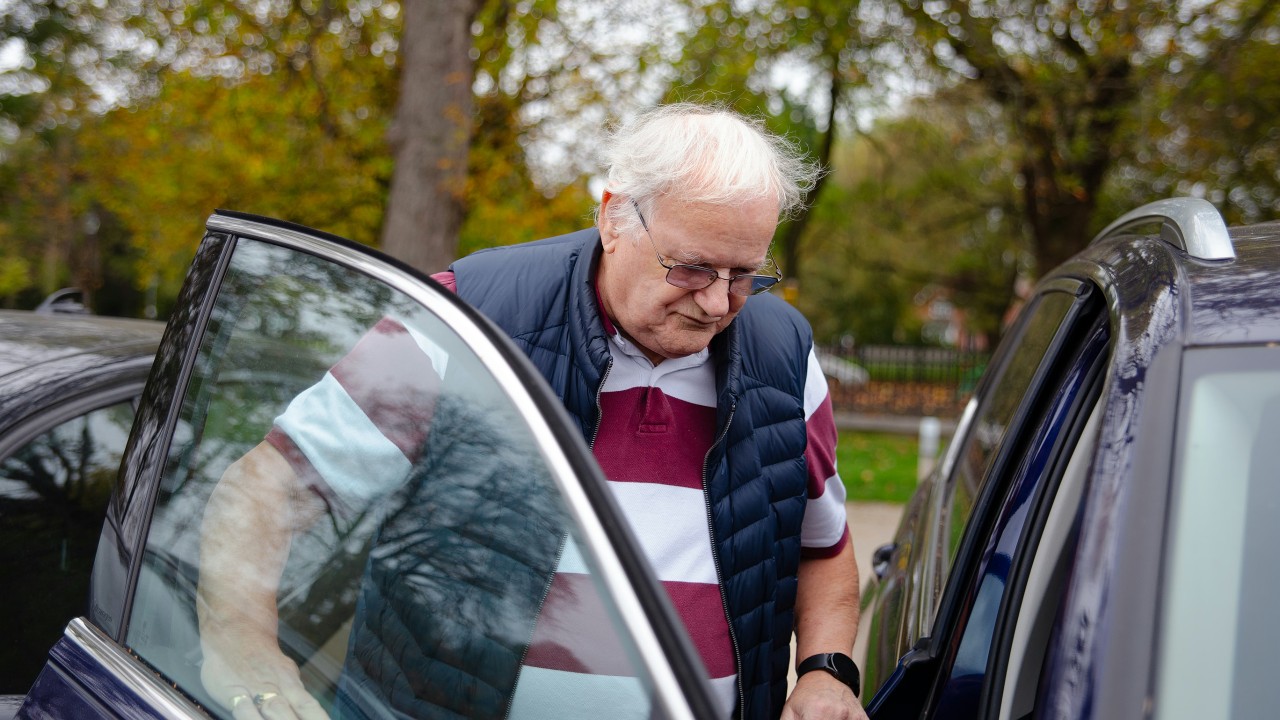
The core problem is not that older drivers suddenly forget the rules, but that their bodies and brains change while their driving style often does not. Vision typically declines with age, especially at night, and depth perception can suffer, which makes judging gaps at intersections or during left turns more difficult. Federal safety guidance for older motorists urges drivers to get examined by a doctor and eye specialist regularly and to Make sure they always wear their glasses with a current prescription. The same guidance warns against eyewear with wide side pieces that can block peripheral vision, a small design detail that can have big consequences when checking blind spots or scanning crosswalks.
Reaction time is another quiet shift that undermines long standing habits. Analyses of older driving behavior emphasize that Reaction time slows with age, and braking often comes a beat later than it once did. That delay might not matter on an empty rural road, but in modern traffic it can be the difference between a close call and a crash. Safety experts who work with older motorists describe a pattern in which drivers continue to follow at the same distance they used in their 40s, even though their ability to process hazards and move a foot from accelerator to brake has changed. Over time, that mismatch between physical capacity and ingrained style becomes a risk factor all its own.
New rules, medical checks, and the politics of the license
Regulators are starting to respond to these realities with targeted licensing changes for seniors. A widely discussed policy shift taking effect in the United States on Dec 31, 2025, introduces a New U.S. Driving License Rule for Seniors that begins 1 January 2026. The rationale is spelled out under the heading Why the New Law, which points to a demographic shift in the United States that is described as undeniable, with nearly 48 m Americans over the age of 65. The new framework emphasizes Refresher Driving Courses and periodic checks to ensure that older motorists can still handle complex traffic environments, rather than assuming lifetime competence once a license is issued.
Separate guidance on US Driving License Major Rule Changes for Drivers 70+ explains that the motivation behind these 2026 rule changes is rooted in road safety research and is summarized under the heading Why the New Rules Are Being Introduced. The measures include Mandatory Vision and Medical Checks and closer observation during the renewal process for drivers over a certain age. Occupational therapists who coordinate Older Driver Safety Awareness Week argue that an interprofessional approach can help older drivers preserve a thriving lifestyle and provide hope for continued driving independence, even as they experience gradual changes that they manage well. Public health campaigns stress that decisions about driving should be made collaboratively, with families and clinicians weighing specific medical conditions rather than relying on age cutoffs alone.
What older motorists can change without giving up the keys
For older drivers who want to stay on the road, the most powerful step is often to update a few long standing habits instead of waiting for a crisis. Federal safety programs aimed at Older Driver education offer Tips to Drive Safely While Aging Gracefully, starting with regular medical and vision checkups and a commitment to always wear a seat belt. They also encourage planning routes to avoid complex interchanges, heavy night driving, or high speed left turns when possible. Occupational therapy initiatives tied to Older Driver Safety Awareness Week highlight the value of self regulation, such as choosing daylight hours, fair weather, and familiar roads, and of practicing good vehicle maintenance so that worn brakes or dim headlights do not compound age related limitations.
There is also a growing push to help older motorists adapt to new technology and licensing rules rather than feel blindsided by them. A recent explainer on a Driving licence update that will delight every driver, including seniors, outlines How to make this new licence era work for you, especially if you are not 25 anymore. It suggests using online tools and short courses to stay current on rule changes, sometimes from the comfort of a front of a computer screen. Separate research on older drivers notes that Therefore, developing methods to help older drivers cope effectively with age related functional declines is important, including training and promoting compensatory driving strategies through self regulation. In practice, that can mean taking a Refresher Driving Course, adjusting following distances to account for slower Reaction times, or using simple vehicle care tips, such as those outlined in guides on Driving Tips to Make Your Vehicle Last Longer, to keep cars predictable and responsive.
None of these shifts require older motorists to abandon their independence. Instead, they ask drivers to recognize that the road has changed, their bodies have changed, and a few cherished habits need to change too. As new research on Intersections between health and driving shows, most older adults are not thinking far enough ahead about how aging will affect their time behind the wheel. Updating those routines now, while skills are still strong, is the surest way to keep driving from being a privilege that quietly slips away.
More from Fast Lane Only: