Air taxis are no longer distant prototypes. With a new Federal Aviation Administration pilot program, regulators are inviting electric vertical takeoff and landing aircraft into real airspace, real cities, and real commutes. The test campaigns will shape how you eventually hail a flight that lifts off from a neighborhood pad instead of a runway.
What the FAA just approved
The Federal Aviation Administration, working with the U.S. Department of Transportation, has cleared eight pilot projects across 26 states to begin early operations for electric air taxis, short-haul electric aircraft, and autonomous flight systems. The Federal Aviation Administration is using these trials to collect operational data that can support safe Advanced Air Mobility operations and guide new safety regulations for next-generation aircraft.
The Department of Transportation and FAA describe the effort as a way to strengthen American leadership in aviation and to move beyond simulation into live flights with passengers, cargo, and emergency services. According to the Department of Transportation and FAA, the selected projects will test not only aircraft performance but also integration with air traffic control, community noise, and charging infrastructure.
For you, that means this is not a science experiment at the edge of the system. It is a structured push to see how air taxis behave when they share skies with regional jets, helicopters, drones, and general aviation traffic.
Who is flying in the pilot program
The program gives you a first look at which companies and agencies are closest to putting aircraft into service. US regulators have approved pilot programs that involve Archer, Joby and other eVTOL developers, along with state transportation departments and city partners such as the City of Albuquerque. These teams will operate under FAA oversight while they test routes, booking systems, and ground facilities.
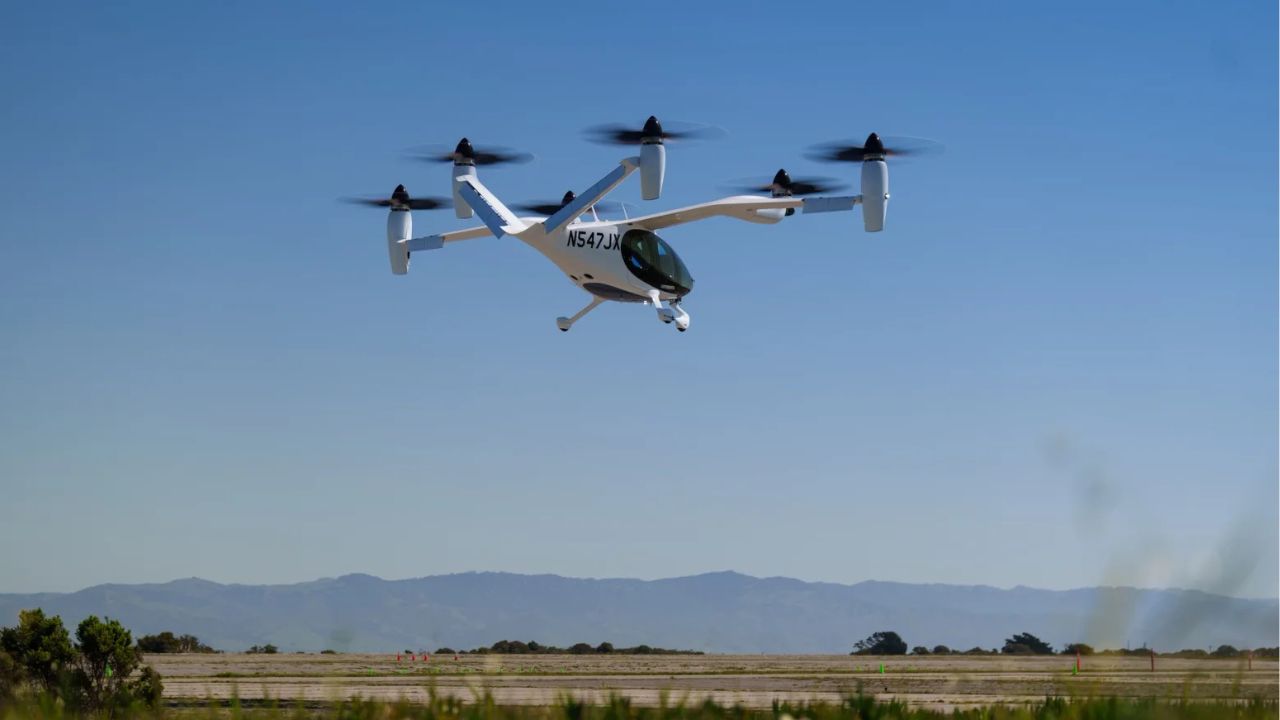
One of the most aggressive timelines comes from Joby. The company has told you that Joby to Begin, with a piloted electric aircraft that is part of the White House air taxi initiative. That timeline is now backed by its selection for several winning applications in the pilot program, which Joby Aviation has described as a major step on its path to commercial service.
Joby has also reported that its first FAA conforming aircraft for TIA is already in flight at the Company test facility in Marina, which means you are watching a vehicle that matches its certification design fly in preparation for this program. In parallel, Joby Aviation Inc has begun testing the production prototype that it plans to use for these early routes, which it has called the final phase of bringing its aircraft to market.
Where the air taxis will fly
The geographic spread of the eight projects tells you how widely air taxis could touch your life. The Transportation Department has said that 26 states will lead expanded trials of electric aircraft, with operations that could begin within 90 days of the announcement. Those states include major population centers and fast-growing regions that already struggle with road congestion.
Texas is a prime example. The Texas Department of Transportation has announced that it was selected for a futuristic air taxi testing program, with officials in AUSTIN describing a pilot project for the future of aircraft that has the potential to reshape how you move across the state. The state plans to test vertiports that connect cities and suburbs, and to coordinate with local airports and transit agencies.
The network stretches far beyond Texas. The Department of Transportation and FAA have confirmed that the 26-state trials will include locations that represent dense urban areas, mid-sized cities, and rural corridors, all intended to show how electric air taxis, short-haul electric aircraft, and autonomous systems perform in different environments.
How Texas and other states are positioning themselves
If you live in Texas, you will see your state treating air taxis as both a transportation tool and an economic development play. State transportation leaders have said the project could bring new jobs, new infrastructure, and new partnerships with aerospace firms that want to base operations near major highways and airports. Tech Director Sergio Roman has described how TxDOT will coordinate air taxi pads with existing highway rights of way and park-and-ride facilities so your trip can shift from car to aircraft without friction.
Texas is not alone in that strategy. Florida will be one of the first states in the nation to test air taxis after the Department of Transportation selected Florida’s application for the pilot program, which means you could see flights between tourist hubs and business districts that bypass clogged freeways. State agencies in places such as Pennsylvania, Utah, and Louisiana are also part of the 26-state group, giving you a sense of how broadly this technology will be tested.
In Texas specifically, regional coalitions are already mapping future air taxi networks. One proposal for future Texas air taxi networks has been selected for the advanced air mobility pilot program, and local leaders have framed it as a way to connect Dallas, Fort Worth, and surrounding communities with frequent flights that you could book like a ride-hail trip. That selection, described in coverage of future Texas air, signals that planners are thinking beyond single demonstration flights toward full networks.
What the federal government wants to learn
From Washington’s perspective, you should see this as a data exercise as much as a technology showcase. The Federal Aviation Administration has said that the pilot projects will support the development of new safety regulations for advanced air mobility aircraft. The agency wants to understand how often you can safely schedule flights, how to manage charging cycles, and how to handle emergencies when aircraft operate above dense neighborhoods.
Trump’s Transportation Secretary Sean P. Duffy and FAA leaders have described the eight selections for pilot program testing next generation aircraft in America’s skies as a way to strengthen American leadership in aviation. They have emphasized that in addition to offering the American people an exciting window into the future of aviation, data from the pilot projects will be used to inform standards for noise, airspace integration, pilot training, and so much more.
The Department of Transportation has also positioned the 26-state trials as a landmark moment for aviation innovation, with the Transportation Department and DOT explaining that operations could begin within 90 days in order to accelerate learning. For you, that means the feedback loop between test flights and rulemaking will be tight, and your concerns about safety or noise can reach regulators while the program is still running.
What this means for your commute and your city
If you are trying to imagine how this touches your daily life, start with short trips that are painful by car. The Federal Aviation Administration has framed the pilot programs as a way to enable safe Advanced Air Mobility operations, which could include airport transfers, cross-town hops, and regional links that now require long drives. Instead of spending an hour in traffic between downtown and a major airport, you could board an electric aircraft from a rooftop or repurposed parking lot.
You should also think about how cities will change around these services. Local partners in the pilot program are already planning vertiports that sit near light rail, bus hubs, and park-and-ride lots, so your journey can move from scooter to train to air taxi without long gaps. In places like North Carolina and other participating regions, planners are evaluating how to integrate air taxi pads into existing zoning and environmental review processes, using tools such as place viewer data to understand community impacts.
For now, you will not see fleets of fully autonomous aircraft replacing cars. The early flights are piloted, like the Joby aircraft that is part of the White House air taxi program, and operations are limited to specific corridors and altitudes. Yet the structure of the pilot program tells you that regulators and industry are preparing for a future where booking an electric air taxi is as ordinary as opening a ride-hailing app on your phone.
More from Fast Lane Only