Mercedes-Benz is preparing an all-electric C-Class sedan that targets roughly 400 miles of range and features a dramatic full-width display spanning the dashboard. The 2027 model will ride on a new dedicated EV platform, positioning it as a direct rival to the Tesla Model 3 and BMW i4 while aiming to preserve the familiar comfort and polish that define the current C-Class. Early details sketch a car that pairs conservative exterior styling with ambitious battery tech and a bold digital interior.
For Mercedes, this compact executive EV represents more than a single model update. It is a test of whether one of the brand’s core nameplates can transition to a battery-only future without sacrificing the balance of refinement, performance, and long-distance usability that built its reputation.
What happened
Mercedes-Benz has outlined plans for a next-generation C-Class that will be sold as a fully electric model around 2027, built on the company’s new MB.EA architecture. The car is expected to target about 400 miles of range on the WLTP cycle, a figure that should translate into strong real-world endurance even after the stricter EPA test cycle takes its cut. That range goal would place the car at the upper end of the compact luxury EV segment and signals that Mercedes is prioritizing long-distance capability rather than chasing only quick-charge bragging rights.
The electric C-Class will sit below the existing EQE in size and price, but unlike the current strategy of pairing internal-combustion C-Class sedans with separate EQ-badged EVs, this generation is being developed from the outset as a battery-only product. The MB.EA platform is designed around a flat battery pack and compact electric motors, which frees up cabin space and allows engineers to tune the chassis specifically for EV weight distribution. According to early technical previews, the car will use a new battery pack with higher energy density cells and a more efficient thermal management system to help reach that 400-mile target.
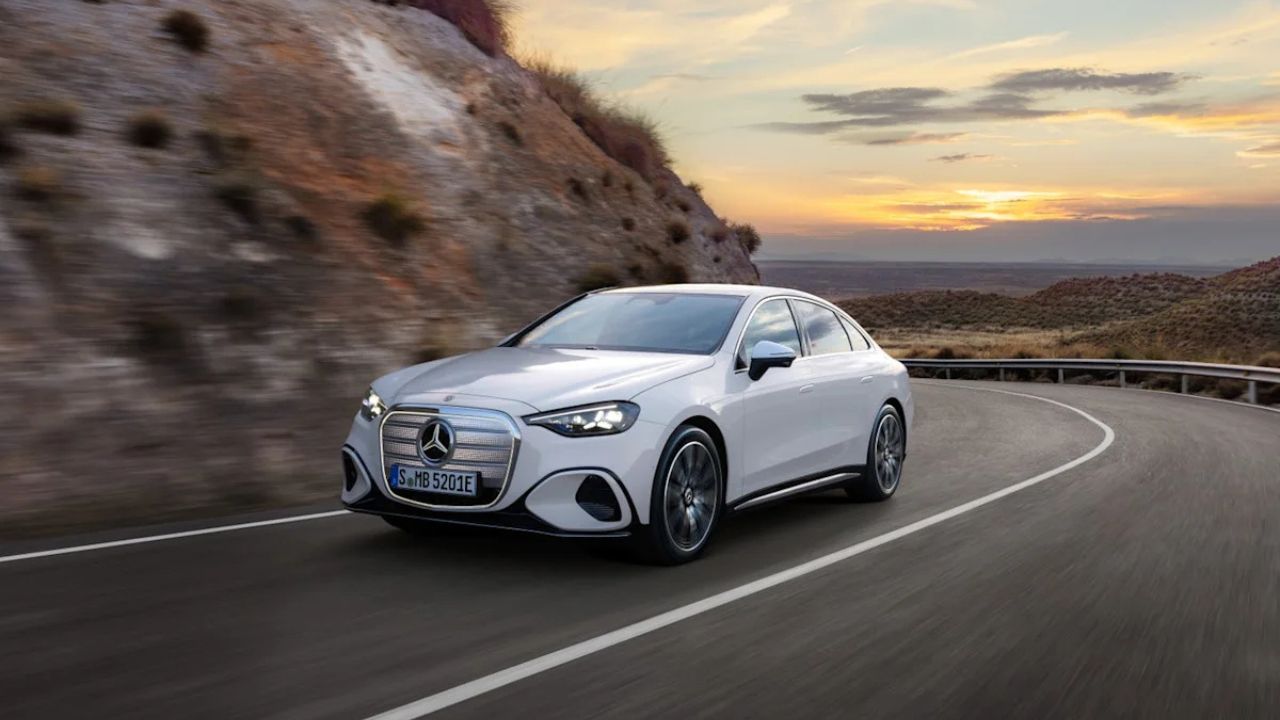
Styling, at least in prototype form, appears evolutionary. The proportions echo the current C-Class sedan, with a long hood, short rear deck, and relatively upright roofline that preserves rear headroom. At the same time, the front grille is largely closed, the intakes are slimmer, and the lighting signatures are sharper, all cues that mark it as an electric model without abandoning the three-box silhouette that many buyers still prefer. Underneath that conservative skin, the packaging is all new, with a longer wheelbase relative to overall length and shorter overhangs that take advantage of the compact EV drivetrain.
Inside, Mercedes is planning a full-width digital display that stretches from pillar to pillar, replacing the traditional instrument cluster and central touchscreen with a single glass surface. This approach goes beyond the current MBUX Hyperscreen by integrating the passenger-side display more seamlessly into one continuous panel. The interface will run an updated version of the MBUX software with more contextual voice control and a simplified home screen that surfaces navigation, media, and driver-assistance status without deep menu diving. Physical controls will shrink to a small row of climate toggles and a few key drive functions, shifting more interaction to the screen and steering wheel buttons.
Powertrain details are still emerging, but the electric C-Class is expected to launch with rear-wheel-drive and dual-motor all-wheel-drive variants. Output should span from a base model tuned for efficiency to a high-performance version that aligns with the brand’s AMG sublabel. The MB.EA platform supports both single and dual-motor layouts, and early engineering targets suggest 0 to 60 mph times that start in the mid 6-second range and drop into the 4-second bracket for more powerful trims. Fast-charging capability is expected to support at least 250 kW on compatible DC chargers, which would allow a 10 to 80 percent top-up in roughly half an hour under ideal conditions.
The electric C-Class will not arrive alone. Mercedes is also preparing a closely related GLC-class EV that uses the same core platform and many of the same components. That model, previewed through early technical briefings, is expected to share the battery options and much of the software stack, while adding a higher seating position and more cargo space. The dual rollout of sedan and SUV variants mirrors the brand’s current combustion lineup and signals that Mercedes intends to keep both body styles alive in its electric future.
Early coverage of the project has highlighted how much of the innovation is hidden beneath styling that some observers describe as restrained. One detailed preview of the electric C-Class notes that the most interesting elements are the new battery pack, the rear-mounted motor unit, and the reworked suspension layout, rather than any radical exterior design experiment, a point emphasized in an analysis of new electric C-Class.
Why it matters
The C-Class has long been one of Mercedes-Benz’s global pillars, especially in markets where compact executive sedans form the backbone of corporate fleets and private leases. Turning that car into a pure EV in 2027 is not simply about adding another battery-powered option. It is a statement about where the company expects its core customers to be by the second half of the decade. If the electric C-Class succeeds, it validates the idea that traditional luxury-sedan buyers are ready to give up combustion engines entirely when the product feels familiar enough in comfort and capability.
Range is central to that argument. A target of about 400 miles on the WLTP cycle gives Mercedes a headline figure that can compete with long-range versions of the Tesla Model 3 and Hyundai Ioniq 6, while also addressing the anxiety that still surrounds long trips in an EV. That number will likely drop under EPA testing, but even a translated figure closer to the mid 300-mile range would be a meaningful improvement over many current compact luxury EVs. For drivers who cover high annual mileage or who regularly travel between cities, that level of endurance reduces how often they must rely on public fast charging.
The full-width dash display is more than a party trick. It signals where Mercedes sees the future of in-car interaction heading. The current C-Class already uses a large vertical touchscreen and digital cluster, but the move to a single continuous panel reflects a broader industry shift toward software-defined vehicles. By consolidating displays, Mercedes can treat the entire dashboard as a canvas for software updates, new layouts, and subscription features. Over-the-air updates can re-skin the interface, add new driver-assistance visualizations, or enable extra navigation functions without changing any hardware.
This strategy also lets Mercedes differentiate its cars from lower-priced EVs that may match or beat it on raw range or acceleration. A polished, high-resolution dash that integrates navigation, entertainment, and vehicle controls into a cohesive visual experience becomes a key part of the luxury pitch. It also gives the brand a way to sell digital extras, from advanced augmented reality navigation overlays to more immersive passenger-side entertainment modes. The company has already experimented with such features in larger models, and the electric C-Class will likely inherit many of those capabilities.
At the same time, the choice to keep the exterior relatively conservative carries its own strategic weight. Some rivals have used their first dedicated EV sedans to experiment with coupe-like rooflines or hatchback shapes that blur segment boundaries. Mercedes appears to be betting that a significant share of its traditional C-Class audience still wants a car that looks like a C-Class, even if the drivetrain is entirely different. That decision may help fleet operators, company-car buyers, and more conservative customers transition to electric power without feeling that they are adopting a niche product.
The electric C-Class will also test how far Mercedes can push its new MB.EA platform into the heart of its portfolio. The architecture is intended to underpin several future models, including the related GLC EV. Early reporting on the GLC project describes a compact luxury SUV that shares the same battery modules and electric drive units as the sedan, with tuning differences for ride height and cargo use, as outlined in a preview of the GLC-class EV. If both vehicles deliver strong efficiency and refinement, MB.EA becomes a foundation for a wide range of future products and helps justify the heavy investment in the platform.
For the broader EV market, a long-range electric C-Class raises expectations in a segment that has often forced buyers to choose between premium feel and battery capacity. Some compact luxury EVs have prioritized performance and interior tech while landing in the 250 to 300-mile range band. By aiming higher, Mercedes pressures rivals to improve their own energy density, aerodynamics, and drivetrain efficiency. That competitive push can accelerate the adoption of more advanced battery chemistries and lighter chassis designs across the segment.
There is also a regulatory dimension. Many regions are tightening fleet-average emissions targets over the second half of the decade, and a high-volume electric C-Class gives Mercedes a powerful tool to lower its overall numbers. Every combustion C-Class that is replaced by an EV variant helps offset larger, heavier models in the lineup that are harder to electrify quickly. The company’s ability to sell this car in meaningful volumes will influence how easily it can comply with upcoming rules without resorting to heavy discounting or last-minute product reshuffles.
The interior technology strategy carries some risk. Moving climate controls and secondary functions deeper into touchscreen menus can frustrate drivers who value tactile knobs and buttons. Mercedes has already faced criticism for reducing physical controls in some models. The success of the full-width display will depend on how intuitive the software feels and how well the car balances visual flair with quick, low-distraction access to core functions. If the interface is perceived as too complex, it could undermine the sense of effortless luxury the brand wants to project.
Pricing will be another sensitive point. Early commentary suggests that the electric C-Class will carry a premium over the current combustion variants, reflecting the cost of its battery and new platform. Some analysts expect it to start above the entry-level Tesla Model 3 and closer to higher-spec versions of that car, a positioning that leans on Mercedes’ brand equity and interior quality. Coverage of the upcoming model hints at a price ladder that aligns with existing C-Class trims while adding EV-specific equipment packages, as discussed in a preview of the 2027 Mercedes-Benz C-Class.
If buyers accept that premium, the car could reinforce the idea that luxury EVs do not need to compete purely on sticker price. Instead, they can sell comfort, technology, and perceived status alongside low running costs. If the market pushes back, however, Mercedes may need to adjust equipment levels or offer aggressive financing to keep the car competitive against more affordable but well-equipped electric sedans from mainstream brands.
More from Fast Lane Only