Ferrari is about to test how ready you are to follow it into a fully electric future, using the Luce as the launchpad. With pre-orders scheduled to open in March after strong early interest from clients, you are looking at a rare chance to get in at the ground floor of a model that reshapes what an Italian supercar can be without an internal combustion engine.
Rather than simply electrifying an existing platform, Ferrari is using the Luce to reset design, technology, and even pricing expectations around its first all-electric car. As you weigh whether to join the first wave of orders, you need to understand how this model fits into Ferrari’s broader strategy, what the early previews reveal, and how the brand is managing demand before you ever step into a showroom.
How March pre-orders change your place in Ferrari’s queue
If you are already in Ferrari’s orbit, the most immediate development is that pre-orders for the Luce will open in March after what the company describes as very positive client feedback on its first fully electric car. Ferrari has been gathering what it calls manifestations of interest from customers, and that response has been strong enough that the brand is now preparing to convert those signals into actual reservations for the Luce EV. If you are used to Ferrari’s traditional allocation system, where long-standing relationships and past purchases shape your access, you should expect a similar pattern here, with early expressions of interest likely to translate into priority when order books formally open.
The timing also fits into a broader product cadence that you will want to track. Earlier this year, Ferrari signaled that it is preparing to launch five new models in 2026, positioning the Luce as the first of that wave and as the brand’s inaugural fully electric car. In social previews, you can already see the company framing the Luce as the car that marks Ferrari’s electric future, with posts explaining that Ferrari is set pre-orders as part of this multi-model rollout. For anyone planning a longer-term garage strategy, that means you are not just reserving a one-off experiment, you are buying into the first chapter of a larger EV family.
What early previews tell you about the Luce itself
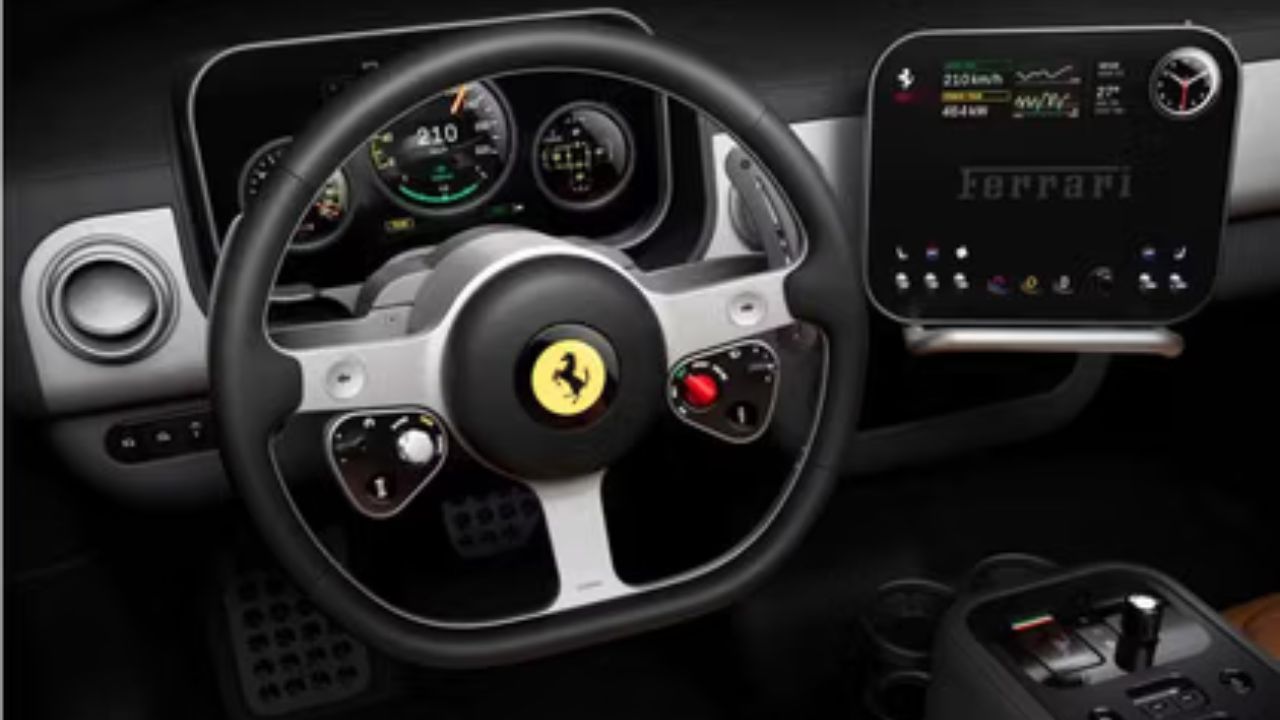
Even before you can lock in a build slot, Ferrari has been carefully shaping your expectations through controlled teasers of the Luce interior. The company has released images that highlight leather seats, the steering wheel, and key instruments, while emphasizing that the name Luce means light in Italian and is meant to evoke both weight reduction and visual clarity. In short clips and photos, you can see how Ferrari is trying to balance familiar cockpit cues with the new packaging demands of an electric powertrain, presenting the Luce as a car that still feels like a Ferrari even as it abandons cylinders for batteries and motors, a positioning reinforced by coverage of the Luce EV as a new electric sports car.
At the same time, Ferrari is using the Luce to signal a shift in its design language that you will notice the moment you look inside. Official imagery and enthusiast breakdowns point to a cabin that prioritizes emotion and tactility over large central touchscreens, with physical controls and driver-focused displays that avoid the tablet-on-dashboard aesthetic common in other EVs. Social posts describe how the Luce marks Ferrari’s first-ever all-electric car and how the interior was officially unveiled with its name, showing how the brand wants you to associate this model with a new naming era and a more analog-feeling interface. One widely shared clip frames the cabin as a bold rewrite of Ferrari’s rulebook, highlighting how Ferrari rewrites the with Luce by leaning into physical controls and a more theatrical approach to lighting and startup.
Inside the cabin you are being sold
If you care about details, the Luce interior is where Ferrari is asking you to rethink what a high-end EV should feel like. The control panel uses a high-resolution, custom-shaped OLED screen that is laminated to a durable, high-visibility coverglass, giving you a curved, driver-centric display rather than a flat slab. Ferrari describes the way the shifter and key controls sit under this glass as a way to keep the cabin visually clean while still delivering immediate tactile feedback, a strategy it outlines on the official Ferrari Luce page that highlights the OLED setup.
The brand is also leaning into theatrical elements that speak directly to how you experience the car every time you get in. Social descriptions talk about a glass-encased E-Ink key that triggers a color flow through the cabin at ignition, aviation-style overhead controls that reinforce the performance narrative, and a heritage-inspired three-spoke steering wheel that connects you to classic Ferrari models even as you drive an EV. The company and its collaborators describe the materials as almost entirely plastic-free, with recycled aluminum and Corning Gorilla Glass used throughout the cabin, a choice that aligns with the Luce name and its association with light and transparency, and that is echoed in posts that present Ferrari Luce as a bridge between tradition and a more sustainable future.
Performance expectations and what they mean for you
While Ferrari has not yet published a full spec sheet, the messaging around the Luce makes it clear that you are not being asked to trade speed for sustainability. Coverage of the model stresses that performance remains at the core of Ferrari’s identity and that technical details suggest the Luce will sit firmly in supercar territory. Analysts describe how the car is meant to usher Ferrari into new territory for electric performance while still delivering the kind of acceleration, handling, and driver engagement you associate with the brand, with one report on performance remains at framing the Luce as a statement that the company will not compromise on speed just to hit emissions targets.
You can also see how Ferrari is positioning the Luce in relation to its broader product mix. Corporate communications explain that the company still expects a large share of its sales to come from internal combustion engines and hybrids in the medium term, even as it introduces this first fully electric model. One investor-focused summary notes that FERRARI has received very positive feedback from customers on the Luce and still plans to keep a significant share of its lineup powered by combustion engines and 40 percent hybrids. For you, that means the Luce is not replacing the rest of the range, it is expanding it, giving you an electric option without forcing you away from V8 or V12 models if you still want them.
Pricing, factory plans, and how you should prepare
On price and production, Ferrari is signaling that the Luce will sit at the very top of its line, which matters if you are trying to decide how serious to be about a pre-order. Enthusiast reporting and social commentary describe the car as rumored to cost over $500,000, a figure that sets clear expectations about how exclusive Ferrari wants this model to be. One widely shared post explains that $500,000 is the rumored level for the Luce and notes that the EV’s final design is still under wraps, with production planned at a new factory in Maranello. If you are familiar with Ferrari’s approach, that combination of a high price and a dedicated facility suggests limited volumes aimed at protecting residual values and brand cachet.
More from Fast Lane Only