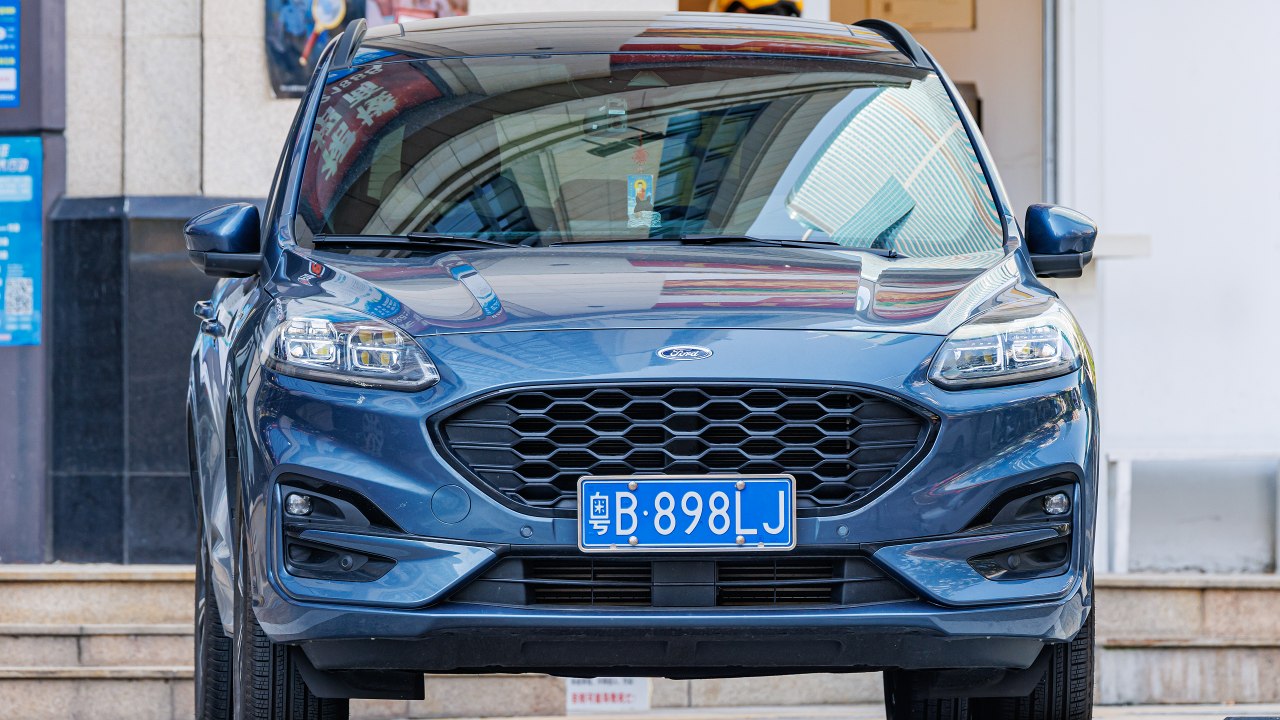
Ford has quietly pulled the plug on one of its most important vehicles, ending the Escape just before Christmas and leaving dealers scrambling to understand what fills the gap. The compact SUV was not only a volume player, it was a key entry point into the brand, and internal sales math suggests that as much as half of Ford’s small crossover business is now at risk. With the Bronco Sport waiting in the wings but priced and positioned differently, the company is betting it can shift buyers without handing rivals a windfall.
The stakes are high because the Escape sat at the heart of the mainstream market, where affordability, practicality, and familiarity drive loyalty. By walking away from that formula while competitors double down on it, Ford is testing how far a portfolio built around higher priced, more characterful models can stretch before customers simply leave.
Escape’s abrupt exit leaves a hole in Ford’s lineup
Ford discontinued the Escape just before Christmas, ending a roughly quarter century run for a nameplate that had become shorthand for the compact SUV segment. The decision landed with little fanfare outside industry circles, but inside showrooms it was a shock, because the Escape had been a dependable source of traffic and a familiar choice for shoppers who did not want a truck‑styled vehicle. Reporting on the move notes that dealers were less than enthused when they were told the Escape was finished, a reaction that reflects how central the model had become to their day‑to‑day business.
The Escape’s retirement did not come out of nowhere. Earlier, Ford had already limited the 2026 Ford Escape, keeping it out of six states where it did not meet stricter emissions standards, and describing the aging crossover as “now‑quite‑old” even as it soldiered on for at least one more model year. That combination of regulatory pressure and product age set the stage for the final decision to kill the Escape outright, but it did not make the commercial impact any less severe for retailers who had built leasing and volume strategies around it.
Bronco Sport is not a one‑for‑one replacement
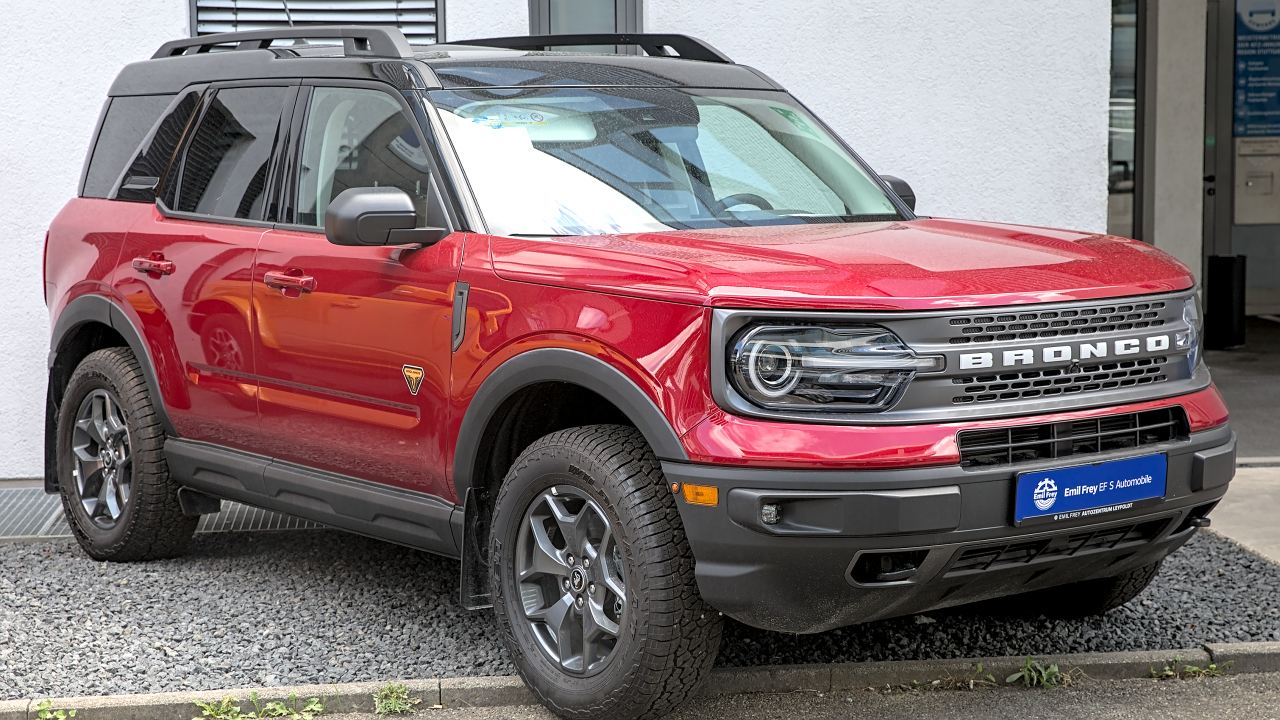
On paper, Ford has a ready substitute in the Bronco Sport, which shares mechanical roots with the Escape and has been gaining momentum since its launch in 2020. The Bronco Sport nearly overtook the Escape in United States sales this year, with a gap of only about 10,000 units, and one report cites Bronco Sport deliveries of 132,216 units over a recent period that put it roughly on par with its sibling. That performance is a big reason Ford product planners believe they can absorb much of the Escape’s volume into the Bronco Sport without ceding the segment.
In practice, dealers argue that the Bronco Sport is a different proposition that cannot simply swallow all of the Escape’s customers. The Bronco Sport leans heavily on rugged styling and an outdoorsy image, while the Escape was a more anonymous, carlike crossover that appealed to buyers who just wanted a comfortable, efficient family vehicle. Retailers in markets such as In the Michigan region, where leasing plays a key role, warn that if Bronco Sport lease prices climb much higher than the Escape’s, payment‑sensitive shoppers will look elsewhere. That tension between brand strategy and monthly budgets is at the heart of the risk Ford is taking.
Dealers fear losing entry‑level and budget buyers
Dealer reaction to the Escape’s demise has been unusually emotional, not because the vehicle was glamorous, but because it was reliable business. Other retailers have echoed the concern that the Escape played a crucial role in attracting first‑time buyers and budget‑conscious families, the kinds of customers who often start in a compact SUV and then move up through a brand’s lineup. One dealer quoted in recent coverage said bluntly that they now have to “sell what Ford is making,” a phrase that captures the frustration of losing a proven tool for meeting shoppers where their finances are.
Several dealers describe the Escape as a bridge product that let them serve multiple types of buyers, from credit‑challenged customers to those downsizing from larger vehicles. With the Escape gone, they fear losing a “massive chunk” of customers who will not see themselves in a Bronco Sport or a more expensive model. The company has said it intends to target current Escape and Edge customers with personalized offers for other new or certified vehicles, but retailers worry that without a truly comparable replacement, those offers will not be enough to keep people from drifting to rival brands that still sell straightforward, affordable compact SUVs.
Affordability and used demand show what Ford is walking away from
The Escape’s importance was not just about new‑car volume, it was also about affordability and lifecycle value. As a used vehicle, the Ford Escape has been praised for Affordability, described as a cost‑effective option compared to many of its peers in the used car market. That reputation made it a staple for buyers stepping into their first crossover, parents shopping for a safe but inexpensive vehicle for a teenager, or households adding a second car without wanting a big payment. By ending the Escape, Ford is effectively cutting off the pipeline that feeds that robust used‑car ecosystem in future years.
That matters because affordability has become one of the defining issues in the United States auto market, even as Ford’s overall vehicle sales in the country climbed 6 percent in 2025, reaching their highest annual level since 2019. The company has been successful at shifting its mix toward more profitable trucks and SUVs, but dealers now fret that the shrinking number of lower priced options will eventually cap that growth. In their view, the Escape was one of the few remaining models that let Ford participate meaningfully in the budget end of the market while still delivering scale, and its absence will be felt most acutely by shoppers who cannot stretch to a higher payment.
Half of Ford’s small SUV business is now in play
When I look at the numbers, the core worry is straightforward: Ford risks handing away roughly half of its small SUV sales if it cannot keep Escape buyers in the fold. Reporting on the internal calculus suggests that the Escape accounted for about half of Ford’s small crossover volume, with the Bronco Sport making up the rest. With the Escape gone, every one of those customers becomes a retention challenge, and even a modest defection rate would translate into tens of thousands of lost sales in a segment that remains intensely competitive.
Dealers are already warning that some of those shoppers will not wait around. They point to rival compact SUVs that still offer the blend of practicality and price the Escape represented, and they worry that once a customer leaves for another brand, it is difficult to win them back. Ford is betting that the Bronco Sport’s growing popularity, combined with targeted offers to Escape and Edge owners and a broader shift toward more distinctive, higher margin vehicles, will offset the loss. If that bet pays off, the company will have proven that it can walk away from a mainstream staple without sacrificing share. If it does not, the decision to kill the Escape will look less like a strategic pivot and more like an unforced error that opened the door for competitors to claim a large slice of Ford’s small SUV audience.
More from Fast Lane Only: