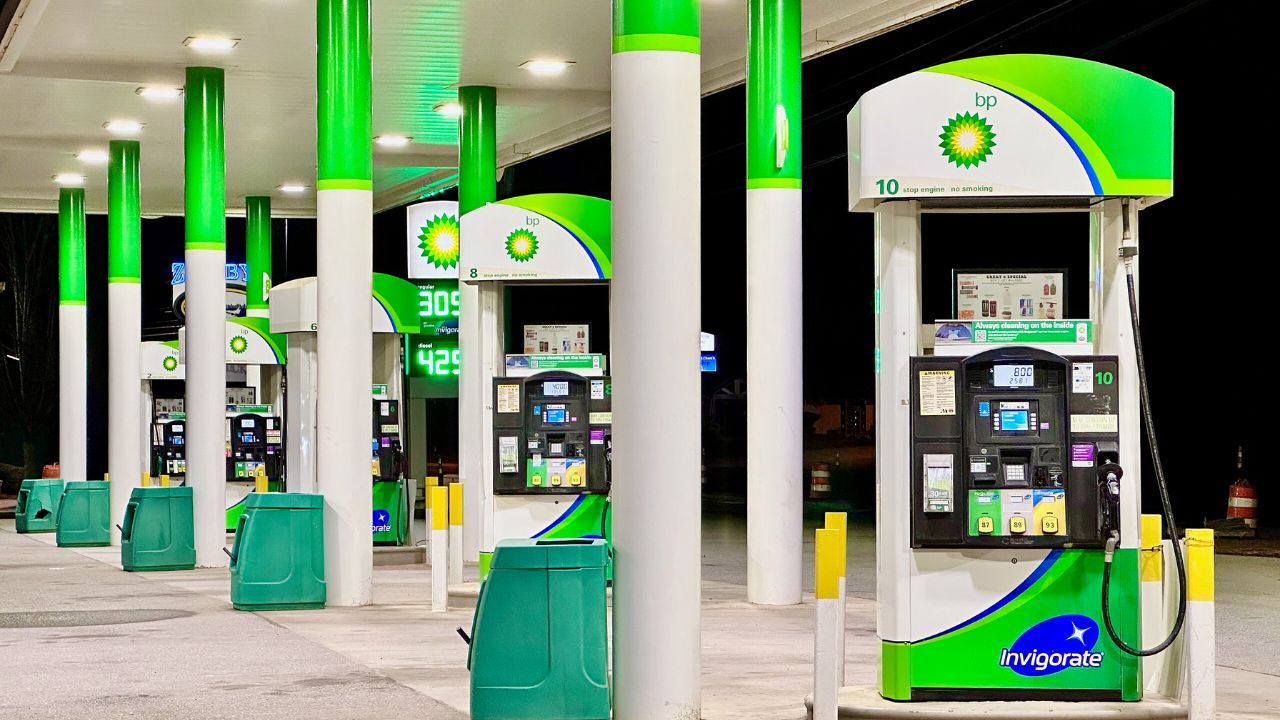
Gas is cheaper across the United States than it has been in years, with the national average slipping under three dollars a gallon and giving drivers a rare bit of breathing room. After a long stretch of elevated energy costs, the move back below that psychological threshold signals a meaningful shift in the cost of everyday life, from commuting to holiday road trips. For Americans who have been reshuffling budgets around fuel costs since prices spiked in 2022, the new numbers at the pump feel like a long overdue reset.
How far prices have fallen, and how we got here
The most striking part of the current slide is not just that gas is cheaper, but how quickly it has retreated from the extremes of the past few years. The national average for regular gas has dipped below three dollars a gallon for the first time since 2021, a level not seen since before the worst of the post‑pandemic price surge. Data from AAA shows the average price on Dec 2 is $2.998 per gallon, down from $3.047 a year ago and $3.036 last month. That puts prices at their lowest level since May 2021, according to Data from AAA, and confirms that the recent declines are not just a blip.
The path to this point has been shaped by a mix of seasonal patterns and global energy dynamics. Earlier in the fall, the national average for a gallon of regular gasoline had already eased to $3.05, a sign that the market was loosening as U.S. crude oil prices fell and refineries completed maintenance. Analysts pointed to the end of refinery maintenance season and a shift in demand after the summer driving peak as key reasons why prices started to slide for Americans heading into the holidays, a trend that has now pushed the national average below three dollars for the first time in more than four years, as reflected in multiple nationwide averages.
From five-dollar shock to sub-three relief
To understand why this drop feels so significant, it helps to remember just how painful the recent peak was. As the U.S. recovered from the pandemic, gas prices climbed to record levels, reaching five dollars a gallon in 2022 and squeezing households that had little flexibility in their transportation choices. At one point, gas prices surged beyond five dollars a gallon for the first time ever, a spike that prompted the Biden administration to release emergency oil stockpiles in an effort to cool the market, according to reporting on the earlier price surge.
Those record highs were closely tied to geopolitical shocks. When Russia launched its invasion of Ukraine in 2022, energy markets were thrown into turmoil, and global crude prices spiked as traders scrambled to adjust to disrupted supply and sanctions. Coverage of the current decline notes that the sub‑three dollar average is a far cry from that period, when the conflict between Russia and Ukraine sent energy prices soaring and forced policymakers to intervene. The fact that prices have now fallen below three dollars a gallon for the first time since May 2021 underscores how dramatically the pressure on drivers has eased compared with that crisis moment.
Seasonal forces and supply fixes behind the drop
While geopolitics set the backdrop, the immediate reasons for the current relief are more mundane and mechanical. Gas prices usually drop in the fall, in part because refiners switch from summer‑blend to winter‑blend fuel, which costs less to produce and can be made more easily when temperatures are cooler. Industry analysts note that this seasonal shift, combined with the end of peak vacation driving, typically pulls prices down in late fall and early winter, a pattern that is visible again in the latest gas price data.
On top of those recurring patterns, specific supply improvements have helped accelerate the decline. Reporting on the latest moves notes that gas prices have fallen further after an oil pipeline was repaired, restoring flows that had been constrained and easing concerns about regional shortages. That repair came as refinery maintenance season wrapped up, which meant more capacity was available to turn crude into finished gasoline. Together with softer crude prices, those supply‑side improvements have created the conditions for the national average to slip under three dollars and stay there, at least for now.
What cheaper gas means for household budgets
For Americans, the move below three dollars is not just a psychological milestone, it is a concrete shift in how far each paycheck goes. A driver who fills up a 15‑gallon tank once a week is now spending roughly 15 to 20 dollars less per month than when prices hovered closer to four dollars, and even compared with last year’s levels, the drop from around $3.047 to $2.998 per gallon adds up over time. That extra room in the budget can help cover rising costs in other categories, from groceries to rent, and can be especially meaningful for workers who rely on older, less fuel‑efficient vehicles like a 2010 Ford F‑150 or a 2012 Chevrolet Tahoe that burn more gas on every trip.
The timing of the decline also matters. With the holiday season underway, cheaper fuel makes it easier for families to drive long distances to see relatives or take road trips without sacrificing other spending. Analysts have described the sub‑three dollar average as a welcome break for Americans ahead of the holidays, noting that the combination of lower pump prices and a strengthening economy is giving households a bit more confidence to travel and shop. Reports on the nationwide average highlight that gas prices fell below three dollars on a recent for the first time since 2021, underscoring how fresh this relief is for drivers planning end‑of‑year travel.
Regional gaps, apps, and how drivers can stretch the savings
Even with the national average below three dollars, what drivers actually pay still varies widely from state to state and even from one side of town to the other. Some regions that are closer to refineries or major pipelines are seeing prices well under the national figure, while others with higher taxes or more limited supply remain above three dollars a gallon. Reports on the current trend note that Gas prices have fallen below three dollars nationwide on average, but that does not mean every station sign reflects that number, which is why it still pays to shop around using tools like GasBuddy, AAA’s app, or Google Maps’ fuel price feature to find the cheapest option nearby.
For drivers who want to lock in the benefit of this downturn, a few practical steps can make the savings go further. Comparing prices before filling up, using warehouse clubs like Costco or Sam’s Club, and combining station loyalty programs with cash‑back credit cards can shave additional cents off each gallon. Some coverage encourages travelers to compare prices and use discount programs that can trim as much as 25 cents per gallon at participating locations, a meaningful boost when the baseline is already under three dollars. With the national average at $2.998, those extra savings can push the effective price closer to the mid‑two dollar range for savvy drivers who plan ahead.
Why this matters for the broader economy
Cheaper gas does more than ease the pain at the pump, it ripples through the broader economy in ways that can influence growth, inflation, and even politics. When fuel costs fall, shipping and logistics companies see lower operating expenses, which can eventually translate into slower price increases for goods that move by truck, from food to furniture. Reporting on the latest drop notes that U.S. gas prices have sunk below three dollars per gallon for the first time since May 2021, and that prices are now at their lowest level in more than four years, a shift that takes some pressure off the inflation metrics that have dominated economic debates as prices climbed in the aftermath of the pandemic as the U.S. recovered from the pandemic.
There is also a political dimension to the shift. Energy prices are one of the most visible indicators of economic health for voters, and the memory of five dollar gas is still fresh. The earlier spike forced President Biden to tap emergency reserves, and the subsequent decline gives the White House a different story to tell about the trajectory of living costs. At the same time, the current relief is partly the result of factors outside any administration’s direct control, including global crude markets and infrastructure repairs, as highlighted in coverage of the recent gasoline price drop reported by Ines Ferr, Senior Business Reporter, which noted that prices have fallen to the lowest level since 2021 and that energy markets have cooled significantly compared with their 2022 extremes.