General Motors is preparing for a sharp pullback in electric vehicle production in 2026, a reversal that underscores how quickly the industry’s expectations for mass EV adoption have cooled. After spending heavily to scale up battery plants and new models, the company is now signaling that output will fall well short of earlier ambitions as it prioritizes profitability and adapts to weaker demand.
The shift comes after a series of costly write downs tied to its electric program and a changing policy environment that is now more closely aligned with slower moving consumer interest. Investors have so far rewarded General Motors for its financial discipline, but the retrenchment raises difficult questions about the pace of the United States’ transition away from internal combustion engines.
From aggressive ramp up to a deliberate slowdown
General Motors spent the past several years positioning itself as a volume leader in battery powered models, building new Ultium based platforms and touting ambitious production targets. That strategy is now being reset, with executives warning that EV volumes in 2026 will be “significantly” lower than previously planned as the company reins in capacity and delays some launches. The company has acknowledged that the earlier push to build ahead of demand left it exposed when the market cooled, forcing a rethink of how quickly it can profitably scale.
The financial consequences of that earlier ramp are already visible. General Motors has absorbed substantial EV related charges, including roughly $6 billion in costs tied to its pullback as demand softened and policy incentives shifted, and a broader package of production related adjustments totaling $7.6 billion that weighed on recent earnings. Those one time adjustments contributed to a net loss in the most recent quarter, with the Automaker reporting a $3.31 billion deficit as it wrote down EV assets and restructured operations in China. Management has framed the lower 2026 output as a necessary correction that will allow the business to reset its cost base and focus on models and plants that can generate positive margins at current demand levels.
Weak demand, policy shifts, and a changing regulatory climate
The retrenchment is rooted in a demand picture that has fallen short of the industry’s earlier optimism. General Motors has acknowledged that electric vehicle demand remained low into early 2026, prompting a pivot from chasing volume to emphasizing profitability and cost reductions. Executives have pointed to a U.S. regulatory and policy environment that is now more closely aligned with what customers are actually buying, a subtle but important shift from earlier years when rules and incentives were designed to push the market faster than consumers were ready to move.
That change in tone has coincided with a series of policy related and market driven headwinds. The company has cited weaker consumer appetite for higher priced EVs, uncertainty around future incentives, and the need to avoid having to purchase emissions credits as reasons to slow the rollout. The $6 billion profit impact General Motors has warned of from its EV pullback reflects both the cost of unwinding some earlier commitments and the reality that the market turned just as the company was preparing to push volumes higher. As production is cut back, EV related charges have ballooned to $7.6 billion, a figure that underscores how sensitive the transition is to even modest shifts in consumer willingness to buy electric models.
Restructuring the EV lineup and manufacturing footprint
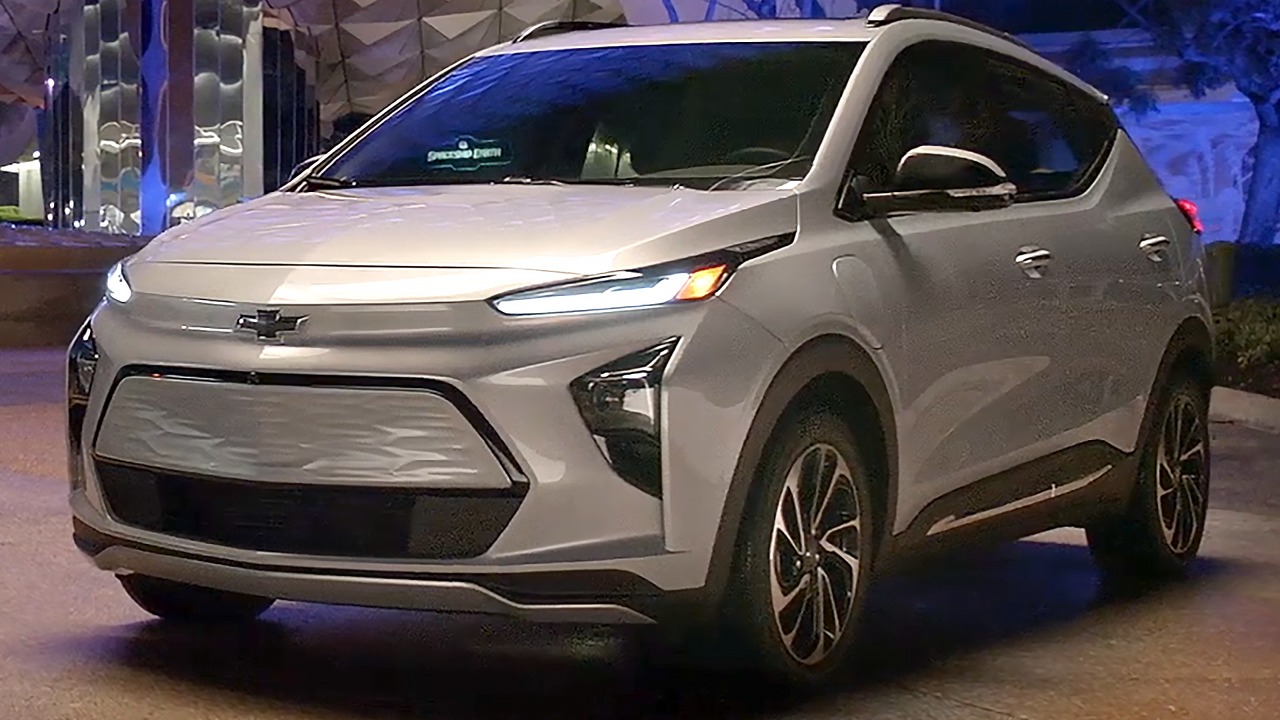
The strategic reset is not limited to abstract production targets, it is reshaping General Motors’ product lineup and factory map. The company plans to end Chevy Bolt EV production next year, retiring one of its most recognizable electric nameplates even as it keeps newer models like the Chevy Equinox and Chevy Blazer in the portfolio. Those crossovers are positioned as more mainstream offerings that can appeal to buyers who might otherwise choose a gasoline powered SUV, and they sit at the center of the company’s effort to make EVs a sustainable business rather than a loss leading showcase.
Manufacturing is being reconfigured in parallel. General Motors is moving a China made Buick model to a U.S. factory, a shift that reflects both political pressure to localize production and a desire to better align capacity with North American demand. The company is also working to cut material costs through larger battery modules and new chemistries, an effort that its finance leaders have described as essential to boosting EV profitability while volumes remain below earlier expectations. These moves suggest that the lower 2026 output is not simply a pause, but part of a broader attempt to rebuild the EV program on a more disciplined, regionally focused foundation.
Financial markets reward discipline despite heavy charges
Despite the sizable write downs and the forecast for reduced EV volumes, investors have not punished General Motors. The company’s stock has climbed to record levels, helped by upbeat overall results and a substantial share buyback plan that signals confidence in the underlying business. Executives have argued that the market still undervalues the company, pointing to strong cash generation from its conventional vehicle lineup and the flexibility created by trimming EV ambitions to match demand.
The contrast between headline losses and market reaction is striking. On paper, the Automaker has taken a $3.31 billion hit in its latest quarter from EV write downs and China restructuring, on top of $7.6 billion in production related charges and the roughly $6 billion impact tied directly to its EV pullback. Yet by confronting those costs now and resetting expectations for 2026, General Motors has given investors a clearer view of future earnings, including the headwinds it faces from lower EV volumes and potential emissions compliance costs. The company’s message is that a smaller, more profitable electric business is preferable to chasing scale at any price, and for the moment, markets appear to agree.
Balancing EV setbacks with broader sales momentum
The decision to scale back EV output comes even as General Motors posts solid overall sales performance in the United States. Earlier this month, the company reported that its fourth quarter U.S. sales slipped 6.9% from a year earlier to just over 703,000 vehicles, but full year 2025 sales still rose 5.5% to 2.85 m. That resilience in the core business has given management room to absorb EV related losses and to take a more measured approach to the transition without jeopardizing the company’s near term financial health.
Electric sales themselves have not been a complete disappointment. General Motors set a quarterly EV record with 66,501 deliveries in the third quarter of 2025, and it sold more than twice as many EVs in the United States as Ford over the full year. The company has also watched rivals adjust their own strategies, with Tesla preparing to discontinue the Model S and Model X by the end of the second quarter of 2026, a sign that even early leaders are pruning lineups as the market matures. Against that backdrop, General Motors’ plan to cut 2026 EV output looks less like a retreat from electrification and more like a recalibration, one that trades rapid expansion for a slower, more financially grounded path toward an electric future.
More from Fast Lane Only