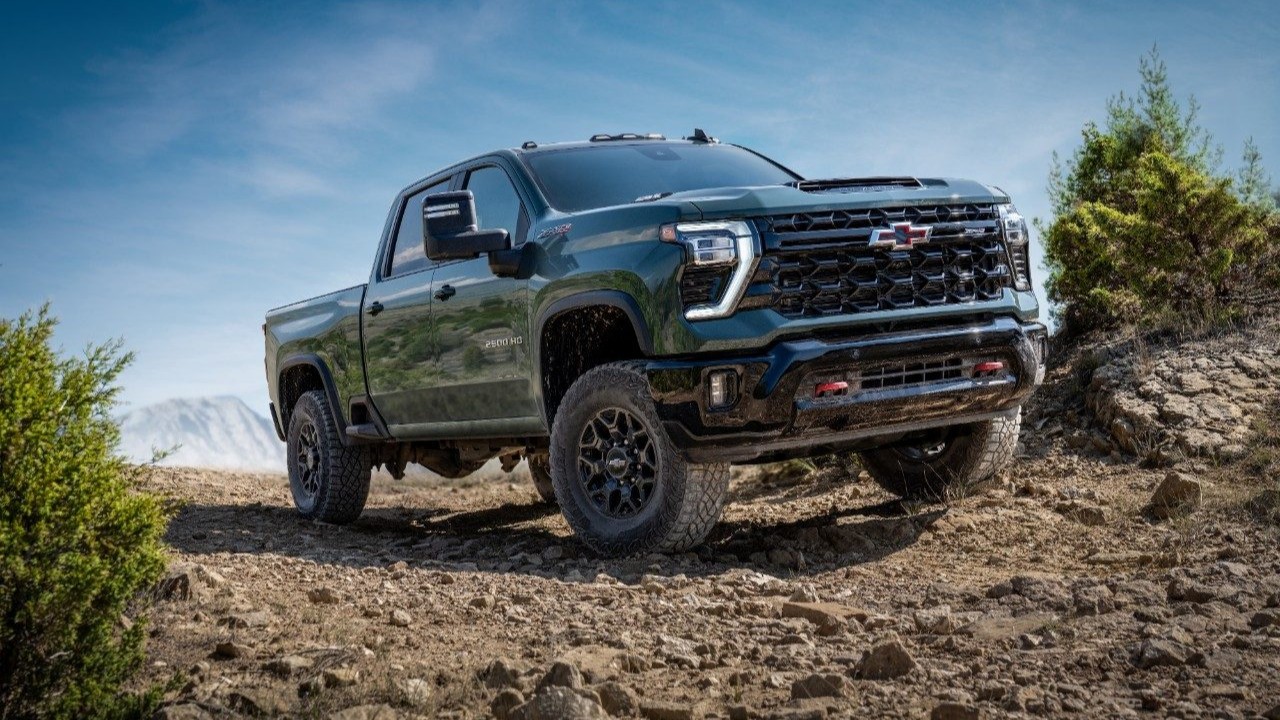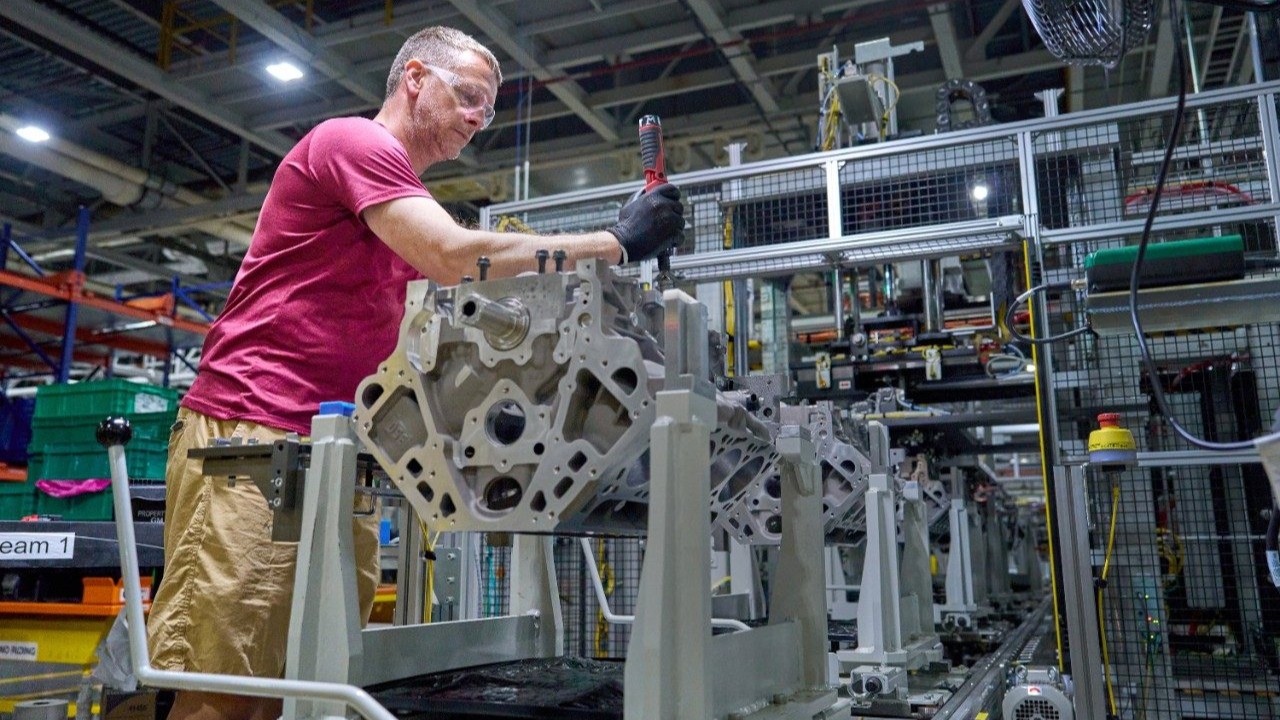
Two famous Chevrolet numbers are back on an engine spec sheet. On September 17, 2026, General Motors announced the sixth generation of its GM small-block V8, and its two truck engines displace 350 and 400 cubic inches. The bigger one makes 481 horsepower.
Both engines go into the 2027 Chevrolet Silverado 1500 and GMC Sierra 1500. GM says those trucks launch later in 2026. For anyone who grew up around a Chevy 350, the displacements alone make this more than a routine powertrain update.
Here is what GM announced, how the new engines compare with the ones they replace, and why the numbers carry so much history.
The new GM small-block V8 lineup: L76 and L78
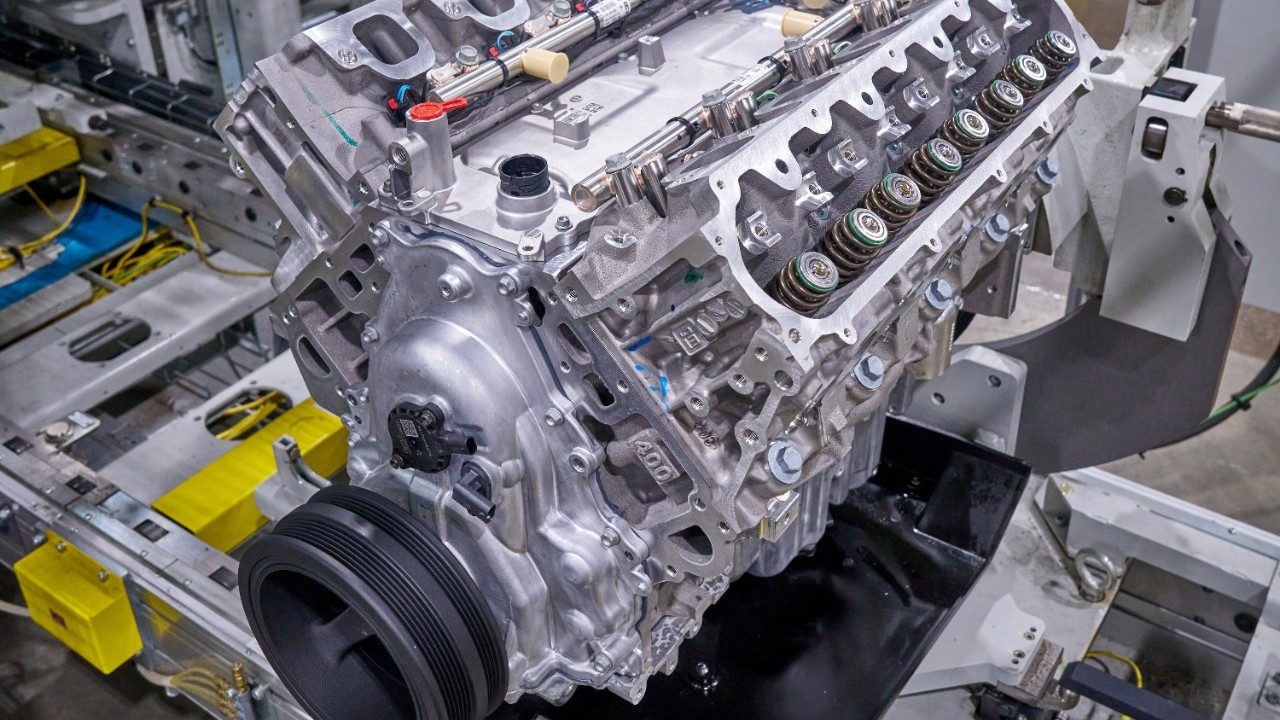
The smaller engine is the L76. According to GM’s announcement, it displaces 5.7 liters, or 350 cubic inches. GM rates it at 402 horsepower and 428 lb-ft of torque.
The larger engine is the L78. GM lists it at 6.6 liters, or 400 cubic inches, with 481 horsepower and 501 lb-ft of torque. In fact, GM calls it the most powerful naturally aspirated V8 available in the truck class, according to EngineLabs. That claim is GM’s own.
What changed inside
The basic layout stays familiar. EngineLabs reports that the engines keep a cam-in-block, two-valve pushrod design. GM also kept the 4.40-inch spacing between bore centers that the small-block has used since 1955.
Still, plenty is new. GM says the piston stroke grew by 6 millimeters, and the compression ratio went up. In addition, the engines combine direct injection with port injection. They also get a continuously variable oil pump and an oil cooler mounted on the engine, according to GM.
GM’s chief engineer for small-block engines, Tom Bishop, summed it up in the release. “These new V8 engines advance GM’s legendary Small Block architecture with greater capability, more advanced technology and the strength of GM’s manufacturing footprint behind them,” he said.
How the numbers compare
The jump over the outgoing engines is large. According to EngineLabs, the 5.3-liter V8 it replaces made 355 horsepower. Meanwhile, the old 6.2-liter made 420 horsepower. As a result, the new 5.7 makes 47 more horsepower than the old 5.3. The new 6.6, in turn, makes 61 more than the old 6.2.
Rival trucks are close behind, but behind. Corvette Blogger notes that Ram’s 5.7-liter Hemi makes 395 horsepower and 410 lb-ft. By comparison, Ford’s 5.0-liter V8 in non-Raptor F-150s makes 400 horsepower and 410 lb-ft. Corvette Blogger also lists Ram’s 6.4-liter Hemi at 470 horsepower and 455 lb-ft, below the L78 on both counts.
Turbocharged engines are a different fight. Corvette Blogger notes that Ford’s twin-turbo EcoBoost V6 makes 450 horsepower and 510 lb-ft. So the L78 wins on horsepower but falls just short on torque, at 501 lb-ft.
The Corvette gets a cousin, not these engines
The truck engines share their family with a new Corvette engine. EngineLabs says the 2027 Corvette gets the LS6, a 6.7-liter V8 of 409 cubic inches. It makes 535 horsepower and 520 lb-ft of torque, with a 13.0:1 compression ratio and forged pistons and rods.
EngineLabs adds that the LS6 breathes through a 95mm throttle body. It also reports that the truck engines are already in production, while the LS6 arrives with the 2027 Corvette.
However, the L76 and L78 are truck engines. GM’s release names only the Silverado 1500 and Sierra 1500 for them.
Why 350 and 400 matter
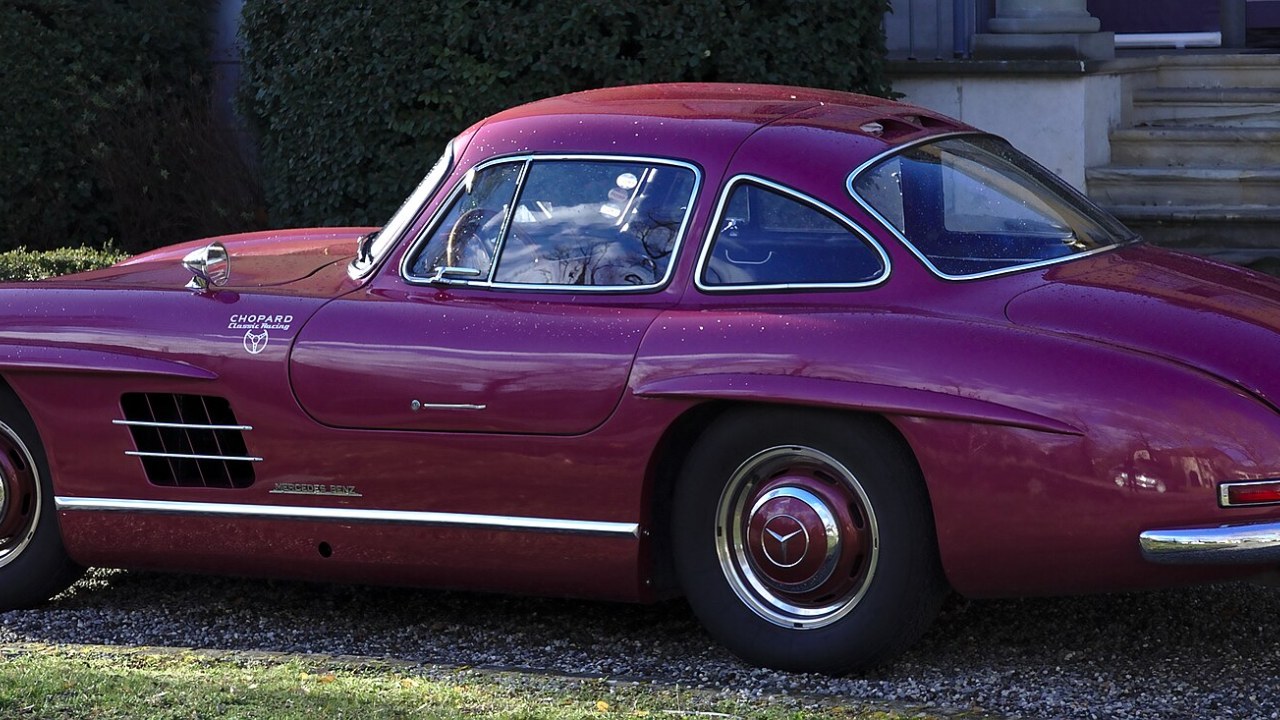
These numbers have a past. According to OnAllCylinders, Chevrolet introduced the original small-block in 1955 for the Corvette and Bel Air. That first engine displaced 265 cubic inches.
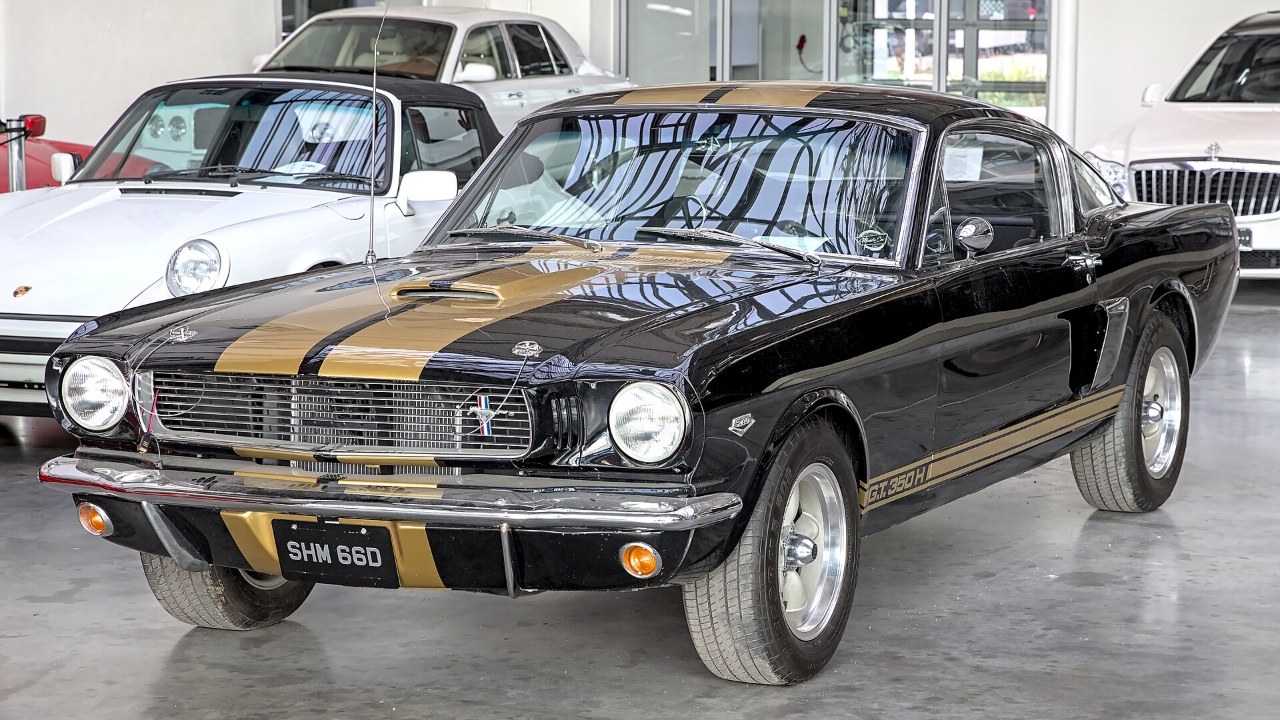
Then the 350 arrived in 1967 as an option for the Camaro, the same source says. Later, the 400 debuted in 1970 as the largest member of the original small-block family, and it was known more for torque. Now GM has returned to both displacements with a modern design.
The 265 came in three versions the following year, OnAllCylinders notes. Through every change since, the same source says the core recipe held: eight cylinders in a 90-degree V, a single cam with pushrods, and 4.4-inch bore spacing. The new engines keep the pushrods and the bore spacing, according to GM and EngineLabs.
Where GM will build them
GM says production will run at three plants: Flint Engine Operations, Tonawanda Propulsion in New York and St. Catharines Propulsion in Canada. The company is putting $888 million into Tonawanda and C$691 million into St. Catharines.
Those plants carry a long run forward. According to GM, it has built more than 100 million small-block V8s since the architecture first went into production in 1955.
More from Fast Lane Only
- Unboxing the WWII Jeep in a Crate
- 15 rare Chevys collectors are quietly buying
- 10 underrated V8s still worth hunting down
- Police notice this before you even roll window down
This article was created with the help of AI and was reviewed and edited by Fast Lane Only editors before publication.