A hardtop convertible promises the best of both worlds: a coupe’s snug metal roof and an open car’s sunshine, all at the push of a button. The catch comes later, when motors, seals, switches and hydraulic lines start to age. On a mainstream car, that repair bill can outrun what the car is worth. These seven are our picks of retractable hardtops we would happily drive but would not restore. The verdict is our opinion, while every fact behind it is on the record.
1. 2008 Chrysler Sebring Hardtop Convertible

Chrysler redesigned the Sebring convertible for 2008 and offered three roofs: vinyl, cloth and a retractable metal top. The hardtop folded into the trunk under a power tonneau cover. Better yet, an owner could lower it with the key fob without anyone in the car. Karmann made the roofs. Meanwhile, engines ranged from a 2.4-litre four to a 3.5-litre V6. That is a lot of clever hardware on a mid-priced family convertible. In our view, a restoration budget belongs elsewhere.
2. 2008 Pontiac G6 GT Convertible

The G6’s roof is a case study in ambition. According to The Autopian, its mechanism uses eight microswitches, five hydraulic cylinders and 13 diagnostic trouble codes. It took 34 seconds to fold and 30 to raise. Some of its parts have since gone out of production, too. Supplier sources quoted in the same story said early roofs fell well short of their durability target. For 2008, the GT ran a 3.5-litre V6 rated at 217 hp. We like the idea, but we would not take on the restoration.
3. Volkswagen Eos

The Eos packs a five-piece folding roof with its own glass sunroof, and it folds in about 25 seconds. That is clever engineering, but it relies on hydraulics and a lot of rubber seals. Autocar’s buying guide warns about perished seals and blocked drains that let water reach the roof controller and the pump in the boot. It also says a replacement roof can cost up to £9,000, although that is rarely needed. Volkswagen built 231,863 of them, so parts cars exist. Even so, we would buy a good one rather than rescue a bad one.
4. Peugeot 206 CC
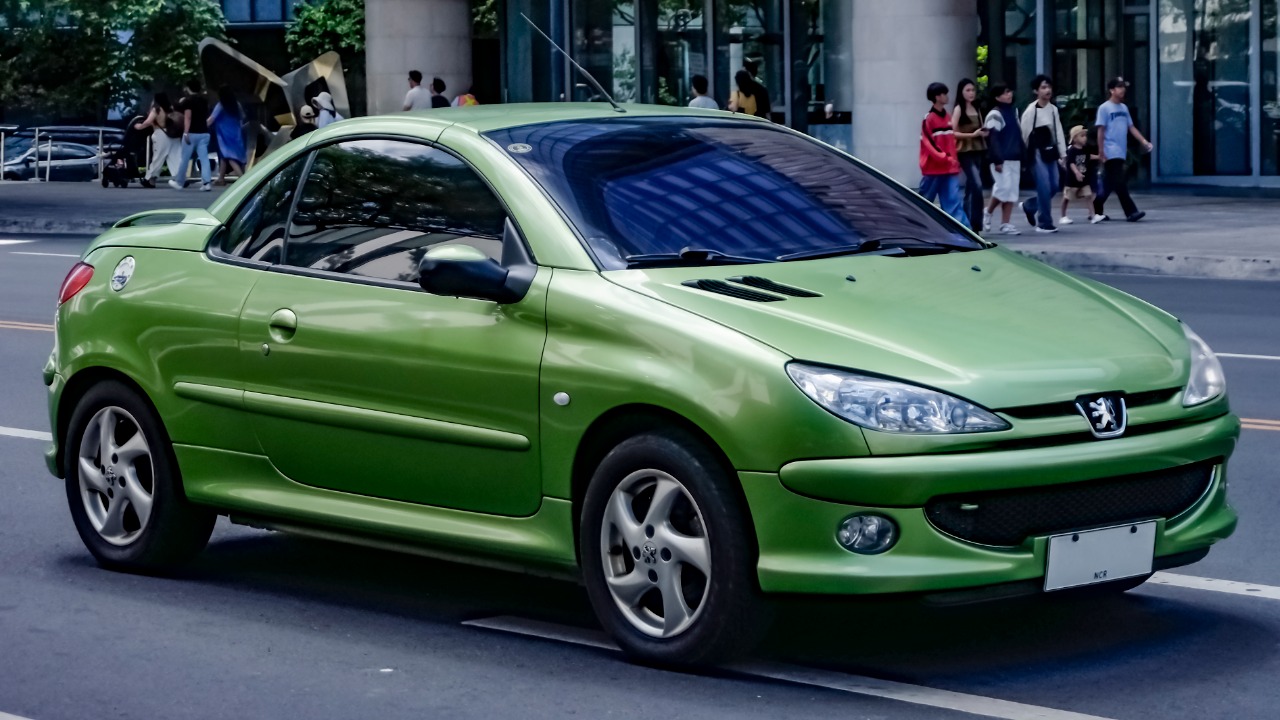
The 206 CC brought a folding steel roof to the small-car class when it arrived in 2000. Peugeot had history here, since the idea traces back to Georges Paulin’s system on the 1935 Peugeot 402 Eclipse. The CC rode on the 206, the best-selling Peugeot of all time, with more than 8.3 million sold by 2012. That popularity is exactly the problem for a restorer. With that many 206s built, we would rather find a tidy CC than rebuild a tired one.
5. 2006 Nissan Micra C+C

The Micra C+C had a neat trick, because its folding roof is glass. Nissan showed the car at the 2005 Frankfurt show, and Karmann made the roof, so the cabin stays bright with the top up. However, Top Gear later named the C+C on its 2013 list of the 13 worst cars of the previous 20 years. A glass roof, a small car and a niche body style make a tough case for a full restoration. We would enjoy one as it is and leave it there.
6. Ford Focus Coupe-Cabriolet

Ford gave its Focus a two-piece retractable hardtop and sent it to Italy, where Pininfarina handled final assembly in Turin. It debuted at Geneva in February 2006 and went on sale that October. When Ford facelifted the range in 2008, the coupe-cabriolet got the new front end but kept its old side and rear panels. That Italian connection is a nice story. Underneath, though, it is a Focus, and a roof this complex is a big job on a car with Focus values. We would drive one, not rebuild one.
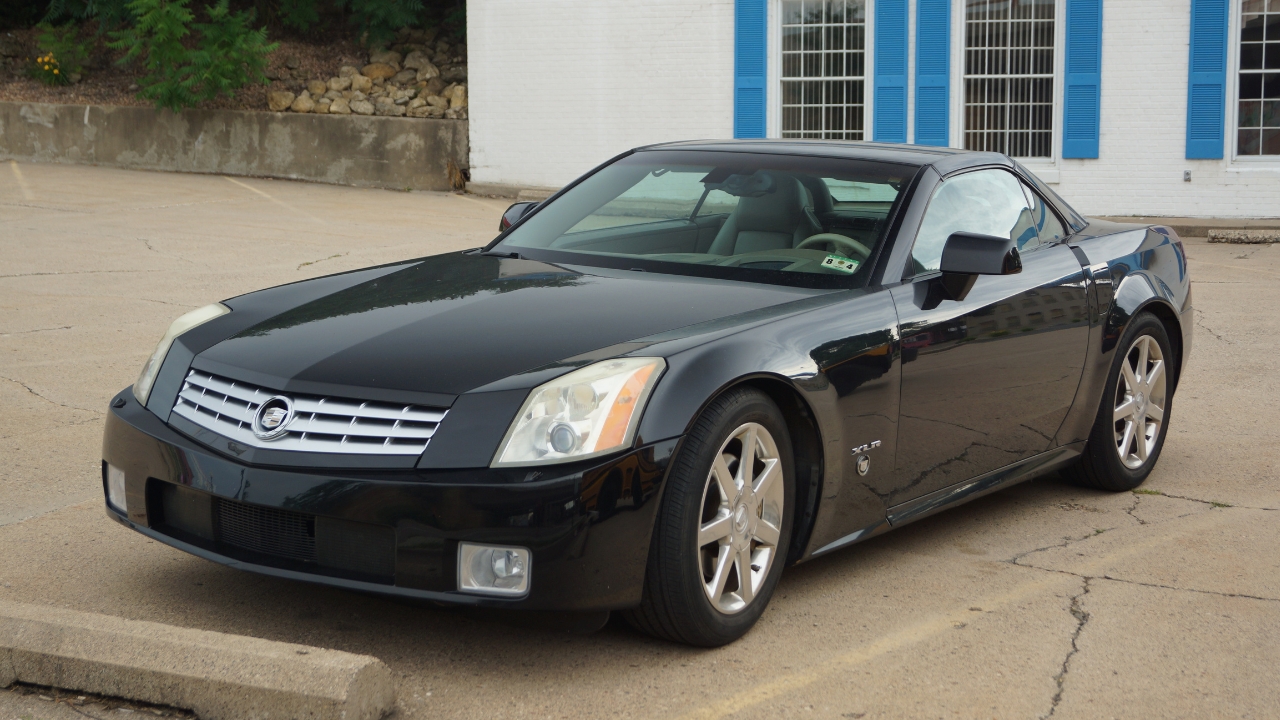
7. 2005 Cadillac XLR

The XLR is the fanciest car here, which makes it the hardest call. It shared much of its structure with the C6 Corvette and came from a dedicated station beside the Corvette line in Bowling Green, Kentucky. A 4.6-litre Northstar V8 made 320 hp, and Magna supplied the power hardtop. GM also put a retractable roof on the Chevrolet SSR pickup in the same era. In our view, the Northstar and the roof together make a full restoration a gamble. Cadillac built 15,460 XLRs in all, with prices that started at $75,385.
More from Fast Lane Only