Car insurance is a necessity for drivers across the United States, but the rules and costs associated with it can vary significantly from one state to another. Understanding these differences is crucial for both new and experienced drivers to ensure they have the right coverage. Exploring the factors that lead to these variations can help drivers be aware of key considerations when moving or traveling across state lines.
State-Mandated Minimum Coverage
Each state in the U.S. establishes its own minimum requirements for car insurance, particularly focusing on liability coverage, which includes bodily injury and property damage limits. For instance, California requires a minimum of $15,000 per person and $30,000 per accident for bodily injury liability, along with $5,000 for property damage. In contrast, Maine mandates $50,000 per person and $100,000 per accident for bodily injury, with a $25,000 property damage limit. These differences underscore how state governments tailor insurance requirements to reflect local conditions and priorities, such as traffic density and accident rates.
The role of state governments in setting these minimum coverage levels cannot be overstated. They take into account various factors like average medical costs, vehicle repair expenses, and even the legal environment. This regulatory framework is designed to ensure that drivers have a base level of financial protection in the event of an accident, while also considering the economic realities of the state’s residents.
Minimum coverage requirements directly impact insurance premiums and consumer protection. In states with higher minimums, drivers may face higher premium costs, but they also benefit from more comprehensive protection in accidents. Conversely, states with lower minimum requirements may offer cheaper premiums, but this can leave drivers vulnerable if an accident incurs costs beyond their policy limits. Therefore, understanding these requirements is essential for drivers to make informed insurance choices.
No-Fault vs. At-Fault States

In the U.S., car insurance systems are broadly categorized into no-fault and at-fault systems, each influencing the claims process differently. In a no-fault system, each driver’s insurance pays for their own injuries and damages, regardless of who caused the accident. States like Florida and Michigan operate under this system, aiming to streamline claims and reduce litigation. However, these states often require personal injury protection (PIP) coverage, which can increase premiums.
Conversely, in at-fault states, the driver who caused the accident is responsible for covering the damages. California and Texas are examples of at-fault states, where the determination of fault plays a critical role in the claims process. This system can lead to more disputes and legal actions, as drivers and insurers seek to establish liability.
Both systems have their pros and cons. No-fault insurance can expedite claims and reduce lawsuits, but it may also lead to higher premiums due to mandatory PIP coverage. On the other hand, at-fault systems can result in lower premiums but might involve lengthy legal processes. Understanding the system in your state is crucial, as it not only affects the type of coverage you need but also how smoothly you can resolve claims.
Factors Influencing Premium Rates

Several factors influence car insurance premium rates across different states, with geographical considerations playing a significant role. Population density, for instance, is a key determinant; urban areas with heavy traffic, like New York City, typically have higher premiums due to increased accident risks. Similarly, states prone to severe weather events, such as hurricanes in Florida or tornadoes in Oklahoma, often see higher rates as insurers account for potential vehicle damage from natural disasters.
State-specific regulations, taxes, and fees also contribute to the variation in insurance costs. Some states impose additional surcharges or assessments on insurance policies, which can significantly affect premiums. For example, New Jersey has various surcharges that fund state programs, while California’s Proposition 103 mandates that insurers seek approval before implementing rate changes, potentially stabilizing costs.
Accident and theft rates within a state further influence premium calculations. States with higher accident rates, like Louisiana, often experience elevated insurance costs. Similarly, areas with high vehicle theft rates see higher premiums, as insurers anticipate increased claims. Understanding these factors can help drivers navigate the complexities of insurance pricing and find the best coverage options for their needs.
Additional State-Specific Insurance Requirements
Beyond standard liability coverage, some states mandate additional forms of insurance protection. For example, states like New York and Illinois require uninsured/underinsured motorist coverage, which protects drivers from accidents involving drivers without adequate insurance. This type of coverage is crucial in states with high rates of uninsured drivers, offering peace of mind despite potentially higher premiums.
Personal Injury Protection (PIP) is another requirement in several states, particularly in no-fault states like Florida and Michigan. PIP covers medical expenses and lost wages regardless of fault, providing valuable protection but also contributing to higher insurance costs. Drivers in these states should carefully evaluate the benefits of PIP coverage against their premium costs to ensure adequate protection without overpaying.
Some states have unique insurance requirements that address specific risks or populations. For instance, high-risk drivers in North Carolina may be required to obtain coverage through the North Carolina Reinsurance Facility, which can result in higher premiums. Similarly, states like Massachusetts have specific mandates for insuring special vehicle types, such as motorcycles or commercial vehicles. Awareness of these requirements can help drivers maintain compliance and secure the necessary protection.
Considerations for Drivers Moving Between States
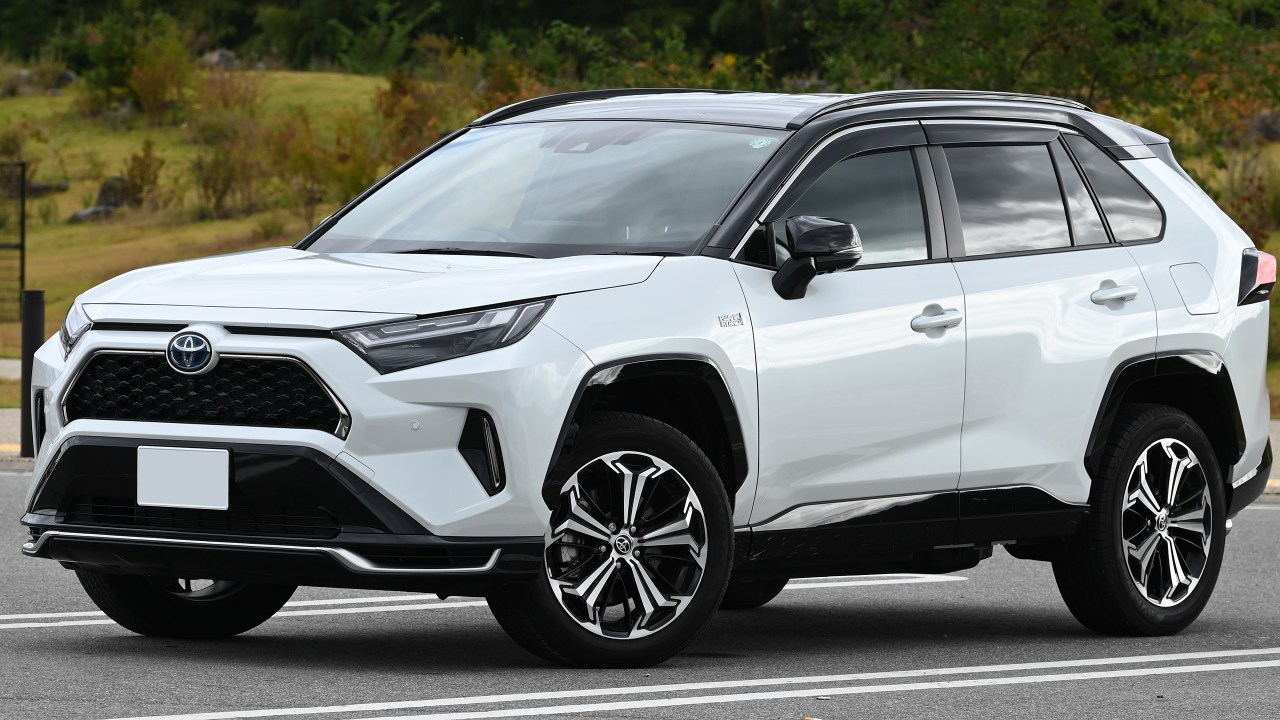
Relocating to a new state involves several insurance-related considerations. Drivers must update their insurance policies to reflect their new residence, as state laws and coverage requirements can vary significantly. It’s essential to contact your insurance provider promptly to ensure continuous coverage and compliance with local regulations.
Transitioning insurance coverage between states can pose challenges and incur additional expenses. Some states may require new policies to be issued, while others might necessitate adjustments to existing coverage limits. Additionally, moving to a state with higher insurance costs could lead to increased premiums, impacting your budget.
To navigate these changes effectively, drivers should shop around for the best insurance deals when moving to a different state. Comparing quotes from multiple insurers can help identify competitive rates and suitable coverage options. Additionally, consider seeking discounts for bundling policies or maintaining a good driving record, as these can mitigate potential cost increases associated with relocating.