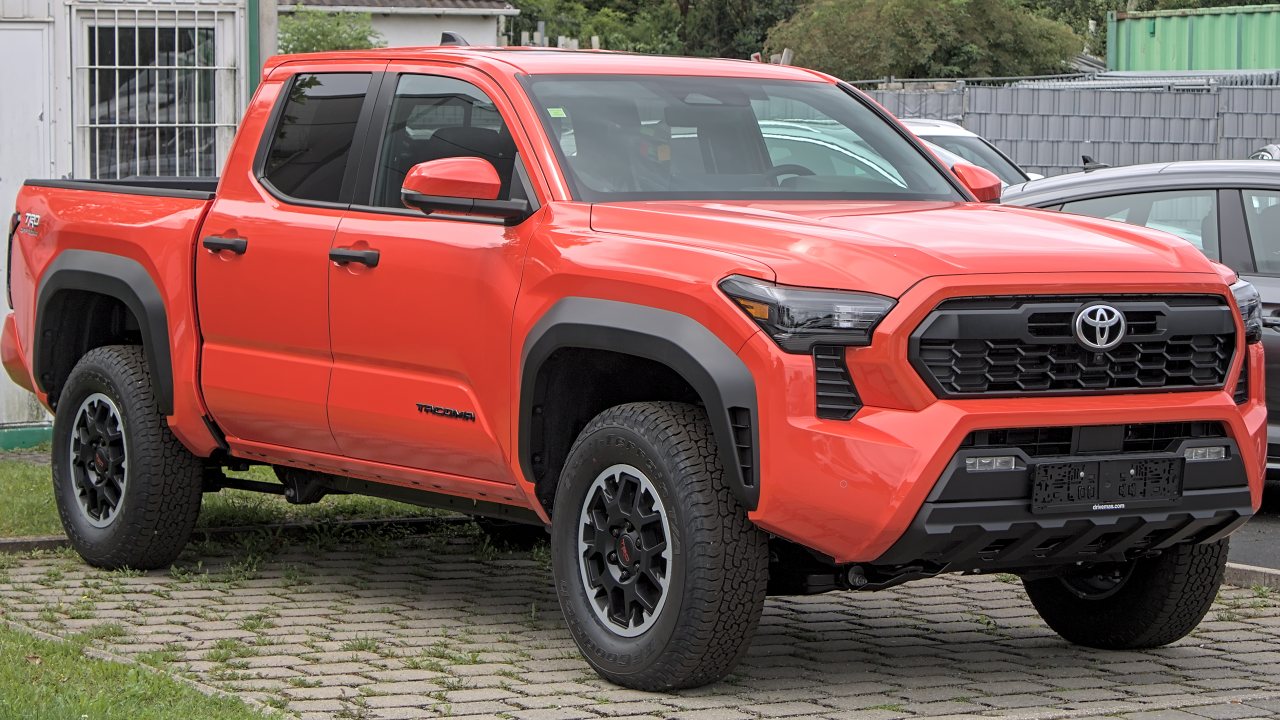
The climate in which a vehicle operates can significantly influence its long-term ownership costs. From affecting fuel efficiency to accelerating wear and tear, diverse climate conditions present unique challenges and expenses for car owners. Exploring the various ways climate impacts these costs offers valuable insights for potential and current car owners.
Impact of Temperature Extremes on Vehicle Maintenance
Cold Climates
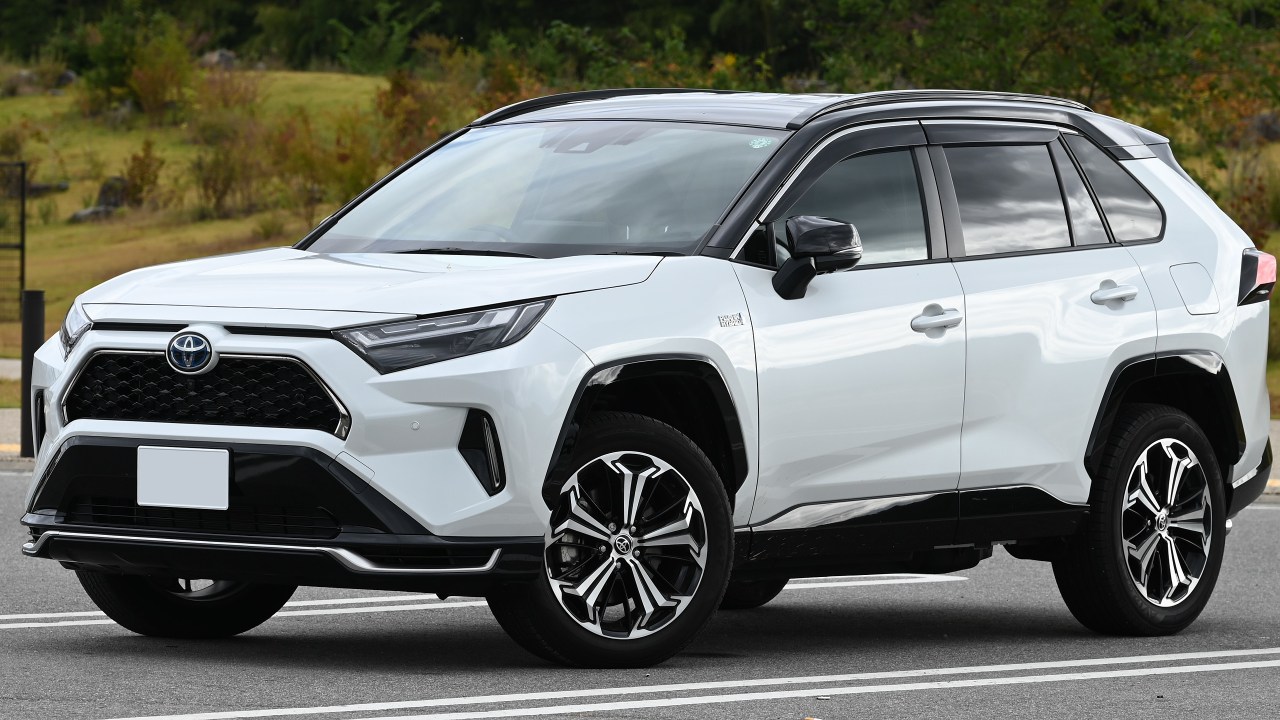
In cold climates, vehicles face numerous challenges that can increase maintenance costs over time. Cold starts are a prime example, as they can lead to increased engine wear. When temperatures drop, engine oil thickens, which means the engine has to work harder to circulate it efficiently. This added strain can result in faster engine wear and tear. For instance, drivers in regions like Minnesota or Alaska may find themselves needing more frequent oil changes or engine tune-ups during the winter months.
Additionally, cold climates often necessitate the use of specialized tires, such as winter tires, which are designed to provide better traction on snow and ice. These tires can be more expensive than standard all-season tires, adding to the overall cost of vehicle ownership. Furthermore, antifreeze formulations suitable for lower temperatures may be required to prevent the engine and cooling system from freezing, adding another layer of expense.
Hot Climates
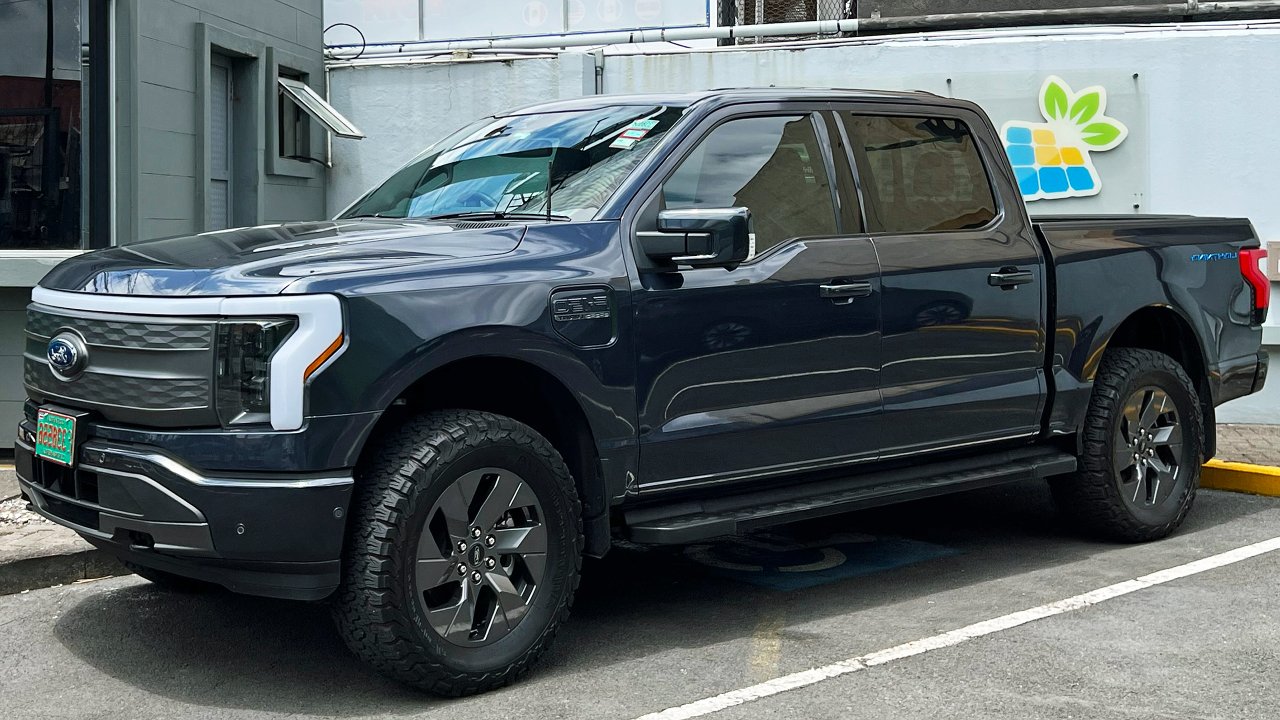
Conversely, vehicles in hot climates face their own set of challenges. The demand on the cooling system and air conditioning is significantly greater in places like Arizona or Nevada, where summer temperatures can soar above 100 degrees Fahrenheit. The air conditioning system not only consumes more fuel but also requires regular maintenance to ensure its efficiency and longevity. A malfunctioning cooling system in such climates can lead to engine overheating, which can result in costly repairs.
High temperatures also accelerate the degradation of tires and interiors. The intense heat can cause tires to expand and wear out more quickly, while the sun’s UV rays can fade and crack dashboards and upholstery. Car owners in hot climates might find themselves frequently replacing tires and investing in sunshades or tinted windows to protect their vehicle’s interior.
Influence of Humidity and Precipitation
High Humidity Areas
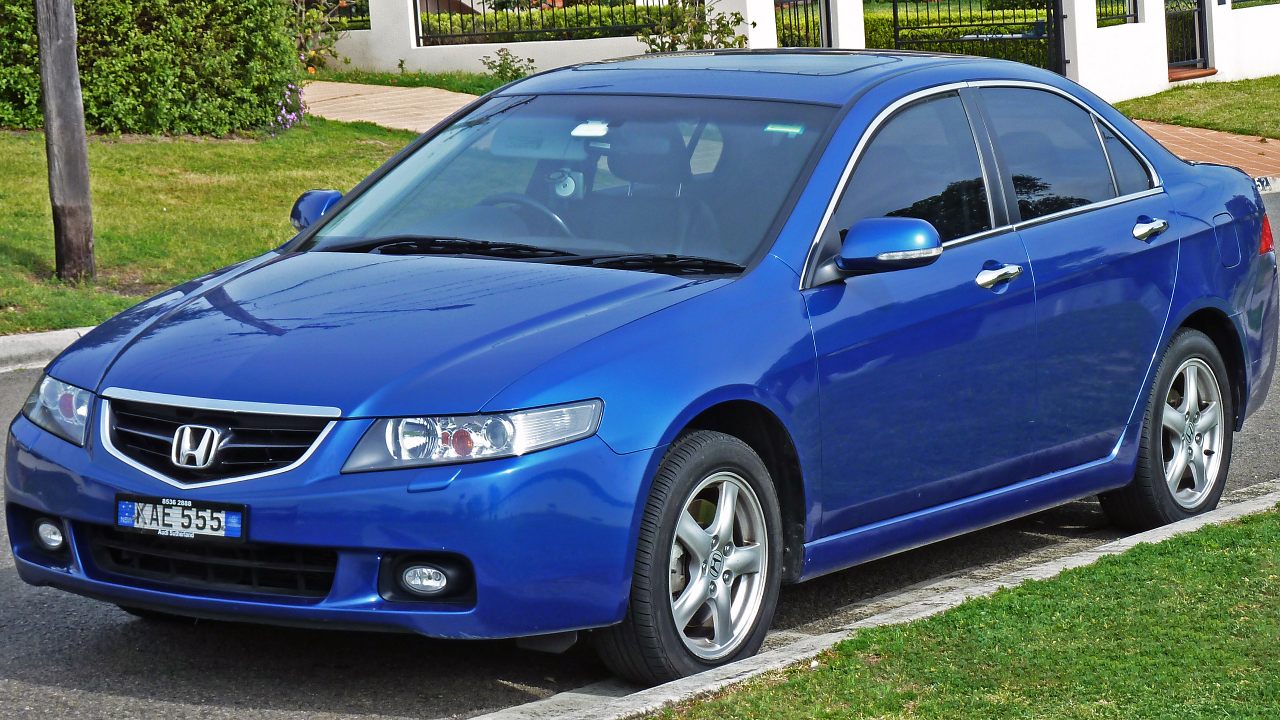
High humidity levels, particularly in coastal regions such as Florida or Hawaii, can wreak havoc on a vehicle’s body. The increased moisture in the air accelerates rust and corrosion, especially in areas like the undercarriage and wheel wells. Salt in the air, combined with humidity, can further exacerbate this issue, leading to significant body damage over time.
Moreover, high humidity can affect a vehicle’s interior, promoting the growth of mold and mildew. This not only creates an unpleasant odor but can also result in the deterioration of fabric and other materials inside the car. Regular cleaning and the use of dehumidifying products can help mitigate these issues, though they add to the overall maintenance cost.
Rainy and Snowy Conditions
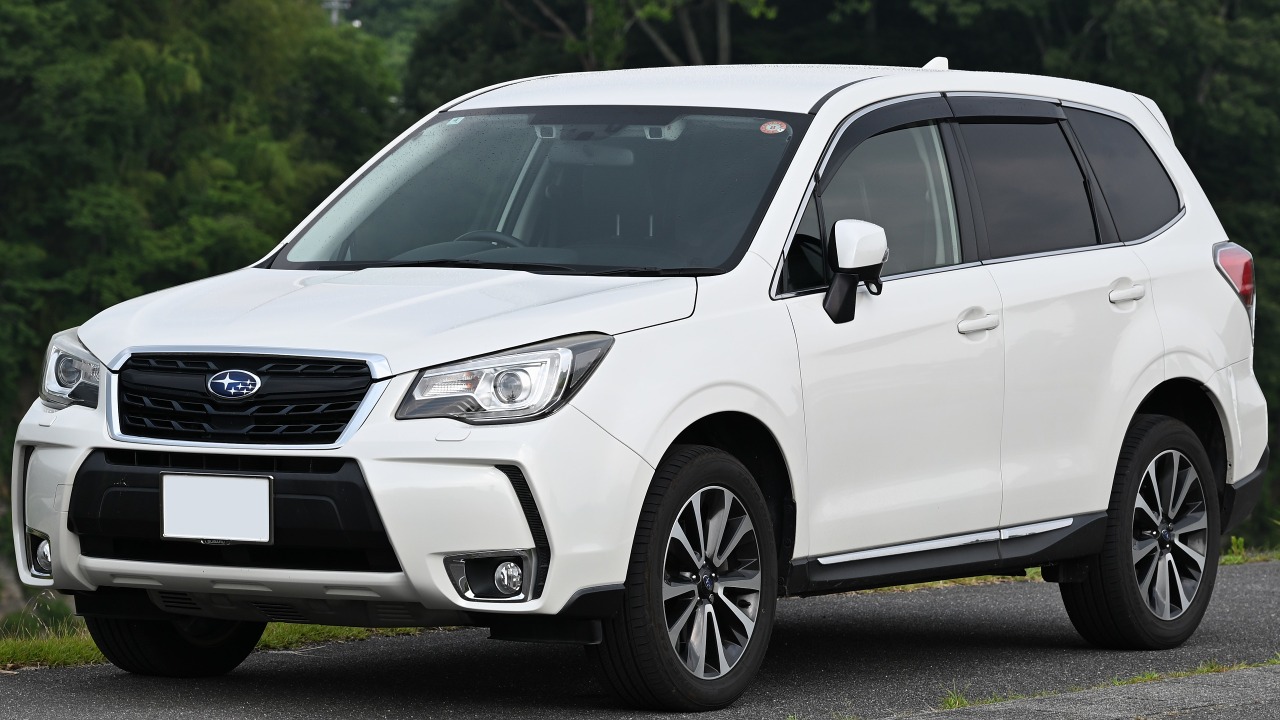
In regions with frequent rain or snow, such as the Pacific Northwest or the Northeastern United States, vehicles are subjected to additional stress. Brakes and suspension systems often require more frequent maintenance due to the harsh conditions. Water, combined with road salt used for de-icing, can lead to faster wear and corrosion of these critical components.
Furthermore, the need for regular car washes and undercarriage cleaning to prevent rust becomes more pronounced. This routine maintenance is essential to preserving the vehicle’s longevity but represents an ongoing cost that car owners in drier climates might not face as often.
Effect of Seasonal Changes
Winter Impacts
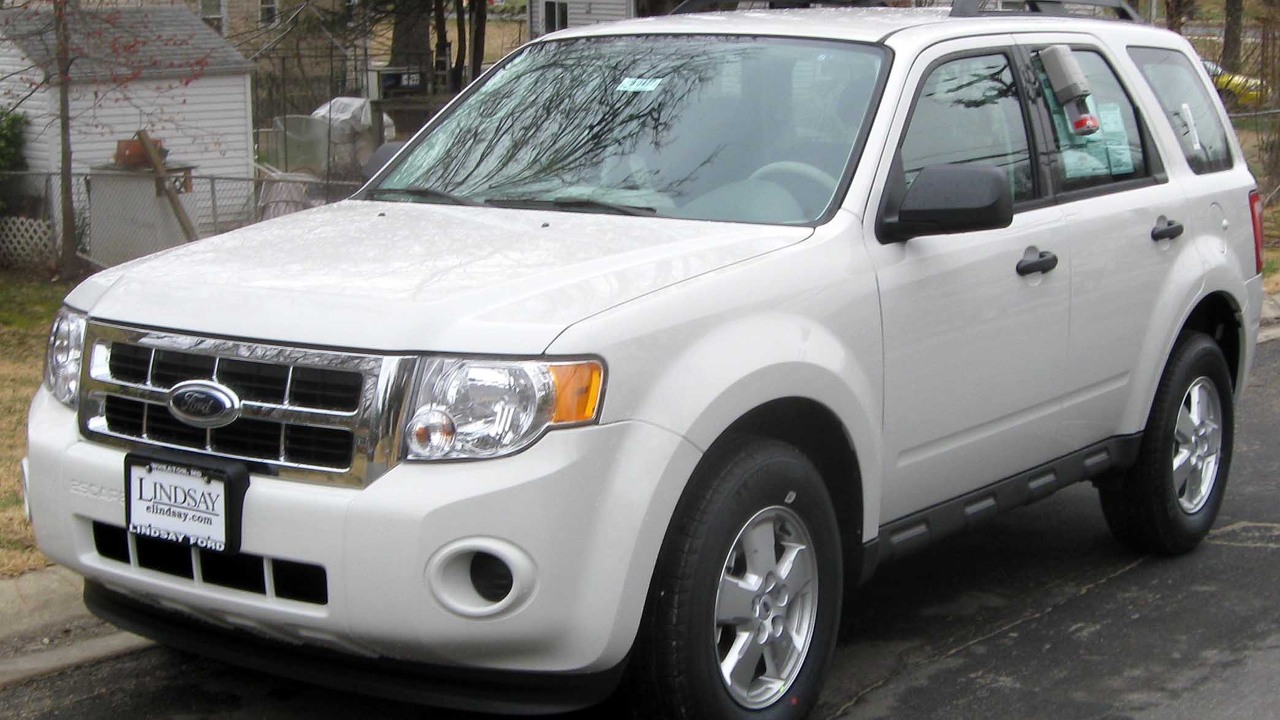
Winter brings its own set of challenges for vehicle owners. Winterizing a vehicle is a common practice in colder regions and involves preparing the car for freezing temperatures. This includes installing winter tires, ensuring the antifreeze is up to par, and checking the battery, as cold weather can significantly reduce its efficiency.
Additionally, winter conditions often lead to increased insurance premiums due to a higher incidence of accidents on icy roads. Insurance companies may also consider the likelihood of weather-related claims when determining rates, making it crucial for car owners to invest in comprehensive coverage during these months.
Summer Impacts

During summer, the focus shifts to maintaining the vehicle’s cooling system. The use of air conditioning becomes essential, leading to increased fuel consumption. In regions with extreme heat, such as parts of Texas, the air conditioning system may need more frequent servicing to ensure it operates efficiently throughout the season.
The added load on the engine and cooling system can also lead to increased wear, necessitating regular checks and maintenance. These seasonal needs highlight the importance of tailoring vehicle maintenance to accommodate changing weather conditions.
Long-term Financial Implications
Depreciation and Resale Value

Climate-related wear and tear can have a significant impact on a vehicle’s depreciation and resale value. Cars exposed to harsh weather conditions, whether it be extreme heat, cold, or humidity, may show signs of aging more quickly. This can lead to a reduced resale value when it comes time to sell or trade in the vehicle.
Selecting a vehicle designed to withstand specific climate conditions can help mitigate these effects. For instance, choosing a model like the Subaru Outback with features such as all-wheel drive and heated seats can be beneficial in cold climates, while a car with robust air conditioning and UV-resistant windows might be more suitable for hot areas.
Insurance and Safety Costs

Climate plays a crucial role in determining insurance rates. Regions prone to severe weather conditions often see higher rates due to the increased risk of weather-related claims. For example, areas with frequent hailstorms may require comprehensive coverage to protect against damage.
Investing in safety features, such as advanced driver-assistance systems (ADAS), can help offset some of these risks. These technologies, which include features like automated braking and lane departure warnings, can reduce the likelihood of accidents and, in turn, help lower insurance premiums over time.
Strategies for Mitigating Climate-Related Costs
Preventative Maintenance Tips
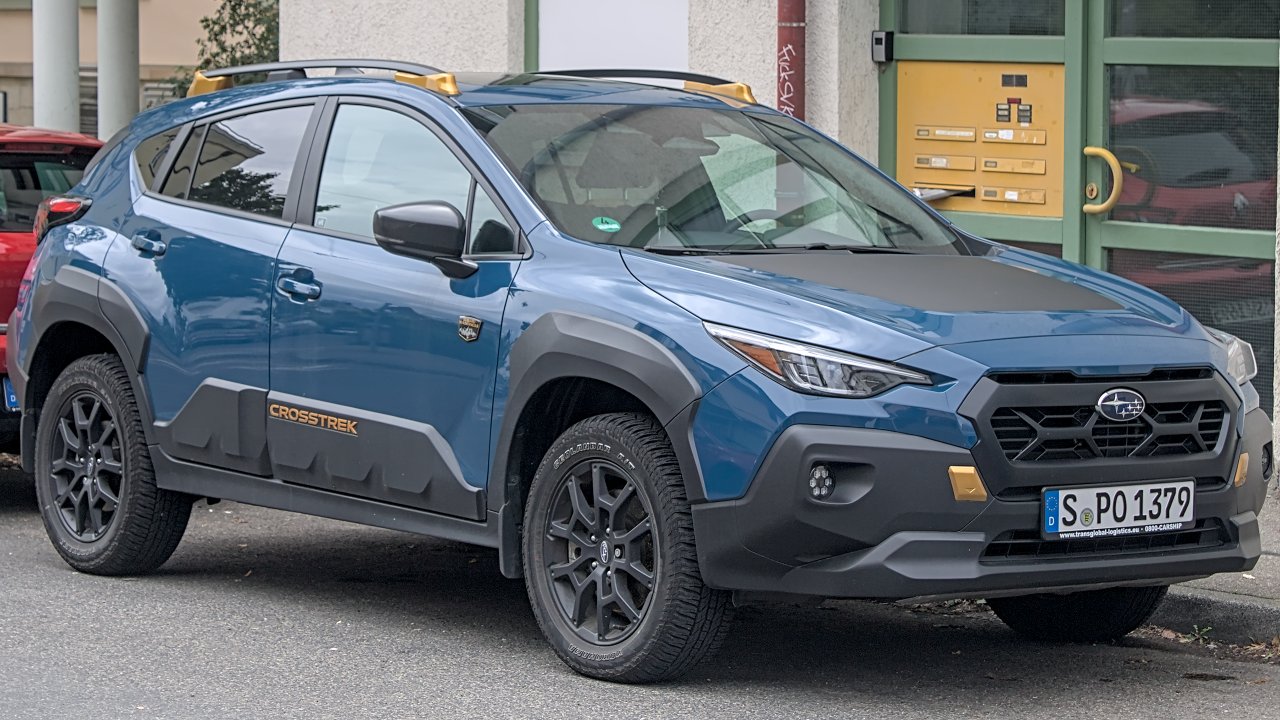
Regular maintenance tailored to specific climatic conditions is essential for minimizing long-term costs. For example, in humid areas, applying rust-proofing treatments and regularly inspecting the car for signs of corrosion can prevent costly repairs down the line. Similarly, in hot climates, ensuring the cooling system is in top condition can prevent overheating and engine damage.
Using quality parts and materials designed for extreme weather also plays a critical role in vehicle longevity. Investing in high-quality tires, batteries, and fluids that are suitable for the local climate can save money in the long run by reducing the frequency of replacements and repairs.
Vehicle Selection and Customization
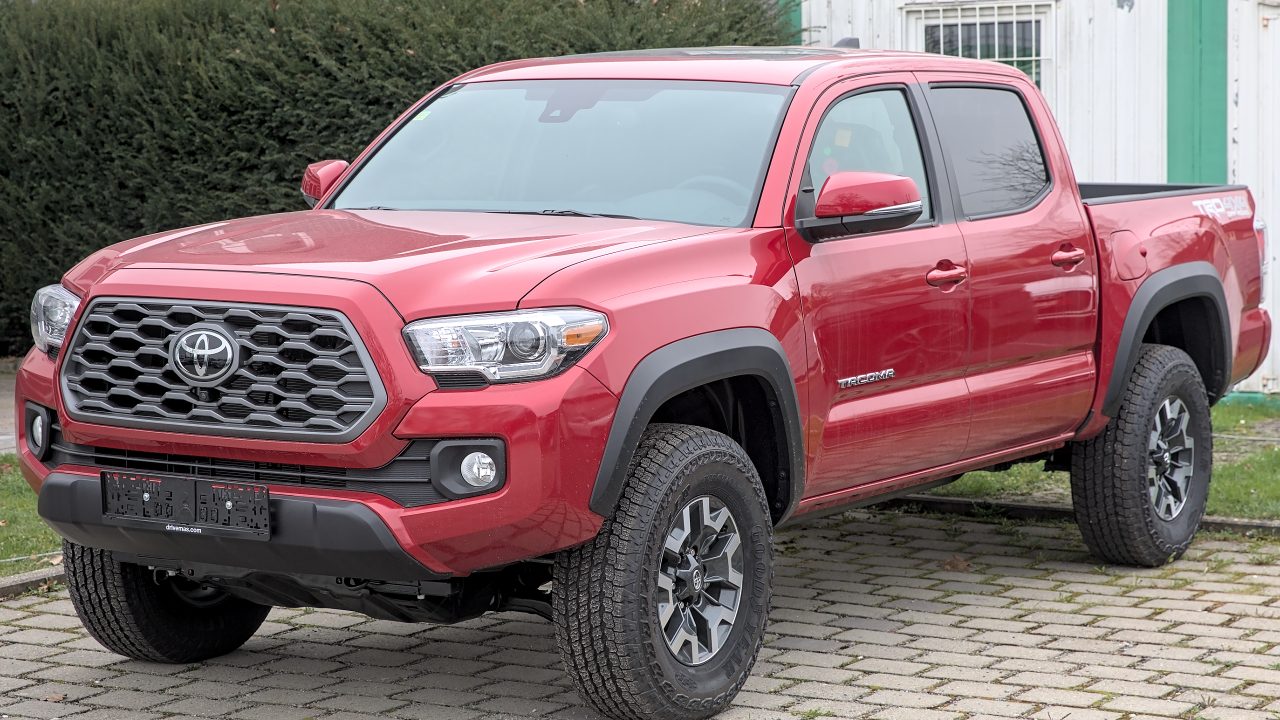
Choosing a vehicle with features suited for particular climates can make a significant difference in ownership costs. For instance, vehicles with built-in rust protection or enhanced cooling systems are better equipped to handle harsh conditions and may require less maintenance.
Aftermarket modifications can further enhance a vehicle’s resilience. Installing window tints, protective coatings, or specialized tires can help protect the vehicle from weather-related wear and tear, ultimately preserving its value and reducing long-term expenses.