By the mid 1970s, Chevrolet was under pressure to make its cars smoother, quieter, and easier to live with day to day, not just quicker in a straight line. Instead of a single headline-grabbing breakthrough, the company leaned on dozens of small engineering tweaks that collectively made its 1976 lineup more pleasant to drive. From axle ratios and engines to insulation and batteries, the improvements were incremental, but they added up to a very different experience behind the wheel.
Looking across the 1976 range, I see a pattern of quiet refinement: drivetrains tuned for relaxed cruising, compact cars reworked for better noise and vibration control, and even big luxury sedans updated to reduce maintenance headaches. The result was a year in which Chevrolet and its corporate siblings nudged American cars toward a calmer, more efficient kind of everyday usability.
Highway gearing and the art of relaxed cruising
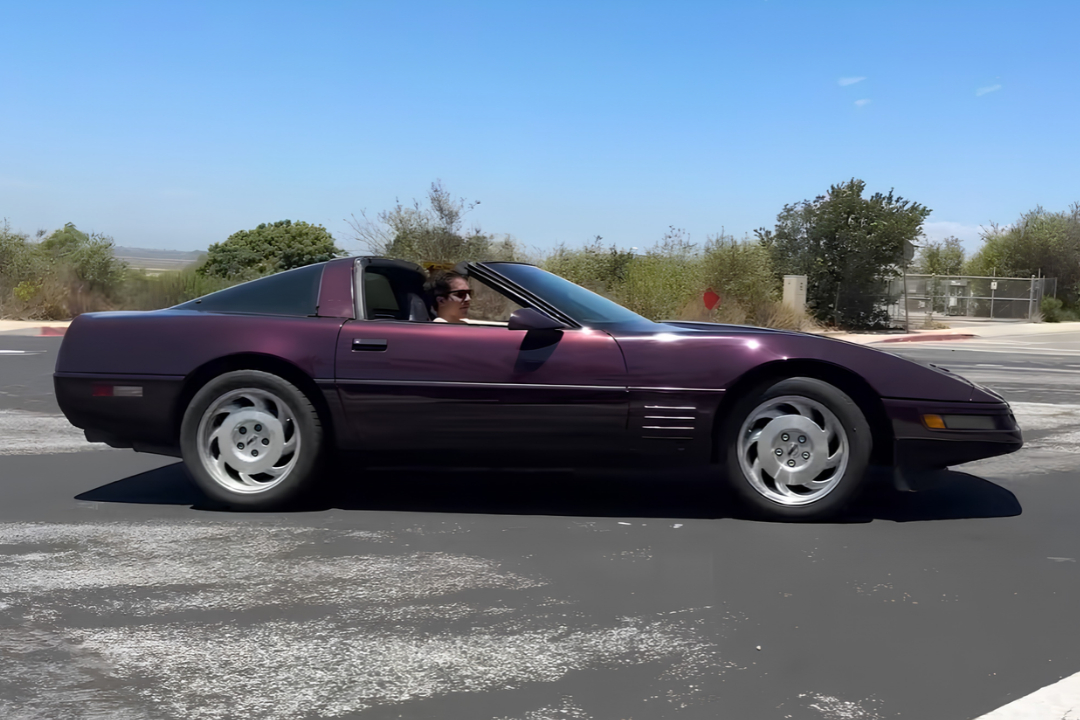
One of the most straightforward ways Chevrolet improved drivability in 1976 was by changing how hard the engines had to work at typical road speeds. Instead of chasing only off-the-line punch, engineers leaned into taller gearing that let the cars lope along with lower revs on the open road. The 1976 Corvette, for example, offered a specific Highway rear axle ratio, described as a lower than standard ratio designed to cut engine speed and improve efficiency. That choice did not transform the car into an economy special, but it did make long-distance driving less tiring, with less noise and strain from the V8 at cruising speeds.
This kind of gearing strategy filtered through the broader Chevrolet and General Motors portfolio, especially as the company introduced new small-block variants. The Chevy 305 small block, which General Motors brought out in 1976 as a more efficient V8, was explicitly designed to deliver better fuel economy than the larger 350 while still feeling familiar to drivers. Paired with appropriate axle ratios, the 305 allowed mid-size and personal luxury models to cruise with less thirst and a smoother, less frantic character. Even when enthusiasts focused on peak horsepower, these gearing and displacement decisions quietly reshaped how the cars felt in everyday use, especially on the highway where most owners spent their time.
From Vega’s hard lessons to a more refined compact experience
Chevrolet’s compact strategy in the early 1970s revolved around the Chevrolet Vega, a car that promised modern engineering but quickly developed a reputation for harshness and durability problems. Reporting on a preserved example notes that the Vega, often referred to as Chevy Vega, became known for reliability issues, noise, vibration, and a tendency to overheat. Those flaws were not just mechanical embarrassments, they were daily irritations that made the car feel crude compared with what buyers expected from an American brand. By 1976, Chevrolet was trying to dig out of that hole with a sweeping set of changes.
For the 1976 model year, Chevrolet claimed 300 changes to the Vega, including a facelift with a revised header panel carrying a Chevy bowtie emblem, a wider grille, and other detail updates. Under the skin, the company addressed some of the most painful drivability complaints by introducing a revised four cylinder marketed as the Dura-Built 140. That engine featured improved coolant pathways and a redesigned cylinder head with quieter hydraulic valve lifters, along with a new water pump, head gasket, and thermostat. The goal was not just to keep the engine alive longer, but to tame the noise and vibration that had made earlier Vegas feel unrefined. Contemporary listings of a 1976 Chevrolet Vega coupe emphasize how the car can now be driven in a way that feels effortless and enjoyable, a far cry from the early reputation that dogged the nameplate.
Chevette and the rise of quiet, practical subcompacts
While the Vega was being heavily revised, Chevrolet was also rolling out a fresh answer to the subcompact question in the form of the Chevette. Instead of simply shrinking an existing American design, the company leaned on global engineering to create a car that felt more modern and manageable in traffic. Under the hood sat an Isuzu-designed 1.4-liter overhead cam inline four, driving the rear wheels through an Opel-style hybrid torque tube arrangement. That layout was not about raw speed. It was about predictable handling, compact packaging, and a drivetrain that felt less coarse than the economy cars Americans had grown used to. Technical analysis of the 1976 Chevette notes that the car was praised at length for how it drove, with some owners later recalling that their Chevettes were the opposite of the horror stories others told, a sign that the basic package could deliver a surprisingly agreeable experience.
Chevrolet also paid attention to the sensory side of small-car life. Period material on the Chevette highlights ACOUSTICAL INSULATION as a selling point, a clear acknowledgment that buyers were tired of tinny, droning cabins. By lining the body more carefully and isolating noise paths, Chevrolet made the Chevette feel less punishing on longer drives than some rivals, including the subcompact AMC Gremlin that was often mentioned in the same breath. The combination of a relatively sophisticated drivetrain and attention to sound control meant that, even if the Chevette was not glamorous, it quietly delivered the kind of everyday comfort that wins over commuters.
Big cars, small tweaks: Malibu, Monte Carlo and the 305 effect
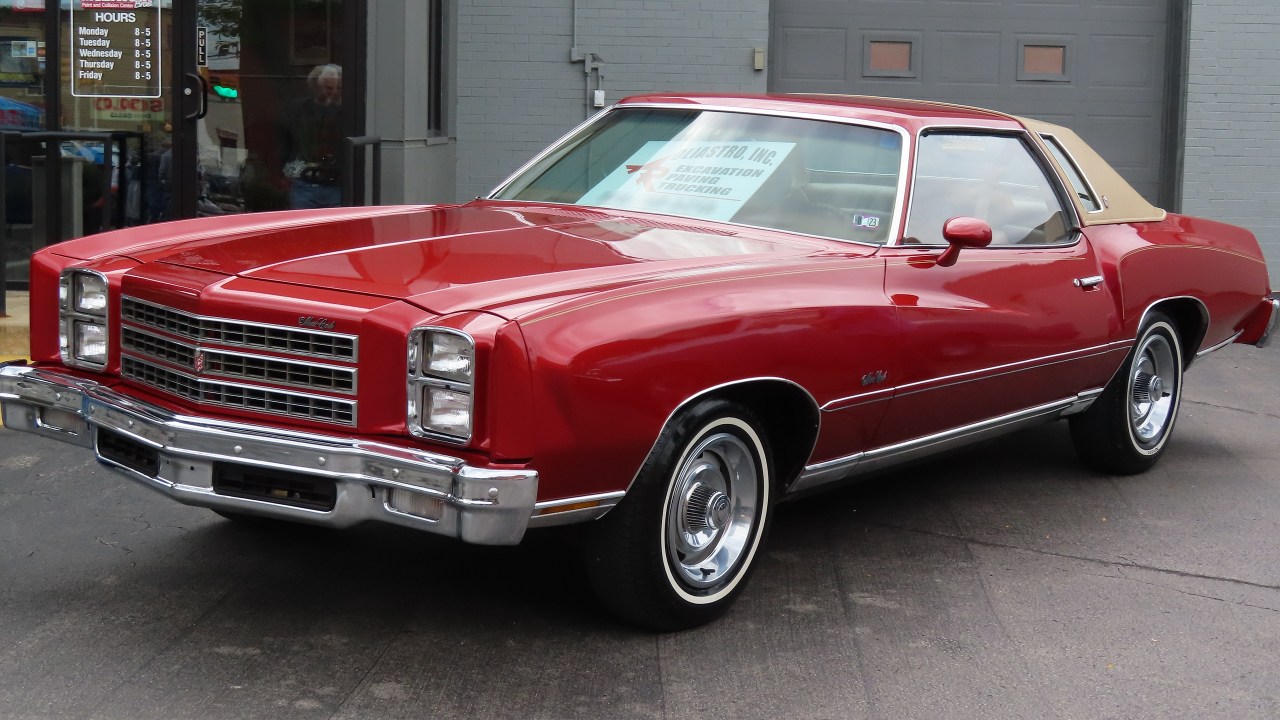
At the other end of the showroom, Chevrolet’s mid-size and personal luxury cars were also evolving toward a more relaxed, user-friendly personality. The 1976 Malibu Classic, often remembered as an unassuming family car, benefited from the same corporate push toward smoother, more efficient powertrains. Enthusiast recollections of a 1976 Chevrolet Malibu Classic describe it as an unsung hero, a car that simply did its job without drama. Owners talk about these cars being bought as everyday transportation, sometimes even as driver education vehicles, which underscores how predictable handling, easy steering, and forgiving brakes mattered more than outright speed. Those qualities are exactly what incremental chassis tuning and powertrain refinement tend to improve.
The Monte Carlo of the same year shows how Chevrolet blended comfort and efficiency in a segment that had once been all about displacement. Commentary on the 1976 Monte Carlo notes that some people assumed these cars only came with a 305 two barrel V8, a reflection of how common the smaller engine had become in this class. The Chevy 305, introduced by General Motors as a small V8 to improve fuel economy and reduce production costs compared with the 350, gave cars like the Monte Carlo enough torque for smooth acceleration without the thirst and weight of larger engines. For drivers, that translated into quieter cruising, fewer fuel stops, and a sense that the car was working with them rather than constantly gulping resources. In an era when the classic 350 cubic inch V8, equivalent to a 5.7-liter engine, still loomed large in the public imagination, the shift toward the 305 signaled a quiet recalibration of what everyday performance should feel like.
Luxury touches that reduced effort, not just added chrome
Even in the upper reaches of the General Motors hierarchy, the focus in 1976 was not only on ornamentation but also on making ownership less demanding. The Cadillac Fleetwood Series Seventy-Five, a limousine-level car that shared corporate technology with Chevrolet, introduced a new Freedom Battery that was described as maintenance free and never requiring water. That might sound like a small detail, but for drivers and fleet operators used to checking electrolyte levels and topping up cells, it removed a recurring chore and reduced the risk of a no-start situation caused by neglect. When such components filtered down through the GM brands, they contributed to a sense that the cars were less fussy and more trustworthy.
These luxury-oriented improvements dovetailed with the broader mechanical refinements happening across Chevrolet’s lineup. As engines like the Dura-Built 140 in the Chevrolet Vega became more robust and quieter, and as small blocks like the 305 were tuned for smoother, lower rev operation, the supporting systems had to keep pace. Better cooling circuits, more durable gaskets, and improved charging and starting hardware all played a role in making 1976 models feel less temperamental than some of their early 1970s predecessors. Even when buyers were not aware of the specific parts involved, they experienced the result as cars that started more reliably, ran cooler in traffic, and demanded fewer unscheduled visits to the shop.
Looking back, 1976 does not stand out for a single revolutionary Chevrolet innovation. Instead, it marks a year when the company quietly stitched together lessons from troubled programs like the Vega, global projects like the Chevette, and corporate engine development around the 305 to create vehicles that were easier to drive and live with. Highway-friendly axle ratios, more refined four cylinders, better acoustical insulation, and low-maintenance components such as the Freedom Battery all pointed in the same direction. The cumulative effect was a lineup that moved American drivers toward a calmer, more efficient, and more predictable kind of motoring, even if the brochures talked more about style than about the subtle engineering that made it possible.
More from Fast Lane Only: