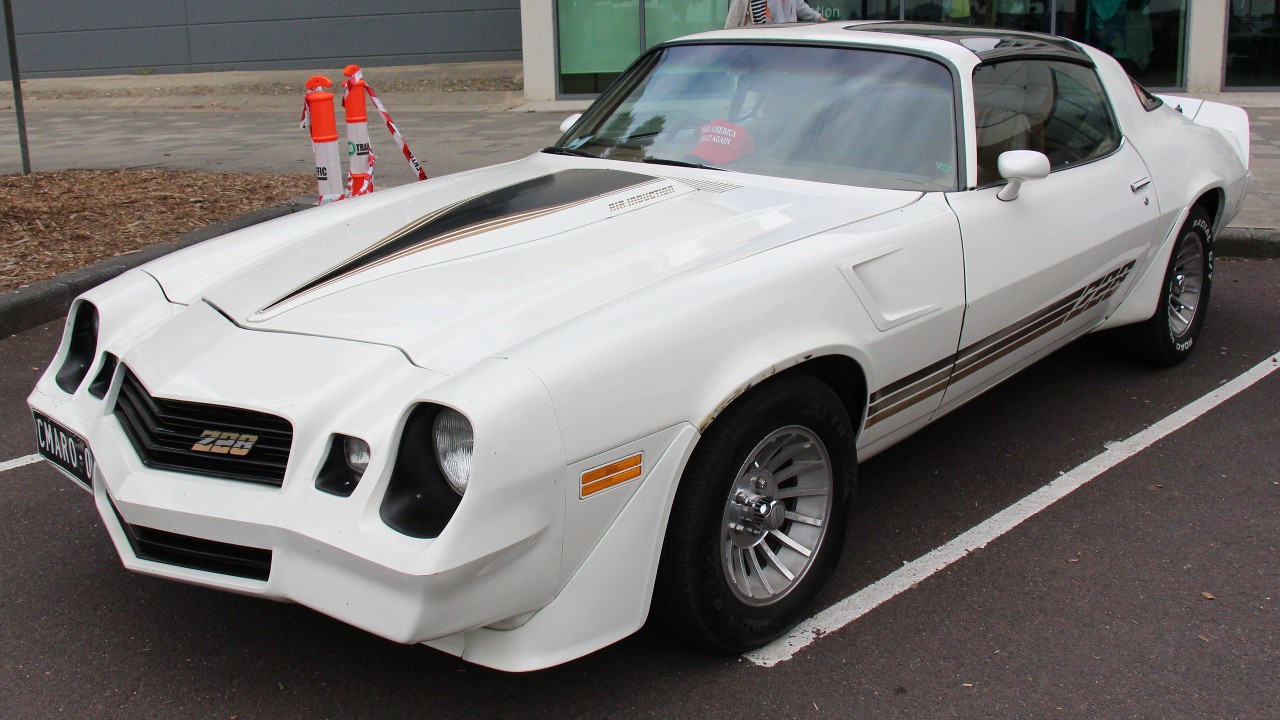
The 1976 Camaro arrived at a turning point for American performance cars, when brute force was giving way to comfort, efficiency and regulation friendly engineering. Rather than chasing the peak muscle of the early 1970s, Chevrolet used this model year to polish the second generation’s proportions, refine its manners and reposition the car as a more sophisticated pony car that could still deliver rear drive fun. In the process, the 1976 Camaro helped stabilize the formula that would carry the nameplate through the rest of the decade.
By 1976, the second generation Camaro was no longer the shockingly new “Super Hugger” it had been earlier in the decade, but it had matured into a more complete package that blended European influenced styling with American V8 character. The shift toward trims like the Type LT, short for Luxury Touring, signaled that Chevrolet saw long term value in comfort and image as much as quarter mile times, and the sales numbers suggest buyers agreed.
The second generation Camaro finds its footing
When Chevrolet launched the second generation Camaro, it reimagined the car as a lower, wider and more planted pony car that leaned into handling as much as straight line speed. The basic layout remained familiar, with a front engine and rear drive chassis, but the body was all new and marketed as a “Super Hugger” to emphasize its road holding character. That repositioning set the stage for the mid 1970s, when raw horsepower was under pressure and a more balanced personality became a selling point for the Camaro.
By the time the 1976 model year arrived, this second generation architecture had been in production for several seasons, which allowed Chevrolet to refine rather than reinvent. The car’s essential rear drive dynamics stayed intact, but the company layered in more comfort and convenience equipment, especially through the Luxury Touring oriented Type LT package that had joined the lineup earlier in the decade. That evolution is documented in detailed buyers’ guides and historical overviews that trace how the second generation Camaro, still an American pony car at its core, broadened its appeal without abandoning its performance roots.
From muscle to Luxury Touring
The most visible sign of the Camaro’s mid decade recalibration was the rise of the Type LT, which stood for Luxury Touring and pushed the car upmarket. Instead of focusing solely on high compression engines and aggressive gearing, Chevrolet used the Type LT badge to bundle features like upgraded interiors, additional sound insulation and more upscale trim, turning the Camaro into a car that could credibly serve as a daily driver as well as a weekend toy. That strategy is laid out in period focused coverage of the Type LT, which notes how the package reshaped the second generation’s character line between 1973 and 1976.
In 1976, the Type LT sat alongside more traditional performance oriented trims, but its presence changed the way the entire range was perceived. The Camaro was no longer just a budget muscle car, it was a stylish coupe that could be tailored toward comfort or sport, depending on how a buyer checked the order sheet. Surviving examples, including documented 1976 Chevrolet Camaro Type LT cars, highlight how features like a 4 speed manual transmission and power locks could coexist in the same package, underscoring the blend of driver engagement and convenience that defined the refined second generation formula.
Powertrains under pressure, dynamics intact
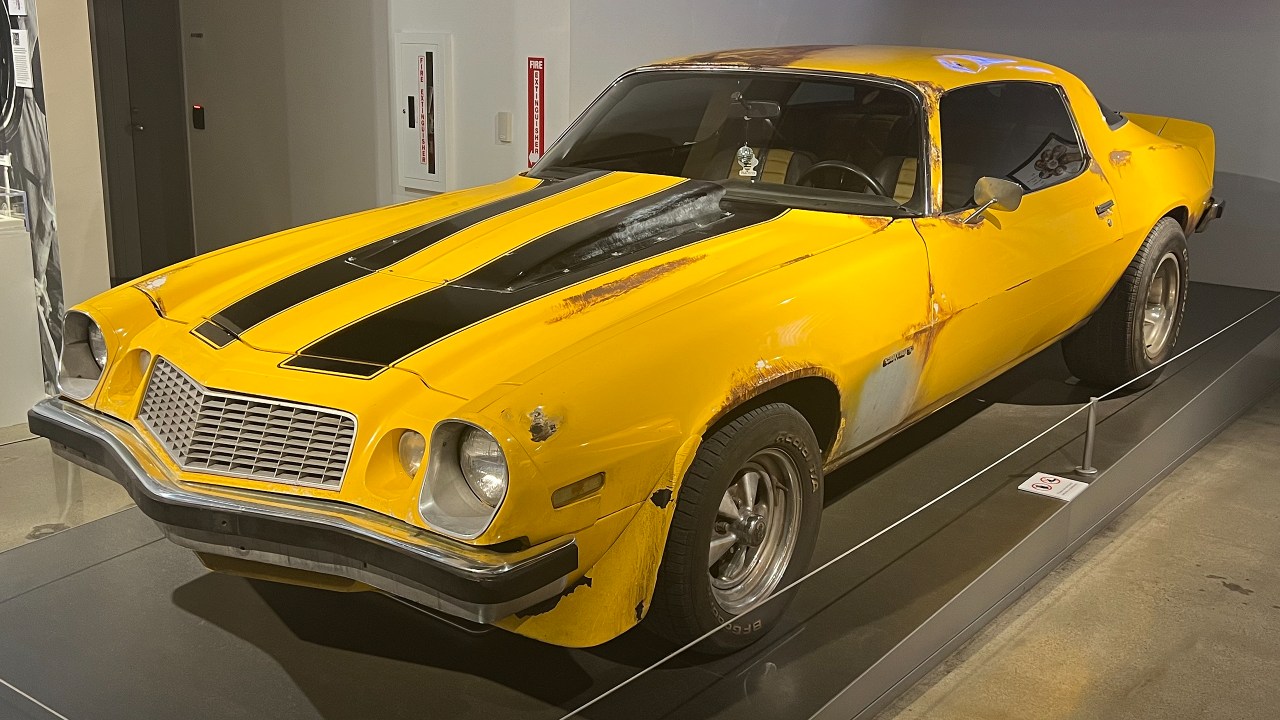
Regulation and insurance pressures in the 1970s forced automakers to rethink how they delivered performance, and the Camaro was no exception. While the earliest second generation cars could be ordered with big block engines, later years leaned more heavily on small block V8s and even six cylinder options that prioritized drivability and emissions compliance over headline grabbing output. Enthusiast oriented retrospectives on the 1970 to 1981 Camaro point out how earlier cars could accommodate engines like a 427 big block V8 under custom hood bulges, but by the middle of the decade the focus had shifted to making the most of smaller displacement powerplants within tightening Federal safety and emissions rules.
Even with those constraints, the drivetrain menu in the second generation remained broader than in the first, with sources noting that options included a Chevy 250 and a Chevy 302 V8, figures that illustrate how Chevrolet tried to cover both economy minded and performance leaning buyers. Reports on the second generation drivetrain options emphasize that the range was larger than before, even if individual engines were less extreme than the peak muscle era. In 1976, that translated into a Camaro that might not have dominated drag strips the way its predecessors had, but still delivered satisfying acceleration and, thanks to the “Super Hugger” chassis tuning, engaging handling that kept the car relevant for enthusiasts.
Production momentum and the 1976 sweet spot
One of the clearest signs that Chevrolet’s refinements were working is the production trajectory through the mid 1970s. Total output for the second generation climbed steadily after the early decade slump, and by 1976 the Camaro was firmly back in demand. A detailed breakdown of Camaro Production Numbers for the Second Gen, covering the 1970 to 81 span, shows how the model rebounded as Chevrolet broadened the lineup with trims like the Type LT and later the Berlinetta, giving buyers more ways to buy into the Camaro image.
Specific reporting on the 1976 Chevrolet Camaro notes that Total production continued on an upward trek it had been on since 1973, and would continue to climb, year to year, until 1980. Within that rising tide, the 1976 model year stands out as a sweet spot where the second generation’s styling was fully resolved, the interior and feature set had caught up with buyer expectations, and the car still felt relatively light and responsive compared with the more heavily equipped versions that would follow at the end of the decade. Survivor data that points to only 11,396 of almost 200,000 1976 Camaros built being equipped with a 4 speed manual transmission, and similar rarity for options like power locks, underscores how Chevrolet used the growing production volume to experiment with a wide mix of configurations while keeping the core package consistent.
Why the 1976 Camaro still matters
Looking back from today, the 1976 Camaro can seem overshadowed by the high horsepower legends that came before it and the third generation cars that would later reset the platform. Yet the reporting record shows that this mid decade model year played a crucial role in proving that the Camaro could survive, and even thrive, in a more constrained regulatory and economic environment. The second generation’s identity as an American pony car with a “Super Hugger” chassis, documented in both general histories and enthusiast archives, was preserved even as the car adopted Luxury Touring cues and more varied powertrains.
For collectors and drivers now, that balance is part of the appeal. A 1976 Camaro Type LT with a small block V8 and a manual gearbox captures the refined side of the second generation without losing the analog feel that defined the era. Production figures that reference 182 and 81 in the context of broader second generation output, along with the nearly 200,000 units built in 1976 alone, mean these cars are accessible, yet specific option combinations remain scarce enough to feel special. Taken together, the sources on styling, mechanical evolution and production trends make a strong case that the 1976 Camaro did more than simply carry the badge through a difficult decade, it honed a formula that kept the nameplate viable and set expectations for what a modernized American pony car could be.
More from Fast Lane Only: