Chrysler’s 300 “Letter Car” series has quietly shifted from niche curiosity to blue-chip collectible, prized by enthusiasts who see in these big coupes the moment luxury and American horsepower first truly shook hands. Built in limited numbers from the mid‑1950s through the mid‑1960s, they now sit at the intersection of design history, early muscle performance and executive‑level comfort, a combination that modern collectors increasingly treat as irreplaceable.
As I look at how these cars moved from showroom halo models to auction headliners, a pattern emerges: the 300 Letter Cars did not just anticipate later performance trends, they helped create them, then disappeared before they could be diluted. That short, intense production run, combined with serious speed, high prices and distinctive styling, is exactly why the series has become one of the most closely watched segments in the classic Chrysler market.
The birth of a luxury performance icon
The 300 story begins with Chrysler deciding that prestige in the postwar era meant more than chrome and soft seats, it meant building a car that could dominate on the highway and at the track. From 1955 to 1965, the company produced the 300 “Letter Car” series, each year identified by a new suffix, and positioned these models as limited‑production flagships that blended serious power with upscale appointments, a strategy that set them apart from more ordinary sedans of the period From 1955. The very first Chrysler 300 arrived in this context, carrying a name that referenced its output and signaling that performance was no longer reserved for stripped‑down hot rods.
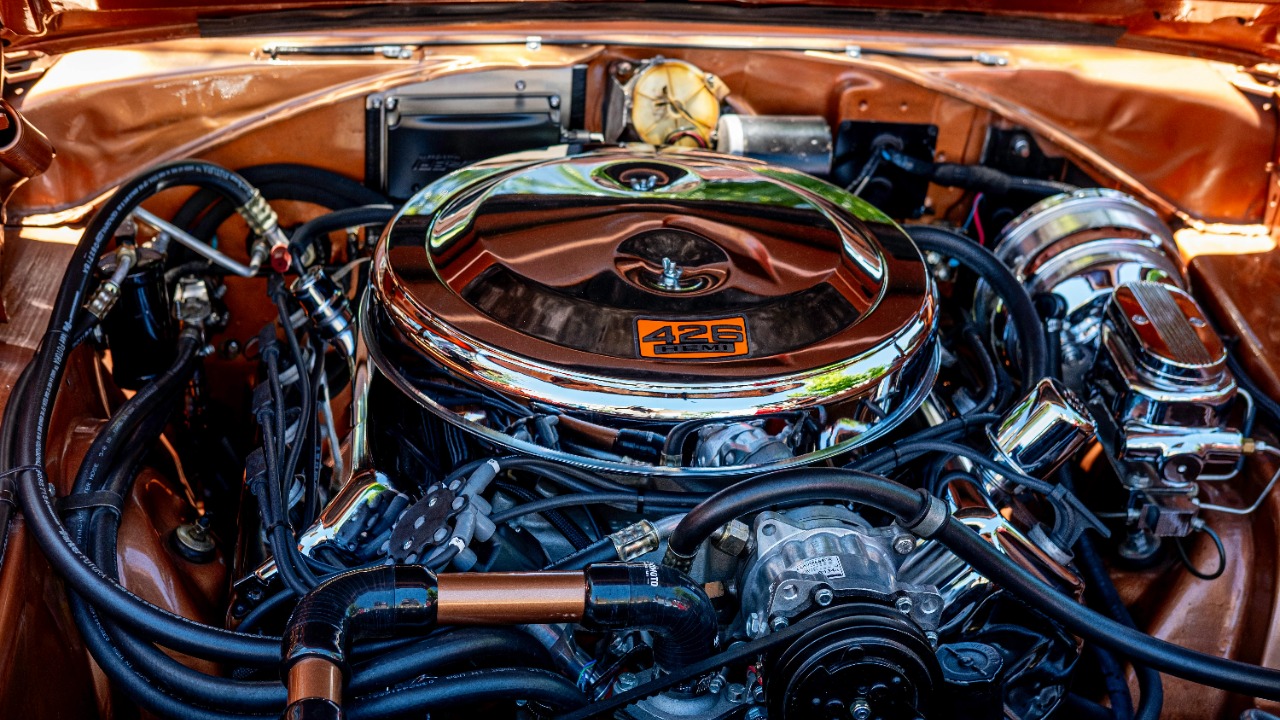
That original Chrysler 300, introduced in 1955, delivered a then‑staggering 300 horsepower from a HEMI V8 with solid valve lifters, a specification that instantly placed it among the most potent American cars available Introduction Introduced. Earlier this year, performance historians again highlighted how Chrysler jumped on the power bandwagon in 1955 with its 300-horsepower C-300, describing how that car kicked off a decade of 300 models built around strong engines like the 354‑cubic‑inch HEMI and cemented the “300” badge as shorthand for serious speed 300-horsepower. That combination of a big, comfortable body with a race‑bred drivetrain is the foundation of the collectibility story that would follow.
Track dominance and the “gentleman’s express” mystique
Performance credentials matter in the collector world, and the 300 Letter Cars built theirs not in advertising copy but on the sand at Daytona. The 300C again won The Flying Mile at Daytona, making it the fastest American car for the third straight year in Class 7, a run of success that signaled to buyers that these coupes were not just styling exercises but genuine high‑speed machines The Flying Mile. Along with those competition results came a halo effect in showrooms, where the 300’s reputation for speed helped draw customers who might otherwise never have considered a Chrysler.
On the street, the cars earned a different kind of nickname: the “gentleman’s express,” a label that captured how they combined brute force with tailored interiors and restrained, almost European lines. Contemporary pricing underscored that positioning, with the 1955 model carrying a starting price of $4,109, nearly double the cost of a 1955 Chevrolet V‑8 two‑door hardtop, which signaled that Chrysler was chasing executives and enthusiasts willing to pay for exclusivity rather than volume $4,109. That early decision to price the cars high and build them in limited numbers is one of the main reasons collectors now view the Letter Cars as a distinct, elite subset within midcentury American performance.
Design, the Forward Look and the Letter Car identity
Power alone does not make a collectible, and the 300 Letter Cars benefited from a design revolution that gave them a visual identity as bold as their engines. Starting in 1956, Virgil Exner, head of design, revived Chrysler production styling with the sleek, sculptured Forward Look, a philosophy that brought lower rooflines, dramatic fins and a sense of motion even at rest, and that approach framed the 300 as a “beautiful brute” in period branding Virgil Exner. The Letter Cars wore this language particularly well, with clean side surfaces, prominent grilles and subtle badging that signaled status without resorting to excessive ornament.
Within the broader Chrysler lineup, the 300 “letter series” stood apart as high‑performance luxury cars built in very limited numbers, a fact that modern enthusiasts emphasize when they describe how The Chrysler 300 models of this era combined upscale trim with serious mechanical upgrades The Chrysler. That mix of Forward Look styling, restrained badging and letter‑by‑letter evolution created a clear identity: each new suffix signaled incremental improvements, but the core recipe of big engine, refined cabin and understated aggression stayed intact, which is exactly the kind of continuity collectors like to trace across a decade of production.
From early muscle to modern “Significance and Legac”

Long before the term “muscle car” became marketing shorthand, some of the 300 Letter variants were already delivering the formula of big displacement, high output and straight‑line speed that would later define the segment. Enthusiasts often point to the 1956 Chrysler 300B as one of the earliest true American muscle cars, noting how it blended elegant styling with raw power in a way that previewed the later boom in mid‑size performance coupes Chrysler 300B. That lineage continued into the 1960 Chrysler 300F, which enthusiasts still single out for its combination of advanced engineering and dramatic design, reinforcing the idea that the Letter Cars were not just fast, they were technologically ambitious.
Performance figures from the period underline why collectors now treat these cars as foundational to the American horsepower story. Reports on the series’ later years note that top speed exceeded 130 m, making it one of the fastest production cars of its era and helping cement its reputation as a true American classic in retrospect Top. When I weigh those numbers against contemporary rivals, it is clear that the 300 Letter Cars were not simply keeping up with the performance curve, they were often ahead of it, which is a key ingredient in the “Significance and Legac” narrative that now surrounds the badge.
Why collectors now chase the Letter Series Building the First Muscle Car Platform
Modern market interest in the 300 Letter Cars is not just nostalgia, it is a recognition that Chrysler used this series to build what some analysts now describe as the first coherent muscle car platform. Recent coverage of the 1955‑1965 Chrysler 300 Letter Series Building the First Muscle Car Platform argues that these cars combined a big‑block V8, rear‑wheel drive and a focus on straight‑line speed in a package that few others could touch at the time, effectively sketching out the template that later, more affordable muscle models would follow Letter Series Building the First Muscle Car Platform. Because the Letter Cars were produced in limited numbers and aimed at a higher price bracket, they avoided the overexposure that can sometimes dampen enthusiasm for mass‑market muscle, which now gives them an aura of exclusivity at auctions and in private sales.
At the same time, the broader Chrysler narrative reinforces why these cars resonate with collectors who care about design and engineering history as much as quarter‑mile times. Company retrospectives describe how Starting in 1956, the Forward Look era reshaped Chrysler’s image, and how the 300 series, with its “beautiful brute” positioning, became a rolling showcase for that transformation Forward Look. When I talk to enthusiasts, what I hear most often is that the Letter Cars feel like a complete story: a decade‑long experiment in marrying luxury and speed, backed by real competition success and wrapped in styling that still turns heads, which is exactly the mix that turns an old performance car into an elite collectible.
More from Fast Lane Only