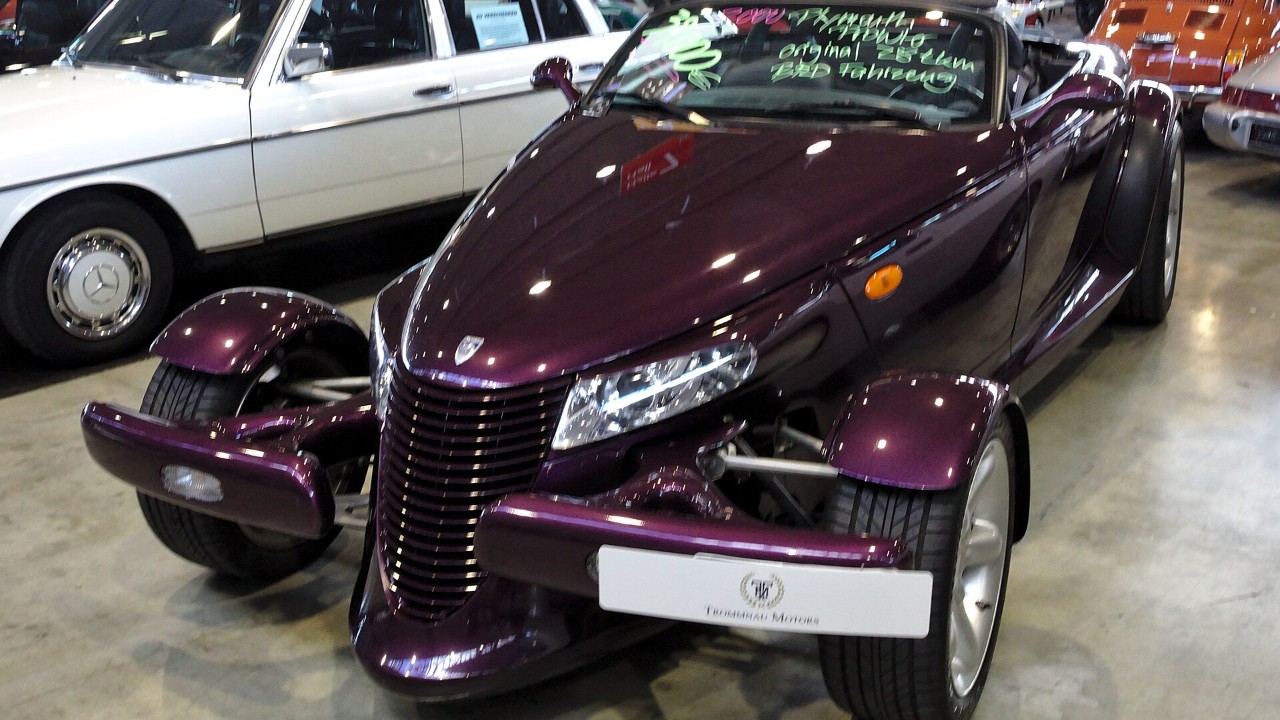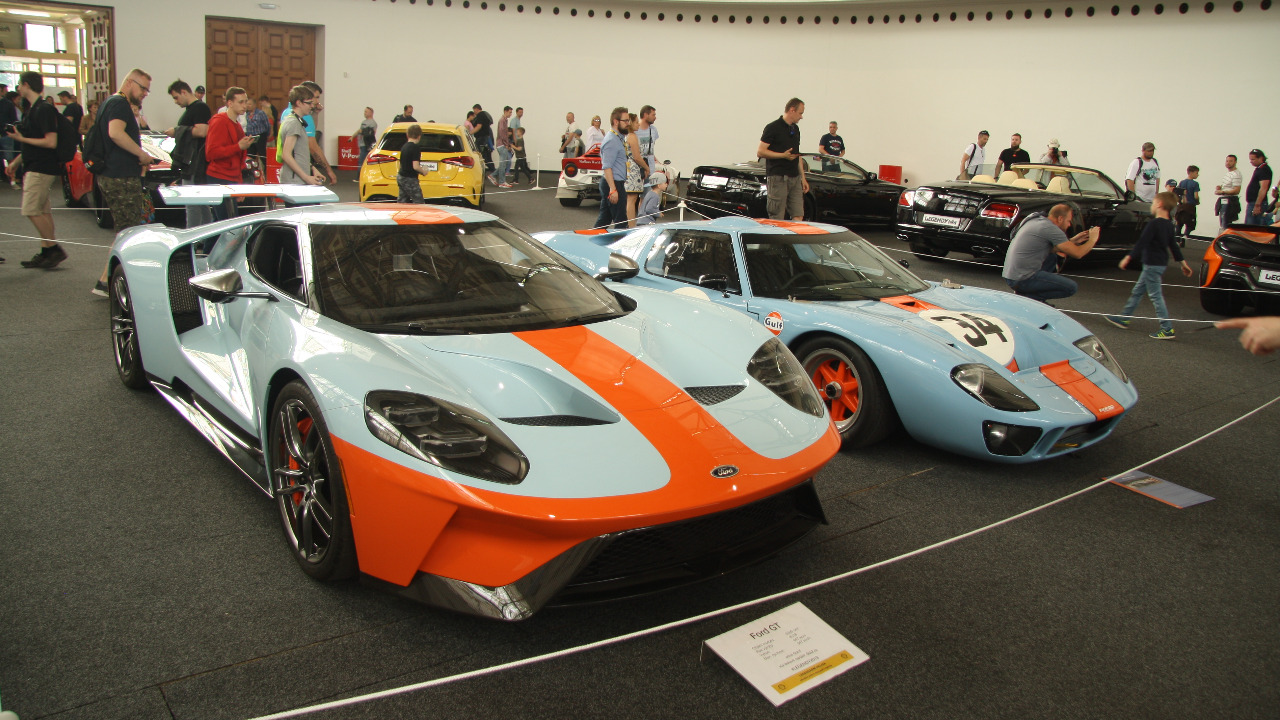
Ford, a staple in the automotive industry, nearly redefined its brand identity with the creation of a supercar that promised to challenge the titans of the industry. Although ultimately unrealized, the story of this ambitious project offers insight into Ford’s innovative spirit and engineering prowess.
The Ambitious Vision
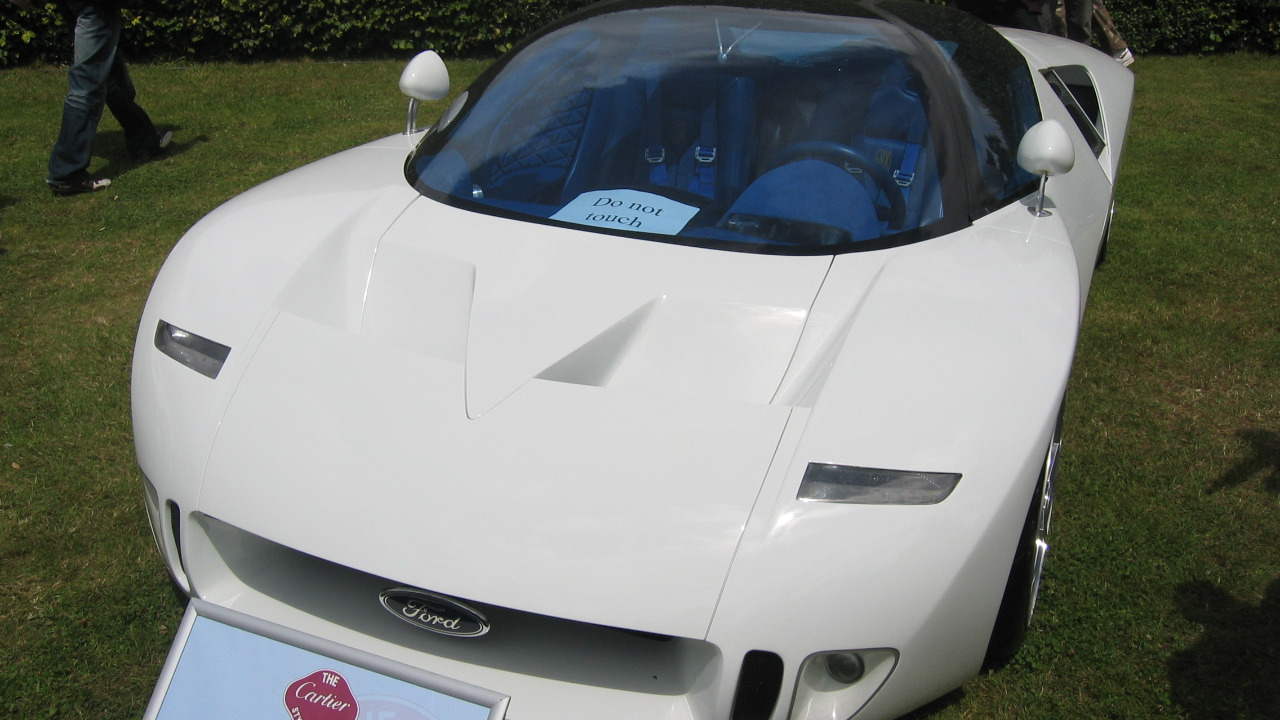
Ford’s foray into the supercar realm was driven by a desire to compete with European heavyweights like Ferrari and Lamborghini. The vision was to create a vehicle that not only matched the performance of these titans but also showcased Ford’s engineering capabilities on a global stage. The company set ambitious goals, aiming to leverage its rich heritage of racing excellence and technological innovation to produce a car that would be a game-changer in the supercar market.
The strategic goals for this project included elevating Ford’s brand image and redefining its identity beyond mass-market vehicles. The supercar was intended to serve as a halo product, drawing attention to Ford’s engineering prowess and innovative spirit. By conquering the supercar segment, Ford aimed to boost its reputation and attract a new demographic of automotive enthusiasts.
Engineering Marvels and Challenges
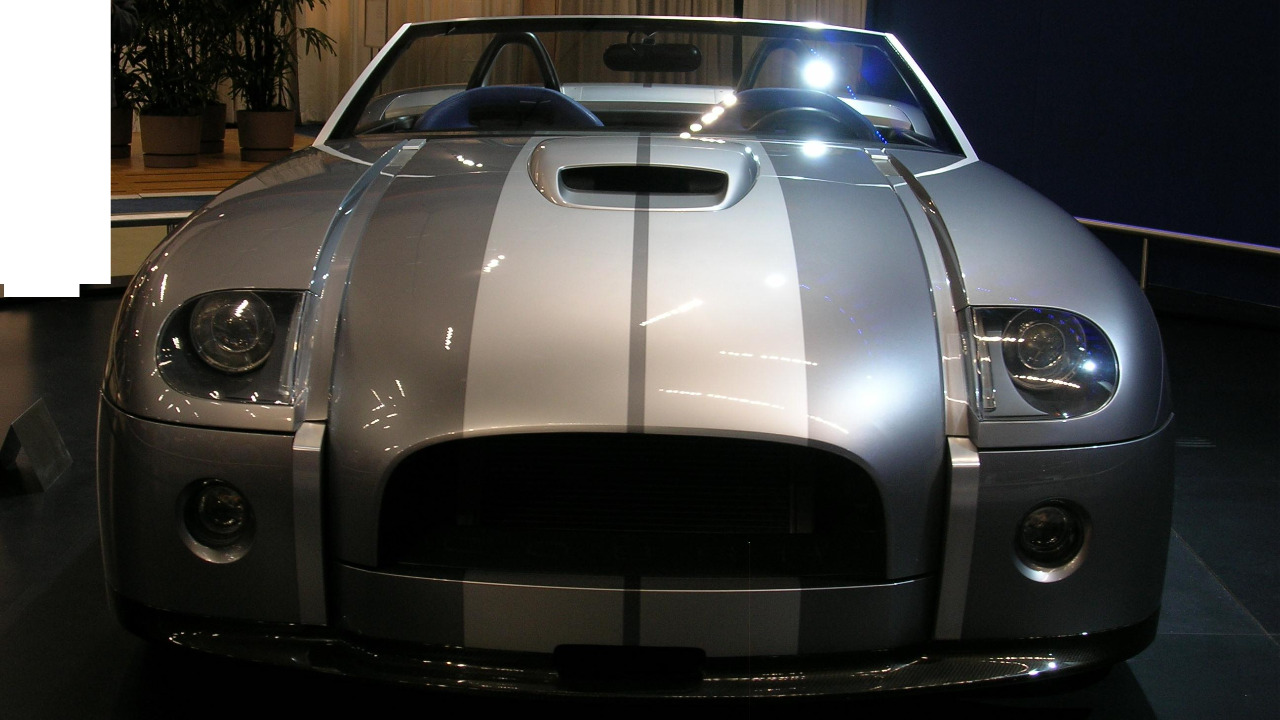
The proposed Ford supercar was set to incorporate advanced technologies and engineering breakthroughs. One of the standout features was the plan to integrate a powerful V10 engine, a departure from Ford’s traditional powertrains. This engine was expected to deliver exceptional performance, positioning the supercar as a formidable contender in the high-performance segment.
However, the project faced significant challenges, particularly in maintaining the desired performance standards while integrating such an advanced engine. The engineering team grappled with technical hurdles, including weight distribution, aerodynamics, and ensuring reliability at high speeds. Their approach was to adopt cutting-edge materials and engineering techniques to overcome these challenges, ensuring that the supercar could perform at the highest level without compromising on safety or drivability.
The Role of the GT Supercar
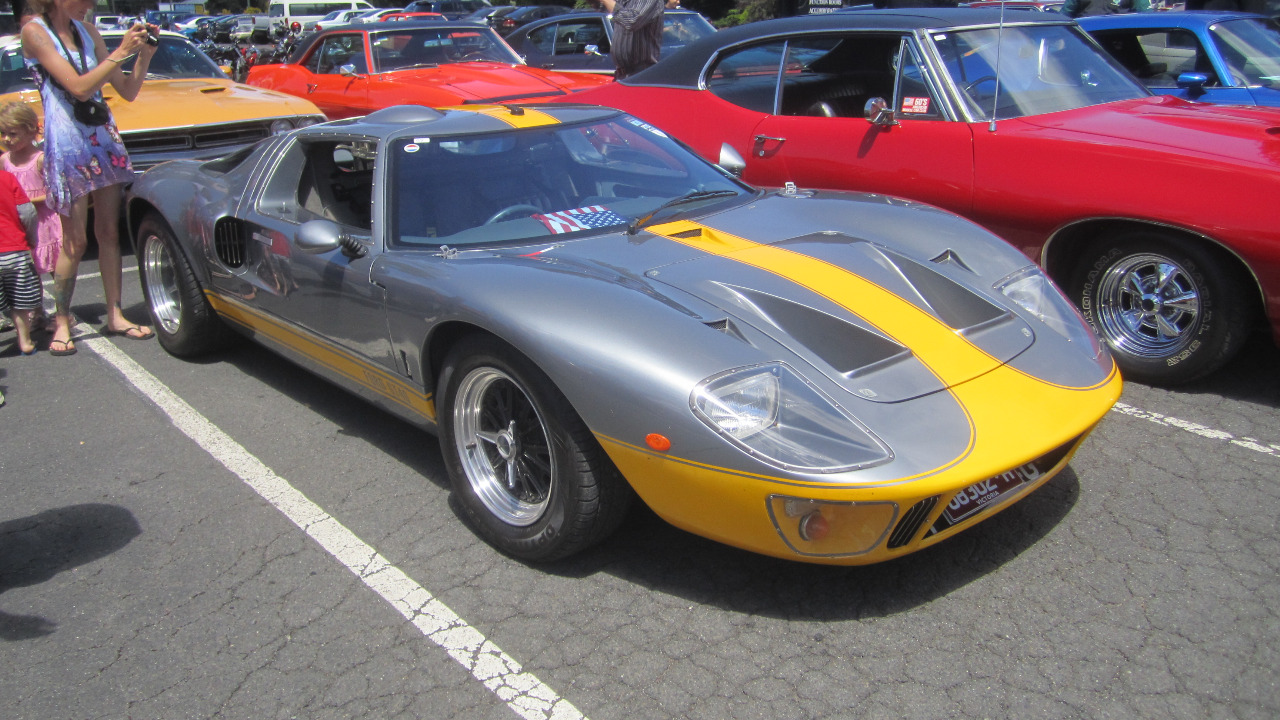
The development of the Ford GT supercar played a crucial role in influencing the new supercar project. The GT served as a testbed for various technologies and design philosophies that were to be adapted for the upcoming supercar. Ford’s experience with the GT provided valuable insights into aerodynamics, weight management, and high-performance engineering.
Technologies such as advanced carbon fiber construction and active aerodynamics were intended to be carried over from the GT to the new supercar. The GT’s development process taught Ford crucial lessons in balancing performance with practicality, a balance that was essential for the success of the new project. The knowledge gained from the GT’s production was instrumental in shaping the blueprint for Ford’s ambitious supercar endeavor.
Financial and Market Considerations
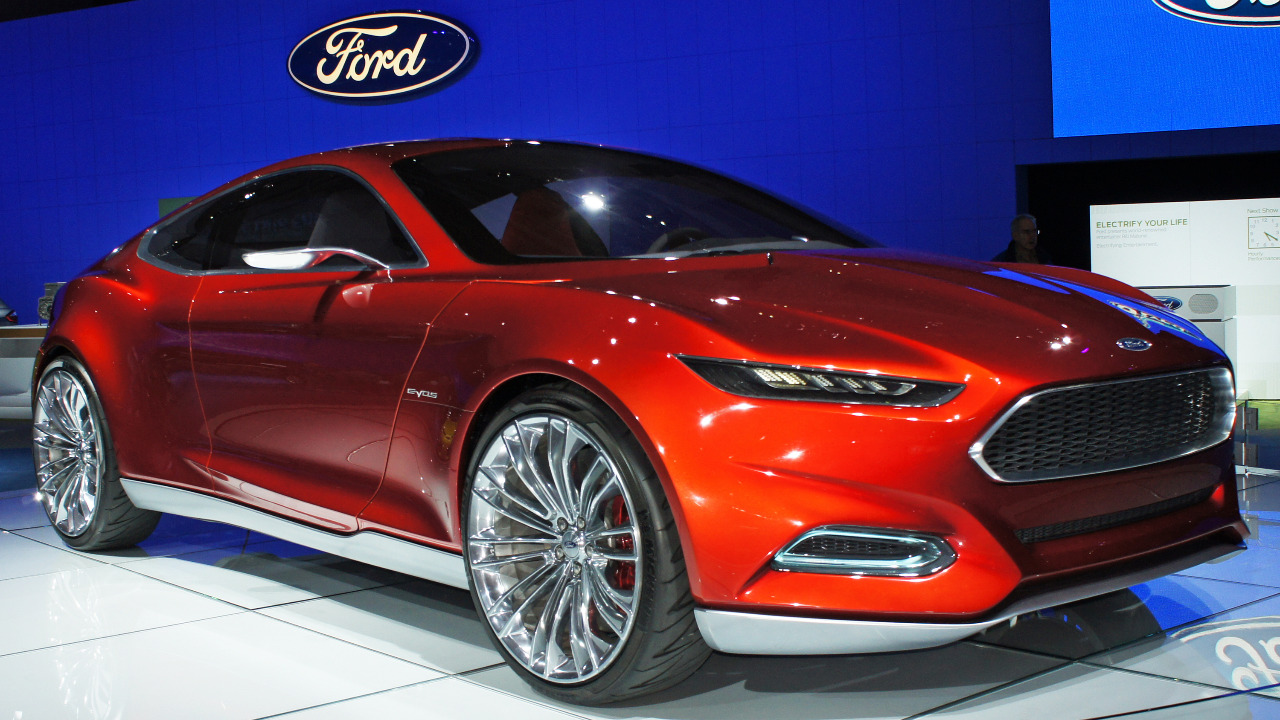
The financial implications and market research surrounding the project were pivotal in Ford’s decision-making process. At the time, the economic climate posed challenges, with fluctuating market conditions impacting the feasibility of launching a new high-performance vehicle. Ford’s leadership had to carefully consider the financial investment required and weigh it against the potential returns.
Market research indicated a competitive landscape, with well-established supercar manufacturers already dominating the segment. Ford needed to ascertain whether there was sufficient consumer interest and whether its supercar could capture a significant share of the market. The company also had to consider the projected competition from both existing and emerging players in the automotive industry.
The Decision to Halt the Project
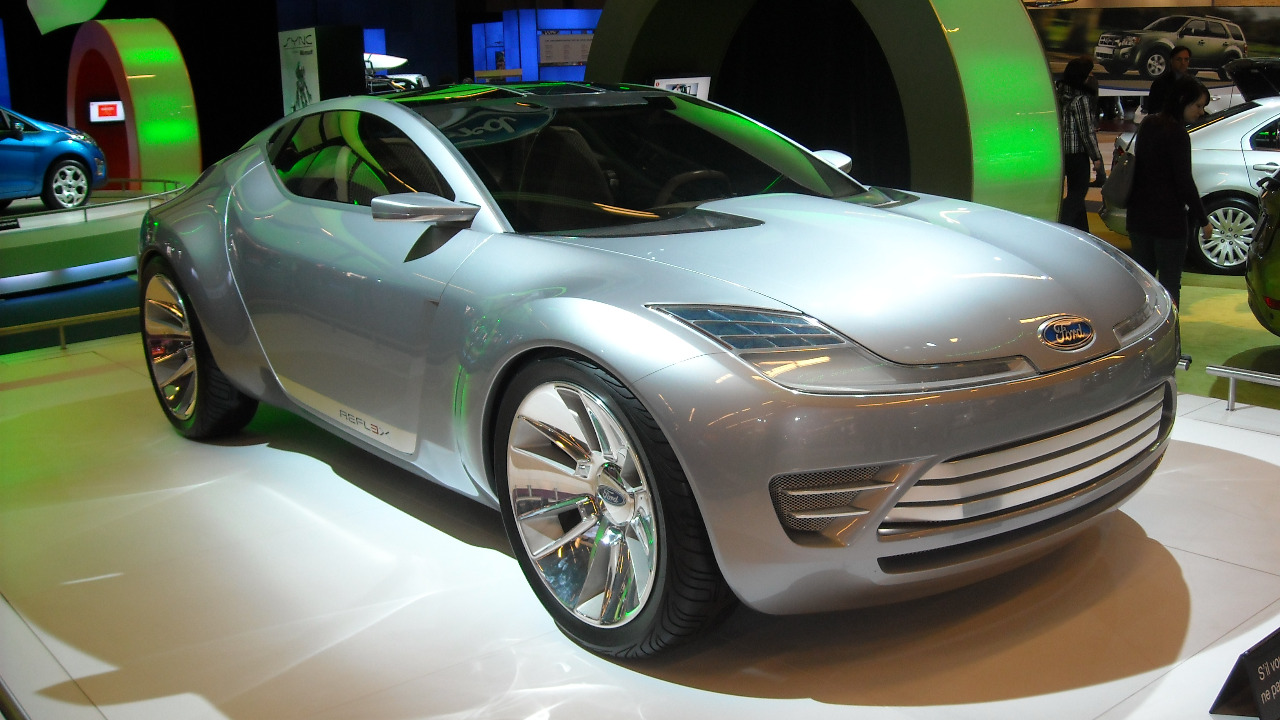
Ultimately, internal discussions led to the decision to halt the supercar project. Several factors contributed to this outcome, including changing priorities within the company and the need to focus on more financially viable ventures. External pressures, such as economic uncertainties and shifting consumer preferences, also played a role in the project’s discontinuation.
The decision to halt the project had implications for Ford’s future strategies and product lineup. While the supercar was not realized, the insights and technologies developed during the project influenced other Ford vehicles. The company’s leadership reflected on the experience, recognizing the need to adapt to changing market conditions while continuing to innovate.
Legacy and Lessons Learned
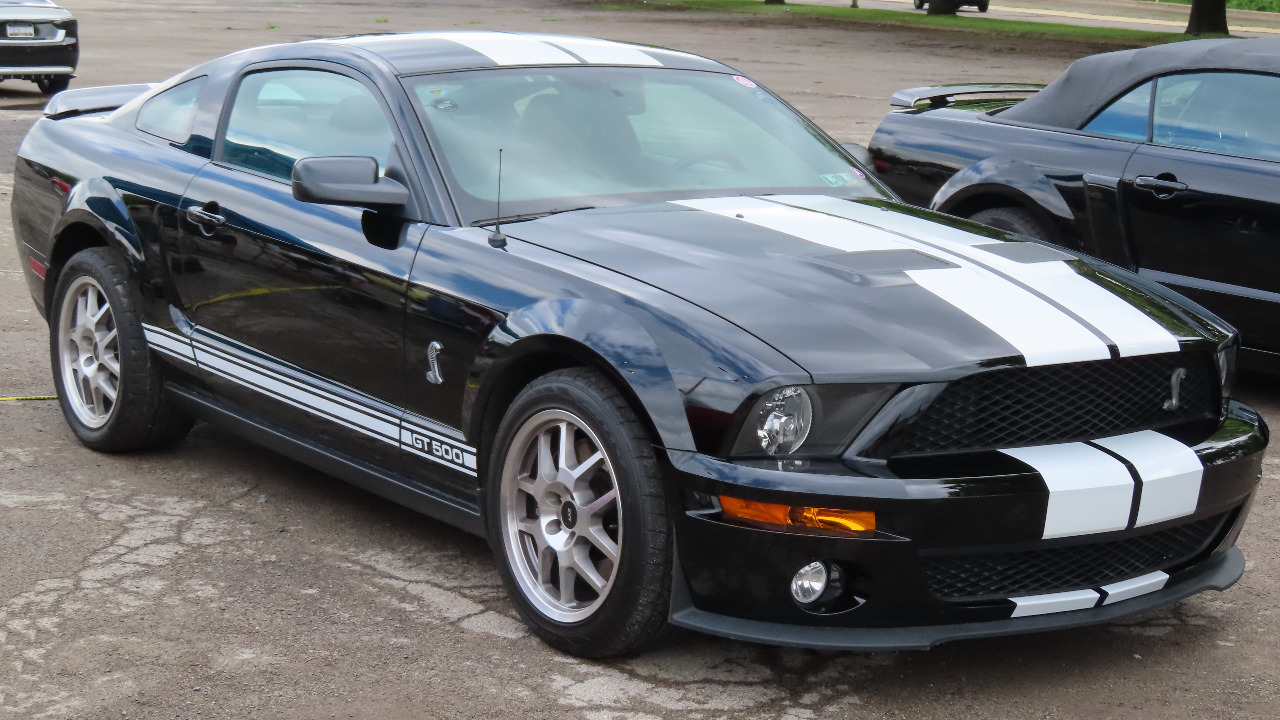
Despite not reaching production, the supercar project left a lasting legacy on Ford’s design and innovation culture. The engineering challenges and breakthroughs achieved during the project informed future vehicle development, contributing to Ford’s ongoing pursuit of excellence in automotive engineering.
The knowledge and technology transfers from the supercar project benefited various models in Ford’s lineup, enhancing performance and efficiency across the board. In particular, the lessons learned from the GT and supercar projects helped Ford refine its approach to high-performance vehicle design.
The long-term implications for Ford’s brand image and engineering ambitions are significant. While the supercar itself was not realized, the project underscored Ford’s commitment to pushing the boundaries of automotive technology and design. This commitment continues to influence Ford’s strategy as it navigates the evolving landscape of the automotive industry.
Like Fast Lane Only’s content? Be sure to follow us.
Here’s more from us:
- All New Trans Am: 10 Things You Need to Know
- The Fastest Farm Truck Ever Built
*Created with AI assistance and editor review.