Classic cars that once sat at the back of classifieds now trade like blue-chip assets. Values that used to track nostalgia now reflect scarcity, investment logic, and a new generation of buyers who treat old metal as a financial instrument as much as a passion purchase.
The shift in 2025 feels decisive rather than speculative, with specific models posting dramatic gains and structured indices tracking the surge. Affordable icons from the 1970s through the 1990s now command serious money, and the data shows that this is not a fleeting bubble but a market maturing into a distinct asset class.
From cheap nostalgia to hard numbers
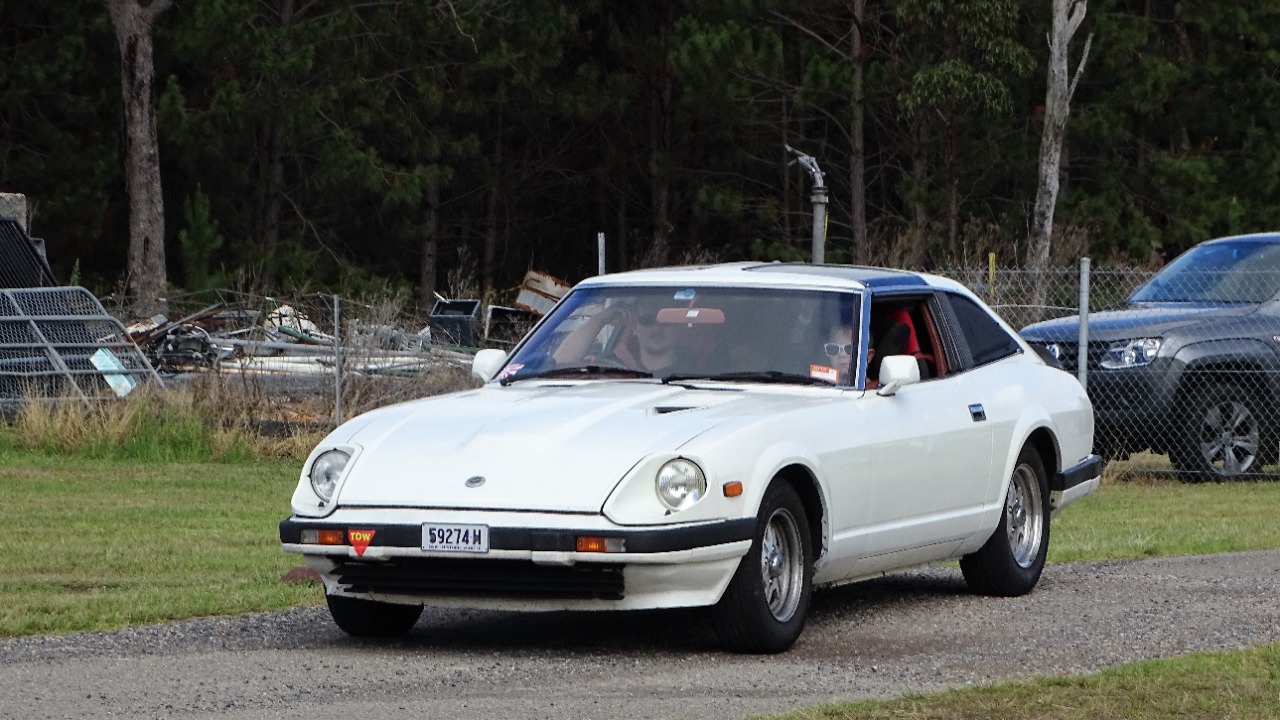
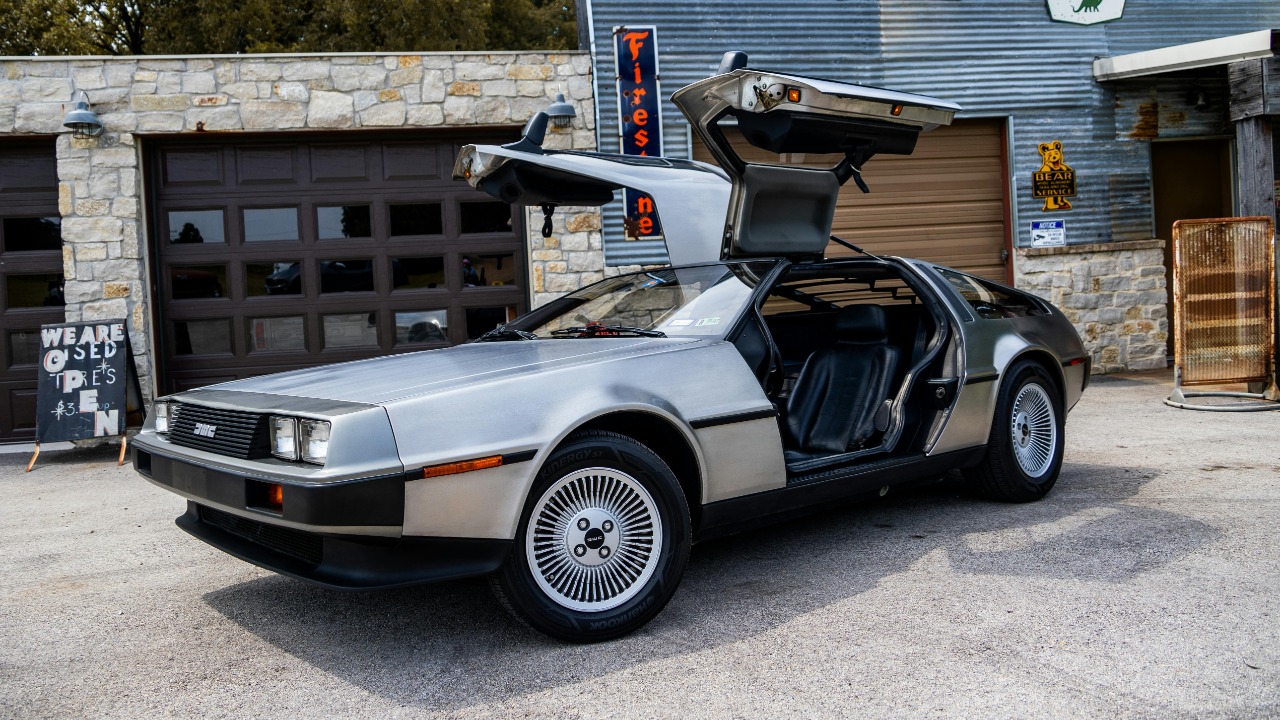
Enthusiasts once bought driver-grade classics because they were cheap fun, not because spreadsheets said they should. That logic has flipped as buyers track percentage gains and chase specific models that show clear appreciation curves. One report from Aug 26, 2025 highlighted how a once overlooked Datsun 280ZX climbed a staggering 138% since 2019, while the stainless cult hero DeLorean DMC-12 jumped 73 in the same window, turning former bargain buys into headline performers.
Those numbers matter because they validate what owners already sensed at local meets. Cars that once struggled to break five figures now sit in climate controlled garages and feature in portfolio reviews. The same analysis framed the current phase as a correction rather than a collapse, with Aug market chatter focusing on selective softness at the top and aggressive bidding for usable, mid tier classics. That pattern shows a maturing market where buyers reward originality, documentation, and cultural relevance instead of chasing anything with chrome and a story.
Why demand spiked again in 2025
Several forces converged in 2025 to push once affordable classics into a higher price bracket. Demographics play a central role as buyers who grew up with analog dashboards and cassette decks now sit in peak earning years and want to reclaim the cars they missed in their twenties. A detailed breakdown of Increasing Collectibility and Demand pointed to a limited supply of vintage models, noting that unlike modern vehicles, classic cars do not roll off assembly lines in fresh batches. As time passes, more vintage examples disappear through accidents, rust, or neglect, and that shrinking pool increases their market value significantly.
Culture also feeds the surge. Streaming platforms, social media, and video games keep 1980s and 1990s icons in constant rotation, which primes younger buyers to recognize a wedge shaped coupe or boxy sedan on sight. The same Nov 21, 2025 analysis, credited as a Story by Bobby Clark, stressed how nostalgia now crosses generations, with children and parents bonding over the same analog dashboards. That shared enthusiasm, combined with low interest rates earlier in the decade and rising wealth in enthusiast circles, created a feedback loop where each record sale validates the next ambitious asking price.
Record prices and the new status of “driver-grade” cars
Headline auctions often focus on concours level Ferraris or rare homologation specials, yet 2025 showed that more attainable classics now set records of their own. Reporting from Nov 20, 2025 described how Classic Cars Boom Again, with buyers paying record prices in 2025 for models that once counted as daily drivers. Restoring a classic car has become a serious financial decision, not just a hobby, because the right project can unlock significant equity within the classic car market.
That shift elevates the status of so called driver grade cars. Clean, usable examples with honest mileage now attract investors who previously ignored anything short of concours perfection. The same Nov coverage noted that restoration shops face full waiting lists, as owners rush to bring tired cars up to a standard that the market now rewards. Paint jobs, interior refreshes, and mechanical overhauls no longer count as sunk costs but as strategic upgrades that can lift a car into a higher value bracket.
How expert lists turned sleepers into stars
Curated lists from valuation specialists now shape buyer behavior almost as much as auction headlines. When experts flag a model as undervalued, the market often reacts within months, and 2025 provided clear examples. A Dec 8, 2024 announcement of a Full 2025 Bull Market list highlighted 11 collector cars poised for gains, with each entry backed by condition 2 value data and owner insight. That Bull Market spotlight effectively turned some once cheap classics into must have assets for drivers and investors alike.
Those lists do more than predict price moves. They educate new collectors on what to look for, from trim levels to engine codes, and they normalize the idea that a car can serve as both weekend toy and long term store of value. The same Dec coverage noted contributions from Hagerty Drivers Club members, whose real world experience with maintenance and ownership costs helps ground the optimism. When a model appears on such a list, sellers often adjust asking prices within weeks, and buyers who move early can capture the upside before the wider market catches on.
Which “cheap” classics climbed the ladder
Not every old car turned into serious money in 2025, but certain segments clearly broke away from the pack. Long running nameplates with strong brand equity, like the Mercedes SL, now sit at the center of many investment shortlists. A detailed guide from Aug 5, 2025 framed the Mercedes SL as a Class leading choice for buyers who want a classic car that holds or increases in value. That analysis broke down generations, from chrome bumper roadsters to more angular 1990s models, and highlighted how each era now commands stronger money than it did a decade ago.
Japanese and niche European models also enjoyed a re-rating. The earlier Aug 26, 2025 report that tracked the Datsun 280ZX and DeLorean DMC-12 gains showed how cars once dismissed as quirky or unfashionable now benefit from fresh appreciation. Here, styling that once felt dated now reads as period correct, and limited production runs amplify scarcity. Collectors who bought these cars for fun now find themselves sitting on assets that rival traditional investments, while latecomers face a steeper entry price for the same driving experience.
What buyers should watch next
Anyone entering the market in 2025 faces a more complex landscape than the bargain hunters of a decade ago. Prices for many icons already reflect their new status, yet opportunities remain in models that sit just outside the spotlight. The Nov 21, 2025 breakdown of 7 reasons classic car prices are about to spike stressed how limited supply of vintage models will keep pressure on values as more cars disappear from the road. That structural reality means even today’s overlooked sedans and coupes could become tomorrow’s sought after collectibles once the most obvious picks feel out of reach.
Prudent buyers now treat due diligence as seriously as they would with stocks or property. They study condition reports, verify histories, and cross check valuation tools before committing. They also weigh running costs, since restoration and maintenance can erode gains if a car needs everything at once. Yet for those who choose carefully, 2025 shows that once cheap classics can deliver both emotional returns and real financial upside, turning a weekend drive into a long term investment story.