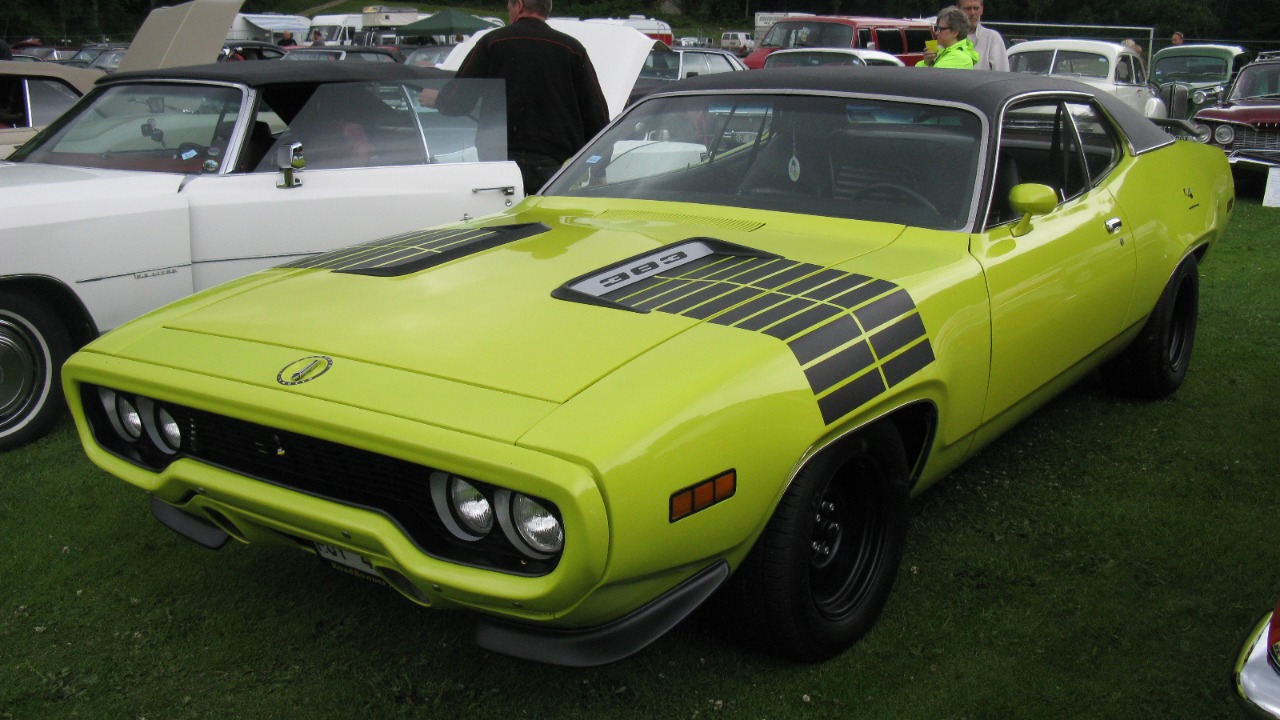
Values for Plymouth Satellite Road Runner clones have climbed from budget muscle to serious collector territory, driven by a mix of scarcity, nostalgia and a maturing restomod market. What started as a workaround for buyers priced out of genuine Road Runners has evolved into a segment where well executed tributes can command strong money in their own right.
As original B-body Mopars age, the gap between factory performance models and their more modest siblings has narrowed, especially when both are restored or modified to similar standards. I see that shift most clearly in the way buyers now evaluate condition, documentation and build quality first, then decide how much of a premium they are willing to pay for a real “RM” VIN compared with a Satellite-based clone.
From budget tribute to serious collectible
The earliest wave of Plymouth Satellite Road Runner clones grew out of simple economics: authentic Road Runners were already getting expensive, while base Satellites and Belvederes offered the same basic B-body shell at a discount. Builders could add correct hood stripes, badging and performance drivetrains to create cars that looked and drove like the real thing, but cost far less to buy and insure. Over time, those tributes started to appear at major auctions, where bidders responded more to visual impact and spec sheets than to the fine print on a fender tag, and prices for clean builds began to rise alongside the originals.
As the market matured, buyers became more comfortable with the idea that a clone could be a legitimate way to enjoy Mopar styling and performance without the anxiety of driving a numbers matching survivor. Well documented conversions that start with solid Satellite bodies and incorporate period correct Road Runner features, such as performance hoods, upgraded suspensions and big block engines, now attract attention in the same lanes where genuine cars cross the block, and sale results for these cars show a clear upward trend in values for high quality tributes compared with driver grade originals.
Why the VIN still matters, but not as much as it used to
For purists, the VIN and fender tag remain the ultimate arbiters of value, and factory coded Road Runners with original drivetrains still command the highest prices. Auction listings and private sales consistently show a premium for documented RM23 or RM21 cars, especially when they retain original sheet metal and matching engine and transmission assemblies. Collectors who focus on long term appreciation continue to favor these cars, and the best examples have moved into a price bracket that effectively removes them from the reach of many enthusiasts who simply want to drive and enjoy a B-body Mopar.
At the same time, the market has grown more nuanced about how much that VIN premium is worth in practice. When a Satellite based clone is restored to a higher standard than a tired, partially correct Road Runner, buyers increasingly weigh paint quality, panel fit, drivetrain upgrades and interior condition against the badge on the title. In some recent sales, well executed clones with modernized mechanicals have sold within striking distance of less impressive genuine cars, a sign that usability and presentation can narrow the traditional gap between original and tribute models.
The role of restomods and drivability upgrades
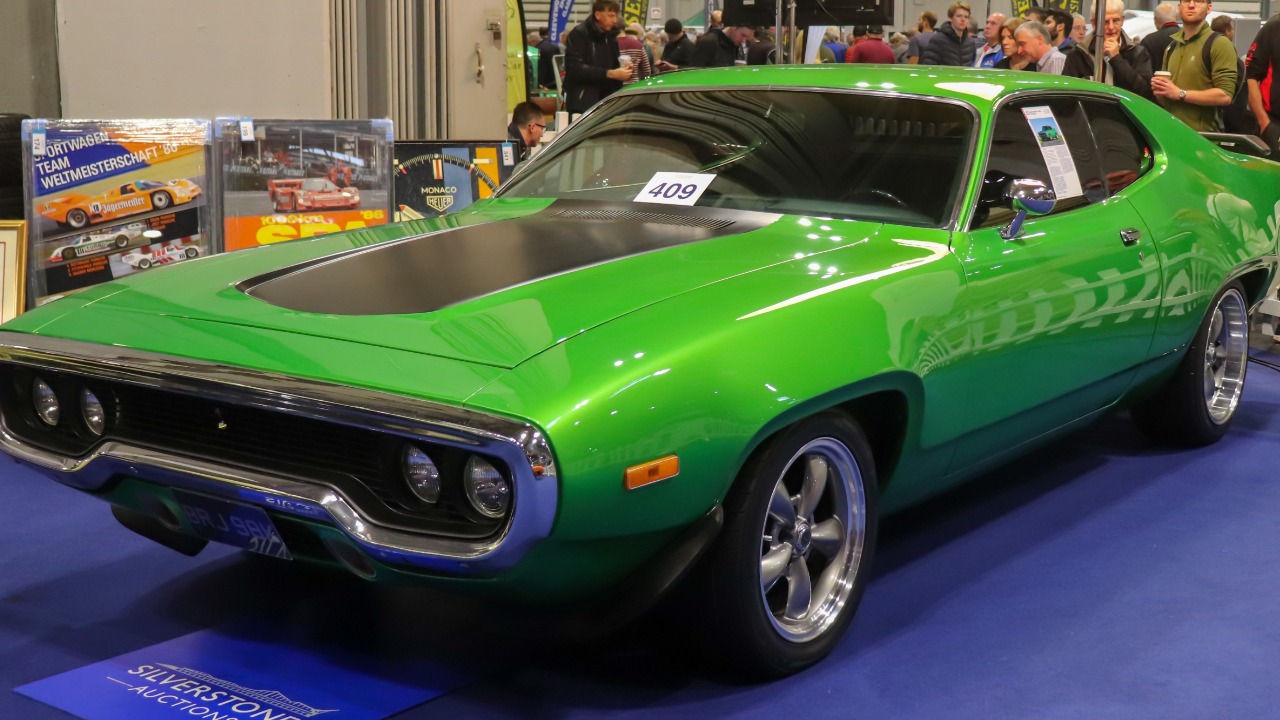
One of the biggest forces pushing Satellite based Road Runner tributes up the value ladder is the broader acceptance of restomods. Many owners now prioritize drivability, reliability and safety over strict originality, which makes a clone an ideal canvas for upgrades that might hurt the value of a numbers matching car. Builders routinely add disc brakes, overdrive automatics, electronic ignition and modern cooling systems to Satellite shells dressed in Road Runner trim, creating cars that look period correct at a glance but behave more like contemporary performance machines on the road.
These modifications used to be seen as compromises that limited resale potential, yet auction data for the last several years shows strong demand for tastefully updated B-bodies. Buyers who plan to put real miles on their cars often prefer a tribute with a stout crate engine and modern suspension to an original that feels fragile or irreplaceable. As a result, restomod oriented clones have carved out their own value lane, where the quality of the engineering and parts list can matter more than whether the car left the factory as a Road Runner or a Satellite.
Scarcity, nostalgia and the shrinking pool of project cars
Another factor lifting values for Plymouth Satellite based Road Runner builds is simple scarcity. The supply of restorable B-body Mopars has been shrinking for years, and many of the best candidates have already been turned into either high end restorations or full custom projects. That scarcity affects Satellites and Road Runners alike, but it has a particular impact on clones, because builders now have to start with better, more expensive base cars than they did when rough shells were plentiful and cheap. Rising acquisition and restoration costs inevitably push finished prices higher, even before any collector premium is added.
Nostalgia has amplified that trend. Enthusiasts who grew up watching cartoon bird decals and “Beep Beep” horns on television now have the disposable income to chase the cars they remember, and they are often less concerned with whether the car was born a Road Runner than with whether it captures the look and feel they associate with late 1960s and early 1970s muscle. As more of those buyers enter the market, cleanly executed Satellite conversions that hit the right visual notes, from hood scoops to stripe packages, have seen stronger bidding and quicker private sales, reinforcing the perception that these cars are no longer just budget alternatives but desirable collectibles in their own right.
How buyers evaluate clones today
In the current market, I see buyers approaching Plymouth Satellite Road Runner clones with a more structured checklist than in the past. Documentation of the build, including photos of the car before and during restoration, receipts for major components and clear descriptions of any structural repairs, has become a key differentiator between casual cosmetic conversions and serious projects. Cars that can demonstrate a careful, methodical transformation from Satellite to Road Runner tribute, rather than a quick respray and emblem swap, tend to command stronger offers and inspire more confidence among bidders and inspectors.
Mechanical specification is the other major filter. A Satellite clone that pairs correct Road Runner style trim with a strong big block, upgraded suspension and properly sorted brakes will usually outpace a visually similar car with a tired small block and mismatched parts. Buyers also pay close attention to details such as correct style interiors, accurate gauge clusters and properly mounted trim, all of which signal whether the builder respected the original design language. As those expectations have solidified, the best clones have moved from the bargain bin to a tier where their values reflect both the cost of the work and the growing recognition that a well built tribute can deliver the Road Runner experience without the Road Runner price tag.
More from Fast Lane Only