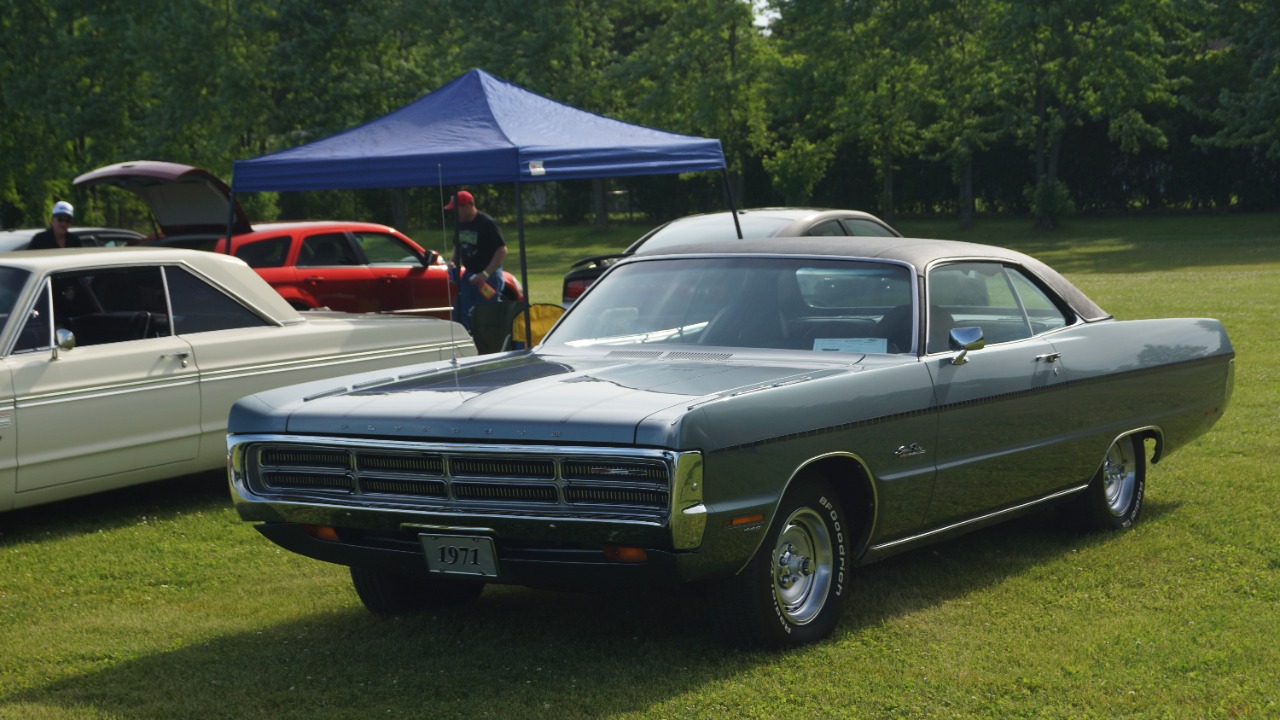
The Plymouth Sport Fury GT started life as a full-size outlier in a market obsessed with smaller, lighter muscle cars, yet today it sits among the most coveted big-block collectibles. Its journey from overlooked land yacht to ultra-rare prize has been shaped by low production, unusual engineering choices, and a handful of dramatic rediscoveries in barns and garages. To understand how it became a rare collector, I need to trace how this car slipped through the cracks of its own era and then resurfaced as one of the most intriguing survivors of the muscle car age.
The big-car muscle gamble that set up future rarity
The Sport Fury GT was born into a muscle car world already crowded with midsize and compact heavy hitters, which made Plymouth’s decision to build a high-performance full-size coupe a calculated risk. Analysts of the period describe how the excitement of the muscle car era, roughly 1964 through 1974, inspired manufacturers to experiment with every segment, including big cars that stretched to an overall length of about 18 feet, a category that included the 1970 and 1971 Sport Fury GT models as part of this wave of big car muscle. Plymouth tried to graft genuine performance hardware onto a platform more associated with family duty, betting that buyers would embrace a car that could haul both people and serious speed.
That bet did not fully pay off in period, which is precisely why the car is so scarce now. Later reporting characterizes the 1970 to 1971 Sport Fury GT as Extremely rare, noting that Plymouth took a gamble on a car whose segment was already losing favor and did so for two straight model years, which limited demand and production. That combination of niche positioning and short run has become a key pillar of the car’s collector appeal, because scarcity created by market indifference is often more enduring than scarcity created by deliberate hype.
Why the Sport Fury GT was overshadowed in its own golden age
Even within Plymouth’s own lineup, the Sport Fury GT had to fight for attention against better-known nameplates that fit the classic muscle template more neatly. Commentators looking back on the early 1970s describe that period as a golden age for muscle cars, yet they still label the Plymouth Sport Fury a Forgotten Muscle Car Era Contender, a telling phrase that captures how it never quite earned the respect its hardware suggested. Buyers gravitated toward lighter intermediates and pony cars, leaving the big Fury to serve a small subset of enthusiasts who appreciated its blend of comfort and speed.
Styling also played a role in the car’s low profile, which paradoxically helped set up its later mystique. One detailed retrospective notes that, while the car carried serious performance credentials, it was Somewhat subdued in its styling, even as the Sport Fury GT wore Stripes and other cues that nodded to sleeker, sportier brethren. That relative restraint meant the car did not shout for attention on the street or in showrooms, which limited its period fame but now appeals to collectors who like their muscle with a dose of understatement.
The 440 and 6-BBL options that turned a big cruiser into a unicorn
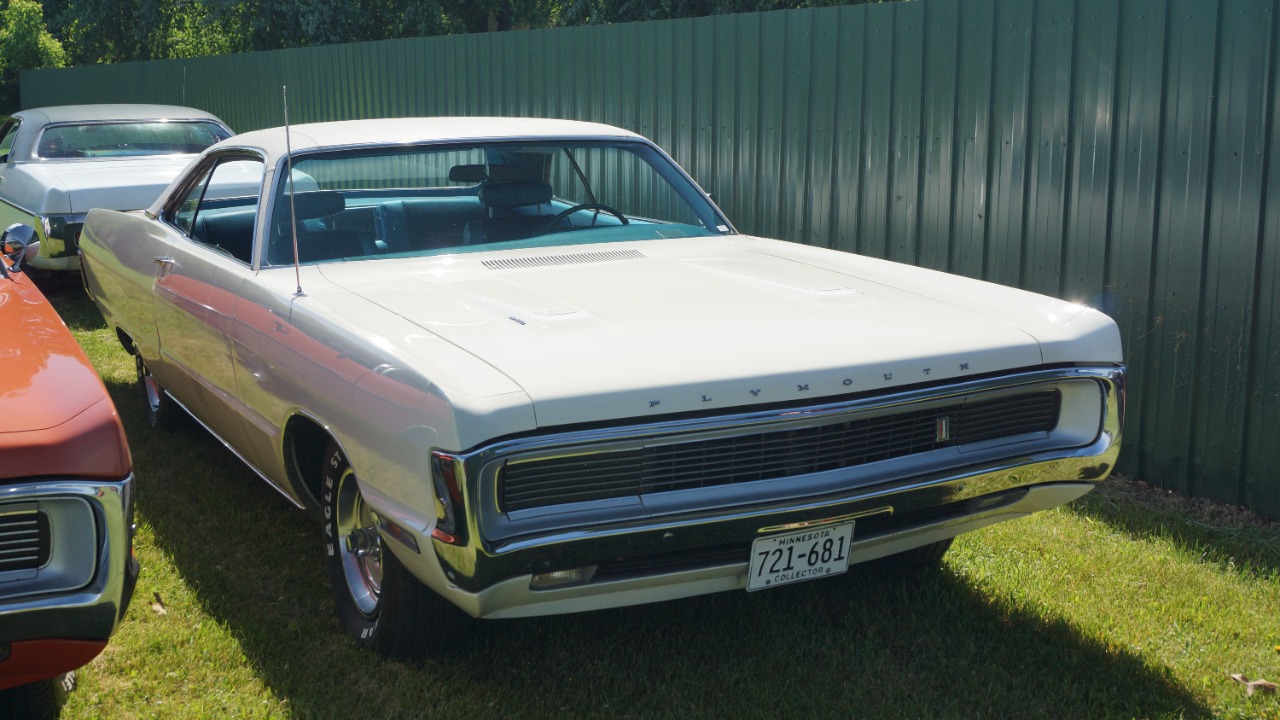
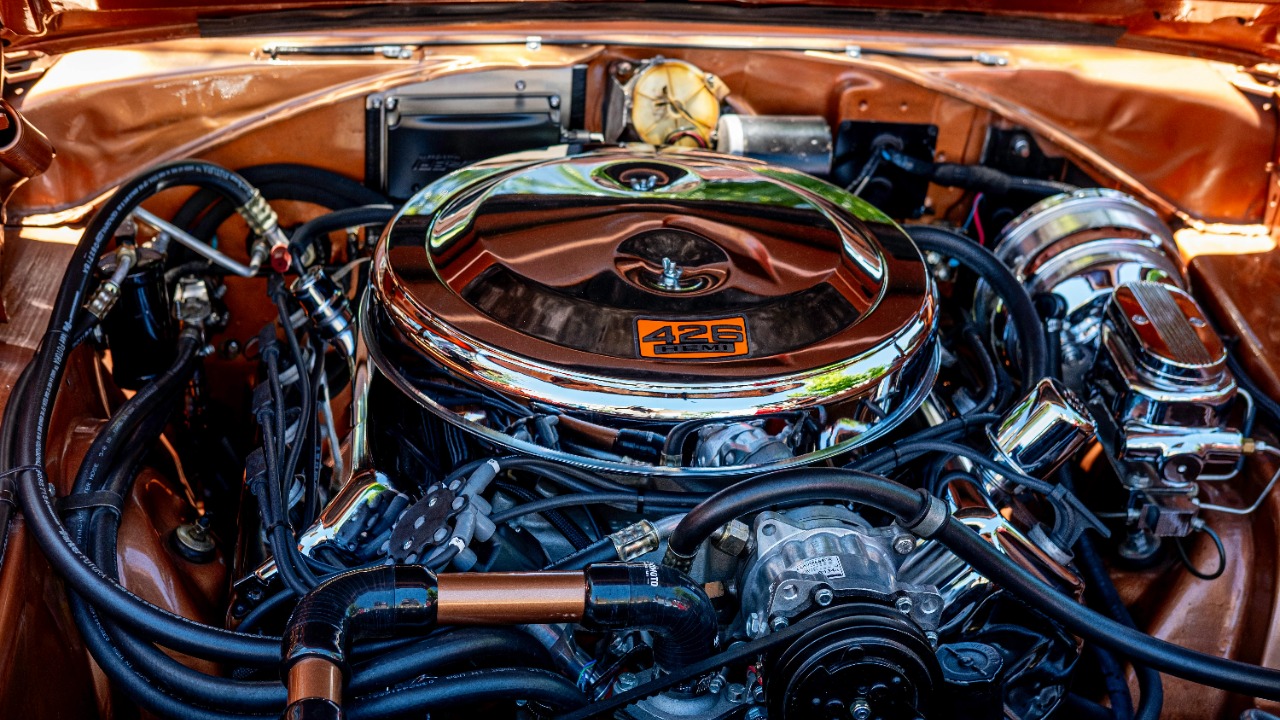
Under the hood, the Sport Fury GT could be ordered with serious big-block power, but only a tiny fraction of buyers checked the most extreme boxes. Later analysis emphasizes that Most Fury GT Models Didn, Get The, Setup, pointing out that the 1970 Plymouth Sport Fury GT was available with the coveted 440-6 motor, yet very few cars actually left the factory with that configuration, which is why enthusiasts now talk about it as a Limited Car With a Limited Engine. The combination of a full-size body and a high-strung multi-carb big-block created a car that was both expensive to buy and costly to run, which further narrowed its audience.
That rarity is even more pronounced when I focus on the specific engine details that collectors chase today. Reports on one rediscovered example stress that the car still carried its original 440-cubic-inch Six setup, a configuration that places it among a tiny group of survivors that still have their factory engines. Another analysis of the same model underscores that the 1970 Plymouth Sport Fury GT 440-6 was built in such low numbers that it has become an apparition of Plymouth’s former self, a phrase that captures how the car now stands as a ghostly reminder of the brand’s most ambitious engineering.
Barn finds that rewrote the car’s reputation
The Sport Fury GT’s transformation into a collector favorite has been accelerated by a series of high-profile barn finds that dramatized just how few of these cars remain. One widely shared story described how a 1970s muscle car was found after hiding in a barn for decades, discovered by Tom Hergert of the Rocket Restorations YouTube channel, with the report dated Mar 19, 2025, and noting that the Fury GT enjoyed a brief but intense run, with that year being its most notable, a narrative that highlighted how the Found car was now set to be thoroughly fixed up. Stories like this do more than entertain; they remind collectors that many of the remaining cars are still hidden away, which fuels both market interest and active searching.
Another account, dated Oct 20, 2025, described how a Big Block Plymouth Has Been Sitting In a barn since the early 1980s, with the original owner, named Dan, from West Virginia, leaving the car untouched Barn Since 1981, and identifying it as one of only four such examples known, a detail that instantly reframed the model as one of the rarest 1970s muscle cars ever found in a barn and underscored that Dan had unknowingly preserved a unicorn. A separate report on a similar car noted that The Sport Fury had been parked in 1981 and left untouched since then, still carrying its original Six setup, a detail that placed it among the very few that still have their factory engines and was highlighted in coverage dated Nov 20, 2025, which further cemented the car’s status as an ultra-rare survivor of its era.
From mass-market Fury to niche collectible
Part of what makes the Sport Fury GT’s current status so striking is how ordinary the broader Fury line once was. One detailed look at the model family points out that the 1970 Fury is far from rare by overall production numbers, with Plymouth selling nearly 260,000 units that year, a figure that underscores how the GT and especially the 6-BBL variants were tiny needles in a very large haystack. That same analysis, dated Nov 17, 2025, notes that Well, the Fury was built in large numbers, yet the specific high-performance configurations were produced in such limited quantities that they now surface as isolated curiosities, often after decades in storage.
Over time, this contrast between mass-market base models and ultra-rare performance versions has sharpened collector focus on the GT. Commentators who revisit the car’s history argue that the early 1970s were a golden age for muscle cars, yet the Plymouth Sport Fury GT still does not get respect proportional to its mechanical credentials, a point made explicitly in coverage dated Oct 7, 2025, which labels it a Forgotten Muscle Car Era Contender. That lingering underdog status, combined with the documented scarcity of 440 and 6-BBL cars, has turned the Sport Fury GT into a connoisseur’s choice: a machine that rewards those who look beyond the usual nameplates and recognize how a once-misfit land yacht quietly became one of the rarest and most intriguing collectibles of the muscle car age.
More from Fast Lane Only