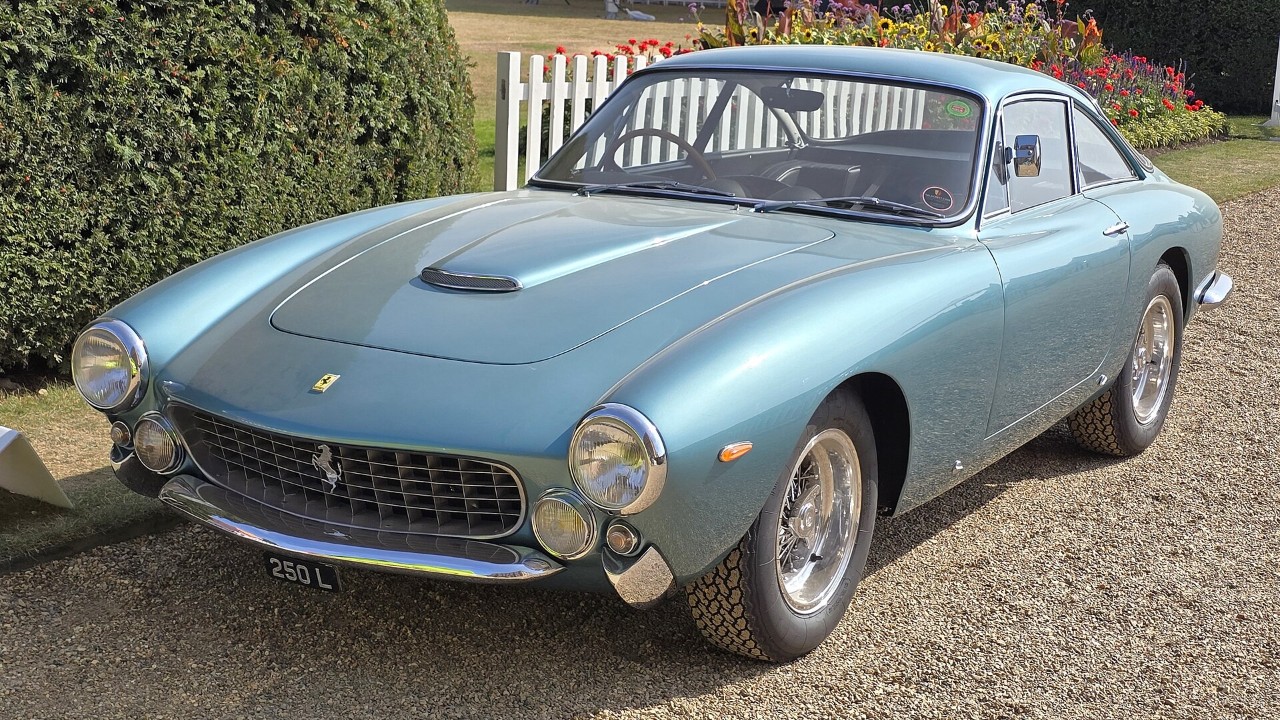
The 1954 Sunbeam Alpine did not arrive in a vacuum. It emerged at a moment when British makers were scrambling to court drivers who wanted something lighter and more glamorous than a family saloon, yet still usable in daily life. To understand how this compact roadster found its audience, I need to trace how it was conceived, how it was tailored for specific buyers, and why its character still resonates with enthusiasts today.
From sober saloon to stylish roadster
When I look at the 1954 Sunbeam Alpine, I see a car that cleverly repurposed existing hardware into something aspirational. The project started with the Sunbeam-Talbot 90 sedan, a respectable four-door that provided the basic chassis and running gear. From that foundation, the company created the first open two-seater Sunbeam roadsters, a move that let the brand pivot from staid transport to weekend plaything without starting from scratch. One detailed history notes that the Alpine was Originally derived from the Sunbeam-Talbot 90, and that origin story explains both its strengths and its compromises.
That blend of sedan roots and sports car ambition gave the Alpine a particular personality. It was not as raw as some rivals, but it offered a more refined ride and a sense of solidity that came straight from the Sunbeam-Talbot 90 platform. The car’s creators were working within the constraints of a British manufacturer that needed export success, so they leaned on proven mechanicals while dressing them in a low, elegant body. In period, that strategy positioned the Alpine as a bridge between traditional touring cars and the sharper sports machines that would follow, and it set the stage for the audience it would eventually attract.
Designed with the American driver in mind

For me, the key to understanding the Alpine’s market is acknowledging how deliberately it was aimed across the Atlantic. The company did not hide the fact that The Alpine was really designed with the American market in mind, and that focus shaped everything from its gearing to its suspension. Contemporary assessments point out that The Alpine had both its engine and suspension tuned for sportiness, so it would feel less like a family car to drive. That tuning was a direct response to American expectations that a small European convertible should be lively, not merely pretty.
Targeting American buyers also influenced the car’s packaging and creature comforts. Export customers wanted a roadster that could handle long distances and varied weather, not just short blasts on British B-roads. The Alpine’s designers responded with a relatively comfortable cabin, a usable boot, and a driving position that felt familiar to someone stepping out of a domestic sedan. By building a car that could cruise on American highways yet still deliver European handling, Sunbeam carved out a niche among drivers who wanted something more sophisticated than a basic runabout but less temperamental than a pure competition machine.
Practical glamour: golf clubs, Plexiglas and clean lines
What fascinates me is how the Alpine sold practicality as part of its allure. Rather than chase extreme performance, the car leaned into clever details that made it easy to live with. One period description highlights a two-seater with Plexiglas sidescreens and luggage room in its elegant tail for two sets of American golf clubs, a combination that speaks volumes about the intended lifestyle. That same account notes that the 1953 to 55 Alpine used an 80 bhp version of the saloon engine, so it balanced usable power with everyday reliability. Those touches, from the Plexiglas sidescreens to the golf club friendly boot, made the car feel like a companion rather than a toy.
The styling followed the same philosophy of understated glamour. The Alpine was notably devoid of most heavy-handed bright exterior trim and mouldings, which gave it a clean, almost continental look. Even exterior door handles were left off, a small but telling decision that reduced visual clutter and made the body appear sleeker. A detailed sales description of The Alpine emphasizes how this restraint set it apart from more heavily chromed contemporaries. By pairing practical features with a restrained design, Sunbeam appealed to buyers who wanted a car that looked sophisticated in town yet still felt at home on a country road or a golf club driveway.
First impressions and lasting memories
The Alpine’s audience was not built solely in showrooms; it grew through first encounters that stuck in people’s minds. I am struck by one enthusiast who recalled seeing a 1954 Sunbeam Alpine at the NYC car show in 1954 or 55, and still remembered that moment decades later. In a comment that begins with the simple phrase Love it, the writer explains how that early sighting at the New York event cemented the car’s appeal. That recollection, shared under a post labeled Jan with a note to Share and a line reading Posted January, captures how a single display car could turn casual visitors into lifelong admirers. The anecdote appears in a reflective piece on a 1954 Sunbeam Alpine, and it underlines how show appearances helped the model find its following.
Those early impressions were reinforced by the way the Alpine looked and sounded in motion. Even today, when I watch a modern walkaround and test drive, I can see how the car’s proportions and exhaust note still charm onlookers. In one recent video, a presenter named Mike from Michael’s Moars in Lancaster Pennsylvania introduces himself with the line hi I’m Mike from Michael’s Moars located in Lancaster Pennsylvania and then proceeds to drive a 1954 Alpine while trying to beat the rain. The clip, hosted by Jul on a channel that features classic machinery, shows how the car continues to draw attention as it rolls through modern traffic. That contemporary drive of a 1954 Sunbeam Alpine echoes the same mix of curiosity and admiration that early showgoers in NYC felt in 1954 or 55, proving that the design still speaks to people who encounter it for the first time.
A niche classic with a devoted following
Over time, the Alpine’s audience has evolved from new-car buyers to a tight-knit community of enthusiasts who appreciate its particular blend of qualities. Owners’ groups and marque specialists often highlight how the car’s sedan-based engineering makes it approachable to maintain, while its limited production and distinctive styling give it a sense of occasion. Historical notes on Sunbeam-Talbot models describe how the early roadsters were conceived by a British dealer who saw potential in turning the Sunbeam-Talbot 90 into something more glamorous, and how that idea eventually led to cars driven by figures like Stirling Moss and John Fitch. That background, preserved in detailed write-ups of the Sunbeam-Talbot roadster, gives the Alpine a motorsport-adjacent aura that still appeals to collectors.
For today’s drivers, the car’s appeal lies in how it bridges eras. It feels more relaxed than later sports cars, yet more engaging than the sedans it sprang from, and that middle ground suits people who want to enjoy classic motoring without constant drama. When I think about how the 1954 Sunbeam Alpine found its audience, I see a pattern that runs from the British dealer who first imagined an open version of the Sunbeam-Talbot 90, through American buyers drawn to its tuned suspension and practical glamour, to modern enthusiasts who still smile when they see one glide past. The car never dominated sales charts, but it carved out a loyal following by being exactly what its creators intended: a stylish, usable roadster that made everyday drivers feel just a little more like Stirling Moss on their way to the golf course.
More from Fast Lane Only: