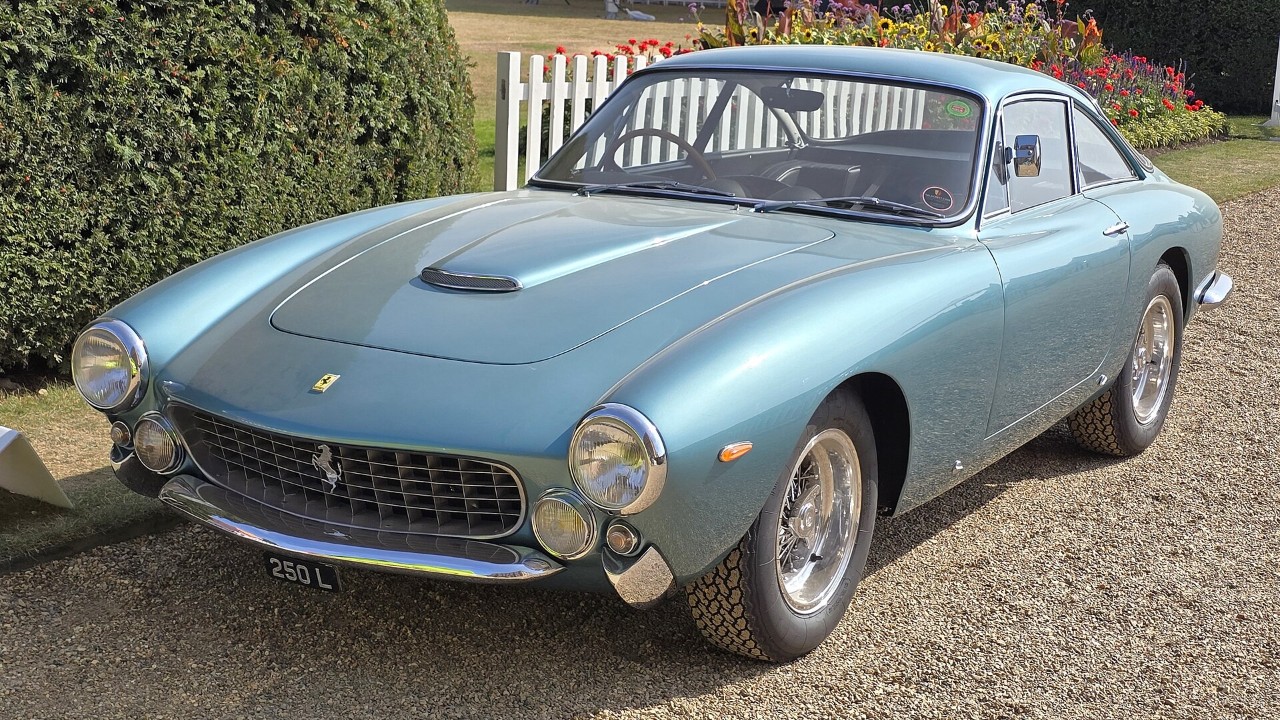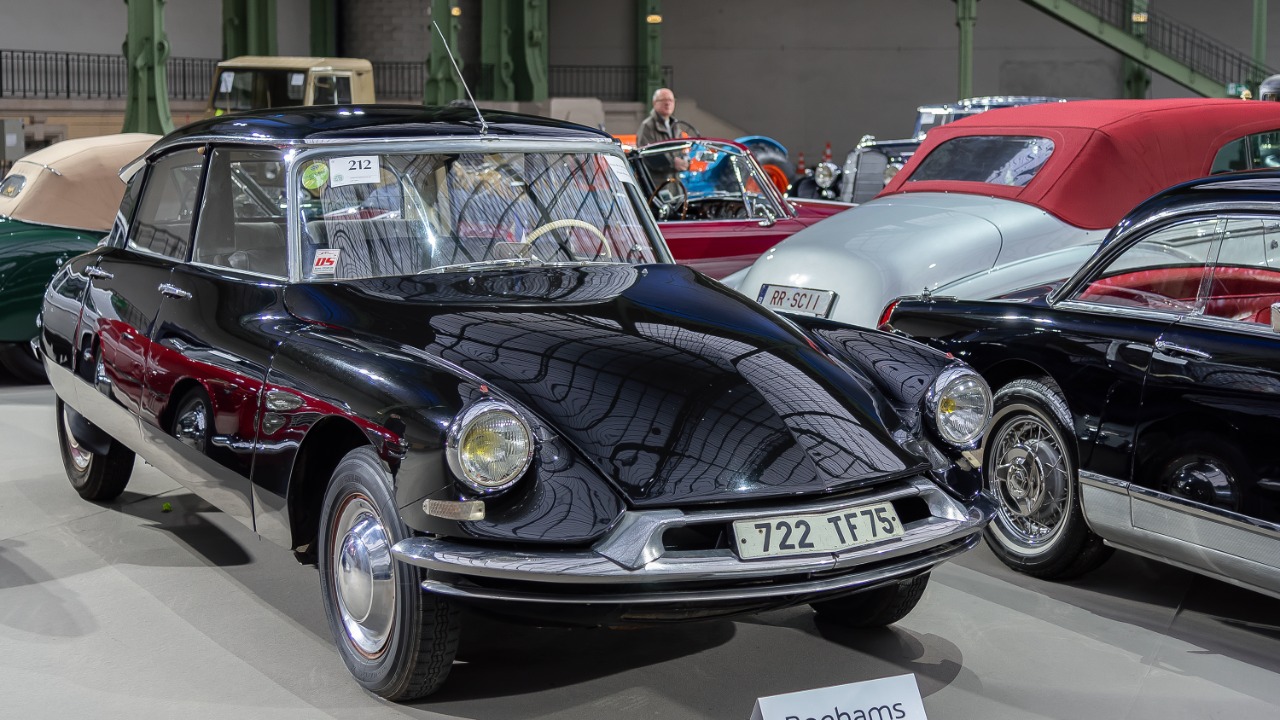
The Citroën DS stunned the world as a rolling vision of the future, but it was the quieter sibling that really put that future within reach. When the 1959 Citroën ID arrived, it translated headline-grabbing innovation into something a family could actually buy, drive, and maintain. I see that car as the moment radical engineering stopped being a Paris motor show spectacle and started to become part of everyday European life.
By stripping back some of the DS’s extravagance while keeping its core ideas, the ID turned a technological statement into a practical product. It showed that comfort, safety, and design flair did not have to be reserved for the wealthy or the technically obsessed, and that shift still echoes in the way modern cars are engineered and marketed.
The DS sets the stage for a revolution
To understand why the 1959 Citroën ID matters, I first have to start with the DS that came before it. The DS was conceived to outperform its rivals in both performance and design, and it did that by throwing out much of the conventional wisdom of the 1950s car industry. Underneath its sleek body, the DS introduced a suite of technical innovations that made most contemporaries feel instantly old fashioned, a leap that is clear when you look at how far it moved on from the earlier Traction models and other national manufacturers at the time, as detailed in the story of the Technical Innovations of the DS.
The DS did not just look futuristic, it behaved that way on the road. Its hydropneumatic suspension, power-assisted controls, and aerodynamic shape combined to create a car that rode and handled in a way that felt almost alien compared with the upright, leaf-sprung sedans of the era. That radicalism came at a cost, though, both in price and in complexity, and it meant the DS initially appealed to a relatively narrow slice of buyers who were willing to pay for the most advanced version of the idea.
Step down in price, not in ambition
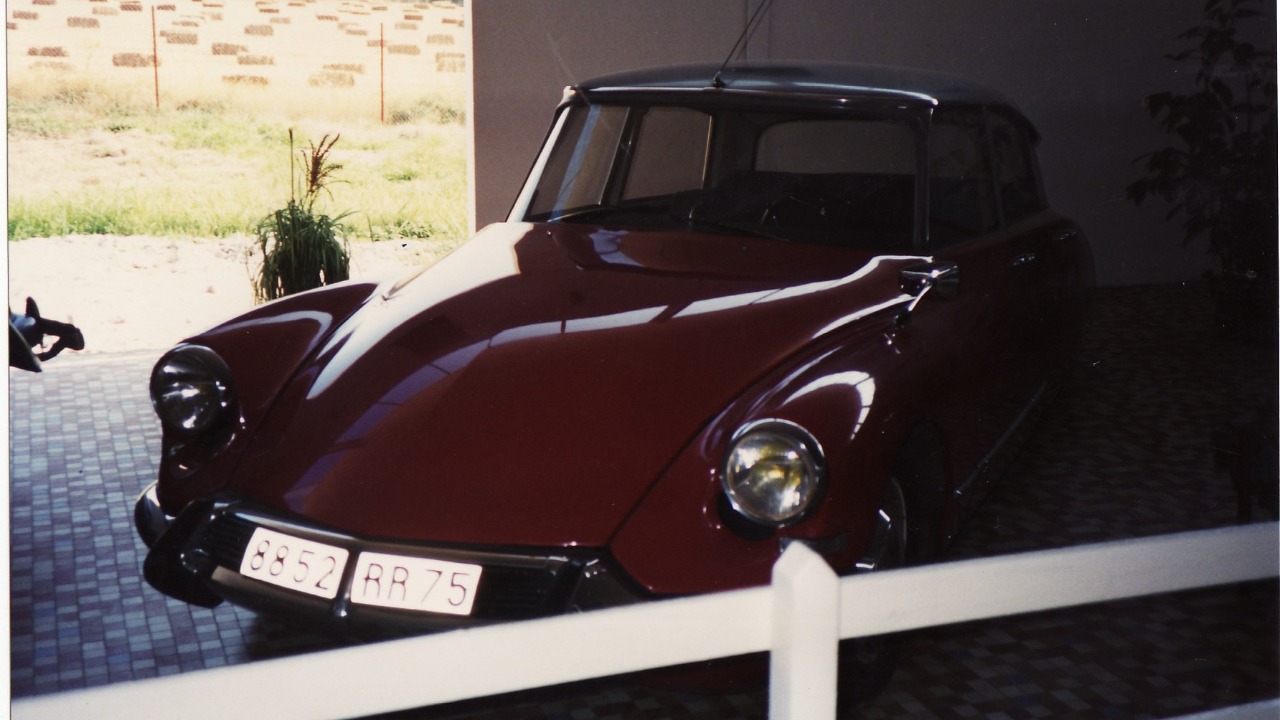
The genius of the 1959 Citroën ID was that it did not try to outdo the DS, it tried to democratize it. Citroën created the ID as a cheaper alternative that would open the same basic platform to a broader audience, and that meant making some hard choices about what to keep and what to simplify. The Citroen ID19 was born with a more modest specification, retaining the engine of the earlier Traction and a simpler interior, but it still sat on the same basic architecture that made the DS so distinctive, a balance that is captured in the way The Citroen ID19 was born as a bridge between old and new.
What strikes me is how carefully Citroen chose which luxuries to sacrifice. The ID did without some of the DS’s more elaborate hydraulic features and high-end trim, but it still offered the hydropneumatic suspension that defined the driving experience. That meant buyers could enjoy the same magic-carpet ride and distinctive stance without paying for every cutting edge gadget, a trade that made the ID feel like a smart, rational way into a very irrationally advanced car.
Hydropneumatic comfort for the many
At the heart of the ID’s appeal was that hydropneumatic suspension, a system that sounded like science fiction but delivered very real benefits on battered postwar roads. The setup combined an easily compressible gas in a cavity with the non compressible hydraulic fluid that controlled the car’s height and damping, so the wheels could move dramatically over bumps while the cabin stayed calm. In practice, that meant the ID could glide over ruts and potholes that would have a conventional steel-sprung sedan shuddering, a difference that is explained in detail in the description of how the hydro-pneumatic suspension kept Passengers happy.
By fitting this system to the more affordable ID, Citroën effectively made a luxury ride quality available to people who might otherwise have been shopping for something far more ordinary. I see that as a quiet but important shift in expectations, because once you had experienced that level of comfort on a long journey, it was hard to go back. The ID taught a generation of drivers that advanced suspension was not just a party trick for flagship models, it was something that could and should filter down to the cars they actually bought.
From showstopper to showroom staple
The DS had already proven there was huge appetite for this new kind of car. When it debuted, demand was so intense that Legend has it that 12,000 DS 19s were sold by the end of the first day, a figure that left Competitors able only to applaud the newcomer’s genius. That level of interest created both an opportunity and a problem, because Citroën suddenly had a car everyone wanted but not everyone could afford or even get hold of.
Production reality quickly caught up with the dream. The complexity of the DS meant Citroën only managed to make 69 DS19s in its launch year, and it took until 1959 for the combined output of the DS and its predecessor, the Traction Avant, to match what the Traction had achieved at its 1953 peak. That is exactly the moment the ID arrived, giving Citro a way to scale up the concept with a simpler specification that was easier to build in volume and easier to sell to buyers who had been priced out of the original.
A legacy that still feels modern
When I watch modern reviewers climb into a well preserved DS or ID, I am struck by how contemporary their reactions sound. In one detailed video review of the Citroen DS, the presenter admits that growing up they did not expect to fall in love with the car quite as much as they did, then proceeds to walk through the design and driving experience with a mix of surprise and admiration that feels very current, a response you can see in the way the Citroen DS is still described as one of the best cars of the 20th century.
For me, that modern resonance is exactly where the 1959 ID’s contribution comes into focus. By taking the DS’s radical ideas and packaging them in a car that was cheaper, easier to build, and more approachable to own, the ID helped normalize a whole set of expectations about comfort, safety, and style. It proved that you did not need to buy the absolute top model to enjoy cutting edge engineering, and that lesson has quietly shaped the way car makers roll out new technology ever since, from adaptive suspensions to advanced driver aids that now appear in mid range trims rather than just halo models.
More from Fast Lane Only: