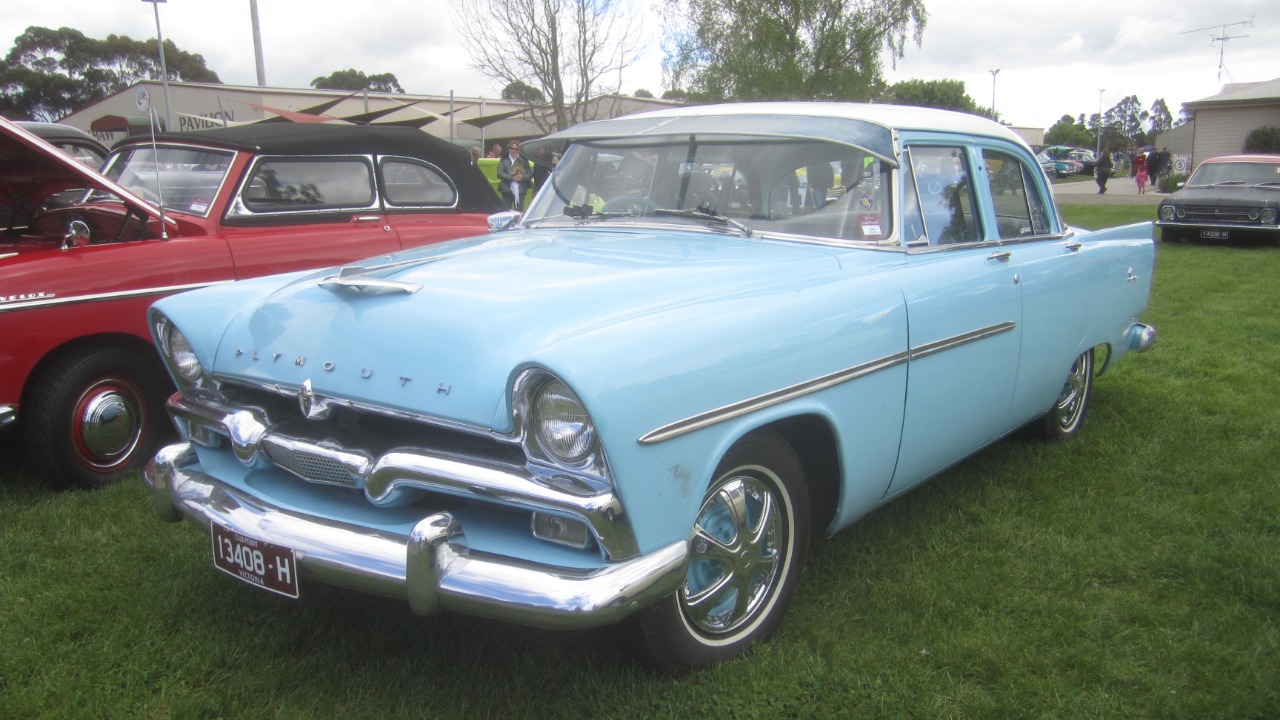
The 1956 Plymouth Plaza was never meant to dazzle anyone with chrome or gadgets, yet it helped anchor a pivotal moment in Detroit design. While its flashier siblings grabbed the showroom spotlight, the Plaza quietly delivered basic transportation with just enough style to feel modern. That balance of restraint and progress is exactly what makes it so compelling today, when simplicity in a car can feel almost radical.
Looking back at this entry level Plymouth, I see a model that kept its mission clear: offer a solid, affordable way into Virgil Exner’s new look without burying buyers in options or ornament. The Plaza’s plain trim, straightforward cabin and limited configurations were not signs of neglect, they were the point. In an era racing toward fins and excess, the 1956 Plaza showed how to keep things simple without feeling stuck in the past.
The budget Plymouth that still looked modern
When I picture the 1956 Plymouth Plaza in a dealer lot, I see a car that had to walk a tightrope between cost cutting and curb appeal. The Plaza sat at the bottom of the Plymouth hierarchy, a direct entry level model that trimmed away brightwork and color breaks to keep the sticker price low. Yet even in that stripped back role, The Plaza still carried the basic proportions and stance of the brand’s new design language, so buyers did not feel like they were driving last year’s leftovers.
That was crucial because Plymouth had just rolled out Virgil Exner’s so called “Forward Look,” a styling shift often summed up with the phrase “After Exner, Suddenly it’s 1960.” Even the most affordable models had to reflect that promise of being ahead of the curve. The Plaza did it with a clean body, modest trim and simple color schemes, while the more expensive Belvedere and Savoy layered on extra chrome and two tone paint. According to period valuation data, the fresh styling helped Plymouth sales jump by 44.3 percent, proof that even a basic Plaza benefited from the new look.
Plain on purpose: trim, cabin and options
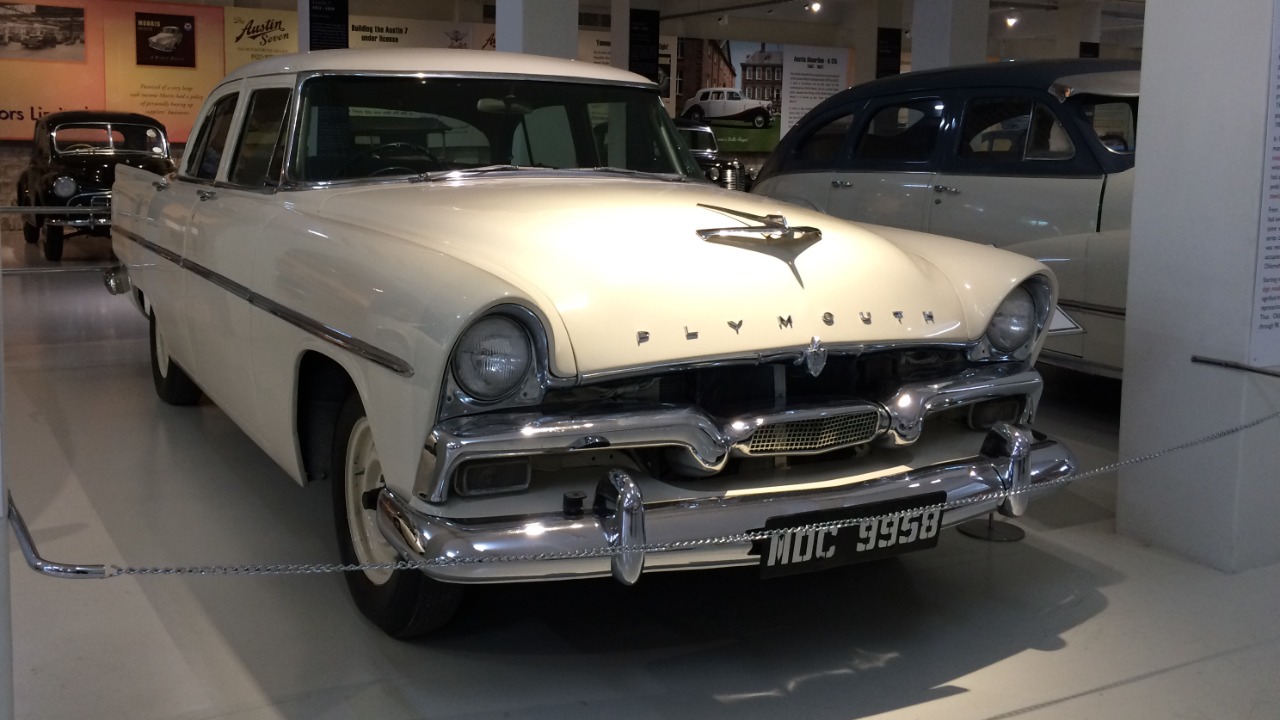
What strikes me about the Plaza is how deliberately it leaned into being plain. Contemporary descriptions emphasize that the Plaza carried minimal trim and a cloth and vinyl interior, with luxury and comfort clearly not primary concerns. That was not an oversight, it was a strategy aimed at fleet buyers, budget conscious families and anyone who valued durability over decoration. The result was a cabin that was easy to clean, hard to offend and unlikely to confuse a driver with switches or gadgets.
In that sense, the Plaza’s simplicity feels almost refreshing compared with later muscle cars and personal luxury coupes. I am reminded of how a later performance model, the 1970 Superbird, used very basic door panels with manual window cranks and straightforward handles so the driver could focus on the task of driving. A period walkaround notes that There were no power windows or extra controls to distract from performance. The Plaza applied that same philosophy to everyday motoring, long before anyone talked about “driver distraction” as a safety issue.
Simple powertrains, honest performance
Under the hood, the Plaza kept its mechanical story just as straightforward. Plymouth’s own data for 1956 lists “Plymouth Facts” for “Powertrain Options” that started with a 230 CID inline six rated at 125 horsepower as Standard, with a “Power Pack” version of the same 230 CID six bumped to 131 horsepower. For buyers who wanted more, a 270 CID V8 with a two barrel carburetor was available, but even that engine was tuned for reliability rather than bragging rights. The mix gave the Plaza enough muscle for highway use without complicating maintenance.
That mechanical honesty is part of why these cars can still be coaxed back to life after long neglect. In one modern garage video, a host and his companion “the dub dog” head out to revive a long parked 1955 Plymouth, affectionately calling it a Plymo as they work through the basics of fuel, spark and compression. Even though that clip centers on a slightly earlier model year, the straightforward six cylinder layout and simple ignition system are essentially the same story the Plaza told in 1956. For owners today, that means fewer hidden surprises and a better chance of getting an old sedan running with hand tools instead of a laptop.
Body styles, rare specials and the Suburban twist
Keeping things simple did not mean Plymouth ignored variety altogether. The Plaza line covered several body styles, including the Club Sedan that served as the basis for a particularly intriguing variant. A limited run “Silver Special” was Based on a Plaza Club Sedan and distinguished by silver paint on the roof and in the Sportone side inserts, a combination that has since become very rare. The existence of that Silver Special shows how Plymouth could dress up the same basic shell with a few paint and trim tweaks without redesigning the car or bloating the option sheet.
At the practical end of the range sat the Plymouth Plaza DeLuxe Suburban, a wagon that translated the same no nonsense formula into family and fleet duty. Valuation guides today describe how the How much a 1956 Plymouth Plaza DeLuxe Suburban is worth depends heavily on condition and specification, but the underlying package is consistent: a simple interior, modest trim and the same workhorse engines. In wagon form, that simplicity made even more sense, because buyers were more likely to care about cargo space and durability than about chrome spears or elaborate upholstery.
How enthusiasts see the Plaza today
When I listen to enthusiasts talk about the Plaza now, I hear a mix of affection and gentle teasing. One detailed write up of a survivor car leans into a fictional “Your Uncle Clem” character to capture the kind of thrifty, practical owner who might have chosen a Plaza new, with commenters like Your Uncle Clem, Reply, Billinsavannah, Posted February and Compa chiming in on how the car’s backward forward look fit into the mid fifties landscape. The tone is affectionate rather than mocking, recognizing that the Plaza’s job was to be dependable and unpretentious, not to win design awards.
That same spirit shows up in hands on videos from small garages and hobbyists. One clip from Jul on a channel called Orphan Car Garage features John in Massach walking around a better trimmed Belvedere, but the way he talks about parts interchange and shared structure makes it clear how closely related the Plaza was. Even in the scale model world, a charcoal gray 1956 Plymouth Plaza 2 Door Club Sedan is sold with “Product Information The Plaza” label that emphasizes it as a direct entry level Product Information The Plaza Plymouth, a reminder that collectors now celebrate what buyers once accepted as basic transportation.
Why this kind of simplicity still matters
For me, the lasting appeal of the 1956 Plymouth Plaza lies in how clearly it understood its purpose. The Plymouth Plaza did not pretend to be a luxury car, and it did not apologize for being plain. It offered a sturdy body, a small set of proven engines and an interior that could survive kids, work boots and grocery runs. In a market that was rapidly discovering tailfins and power everything, that kind of honesty feels almost subversive in hindsight.
Even the way enthusiasts and model makers describe it today reinforces that clarity. References to the Plaza as a direct entry level Plymouth, or to its rare Silver Special Sportone treatment, all orbit the same core idea: this was a simple car that did its job well. In an era when modern vehicles can feel overloaded with screens and software, spending time with a Plaza, even on video or in die cast form, is a reminder that sometimes the most satisfying machines are the ones that keep things simple and let you just drive.
More from Fast Lane Only: