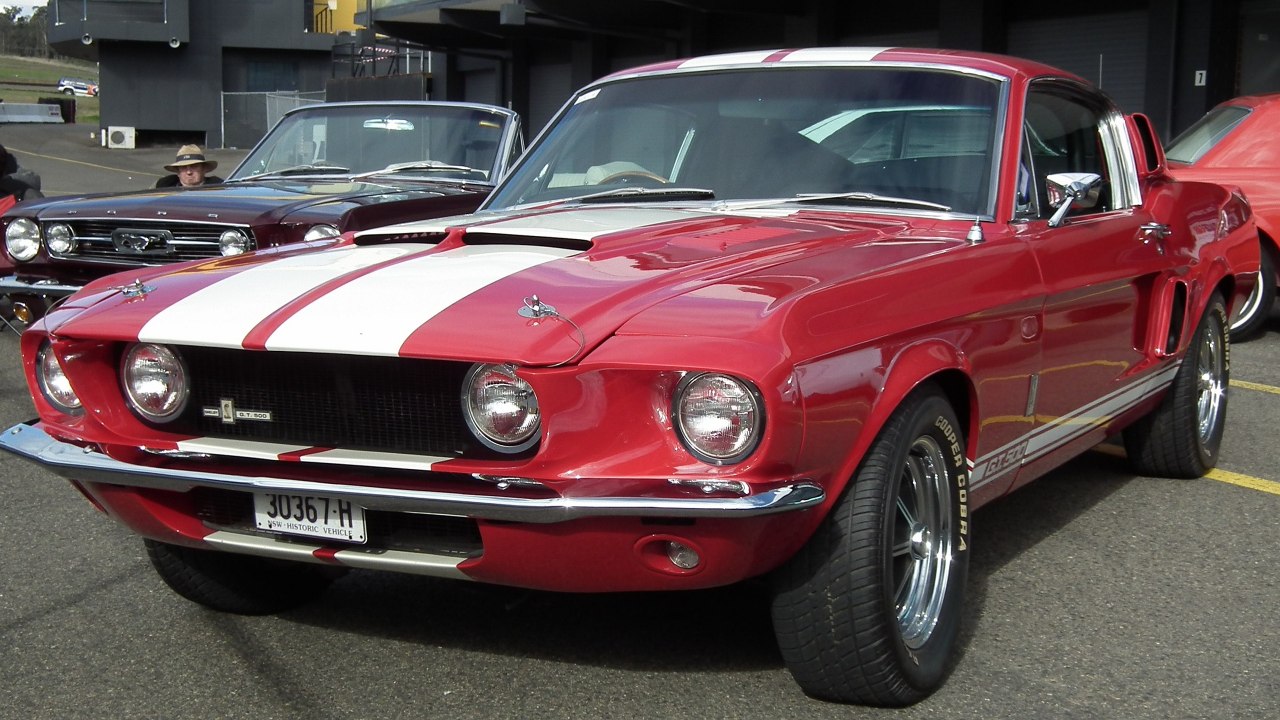
The 1965 Shelby GT350 did not just make the Ford Mustang quicker, it turned a stylish commuter into a street legal machine that behaved like a purpose built racer. By tightening the chassis, sharpening the suspension and extracting serious power from a compact V8, Carroll Shelby created a car that carried the character of the track straight onto public roads. I see that blend of civility and aggression as the key reason the GT350 still defines what “race car for the street” really means.
From fashionable pony car to SCCA weapon
When the Mustang arrived, it was a sensation, but it was not a championship threat. Ford turned to Shelby with a clear mission: transform the Mustang into a car that could dominate the Sports Car Club of America, or SCCA, in B Production racing. Shelby’s task was to take a mass market pony car and give it the reflexes, durability and speed needed to survive long, hard competition, then homologate that package by selling road going versions that ordinary buyers could register and drive.
The result was the 1965 Shelby GT350, a car that started life as a Mustang fastback and left Shelby American as something far more focused. Period accounts describe how Shelby and his team reworked the engine, suspension and body to meet SCCA rules while still passing as a production model. That dual identity, a car built to win on Sunday and commute on Monday, is what allowed the GT350 to carry racing technology directly into suburban driveways and city streets.
Carroll Shelby’s blueprint: start with a strong Mustang, then strip and sharpen
The GT350 story begins with the decision to use the already capable K-Code Mustang fastback as the foundation. Starting with that high performance base, Carroll Shelby and his team at Shelby American treated the car less like a trim package and more like a blank canvas. They removed unnecessary weight, revised key components and added parts that would be at home in a pit lane, not just a showroom.
Reports on the 1965 Shelby GT350 describe how the transformation went far beyond cosmetic tweaks. Shelby American reworked the chassis and added race oriented hardware, including special bracing and side exit exhaust parts that gave the car a snarling soundtrack. By the time the cars left the Los Angeles facility, they were no longer typical Mustangs, they were tightly focused machines built to satisfy both SCCA regulations and demanding drivers who wanted a car that felt like a racer every time they turned the key.
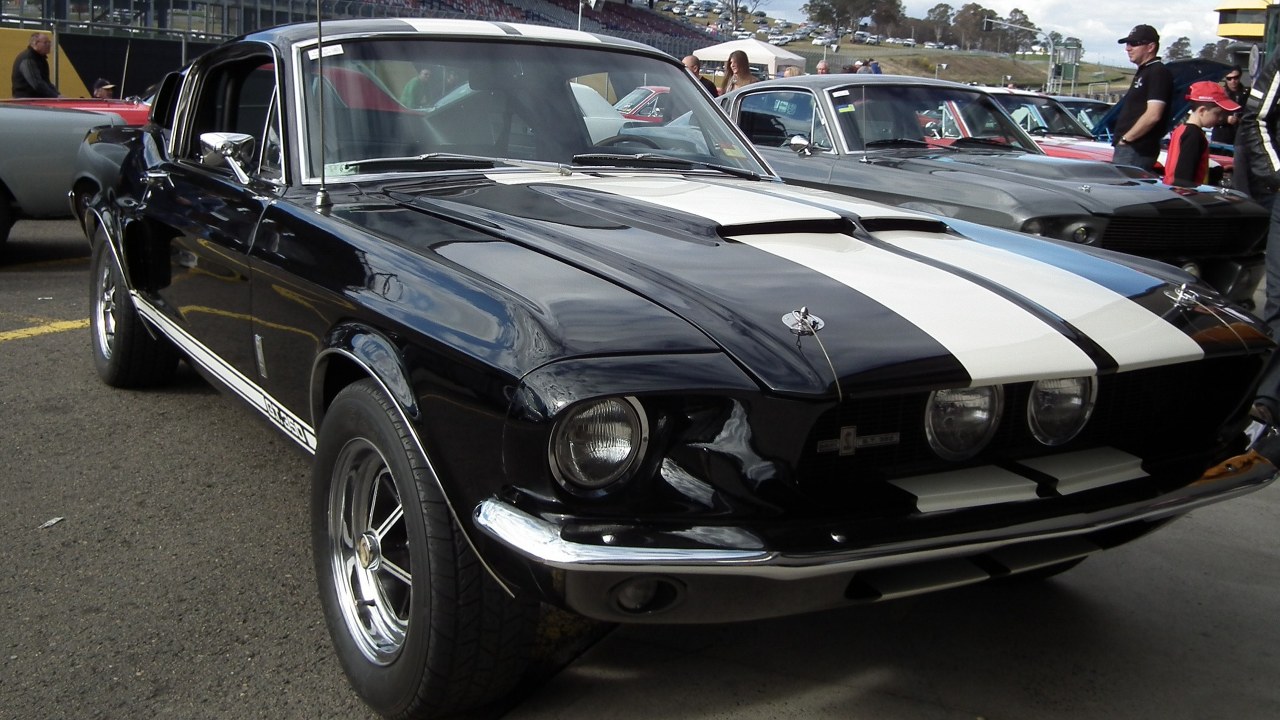
Chassis and suspension: race car geometry on public roads
What truly brought racing manners to the street was the way Shelby’s team reengineered the GT350’s underpinnings. Contemporary technical guides explain that the CHASSIS did not simply receive stiffer springs, the front suspension mounting points were repositioned and the A-arms were lowered to reduce ride height and improve the car’s roll center. Those changes altered the geometry so the car stayed flatter and more composed in corners, a hallmark of competition setups that drivers could now experience on everyday roads.
Additional race strut tower braces and other reinforcements helped the front end cope with higher cornering loads and more aggressive driving. Accounts of the 1965 Shelby GT350 highlight how these structural upgrades worked with the revised suspension to deliver sharper turn in and better feedback through the steering wheel. In effect, Shelby American transplanted the kind of chassis thinking used in dedicated race cars into a package that still had license plates and a warranty, narrowing the gap between track and traffic in a way few production cars had attempted.
Powertrain and sound: a 289 that behaved like a pit lane engine
Under the hood, the GT350’s engine program followed the same philosophy of turning proven hardware into something that felt competition bred. The Wimbledon White car with Guardsman Blue stripes that enthusiasts often reference features a 289 cubic inch V8 mated to a 4 speed manual gearbox. That compact, high revving small block was tuned to deliver significantly more power than a standard Mustang, with period figures citing 306 horsepower, and it sent that output through a close ratio transmission that encouraged drivers to keep the engine in its sweet spot.
What set the GT350 apart was not just the number on the spec sheet, but the way the engine and exhaust combined to create a race like experience. Shelby American fitted parts such as snarling side exit exhaust systems that changed both the sound and the character of the car. Drivers were treated to a hard edged note more typical of a pit lane than a parking lot, and the strong mid range pull of the 289 made highway on ramps and back roads feel like sections of an SCCA course. That sensory connection, the way the car sounded and responded, is a big part of how it brought the feel of competition to everyday driving.
Design cues and legacy: how the GT350 rewrote the street performance rulebook
Visually, the 1965 Shelby GT350 signaled its intent without resorting to excess. The Wimbledon White paint set off by Guardsman Blue stripes became an instant icon, a simple but purposeful scheme that echoed the look of American racing cars of the period. Functional details, from the hood scoop to the minimalist badging, told informed observers that this was not a standard Mustang, while still keeping the car usable and relatively understated compared with later muscle machines.
The legacy of that approach is visible in how modern performance cars try to balance track capability with daily drivability. The GT350 proved that buyers would embrace a car that rode more firmly, sounded louder and demanded more from its driver if it delivered genuine motorsport derived performance in return. By starting with a strong Mustang platform, then applying Carroll Shelby’s race focused blueprint to the chassis, engine and design, the 1965 GT350 created a template that later street legal performance models still follow, blending competition hardware with just enough civility to live with every day.
More from Fast Lane Only: