The 1968 Pontiac GTO redesign did more than refresh a popular muscle car. It reset expectations for style, performance, and technology in a way that still shapes collector values today. The car’s shift to a curvier body, new materials, and a more focused performance image continues to influence how buyers rank different GTO generations in the current market.
Collectors now judge earlier and later GTOs through the lens of that 1968 pivot. The redesign created a template for what many enthusiasts consider the ideal balance of aggression, comfort, and innovation in an American muscle car, and current price guides and auction trends still reflect that hierarchy.
The 1968 redesign that broke with the past
The 1968 Pontiac GTO arrived as a clean break from the squared off 1967 model, and that contrast still drives interest. Enthusiasts often highlight how the new shape captured 1960s American style in a way that felt elegant yet unapologetically bold, a mix that continues to attract collectors who want visual drama without cartoonish excess. A detailed fan discussion from Nov 9, 2022 describes how this model captures that era’s design language and calls it one of the timeless icons of automotive beauty, underscoring how the 1968 body remains a benchmark for many buyers who compare it directly with the earlier car from just one year before, and that praise appears in a post within a group titled Do You Remember The 60s Fan Club.
Designers did not only smooth the lines, they also rethought the structure under the sheet metal. A detailed feature on the model notes that part of the redesign of the GM A body platform for 1968 included a new frame that reduced the wheelbase and changed suspension geometry, and that piece explains how the rear pair of control arms measured 2.00 inches, which helped tighten handling and stance for the 1968 Pontiac GTO, and that structural shift appears in a technical overview on Hemmings.
Endura bumper and performance image as value drivers
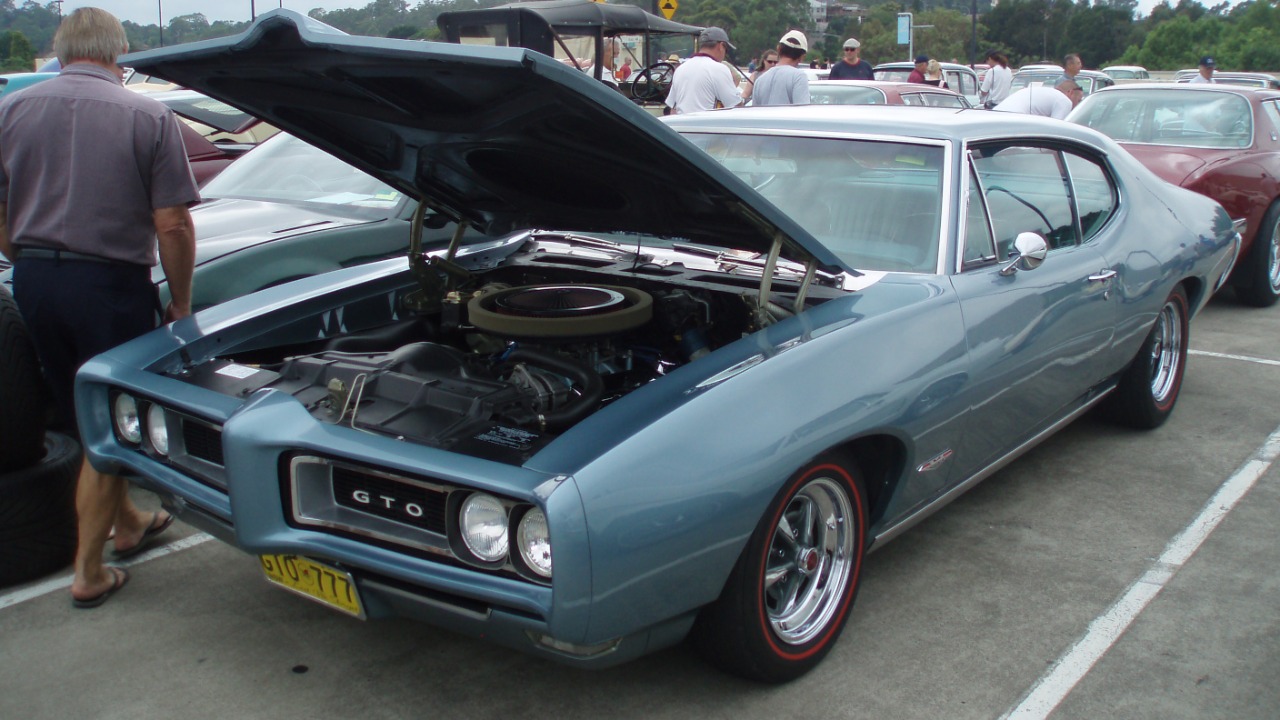
Styling changes only tell part of the story, because the 1968 Pontiac GTO also introduced a signature piece of technology that still shapes its desirability. The most obvious change in the 1968 models was the Endura rubber clad front bumper, a GTO exclusive that integrated the grille and nose into a single color matched piece, and a period feature story notes that this Endura bumper helped the car stand apart from chrome laden rivals and even from other Pontiacs in the same showroom, and that detail appears in a profile that highlights the Endura front bumper.
Modern enthusiasts still treat that bumper as a defining trait that separates the 1968 redesign from earlier GTOs. A feature shared on Feb 24, 2025 calls the 1968 Pontiac GTO a legendary American muscle car that marked a turning point in automotive design and performance, and the post highlights the Endura bumper as a key part of that shift, using hashtags like #EnduraBumper and #MuscleCarLegend to underline how the nose design and performance upgrades combine in the current collector imagination, and that framing appears in a social media post that introduces a newly found Pontiac GTO.
How the redesign shaped the GTO’s performance reputation
The 1968 Pontiac GTO did not rely on looks alone, it also sharpened its performance identity in ways that still influence values. A detailed enthusiast write up from Feb 12, 2025 describes the 1968 Pontiac GTO as a quintessential American muscle car that captures the essence of 1960s American style while delivering serious power, and that piece notes that this model stands among the timeless icons of automotive beauty, which reinforces how the redesign linked visual flair with real performance credibility in the eyes of current fans, and that praise appears in a group post that refers to the car as Pontiac GTO The.
Another enthusiast community entry from Sep 26, 2025 goes further and calls the 1968 Pontiac GTO one of the most legendary muscle cars of all time, often nicknamed The Judge of performance and style, even though that label historically attached to a later option package, and the post uses tags like #1968GTO and #PontiacPower to stress how the redesign set a standard that later variants tried to match, which shows how the 1968 car still anchors the performance narrative that surrounds the broader GTO family, and that description appears in a discussion that highlights The Judge.
Market data, price guides, and the 1968 premium
Current valuation tools show how the 1968 redesign still carries financial weight. A detailed price guide entry under Common Questions explains that the value of a 1968 Pontiac GTO can vary greatly depending on its condition, mileage, options, and history, and that resource notes that typical prices climb sharply for well preserved or highly optioned examples, which confirms that collectors pay a clear premium for strong cars from this specific model year, and that guidance appears in the Pontiac GTO valuation section that lists Typ and other details.
Market analysts also track how second generation GTOs, including the 1968 redesign, fit into broader collector trends. A report from Dec 20, 2018 examines why the 1968 to 1972 Pontiac GTO, often called the Goat, has seen slower growth than some cheaper muscle cars, and the piece notes that another factor against the Goat is that growth in collector vehicle values has lately focused on lower cost offerings, which suggests that the 1968 car’s strong baseline price can limit speculative spikes even as it remains a respected icon, and that perspective appears in a market analysis that states that Another factor against the Goat involves affordability.
The Judge, later years, and how 1968 set the benchmark
The 1968 redesign also paved the way for one of the most famous GTO variants, and that connection still shapes how collectors rank different years. A feature dated Nov 23, 2025 explains that beyond individual auction headlines, broader price guides show that GTOs in general, and Judges in particular, have been climbing in value, and the analysis notes that this trend reflects sustained enthusiasm for the entire second generation that began with the 1968 model, which means the original redesign year still acts as the reference point when buyers compare rarer later packages, and that observation appears in a piece that states that Beyond individual auction headlines the data supports that rise for Judges.
Enthusiast commentary from Sep 26, 2025 that casually refers to the 1968 Pontiac GTO as The Judge of performance and style shows how the redesign’s image sometimes blurs with that later package in popular memory, and that overlap helps sustain interest in the entire late 1960s lineup because buyers often shop across several years when they chase a certain look or reputation, which keeps the 1968 car central in conversations about both styling purity and the peak of Pontiac Power, and that sentiment appears in the same discussion that tags the car as PontiacPower.
Why the 1968 redesign still matters to buyers today
Modern collectors do not view the 1968 Pontiac GTO in isolation, they see it as a turning point that still guides their choices. A social media feature from Feb 24, 2025 that introduces a newly found 1968 Pontiac GTO describes it as a legendary American muscle car that marked a turning point in automotive design and performance, and the post’s enthusiastic response shows how buyers continue to treat the 1968 car as a sweet spot between raw early muscle and the more complex, sometimes heavier, models that followed, and that reaction appears in the same post that highlights the American muscle car character.
Enthusiast communities that celebrate 1960s American style also keep the 1968 redesign in the spotlight. A post from Nov 9, 2022 within a nostalgia group praises the 1968 Pontiac GTO for capturing the essence of that decade’s design while remaining one of the timeless icons of automotive beauty, and that kind of cultural reverence helps support values even when broader market forces favor cheaper entry level classics, which means the 1968 car’s mix of style, innovation, and performance continues to justify its premium in the eyes of buyers who want more than just another vintage coupe, and that sentiment appears in the same discussion that highlights the American style of the era.