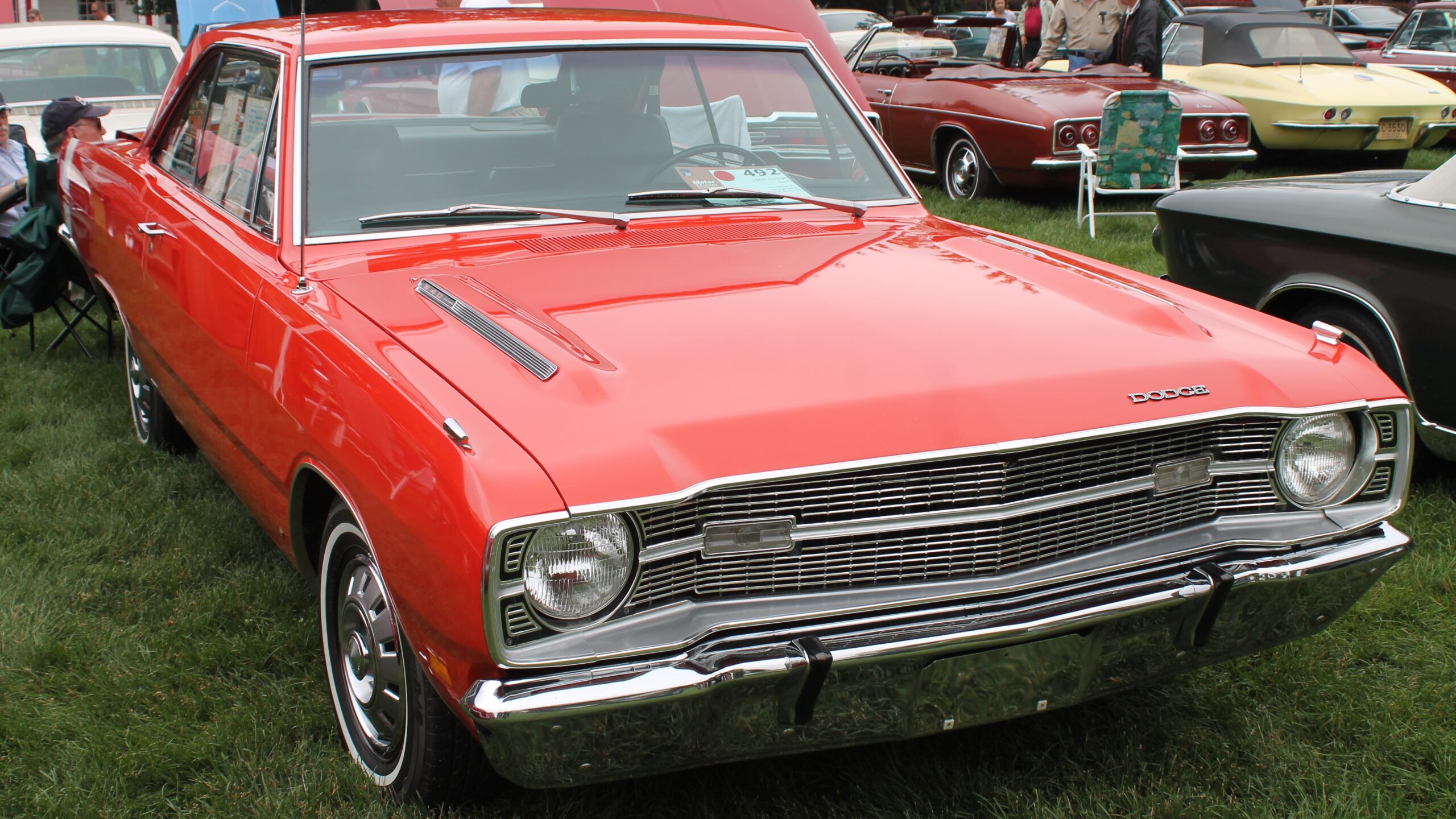
The 1969 Dodge Dart Swinger 340 arrived in showrooms looking like basic transportation and left traffic lights acting like a street brawler. It was a compact two-door with bench-seat roots, but in 340 trim it embarrassed bigger, flashier muscle cars from every brand. The surprise was not just that it was quick, but that it rewrote expectations for what a small-block, budget Mopar could do.
By pairing a light A-body shell with a high-winding 340 cubic inch V8, Dodge created one of the most effective factory street packages of the late 1960s. The Dart Swinger 340 did not shout with stripes and spoilers; instead, it delivered performance that caught rivals off guard and still shapes how enthusiasts judge small-block muscle today.
What happened
The Dart nameplate started the decade as a sensible compact, but by 1969 Dodge had turned it into an unlikely performance weapon. The Swinger 340 package dropped Chrysler’s 340 cubic inch small-block into the A-body chassis, backed it with a 4-speed manual or TorqueFlite automatic, and added a set of performance-minded suspension and axle choices. On paper it looked like a parts-bin special. On the street and strip it became a quiet terror.
The 340 itself was at the center of the surprise. Chrysler engineered this small-block with a relatively large bore, short stroke, high-flow cylinder heads, and a performance cam profile that let it rev freely. Factory ratings put the engine at 275 horsepower, a figure that many period testers and later analysts have called conservative. Internal components such as forged pistons and a strong bottom end gave the 340 the durability to live at high rpm, which made it ideal for a lightweight car like the Dart.
In Swinger 340 trim, the Dart carried that engine in one of the smallest and lightest platforms in the Dodge lineup. The A-body chassis gave the car a short wheelbase and modest overall length, which helped both weight and weight distribution. Performance equipment such as dual exhaust, a performance ignition curve, and available axle ratios in the low 3s and high 3s turned the car into a factory sleeper. Many left the dealership with understated paint and minimal graphics, so they blended into traffic until the driver planted the throttle.
Contemporary road tests showed that this combination was much quicker than its spec sheet suggested. Quarter-mile times dipped into the low 14-second range in showroom form, with trap speeds that hinted at real output well above the official 275 horsepower rating. The car’s modest price and compact footprint meant it appealed to younger buyers who wanted big performance without paying for a full-size B-body or E-body muscle car.
Later analysis of period drag strip data and tuning combinations has highlighted just how strong the 340 package really was. Comparative testing and historical time slips have shown that similarly prepared 340-powered cars regularly ran with or ahead of small-block Chevrolets and Fords of similar displacement. Data-driven comparisons of Mopar 340 performance against rival small-blocks have reinforced the idea that Chrysler’s combination of cylinder head design, compression, and cam timing produced a remarkably efficient and powerful engine for its size.
In the Dart Swinger 340, this engine found perhaps its most effective factory home. The car’s relatively low curb weight let the 340’s torque curve work to full effect, especially when paired with aggressive rear gearing and sticky tires. Many owners found that with only minor tuning changes, such as carburetor jetting and ignition timing adjustments, the Swinger 340 could cut tenths off its elapsed times and move into territory normally reserved for big-block cars.
The factory package also included chassis tweaks that helped the Dart put power down. Heavier torsion bars, upgraded shocks, and a front sway bar improved control, while the rear leaf springs and axle options were tuned to balance traction and street manners. Braking systems with front discs were available, which gave the lightweight Dart stopping power that matched its straight-line speed. The result was a car that could be driven daily, raced on the weekend, and then driven home without drama.
Visually, the Swinger 340 remained relatively restrained compared with some of Dodge’s more flamboyant offerings. Modest striping, small emblems, and simple wheel designs kept the car from drawing too much attention. That understatement added to the shock factor: drivers in larger, more obviously muscular cars often underestimated what the small Dart could do until the light turned green.
Why it matters
The Dart Swinger 340 mattered because it challenged the idea that muscle cars had to be big, heavy, and overtly styled. At a time when many manufacturers were chasing ever-larger cubic inches and more aggressive graphics, Dodge showed that a carefully tuned small-block in a compact shell could deliver equal or better real-world performance. The car demonstrated that power-to-weight ratio and engineering finesse could beat brute displacement.
For Chrysler, the success of the 340 in the Dart validated its investment in a performance-oriented small-block program. The engine’s strong showing against rival small-blocks from Ford and Chevrolet helped reinforce Mopar’s reputation among drag racers and street enthusiasts. When period and modern comparisons revealed how often a well-tuned 340 could outrun similarly sized competitors, it boosted the status of the entire Mopar small-block family and encouraged more owners to experiment with tuning and aftermarket upgrades.
The Swinger 340 also changed expectations for what an entry-level performance car could be. It was priced below many larger muscle cars, yet it delivered acceleration that matched or exceeded them. That combination of affordability and speed widened the audience for factory performance. Young buyers who might have been priced out of a big-block Charger or Road Runner could step into a Dart Swinger 340 and still run at the front of the local scene.
From a design perspective, the car highlighted the value of subtlety. The Swinger 340’s relatively plain appearance gave it a sleeper personality that appealed to drivers who preferred performance over flash. That approach has influenced later generations of performance cars, from compact turbocharged sedans to understated V8 coupes that hide their capability behind conservative styling. The idea that the quickest car in the parking lot might be the least flashy owes a debt to packages like the Dart Swinger 340.
The car’s impact is also evident in how enthusiasts and historians talk about the late 1960s muscle era. Discussions that focus only on big-block icons risk missing how effective small-block combinations could be when paired with the right chassis. The Dart Swinger 340 serves as a case study in how careful engineering and smart packaging can produce performance that punches far above its spec sheet. It reminds observers that horsepower ratings alone do not tell the full story.
On the drag strip, the reputation of 340-powered A-bodies has endured. Many grassroots racers still favor these cars because they combine a strong engine platform with a relatively light and simple chassis. The Dart Swinger 340 helped establish that template. Its success encouraged builders to continue refining A-body combinations long after the original muscle car era ended, which kept the platform relevant in bracket racing and nostalgia events.
The car also matters for what it says about corporate strategy during the horsepower wars. Dodge and Plymouth could not always match the marketing budgets or broad dealer networks of some rivals, so they often relied on overachieving performance packages to build brand loyalty. The Swinger 340 gave Dodge a weapon that generated word-of-mouth buzz and magazine coverage without requiring an all-new platform. It showed how a manufacturer could leverage existing parts and engineering expertise to create a standout product with relatively low investment.
From a cultural standpoint, the Dart Swinger 340 captured a particular attitude within the muscle car world. It appealed to drivers who enjoyed surprising opponents, who valued mechanical substance over image, and who were willing to tune and tweak their cars for every last tenth of a second. That spirit continues in modern enthusiast circles, where sleepers and understated builds often earn as much respect as high-dollar show cars.
The car’s legacy also shapes how collectors and restorers approach late 1960s Mopars. Original Swinger 340 examples are prized not only for their rarity, but for what they represent in terms of factory performance philosophy. Restorations often focus on preserving the balance that made the car so effective: a strong but not overbearing engine, a manageable chassis, and a look that does not scream for attention. That balance helps the Dart remain usable and enjoyable on modern roads, rather than existing solely as a showpiece.
In discussions about small-block performance, the 340’s role in the Dart Swinger package continues to influence tuning decisions. Builders who study period combinations often replicate the factory’s approach to compression, cam timing, and induction, then refine it with modern parts. The car’s success provides a benchmark for what a street-friendly, naturally aspirated small-block can achieve when matched to a light chassis and thoughtful gearing.
What to watch next
The story of the 1969 Dart Swinger 340 continues to evolve as more data, survivor cars, and owner experiences surface. Enthusiasts and historians are still comparing period time slips, dyno results, and restoration details to better understand how these cars performed when new and how they can be optimized today. That ongoing research helps refine the picture of where the Swinger 340 fits among its peers and how its performance stacks up against both period rivals and modern reinterpretations.
One area to watch is the growing interest in accurate, data-driven comparisons of classic small-block engines. As more builders and historians analyze quarter-mile results, dyno tests, and factory specifications, the 340’s reputation continues to be tested and, in many cases, reinforced. These efforts help separate myth from reality and give current owners clearer guidance on how to tune and modify their cars without losing the qualities that made them special in the first place.
The restoration and preservation scene around Dart Swinger 340s is also likely to expand. As values rise and more cars undergo full restorations, debates over correct components, paint codes, and factory options will intensify. That attention to detail will help document the variety of ways Dodge configured the Swinger 340 package, from axle ratios and transmissions to interior trims. Better documentation means future enthusiasts will have a clearer roadmap for bringing these cars back to factory-correct condition or for building period-correct street and strip interpretations.
At the same time, a parallel trend favors tasteful restomod builds that keep the spirit of the Swinger 340 while updating key systems. Owners are experimenting with modern ignition systems, improved cooling, and upgraded brakes, all while retaining the original 340 block and general appearance. These builds aim to preserve the car’s sleeper character and power-to-weight advantage while improving reliability and drivability for modern traffic and fuel.
On the performance side, the 340-powered A-body template remains a favorite for grassroots drag racing and autocross. Builders continue to test suspension setups, tire choices, and gearing combinations that extract more performance from the basic package without compromising its street manners. The lightweight chassis and strong small-block foundation give tuners plenty of room to experiment, and many of those experiments feed back into the broader knowledge base around these cars.
More from Fast Lane Only