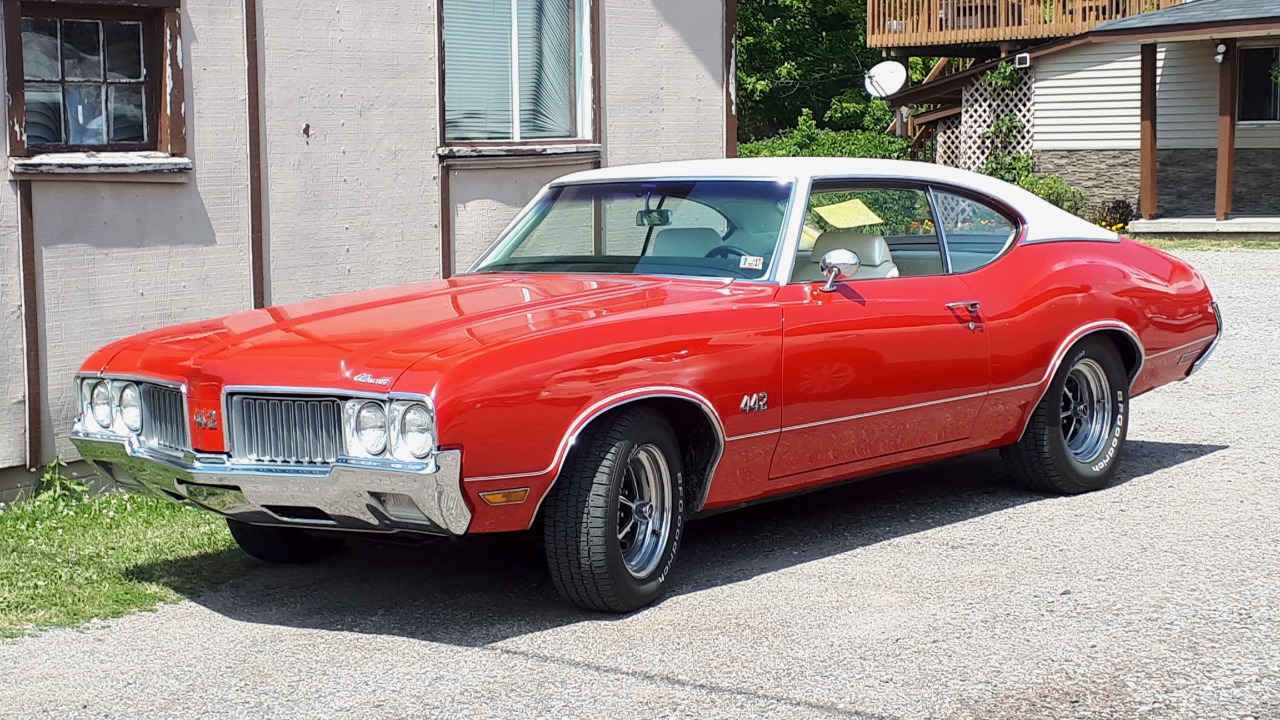
A classic car can be a cherished family heirloom, representing not just a mode of transportation but a lifetime of memories. In a surprising turn of events, a woman finds herself in a legal and emotional battle with her brother, who offered to fix her vintage 1970 Oldsmobile 442 but then refused to return it. The complexities of familial relationships, the sentimental value of classic cars, and the legal intricacies involved in personal property disputes are all woven into this family saga.
The Family Dynamics Unraveled
The sibling relationship between Mary and her brother Jack was typical of many families—marked by both deep affection and the occasional disagreement. Growing up in a household that cherished family traditions, they shared countless memories, from childhood road trips to later years spent reminiscing about those times. Before the Oldsmobile incident, their bond appeared solid, with Jack often acting as the go-to handyman for Mary’s car troubles.
The trouble began with what seemed like a straightforward arrangement. Mary had always cherished their father’s 1970 Oldsmobile 442, a car that had been passed down to her after his passing. When it started showing signs of wear, Jack, a self-proclaimed car enthusiast, offered to fix it. The understanding was clear: Jack would repair the car, and Mary would cover the cost of parts. However, once the repairs were completed, Jack refused to return the car, citing the extensive work he had put into it as justification for keeping it.
Family gatherings, once a source of joy, became tense and awkward. Conversations were overshadowed by the looming dispute, and other family members found themselves caught in the middle, unsure of where to stand. The situation began to strain relationships not just between Mary and Jack, but also among the extended family, as opinions on the matter differed widely.
The Vintage Charm of the 1970 Oldsmobile 442
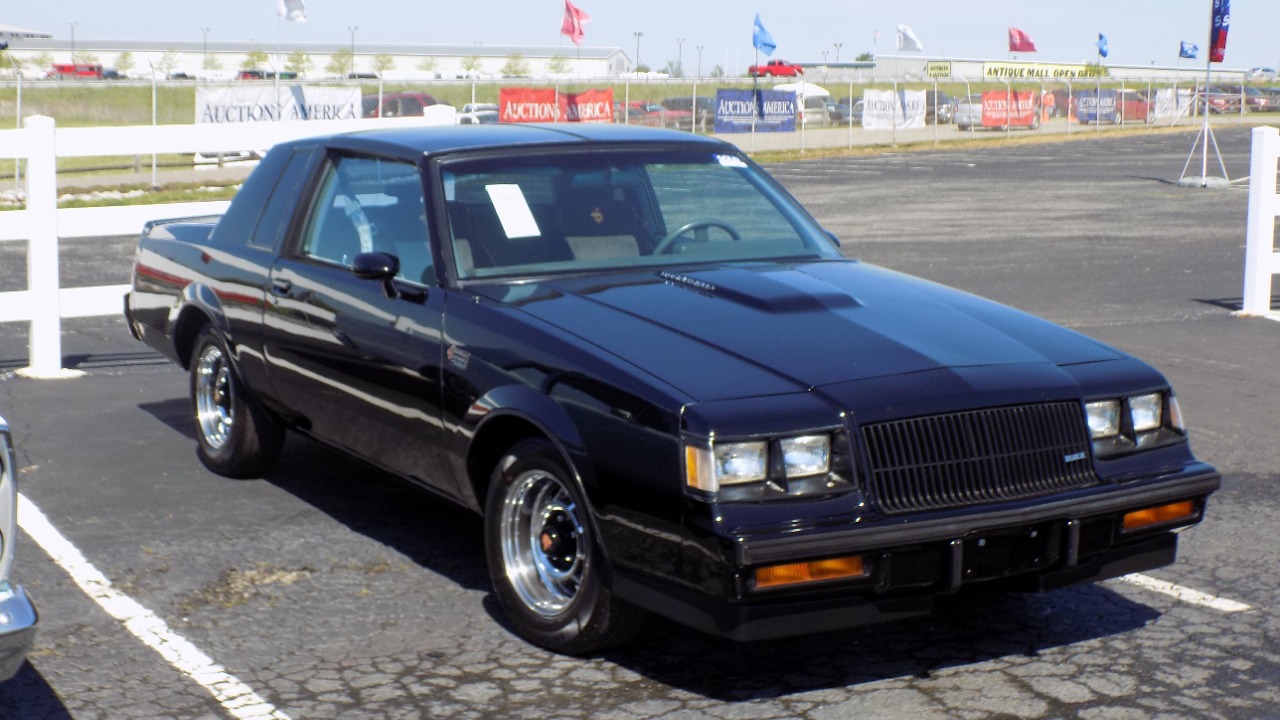
The Oldsmobile 442 holds a significant place in automotive history. Introduced as part of the muscle car era, it was known for its powerful engine and sleek design, quickly becoming a favorite among car enthusiasts. The 1970 model, in particular, was renowned for its performance and style, making it a standout during that period.
For many families, classic cars like the Oldsmobile 442 are more than just vehicles; they are tangible links to the past. They carry stories of family road trips, teenage joyrides, and countless hours spent in the garage. These cars often become family treasures, evoking nostalgia and a sense of continuity across generations. For Mary, the Oldsmobile was a cherished reminder of her father and the many memories they shared together.
In addition to their emotional value, well-maintained classic cars can carry substantial financial worth. A pristine 1970 Oldsmobile 442 can fetch a significant price at auction, depending on its condition and originality. This financial aspect adds another layer to the dispute between Mary and Jack, as the car’s value is not just sentimental but also monetary.
The Legal Entanglements
When family disputes spill over into legal territory, the situation can become complex. The question of property rights within family contexts is a tricky one, often requiring a careful examination of verbal agreements and intentions. In Mary’s case, the lack of a formal written agreement with Jack complicates matters, leaving room for interpretation on both sides.
Legal avenues are available for reclaiming personal property, even from family members. Mary could pursue legal action to recover her Oldsmobile, potentially arguing that the car was never intended to become Jack’s property despite the repairs. However, such a path could be costly and further strain family ties, making it a decision not to be taken lightly.
Past legal cases involving family property disputes offer a range of potential outcomes. In some instances, courts have ruled in favor of the original owner, while in others, the person who invested time and resources into an item has been granted ownership. The lack of clear legal precedent means that the outcome of such cases can be unpredictable, adding another layer of uncertainty to Mary’s predicament.
The Emotional and Financial Stakes
The loss of a cherished family artifact can have profound emotional implications. For Mary, the Oldsmobile was more than just a car; it was a connection to her father and her past. The thought of losing it to her brother felt like a betrayal, adding a layer of emotional pain to the already fraught situation.
Financially, the dispute over the Oldsmobile could have significant ramifications for both Mary and Jack. Should Mary choose to pursue legal action, the associated costs could be substantial, potentially outweighing the car’s value. For Jack, the situation could lead to expenses related to legal defense and the possibility of being ordered to return the car or compensate Mary for its value.
The conflict also raises questions about future inheritance and estate planning. How family assets are distributed and managed can become a point of contention, particularly when valuable items are involved. The situation serves as a reminder of the importance of clear communication and planning when it comes to family heirlooms and assets.
Expert Opinions and Advice
Legal experts often caution against letting family disputes escalate to the point of legal action. In cases like Mary’s, mediation and open communication can often lead to more satisfactory outcomes for all parties involved. Lawyers specializing in family law suggest that establishing clear agreements and documenting any verbal arrangements can prevent misunderstandings down the line.
For classic car owners, appraisers recommend regular maintenance and keeping detailed records of work performed on the vehicle. Not only does this help preserve the car’s value, but it also provides clear evidence of ownership and investment in the event of a dispute. Knowing the market value of a classic car can also help family members make informed decisions about its future.
Family therapists underscore the importance of addressing the emotional strains that accompany disputes over valuable items. Open dialogue and a willingness to listen to each other’s perspectives can go a long way in resolving conflicts. Therapists often encourage families to focus on the underlying emotional issues rather than getting bogged down in material aspects alone.
Moving Forward: Possible Resolutions
Mediation and alternative dispute resolution offer paths forward that can preserve family relationships while addressing the core issues at hand. Engaging a neutral third party to facilitate discussions can help both Mary and Jack navigate their differences and reach a mutually agreeable solution. Such approaches emphasize collaboration over confrontation, often leading to more sustainable outcomes.
Effective communication and a willingness to compromise play crucial roles in resolving familial conflicts. By acknowledging each other’s perspectives and needs, Mary and Jack can work towards a resolution that honors their father’s legacy while respecting each other’s contributions. It’s a delicate balance, but one that could ultimately strengthen their sibling bond.
The lessons learned from this dispute extend beyond the immediate situation. They highlight the importance of clear communication, the value of family heirlooms, and the need for thoughtful estate planning. By addressing these issues head-on, families can avoid similar conflicts in the future, ensuring that cherished memories and relationships are preserved for generations to come.
More from Fast Lane Only